Search

Mountain Journal

Environment, news, culture from the Australian Alps

Tag

climate change

Federal government rejects key recommendation from Royal Commission

Australia’s fires over the summer of 2019/20 were unprecedented in scale and level of destruction. Fuelled by climate change, the hottest and driest year ever recorded resulted in fires that burned through more than 17 million hectares, killed up to 3 billion animals, and affected nearly 80% of Australians. This included the tragic loss of over 450 lives from the fires and smoke.

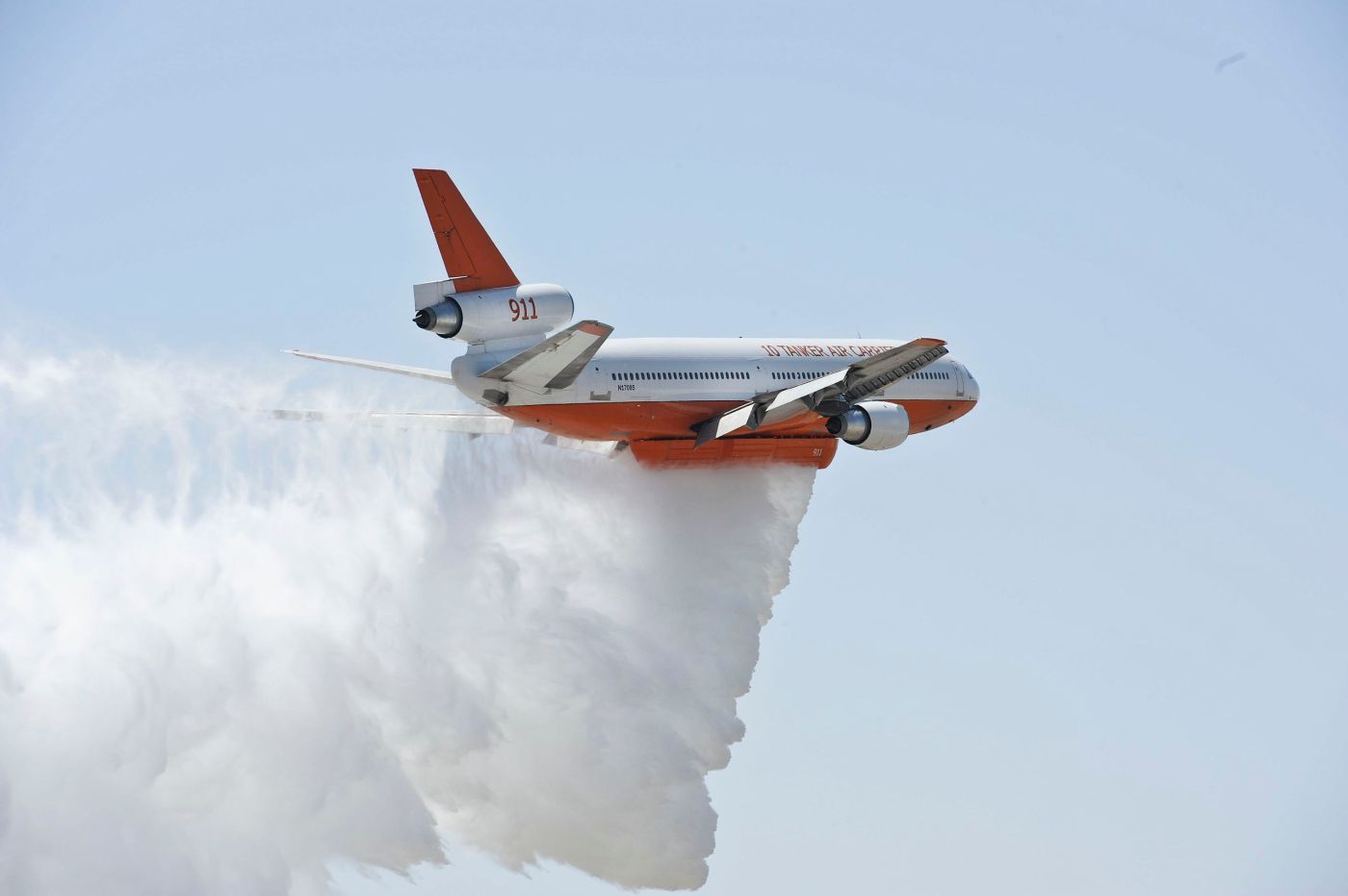
Aerial firefighting capacity – planes and helicopters – are an essential component of Australia’s ability to respond to bushfires. This was demonstrated in the 2019-2020 bushfire season, when an unprecedented use of aircraft occurred. However last summer also showed that we simply don’t have enough aircraft to fight fires in a bad season. This puts landscapes, people, towns and houses, and fire fighters at risk.

The recent Bushfire Royal Commission report recommended the creation of a national publicly-owned aerial firefighting fleet, which can then be allocated to the states “according to greatest national need”.

Continue reading “Federal government rejects key recommendation from Royal Commission”

‘State of the Climate 2020’ – what does it mean for mountain environments?

The Bureau of Meteorology and CSIRO have just released their updated ”State of the Climate’ report. This is produced every two years and provides an update on what is happening with the latest climate science. As in previous report’s, the impacts of climate change on the Australian landscape are clear. There are also some specific details for people concerned about mountain environments.

Continue reading “‘State of the Climate 2020’ – what does it mean for mountain environments?”

Public Seminar – Snow-gum dieback and forest decline

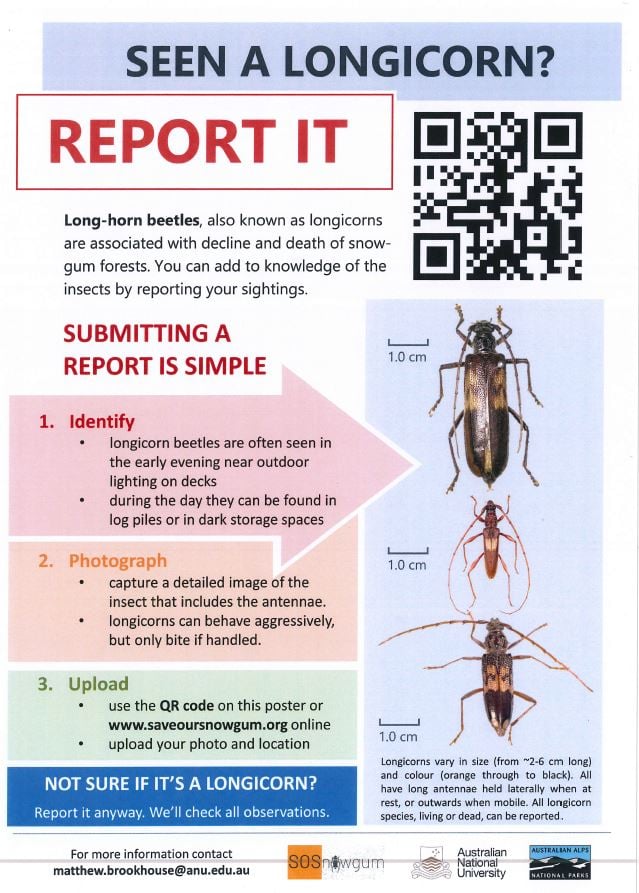
Many people know the story of the Pine beetle which has been devastating huge areas of forest across North America because of climate change. There is a similar scenario emerging in Australia’s mountain forests, although it is much less known.

Snow gums are experiencing dieback in Kosciuszko National Park, largely because of the impacts of the native longicorn (or ‘longhorn’) beetle. These beetles prefer to lay their eggs on moisture-stressed trees and, in warmer weather, the longicorn beetle can hatch and grow up to 75% faster.

On December 10, Dr Matthew Brookhouse, Project leader of the SOSnowgum program, will deliver a public online seminar on snow-gum dieback. The seminar will focus on recognition of dieback, the research being done into dieback, and a citizen-science program that is providing information on the spread of dieback.

Continue reading “Public Seminar – Snow-gum dieback and forest decline”

A chat with Jakob Kennedy

Jakob Kennedy is a content producer and nature enthusiast. He is currently involved in the development of a film called Awaken, which follows adventurers on three continents as they come to terms with the growing impact of climate change on the places they love. 

Jakob says “other than my clear love for snowboarding, it is nature, the experiences she provides and the inevitable lessons that are the reason I’m still doing this. So to be involved with a project that honours the value of these moments, by raising awareness to the importance of maintaining said environment, is a sure highlight in my career.

We only get one world and we only get one life do our best to care for it”.

The full version of the film will be released this January. You can see the trailer here.

Mountain Journal caught up with Jakob to find out about what the project and what inspires him. You can read the interview here.

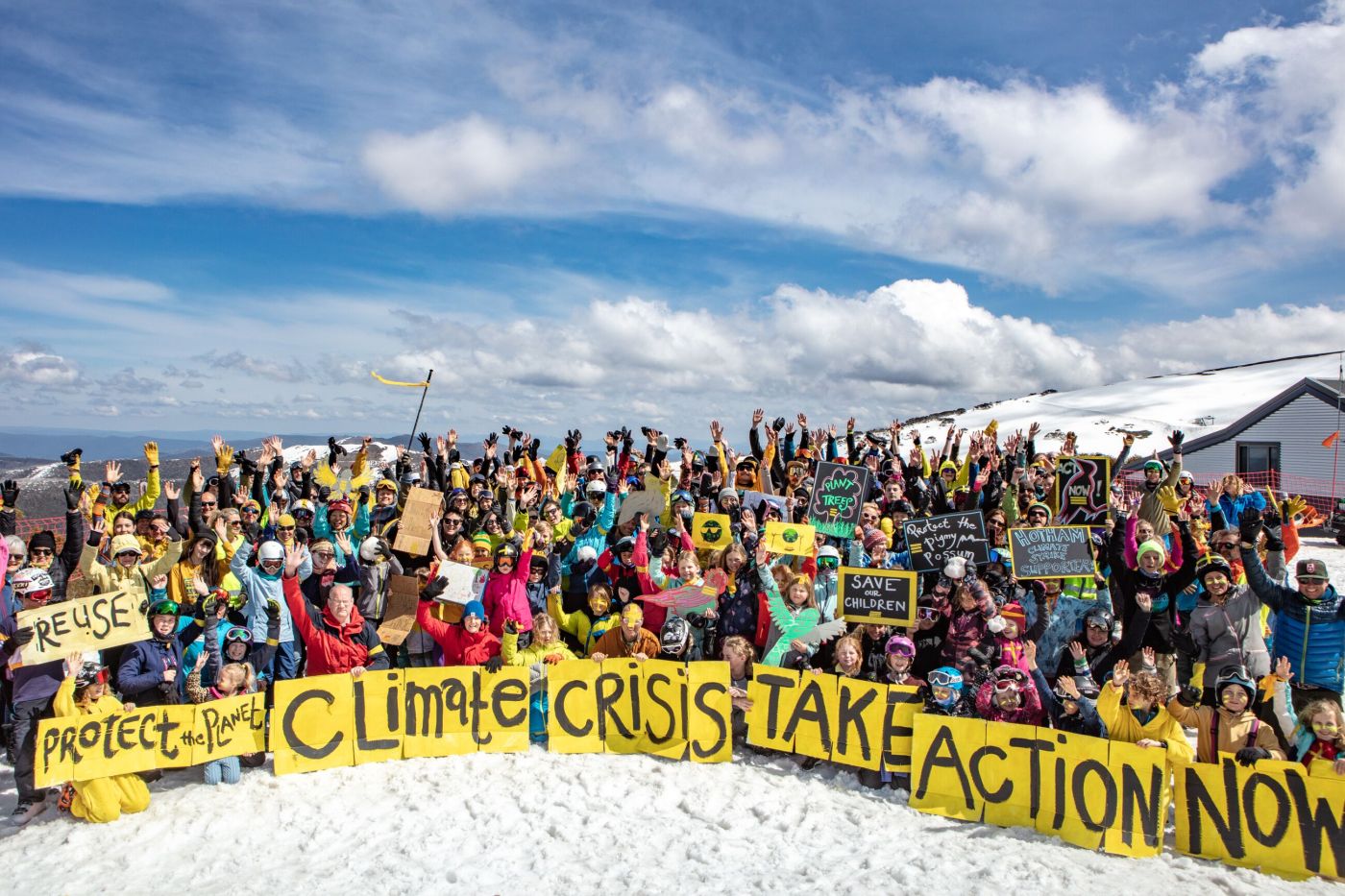
Stand with bushfire survivors for climate action

Bushfires devastated huge areas of mountain country last summer – across the eastern Alps in Victoria and the northern Snowy Mountains in NSW. These fires triggered three government inquiries – all of which identified climate change as being a key factor in the scale of the fires.

Now the Bushfire Royal Commission is due to release its final report. A key question will be whether the Commission recommends that Australia act decisively to reduce it’s contribution to global heating. Bushfire Survivors for Climate Action (BSCA)  is asking you to stand with us on climate change to highlight the need for the federal government to act.

Continue reading “Stand with bushfire survivors for climate action”

Fires hitting mountain environments around the world

Last summer, large sections of the mountains of New South Wales, Victoria and ACT were hammered by bushfire. The Emergency Leaders for Climate Action noted that: ‘Australia’s Black Summer fires over 2019 and 2020 were unprecedented in scale and levels of destruction’. 

The same terrible fires have been burning environments across the northern hemisphere through their summer. For instance, Colorado has seen its largest ever fires. Fires have burnt on Mount Kilimanjaro, Africa’s tallest mountain, and in the north east of the USA, a region that rarely burns. One fire chief in Maine said “this was a whole new kind of fire, this is the stuff you see out west.”

And the same forces are at play everywhere: climate change is making fire seasons more intense. The world has warmed as a result of human activity and now all fire events occur in a warmer environment. Thankfully this awareness is now becoming part of the mainstream debate.

Continue reading “Fires hitting mountain environments around the world”

ANU launches centre for early fire detection & suppression

Last summer, 1,507,895 ha of Victoria was burnt, much of it in the remote mountains of the Alps and East Gippsland. Almost every significant fire in Victoria during the 2019–20 season was as a result of lightning strike. 

Many of these started after storms moved across East Gippsland and the Alps on November 21 and December 31. Forest Fire Management crews swung into action and many of the fires were quickly put out. Aerial bombing dealt with others. In the 2019/20 fire season, state government FFMV crews suppressed 89% of all new ignitions with aggressive ‘first attack’ techniques. But there were simply too many lightning strikes, and some grew into massive blazes, including the fires that went on to devastate the forests and landscapes of East Gippsland in coming weeks.

It is clear that we need additional air capacity to get on top of these small fires before they become blazes. We also need more career remote area firefighters. Victoria should also follow the lead of NSW and TAS and establish a volunteer remote area firefighting force. In recent years, the NSW teams have able to keep 90% of the fires they attended contained to less than 10 hectares in size.

But fire seasons will continue to get longer and more intense because of climate change. We need all the help we can get to stop these lightning caused fires before they turn into blazes. This new development could deliver some useful help:

Continue reading “ANU launches centre for early fire detection & suppression”

Tasmanian volunteer remote area firefighting teams established

Over the summer of 2018/19, huge fires burnt across Tasmania. An independent review of Tasmania’s management of the summer bushfires was initiated. It makes a series of recommendations for the fire services and government, including a proposal to re-establish a volunteer remote area firefighter group. The report was produced by the Australasian Fire and Emergency Service Authorities Council (AFAC).

Recommendation 2 of the report says:

The Tasmanian Fire Service (TFS) should pursue the creation of a cadre of volunteer remote area firefighters. In doing so the TFS should not consider itself limited to upskilling of current volunteer brigade members, but should carry out a cost benefit analysis of creating one or more remote area firefighting units based in urban areas, in order to tap into the potential of those members of the urban-based Tasmanian community who may have advanced knowledge and skills relating to navigation and survival in wilderness areas.

That group has now been established and is being trained.

Continue reading “Tasmanian volunteer remote area firefighting teams established”

The independent review of the 2019/20 fires

Inquiry into the 2019–20 Victorian fire season 

After the 2019–20 Victorian fire season, the Inspector-General for Emergency Management was charged with ‘investigating Victoria’s preparedness for the fire season, response to fires in large parts of Victoria’s North East, Gippsland, and Alpine regions, and will review relief and recovery efforts’.

On 31 July 2020, Inspector-General Tony Pearce delivered his report to government on Phase 1 of the independent Inquiry. It covered ‘Community and sector preparedness for and response to the 2019–20 fire season’.  The report made a series of Observations and recommendations.  It has now been made public. The government now needs to decide how to respond to the report and the recommendations.

The take home message from the report is:

‘Measured in terms of their geographic extent, the tragic loss of life, the damage to property and infrastructure, the devastation to flora and fauna, and their overall social and political impacts, the 2019– 20 fires mark a key turning point in Australia’s relationship with fire and the environment’. 

Continue reading “The independent review of the 2019/20 fires”

Joining the dots on climate change and fire

Last summer, the Murdoch press played down the influence of climate change on the terrible fire season we experienced across much of the continent. Instead, they promoted the ‘arsonists are to blame’ line, which was then amplified across social media by climate deniers around the world, including one of Donald Trump’s sons.

While the hand of global warming was clear in that fire season, and this has been accepted in the various investigations carried out into the fires, conservative media and right wing deniers continue to peddle the falsehood that arsonists are to blame for bad fire seasons. The NSW Bushfire Inquiry debunked arson as a major cause in the fires that devastated that state. (Another favourite line run by conservatives is that a lack of hazard reduction burning also made fires worse).

study on the fires after the 2019/20 fires by the World Weather Attribution consortium showed that although “natural variation was very important and will continue to be important in fueling these large fire seasons”, climate change is making them “substantially more probable.” 

Now, with much of the west of the North American continent on fire, the same debate is being played out over there.

Continue reading “Joining the dots on climate change and fire”

Remembering the mountain pygmy-possum on National Threatened Species Day

 National Threatened Species Day happens on 7 September.  It is a day to consider native plants, animals and ecosystems that are under threat and how we can protect them into the future. 

It is held annually to commemorate the night of 7 September 1936 when the last Tasmanian tiger died in Hobart Zoo. With the death of this animal the thylacine species became extinct. 

This year we thought we would focus on the mountain pygmy-possum.

Continue reading “Remembering the mountain pygmy-possum on National Threatened Species Day”

Young and fit? Living in Melbourne and love the mountains? This one is for you

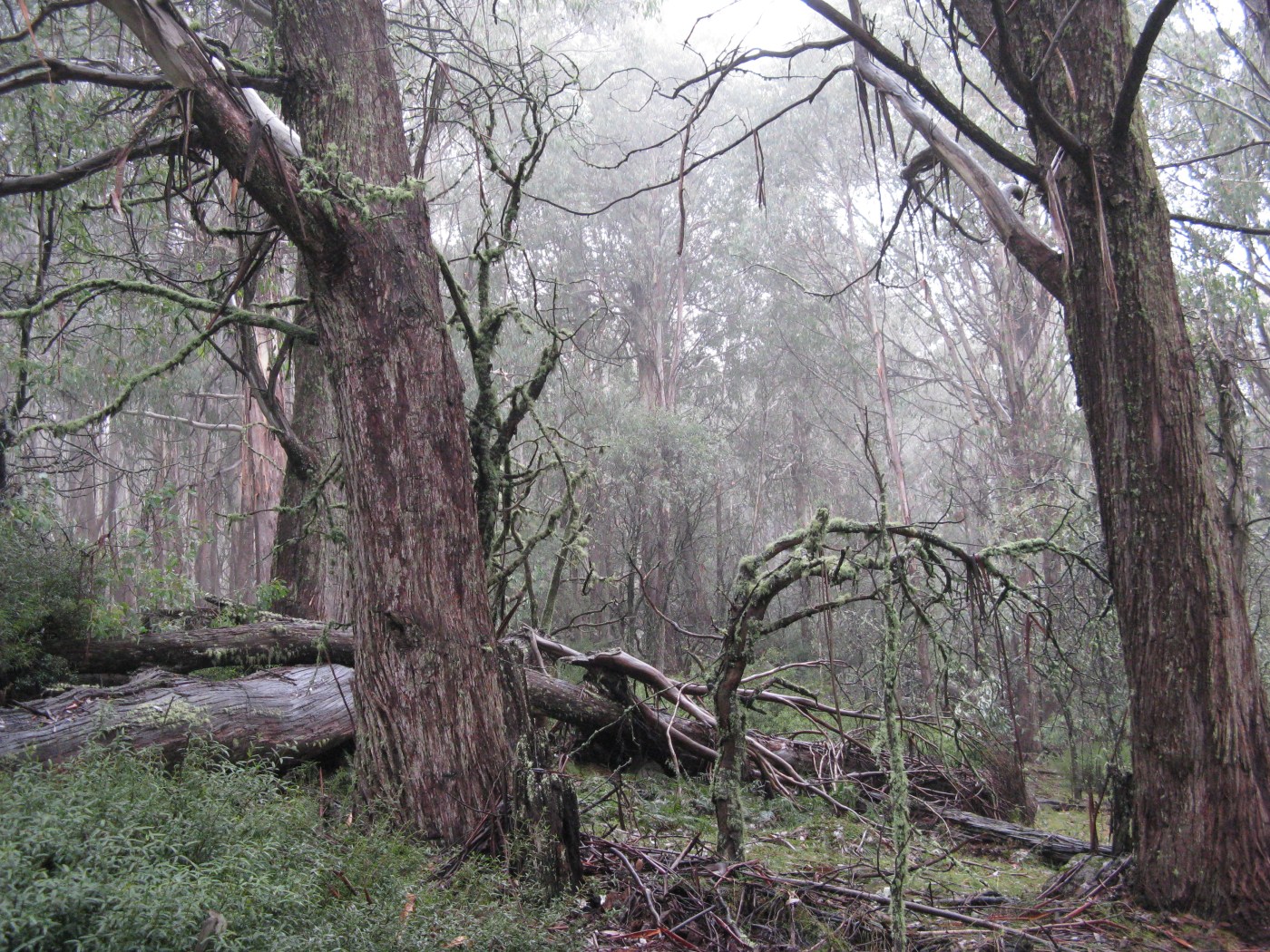
Over the past 15 years I have watched our mountain forests – alpine ash and snow gum – burn and burn. More than 90% of the Victorian distribution of snow gums has burned at least once since 2003. Climate change is creating longer and more intense fire seasons and this is changing our mountains. The world has warmed as a result of human activity and now all fire events occur in a warmer environment.

Last summer’s fires showed that we simply don’t have enough resources to fight these ‘fires of the future’.

Maybe this is where you come in.

Continue reading “Young and fit? Living in Melbourne and love the mountains? This one is for you”

Blog at WordPress.com.

Up ↑