Search

Mountain Journal

Environment, news, culture from the Australian Alps

Tag

climate change

What’s your Big Idea for climate action?

The Victorian government is required to prepare and rollout a climate strategy every five years out to 2050. However, because of the C-19 pandemic, it is well behind schedule, so the Friends of the Earth Act on Climate collective has launched a push to write a People’s Climate Strategy for Victoria and is seeking your Big Idea that Victoria could take to act on climate.

It can be something to rein in emissions or protect the community from climate impacts. What could be done in mountain areas and surrounding towns?

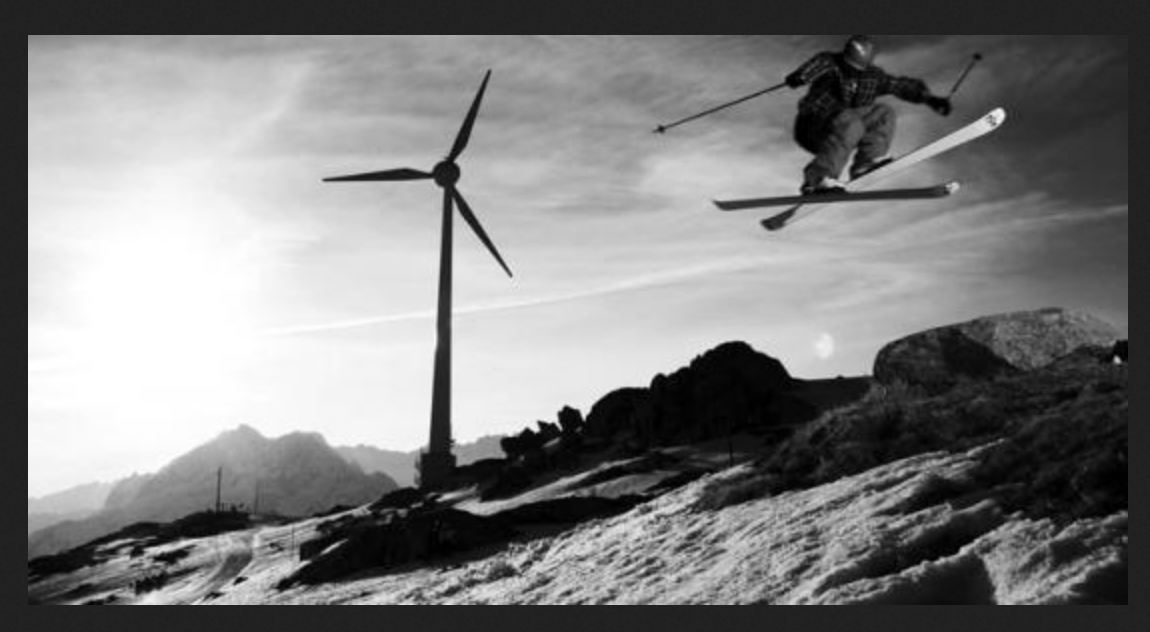
There has long been a plan for a wind turbine at Mt Hotham. There have been several bulk buy programs to get solar panels onto houses and businesses at Hotham and Dinner Plain. What about micro hydro power in ski resorts? Or protecting the carbon dense forests of the Victorian Central Highlands? Running ski resort lift operations on 100% renewable energy? Using electric rather than diesel buses in ski resorts. Or building bushfire refugees in mountain communities?

What’s your big idea that will be good for climate change and good for the mountains?

  Continue reading “What’s your Big Idea for climate action?”

SEPT 25: Join the School strike 4 climate

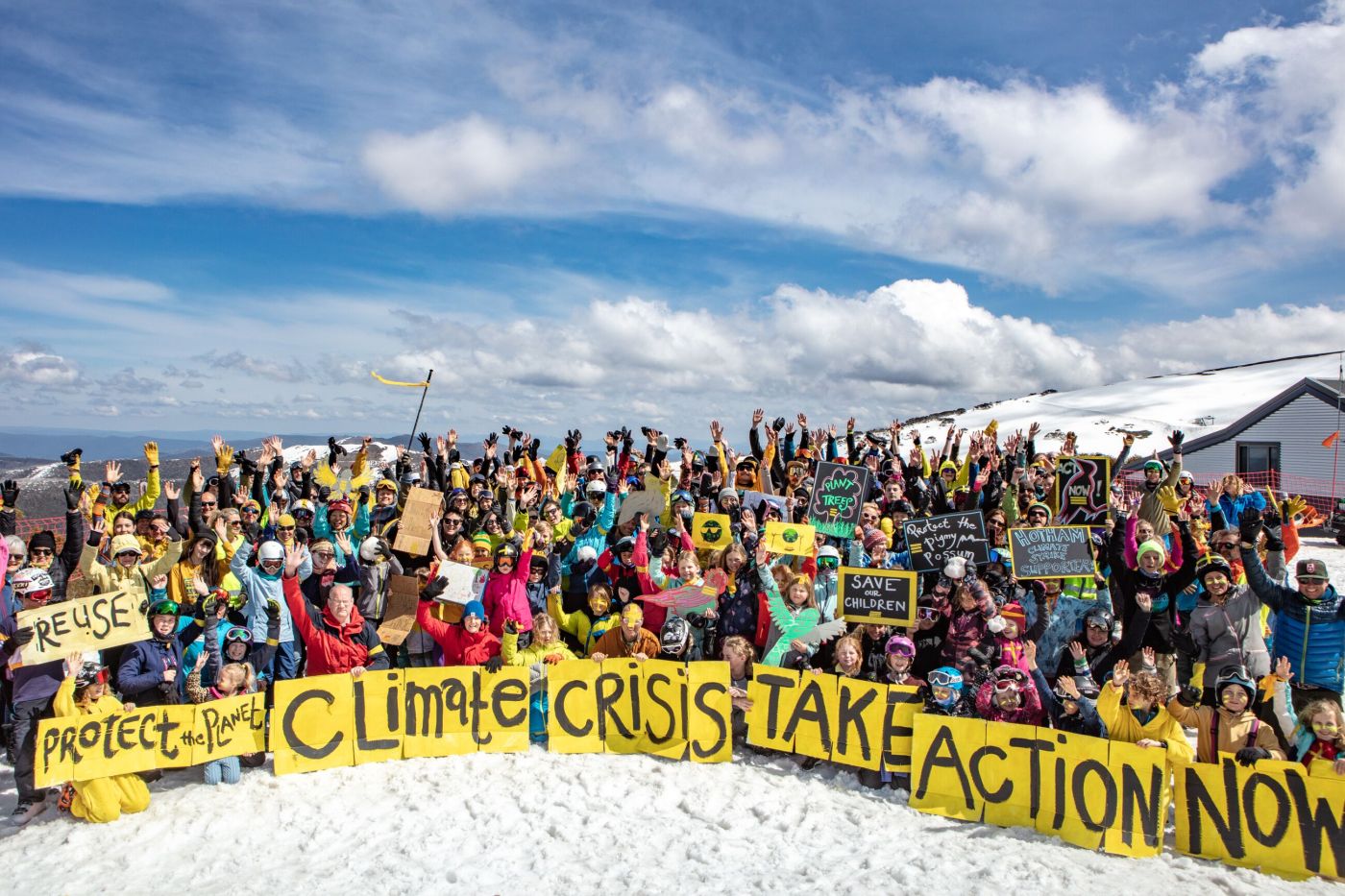
Last September, outdoor and mountain communities joined the student’s strike for climate in unprecedented numbers. A highlight for me was the colourful gathering that happened at Mt Hotham, demanding action on climate change.

On September 25, school strike for climate are organising another day of nationwide actions and they would welcome your involvement.

Continue reading “SEPT 25: Join the School strike 4 climate”

Expedition Climb8 heading to VIC

Expedition Climb8 is an all-female 800km winter traverse of the Australian Alps, for climate action.

They started their journey on 5th July in Brindabella National Park in the ACT and intend to finish at Mount Baw Baw in Victoria, 8 or 9 weeks later. ‘We aim to be the first winter team to summit all 28 named and unnamed peaks and knolls above 2,000m in the Kosciuszko National Park and the highest 10 peaks in the Victorian Alpine National Park’. They have had  some very difficult conditions and injuries, but keeping on moving. They are almost 4 weeks into the trip.

They are currently getting close to the VIC/NSW border.

Continue reading “Expedition Climb8 heading to VIC”

Parliamentary Inquiry into tackling the extinction crisis in Victoria

We rely on healthy ecosystems for our survival. Victoria is the most cleared state in the country and natural ecosystems have faced centuries of land clearing, logging, invasion of invasive species and other threatening processes. The mountains that we love are already under threat from climate change: as fire seasons become longer and more intense, and as winter snowpack declines.

Now the Victorian parliament has announced an Inquiry into Ecosystem Decline. This is an important opportunity to show that the community wants to see ecosystems restored and species protected from extinction.

Please read on for ideas on how to write a submission to the Inquiry.

Continue reading “Parliamentary Inquiry into tackling the extinction crisis in Victoria”

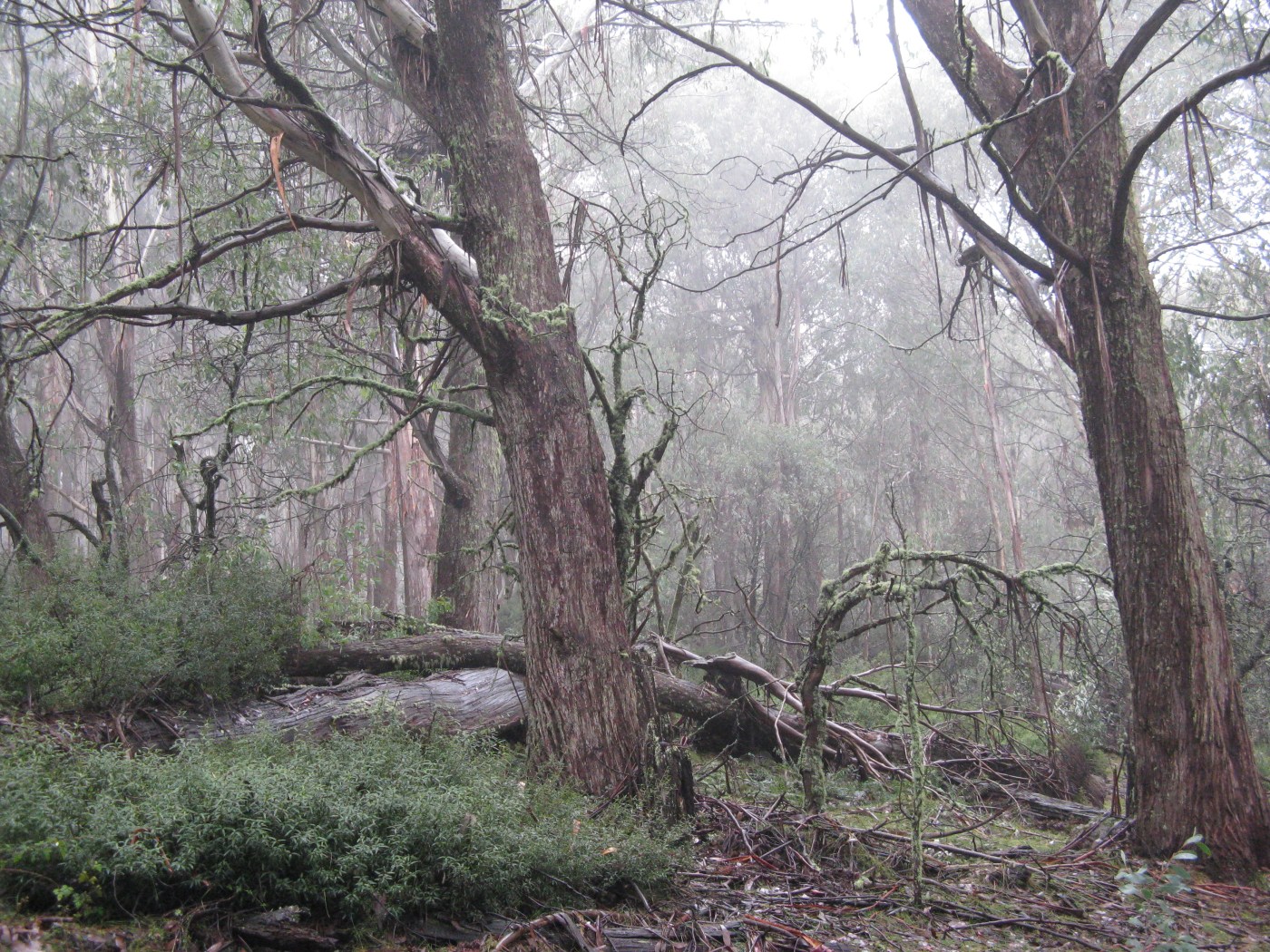
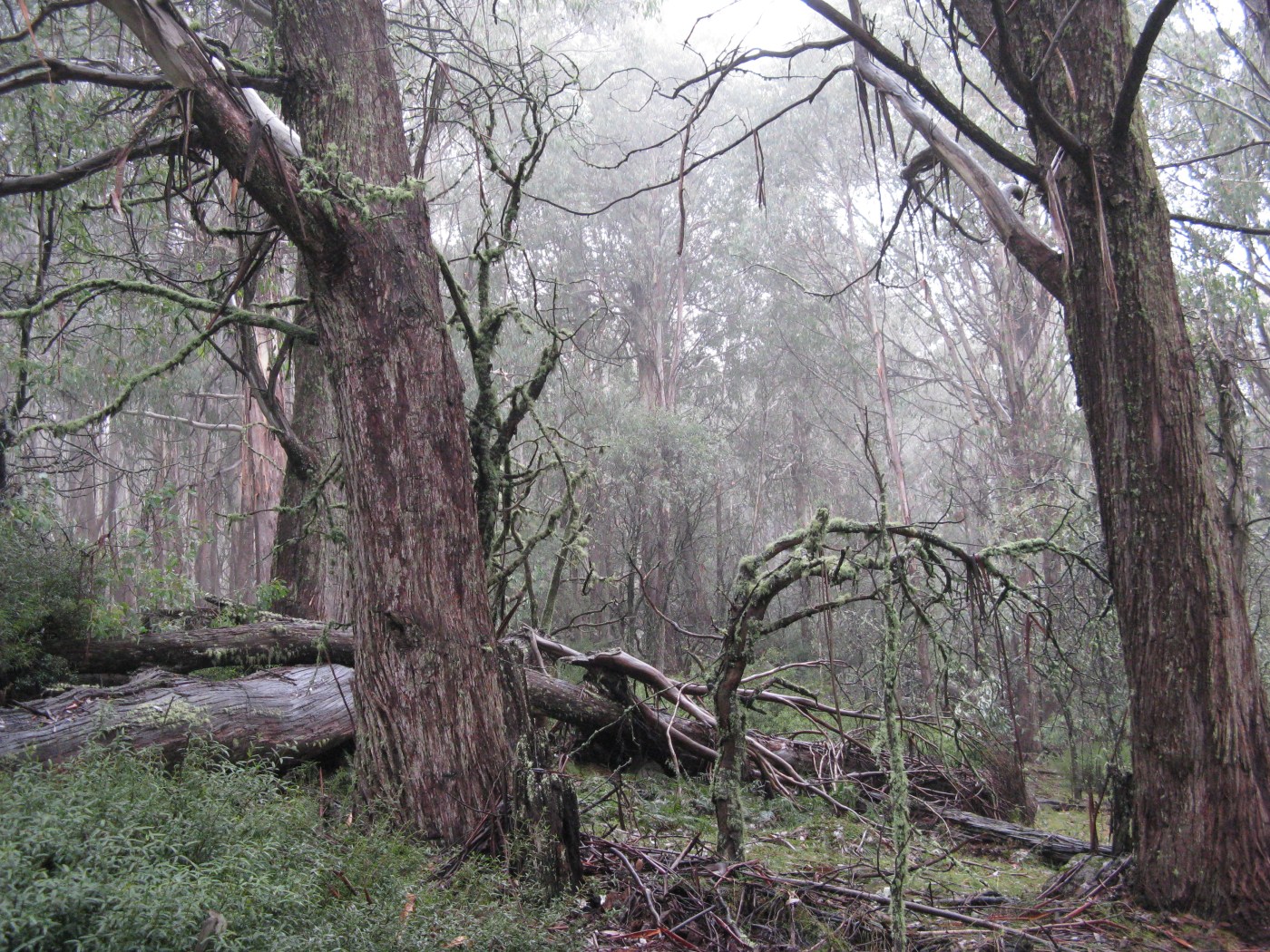
There is only 0.47% of old growth alpine ash left in the Central Highlands

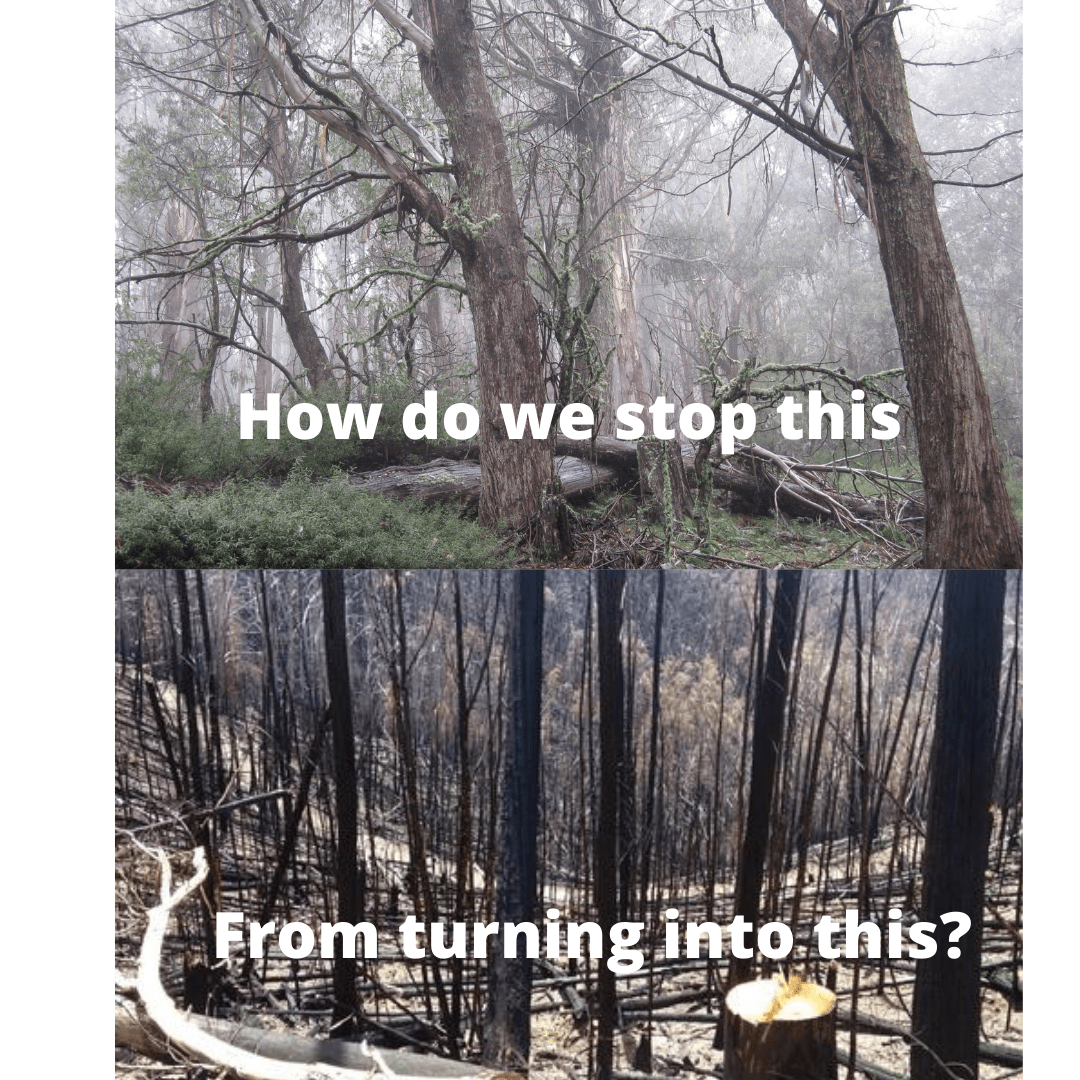
Alpine Ash, a quintessential tree of the Australian Alps, which is restricted to higher elevations, mostly between 900 m and 1,450 m in Victoria and southern New South Wales, has had 84% of it’s range burnt since 2002. Fires have burnt 84% of the bioregion’s 355,727 hectares of alpine ash forest, with 65% burnt in 2002/03 in the north of the Alps, 30% burnt in 2006/2007 in the south, and a smaller area (2%) burnt in 2009. Four per cent of the forest area was burnt twice within five years. And last summer, additional areas were burnt in the east of the state. This has led to scientists warning that large sections of Alpine Ash forests are on the verge of collapse.

And world renowned forest researcher David Lindenmayer says that only 0.47% of old growth alpine ash is left in the Central Highlands of Victoria. Let that sink in for a moment. The amount of old growth in the east and north east of the state is not known. But these areas have been heavily burnt in recent years, with ‘at least’ 10,000 ha of the forest community on the verge of collapse.

Continue reading “There is only 0.47% of old growth alpine ash left in the Central Highlands”

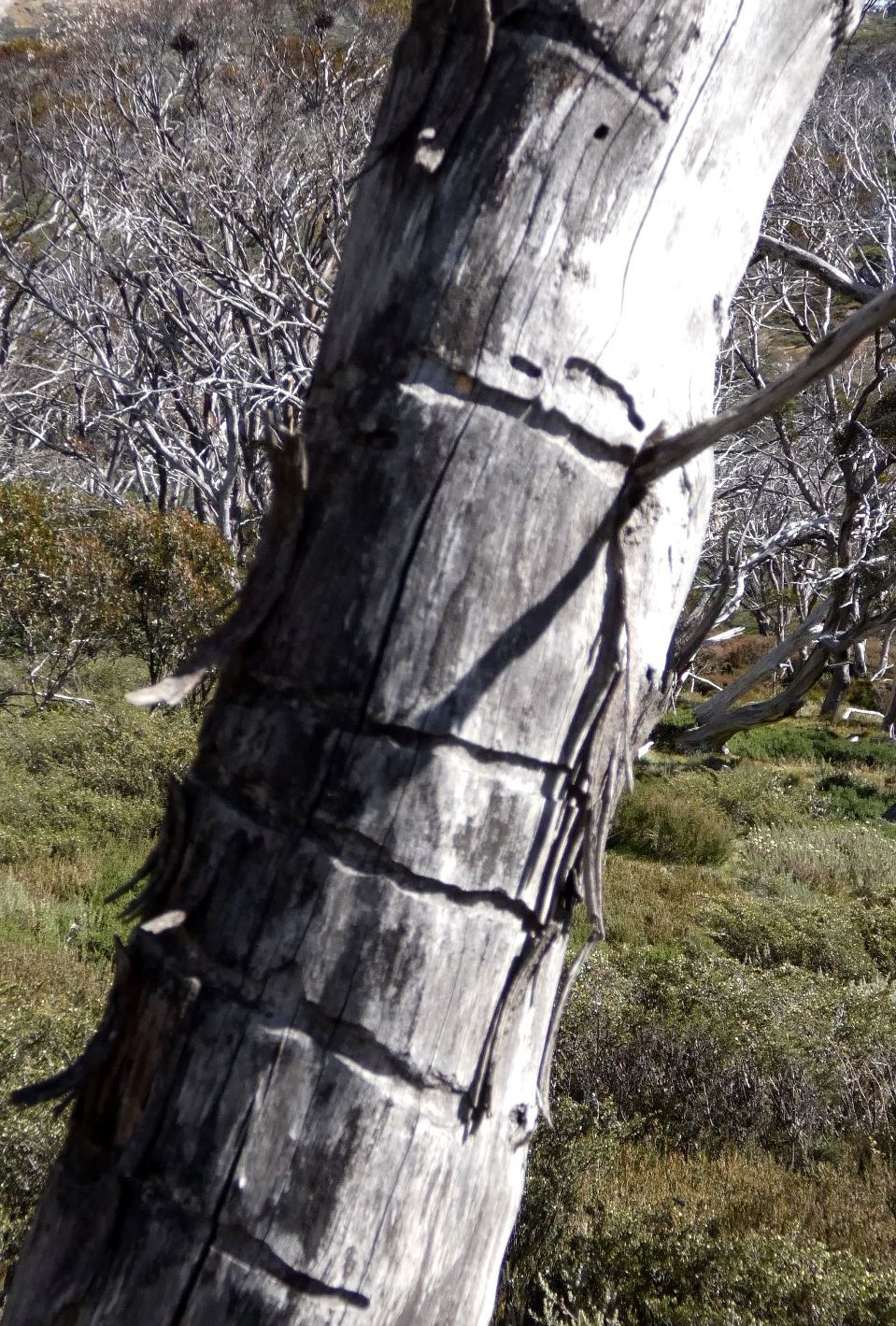
Research into Snow Gum dieback continues

Snow gums are experiencing dieback in Kosciuszko National Park, largely because of the impacts of the native longicorn (or ‘longhorn’) beetle. These beetles prefer to lay their eggs on moisture-stressed trees and, in warmer weather, the longicorn beetle can hatch and grow up to 75% faster (reports here). This has been linked to climate change because of warmer temperatures in alpine areas.

So far, impacts seem to be limited to areas in the Snowy Mountains among two distinct subspecies of snow gum – in the Guthega and Perisher areas and parts of Thredbo.

This is an update on the research into the impacts of dieback in these areas.

Continue reading “Research into Snow Gum dieback continues”

Climate change may push some species to higher elevations

We know that climate change poses an existential threat to the mountain environments that we love. A new study reveals that mountain-dwelling plants and animals fleeing warming temperatures by retreating to higher elevations may ‘find refuge from reduced human pressure’.

Being northern hemisphere based, it is of limited value here in Australia because our habitation in, and use of, mountainous areas is very different to Europe or Asia. However, it is another reminder that, as species, move uphill as temperatures climb, there is a real risk that true alpine environments will ‘run out of mountain’ and be lost for all time.

Continue reading “Climate change may push some species to higher elevations”

Fire impacts on the alpine treeline

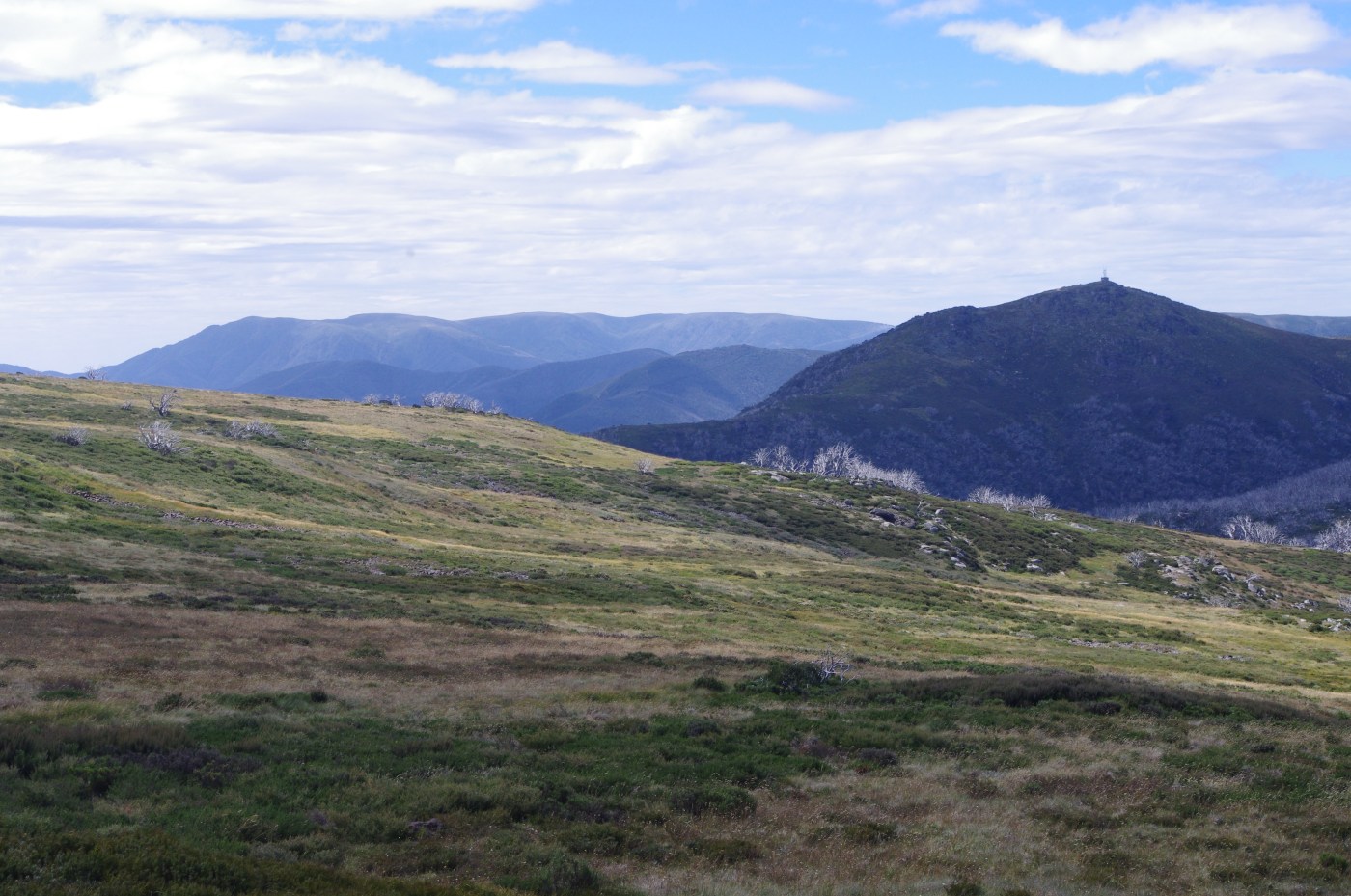
Australia only has a tiny portion of it’s landmass which is sub alpine or alpine. We know that climate change is already impacting on mountain environments, and without meaningful action to reduce greenhouse emissions, this will only continue.

The true alpine zone, that area above the treeline, is tiny relative to the landmass. The tree line is the highest elevation that sustains tree growth and is around 1,800 metres above sea level in mountain areas on the mainland (lower in Tasmania). The tree line is mainly defined by the gradual disappearance of snow gums (Eucalyptus pauciflora), which are a type of Eucalyptus that can withstand the severe cold and dry conditions of the mountains. The tree line is defined by temperature, not altitude, which explains why Australia has a lower tree line than most other countries.

As the climate warms, it can be expected that snow gums will be able to colonise the open alpine terrain above. This will lead to the loss of the true alpine vegetation, as these communities are ‘pushed off the top’ of the mountains and replaced by snow gum woodland. New research sheds light on this process, and has shown the role that fire plays in how snow gums encroach of alpine zones.

A research paper titled ‘Alpine treeline ecotone stasis in the face of recent climate change and disturbance by fire’ (available here) and authored by Aviya Naccarella, John W. Morgan, Seraphina C. Cutler, and Susanna E. Venn considers the interaction between fire, climate change and the treeline. In short, and as you would expect, this research suggests that more frequent fire slows the rate of colonisation of trees above treeline.

Continue reading “Fire impacts on the alpine treeline”

#CrushItForClimate

Back in early March (that seems like two years ago) Protect Our Winters (POW) launched #CrushItForClimate which asked people who love the outdoors to support POW’s efforts to ‘educate, organize and advocate on climate change’.

The idea was to get outdoors and do what you love, while also supporting POW’s work. Since then, more than 400,000 people have been inspired to embark on a climate advocacy journey while scaling and achieving their goals, even as the Coronavirus lockins started.

If you check the Instagram account there are wonderful images of people running, climbing, skiing, riding, and paddling in incredible landscapes. But now its starting to transition into indoor pursuits. It’s definitely worth a look for some couch bound inspiration.

Continue reading “#CrushItForClimate”

‘Australia’s Environment Report’ identifies impacts on alpine areas

The annual Australia’s Environment Report summarises a large number of observations on the trajectory of our natural resources and ecosystems. It is prepared by the Centre for Water and Landscape Dynamics at the Australian National University (ANU).

As part of their report for 2019, they prepared an assessment of alpine areas. With hot weather, terrible fires, and dry conditions we already know how bad summer was for the mountains. This report quantifies some of the impacts.

Continue reading “‘Australia’s Environment Report’ identifies impacts on alpine areas”

Interview: Vicki Adams

Vicki recently helped establish Outdoors People for Climate Action, which aims to engage people who work in or love the outdoors with the Climate Movement. This will help to mobilise a group of people with strong connections to wild and natural places, and connect them with the movement which is working to protect these areas from the long term impacts of climate change.

Vicki has decided to devote 2020 to climate action. As part of our series of interviews with people with connections to the mountains and outdoors, Vicki shared some thoughts on her work and connections to place.

The interview is available here.

Energy experts call for halt to Snowy 2.0

Back in 2017, the Federal Government announced a feasibility study into the possible expansion to the Snowy Hydro Scheme in the Snowy Mountains of NSW.  It was billed as being a circuit breaker in the ongoing impass in the ‘fossil fuels vs renewables’ energy debate because it would be renewable energy that will provide baseload capacity. The project would greatly enhance the pumped hydro capacity of the existing hydro scheme, meaning that water can be used multiple times to produce electricity.

While some environmentalists gave in principle support to the project, many wanted to see the details on what the physical environmental impacts of the project would be. In 2019, the NSW government released the Environmental Impact Statement (EIS) into the project. This showed the level of physical impact of the project. The National Parks Association of NSW said in response that the EIS ‘proposes a completely unacceptable level of damage to Kosciusko National Park’. It has been expected that the project will soon receive approval for its EIS from the NSW government.

Now a group of thirty Australian energy experts have called for a halt to the hydro scheme.

Continue reading “Energy experts call for halt to Snowy 2.0”

Blog at WordPress.com.

Up ↑