Search

Mountain Journal

Environment, news, culture from the Australian Alps

Tag

land management

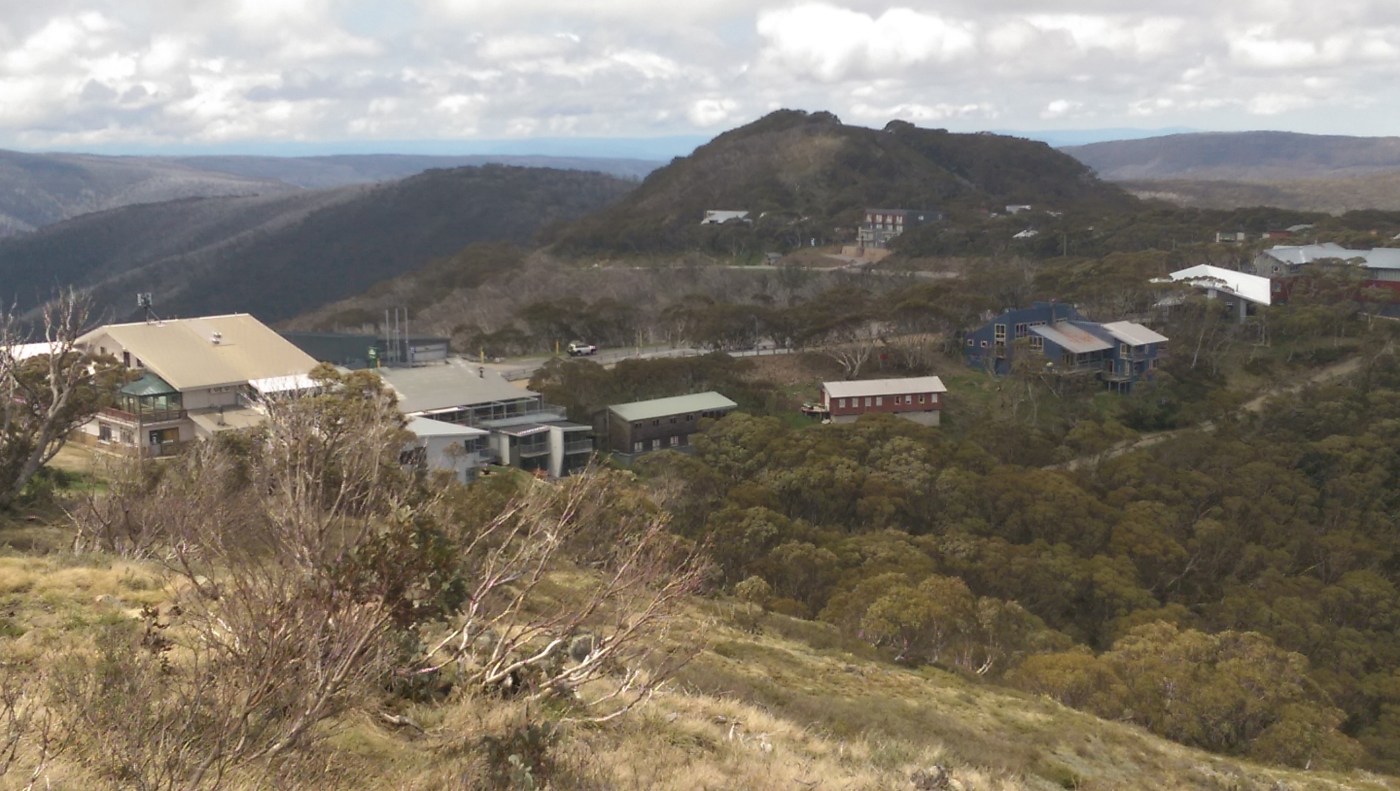
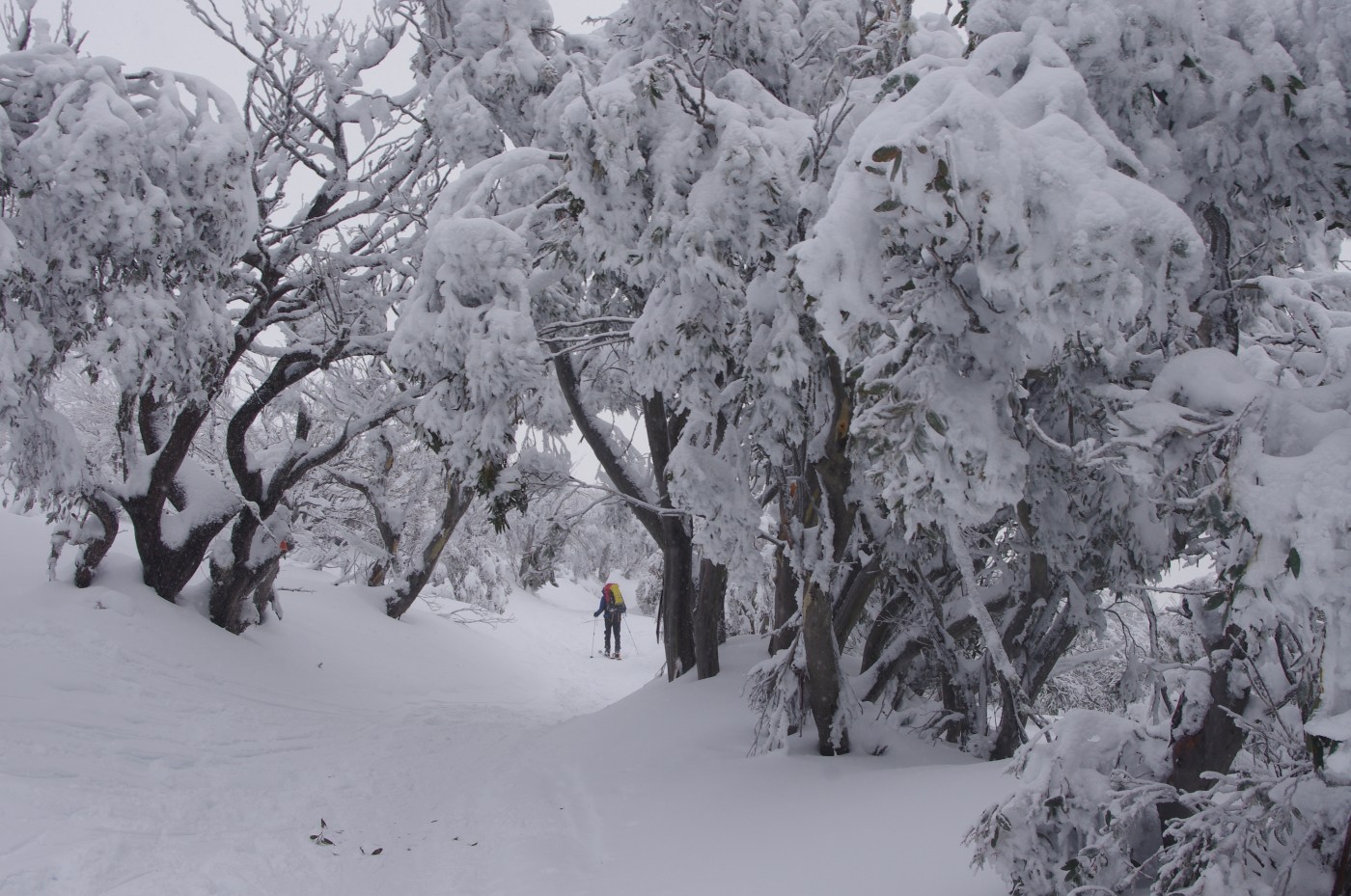
Time to make Mt Stirling part of the Alpine Park

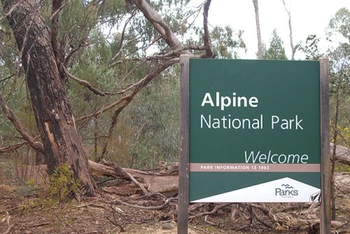
With a review of alpine resorts being carried out by the Victorian government, the Victorian National Parks Association (VNPA) has renewed its campaign to have Mt Stirling incorporated into the Alpine National Park.

There is a small window of time remaining to provide input to the review, supporting the call for the inclusion in the park. The following information from the VNPA explains how to have input into the process.

Continue reading “Time to make Mt Stirling part of the Alpine Park”

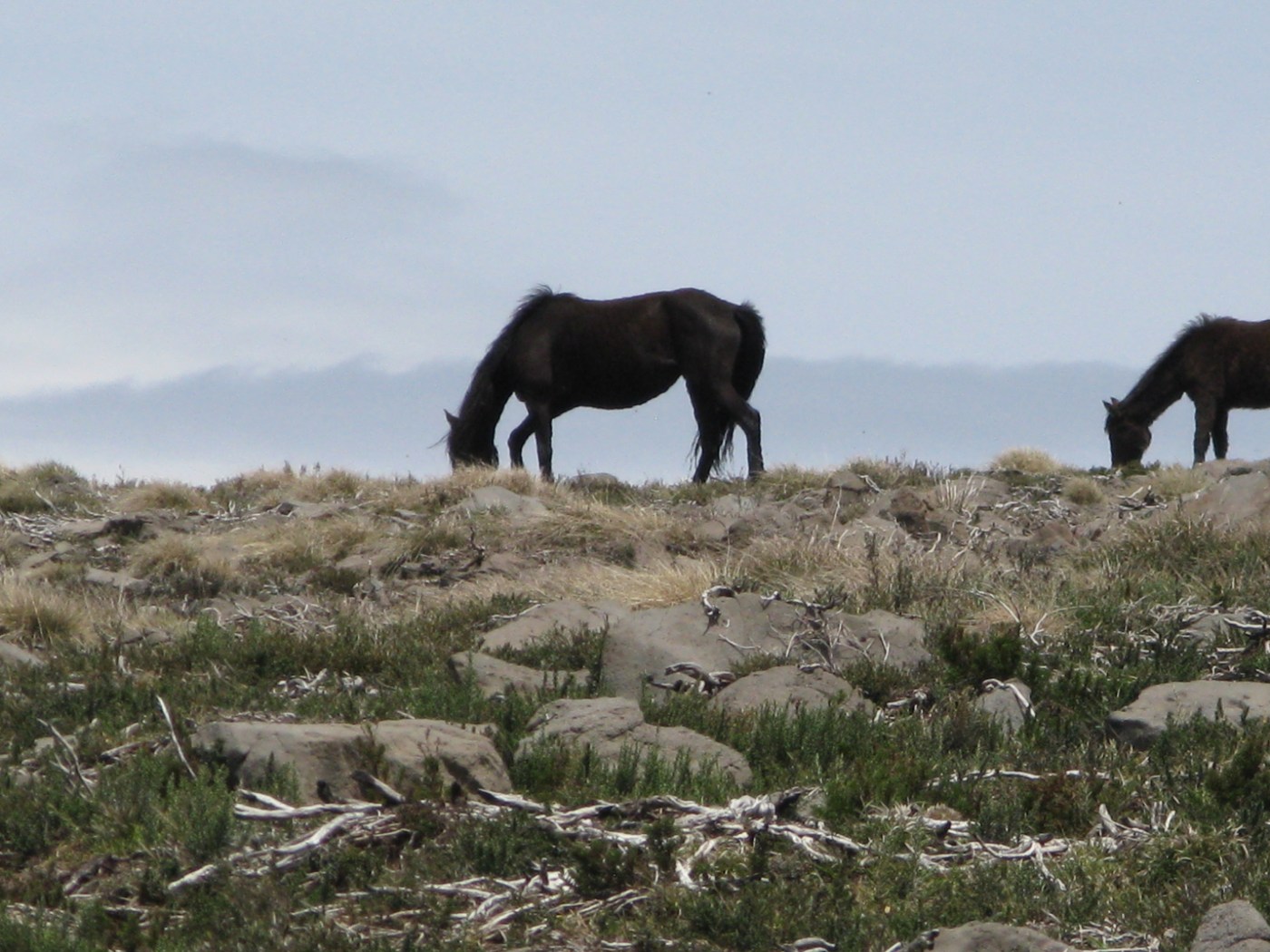
Alps blueprint proposes major cull of horses

Recently the Victorian government released a ‘blueprint’ plan for the national parks in the Alps, which aims to guide management over the next 15 years.

The plan identifies eight priorities for urgent action, one of which is feral horse control.

Peter Hunt from The Weekly Times has looked into one aspect of the plan which will cause concern among groups who have campaigned against shooting feral horses. However, the environmental impacts of wild horses are well documented and numbers of these animals needs to be radically reduced.

Continue reading “Alps blueprint proposes major cull of horses”

Senate inquiry into Tasmanian fires calls for creation of a national remote area firefighting team

The report from the Senate Inquiry into the terrible fires that happened in Tasmania last summer has now been released.

The inquiry looked at ‘responses to, and lessons learnt from, the January and February 2016 bushfires in remote Tasmanian wilderness’. The committee was chaired by Greens Senator Nick McKim.

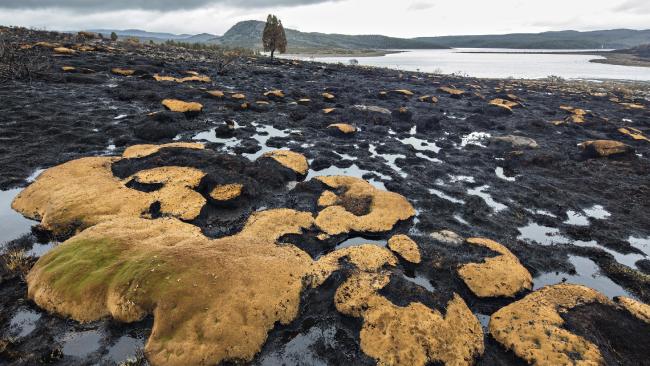
Probably the key recommendation in the report is the proposal that the state and federal governments should investigate the establishment of a national remote area firefighting team. Coalition committee members dissented, saying informal and formal relationships already exist between the state and federal governments and that the Army is also brought in when needed. However the slow pace at which a number of remote area fires were tackled indicates that there was a shortage of fire fighting resources able to be deployed quickly into remote areas. The devastation of areas such as around Lake McKenzie on the Central Plateau was compounded by the delay in getting fire fighting units into the area.

The Coalition MPs on the committee also disagreed with another call in the inquiry report for Australia to report annually to the UNESCO Wilderness World Heritage committee about the state of conservation within the Tasmanian WWHA.

Other issues raised in the report include the need to ensure adequate funding of research into how climate change will influence fires in the world heritage area. For instance, the committee recommends that the Australian Government recognise the need to enhance protection and conservation efforts in the Tasmanian Wilderness World Heritage Area by allocating increased funding:

  • to the Parks and Wildlife Service, Tasmania, for appropriate management activities and resources; and
  • for research projects aimed at providing qualitative and quantitative data specific to climate-related and ecological threats to the Tasmanian Wilderness World Heritage Area (such as dry lightning strike). It appears that the frequency of dry lightning strikes has already increased in recent decades.

The final report is available here.

Legal action planned to protect Strathbogie forests

The Strathbogie Ranges, in Victoria’s north east, contain valuable remnant forests across a range of elevations. Logging in the Ranges has long been opposed by many locals.

The Shepparton News is reporting that locals are now considering a legal challenge to the VicForests logging.

Continue reading “Legal action planned to protect Strathbogie forests”

The Mountain Legacy Project

The Mountain Legacy Project, or MLP, is “an interdisciplinary collaboration focused on exploring change in Canada’s mountain environments. Utilizing over 140,000 images taken by land surveyors from 1861 – 1953, MLP researchers seek to re-photograph these images as accurately as possible and make the resulting image pairs available for further investigation”.

It compares the original landscape shown in the early photos with ones taken in the same place over the past few years. It allows you look at the changes in many thousands of places – mountains, valleys and so on – over time. And the results are incredible. While it documents the development of towns, roads, changes in land management, the impact of logging operations and wildfire, etc, the most striking aspect is the change to snowpack and ice fields during this time.

Continue reading “The Mountain Legacy Project”

Rabbits adapting to eat snow gum leaves

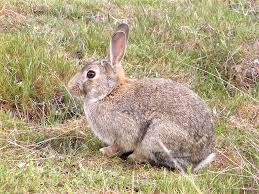
This is a worrying development. Research by the legendary Ken Green shows that rabbits are now moving into snowy mountainous areas by adapting to survive on snow gum leaves when there is limited availability of grass. These are generally toxic to most animals.

The following article by Alice Klein comes from New Scientist.

Continue reading “Rabbits adapting to eat snow gum leaves”

Summer Hawkweed Surveys

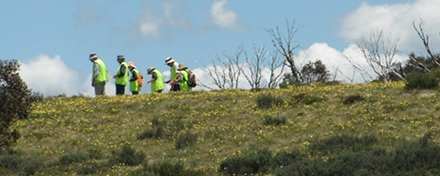
Many Mountain Journal readers will know that Hawkweed is a highly invasive plant species which can cause major environmental damage in alpine and sub-alpine areas of Australia if not eradicated early. Parks Victoria organises a series of Hawkweed surveys on the Bogong High Plains each year. If you love the Victorian Alps, the surveys are a great way to do something practical to support the ecological integrity of the mountains.

The following information comes from Parks Victoria:

Continue reading “Summer Hawkweed Surveys”

Hound hunting for deer in our Parks?

Anyone who spends time in the High Country has probably seen a deer (or several). While not as well known as wild horses in terms of environmental damage, deer are a real problem for sub alpine environments.

Recreational hunters have often argued that they are a key part of the solution to the deer problem and have recently made these claims in the Victorian parliamentary inquiry that’s currently underway.

Continue reading “Hound hunting for deer in our Parks?”

Brumby damage in alpine regions rated ‘significant’

Brumbies (wild horses) cause a huge amount of damage in the Australian high country. While it is usually the herds in Kosciusko National Park that feature in the news stories and public debates, this recent piece by Nicola Bell from The Weekly Times highlights the problems in Victoria.

Continue reading “Brumby damage in alpine regions rated ‘significant’”

Thirty years of co-operative management of the Alps

National Parks now cover much of the higher terrain in the Australian Alps, from the Baw Plateau to the east of Melbourne, all the way across the mountains almost to the outskirts of Canberra.

Those of us who enjoy these parks owe a great debt to the people who argued for the creation of the reserves in the first place, and to the generations of land managers that have looked after them.

While it is a discrete series of parks in Victoria, NSW and the ACT, there is also overall co-ordination of the parks through a Memorandum of Understanding (MoU) between the three state and territory and federal governments.

The MoU has allowed the Australian Alps to be managed co-operatively by the various agencies. Treating the Alps as a single bioregion makes a lot of sense, especially in a time of climate change. Yet like all good government decisions, the concept of co-operative management didn’t just appear. It took decades of work by a range of big picture thinkers and visionaries, and engagement in political processes at many levels that saw the creation of the agreement.

The current version of News from the Alps is dedicated to the co-operative arrangement and includes a potted history of the processes that lead to the signing of the MoU.

Whereas in the early stages after European colonisation, the Alps were seen largely as summer grazing grounds for cattle and sources of wood, gold and other materials, the history in the newsleter makes it clear that there was concern about the state of the Alps from the early to mid 1940s.

Continue reading “Thirty years of co-operative management of the Alps”

Strengthening Parks Victoria – Your vision for parks

Parks Victoria is asking the community to ‘share your experiences, expectations and aspirations for parks’ via a website and series of community forums. This is happening as part of the Strengthening Parks Victoria project.

PV says:

‘As part of the Strengthening Parks Victoria project, we will be looking at your stories, comments, and advice to us, to help better understand what values parks have to you, and what we can do to enhance your enjoyment of Victoria’s incredible natural settings.

This information will help us to celebrate with you the spectacular landscapes, habitats and places we have managed for nearly 20 years, and understand how we must evolve in the future to deliver the best outcomes for Victorians, visitors, our economies, and the incredible Country we care for.’

On their website you can:

Tell PV about how you enjoy and experience Victoria’s parks

Provide ideas on how to improve the experience of visiting parks

Ethics, Culture and Wild Horses

Mountain Journal has often featured pieces on the issue of wild horses in the Australian High Country.

Public debate has hit a recent high point because both Victoria and NSW have updated their positions on horse management, with both states noting the significant negative environmental impacts of this introduced species.

The following article comes from The Conversation, and is by ecologist Don Driscoll who notes that while many in Australia hold a ‘cultural affiliation with horses’ there are other ways to celebrate this connection than ‘by having horses in fragile alpine ecosystems where they cause environmental damage’.

Continue reading “Ethics, Culture and Wild Horses”

Blog at WordPress.com.

Up ↑