Search

Mountain Journal

Environment, news, culture from the Australian Alps

Tag

Snowy Mountains

Approval of Snowy 2.0 EIS sets ‘appalling precedent’

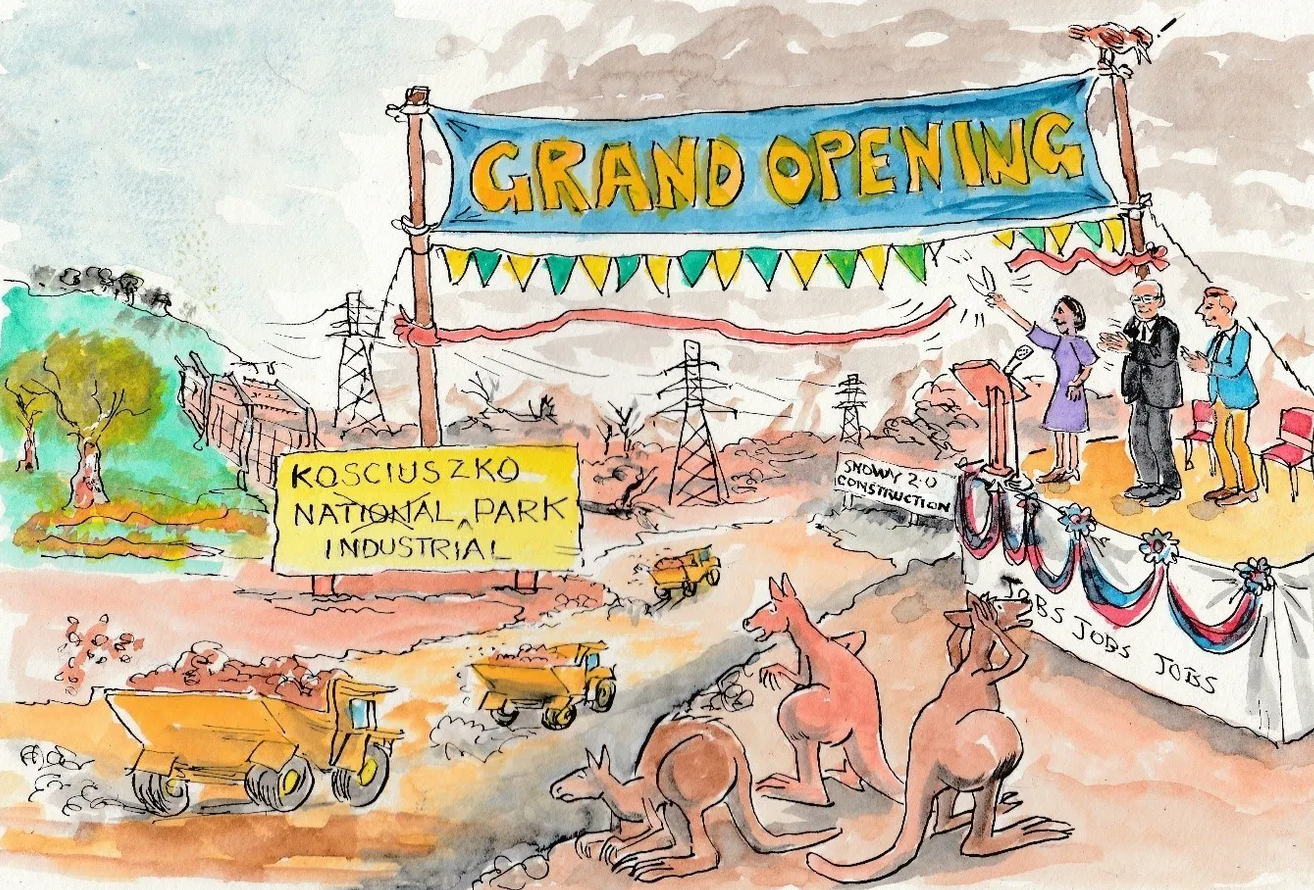
The Snowy Hydro 2.0 expansion started as a good idea. As the scale of the physical impact of the project became more obvious during the approvals process, environmental groups started to oppose it. After the release of the Environmental Impact Statement (EIS) the NSW National Parks Association said that the plan ‘proposes a completely unacceptable level of damage to Kosciusko National Park’.

It has now received planning approval from the NSW state government, despite ongoing objections over the project’s environmental impacts.

Continue reading “Approval of Snowy 2.0 EIS sets ‘appalling precedent’”

Research into Snow Gum dieback continues

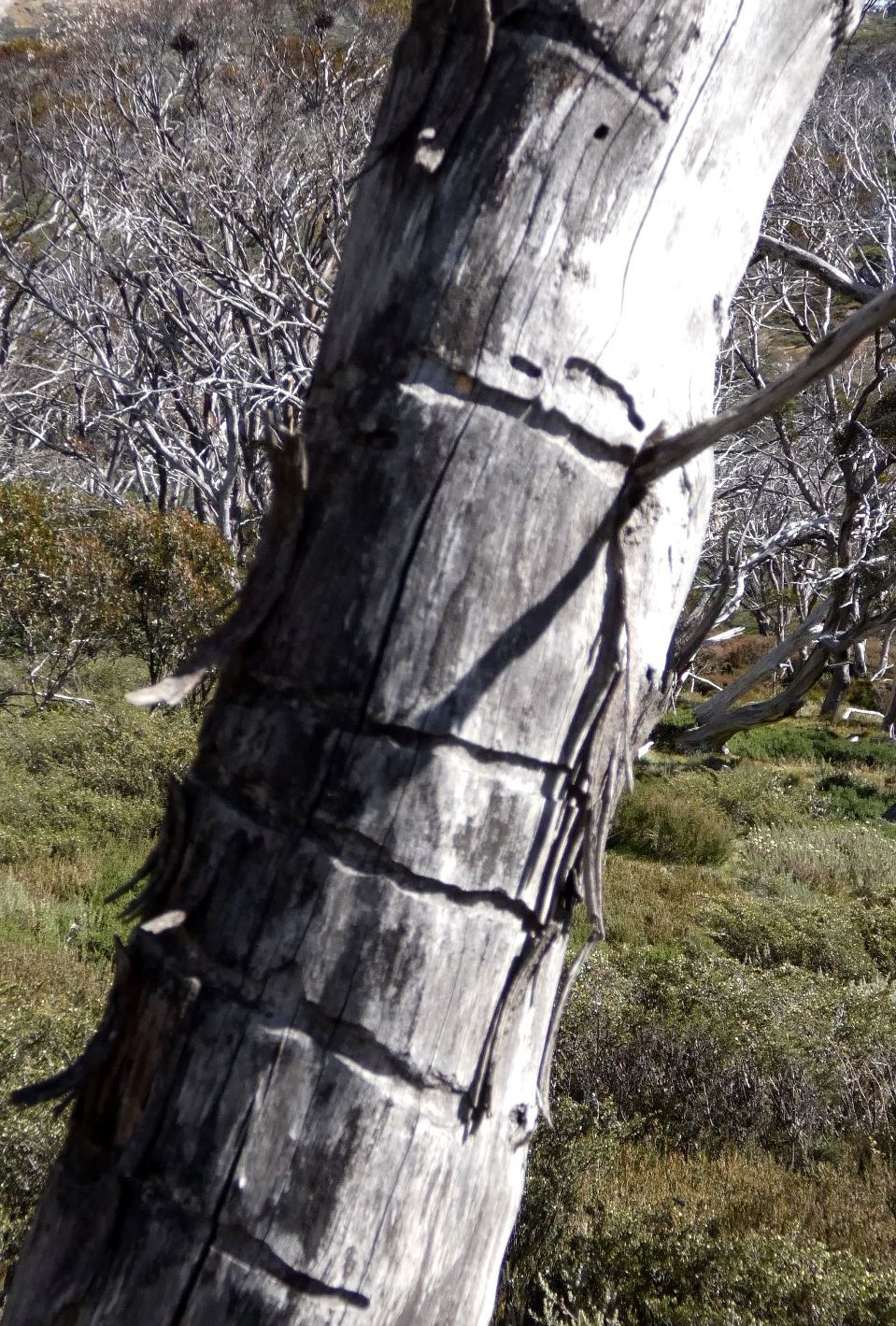
Snow gums are experiencing dieback in Kosciuszko National Park, largely because of the impacts of the native longicorn (or ‘longhorn’) beetle. These beetles prefer to lay their eggs on moisture-stressed trees and, in warmer weather, the longicorn beetle can hatch and grow up to 75% faster (reports here). This has been linked to climate change because of warmer temperatures in alpine areas.

So far, impacts seem to be limited to areas in the Snowy Mountains among two distinct subspecies of snow gum – in the Guthega and Perisher areas and parts of Thredbo.

This is an update on the research into the impacts of dieback in these areas.

Continue reading “Research into Snow Gum dieback continues”

The impacts of the Kosciuszko fires

The 2019-20 bushfire season is the most widespread and extreme that NSW has ever experienced. More than 5.4 million hectares burnt across NSW, including 2.7 million hectares of national park estate (up until 3 February 2020). In some regions, over 50% of the national park estate has been impacted.

Within Kosciuszko National Park, just over 231,000 ha, or 33.5% of the national park has burnt. The Adaminaby complex (which originated out of the Green Valley fire) and Pilot Lookout fires were finally declared extinguished on 16 February 2020.

The following report comes from The Resort Roundup (available here), published by the State of NSW and Department of Planning, Industry and Environment.

Continue reading “The impacts of the Kosciuszko fires”

Work starts on Snowy Hydro 2.0 ‘Segment Factory’

Back in 2017, the Federal Government announced a feasibility study into the possible expansion to the Snowy Hydro Scheme in the Snowy Mountains of NSW (‘Snowy Hydro 2.0’).  It was billed as being a circuit breaker in the ‘fossil fuels vs renewables’ energy debate because it would be renewable energy that will provide baseload capacity. The project would greatly enhance the pumped hydro capacity of the existing hydro scheme, meaning that water can be used multiple times to produce electricity.

While some environmentalists gave in principle support to the project, many wanted to see the details on what the physical environmental impacts of the project would be. Since then, as the environmental impacts of the project became more obvious, the movement became increasingly opposed.

Recently, a group of energy experts called on the state and federal governments to stop work on the Snowy Hydro 2.0 project.

It has also been reported that the next stage of the Snowy Hydro 2.0 expansion has been given the green light, with approval for construction of the project’s ‘Segment Factory’.

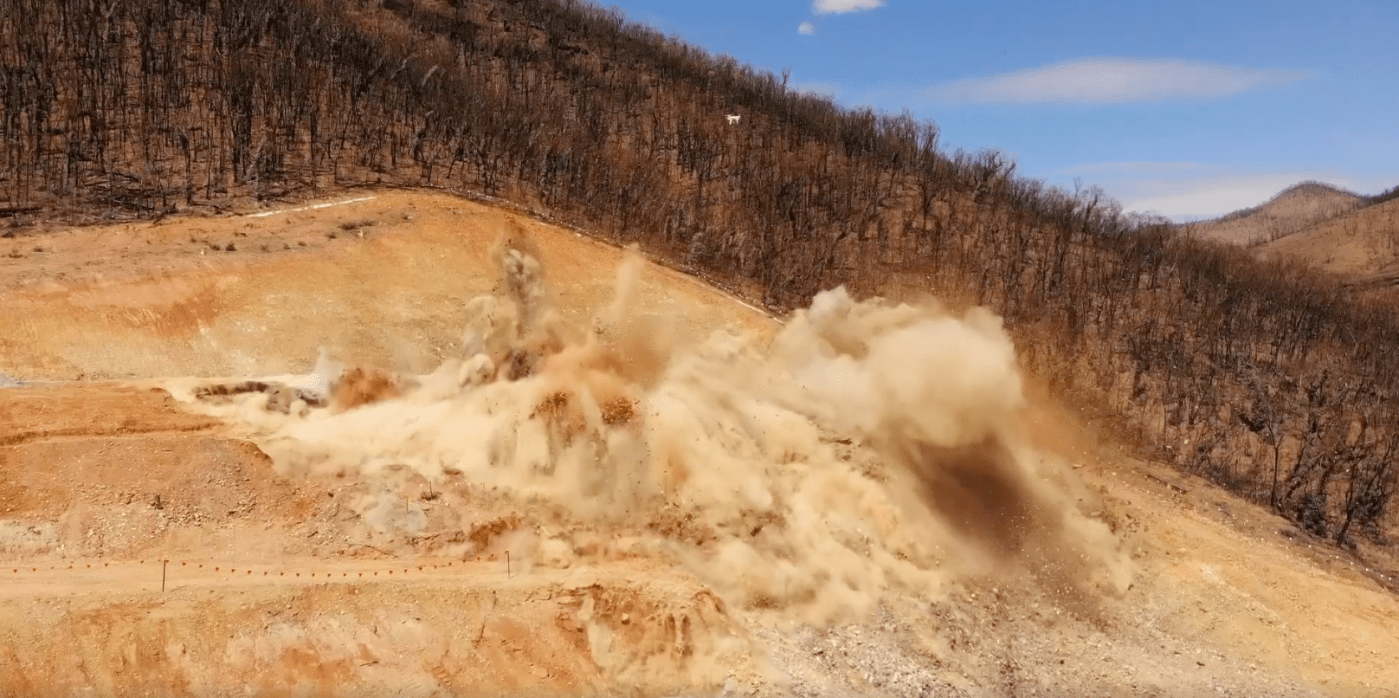
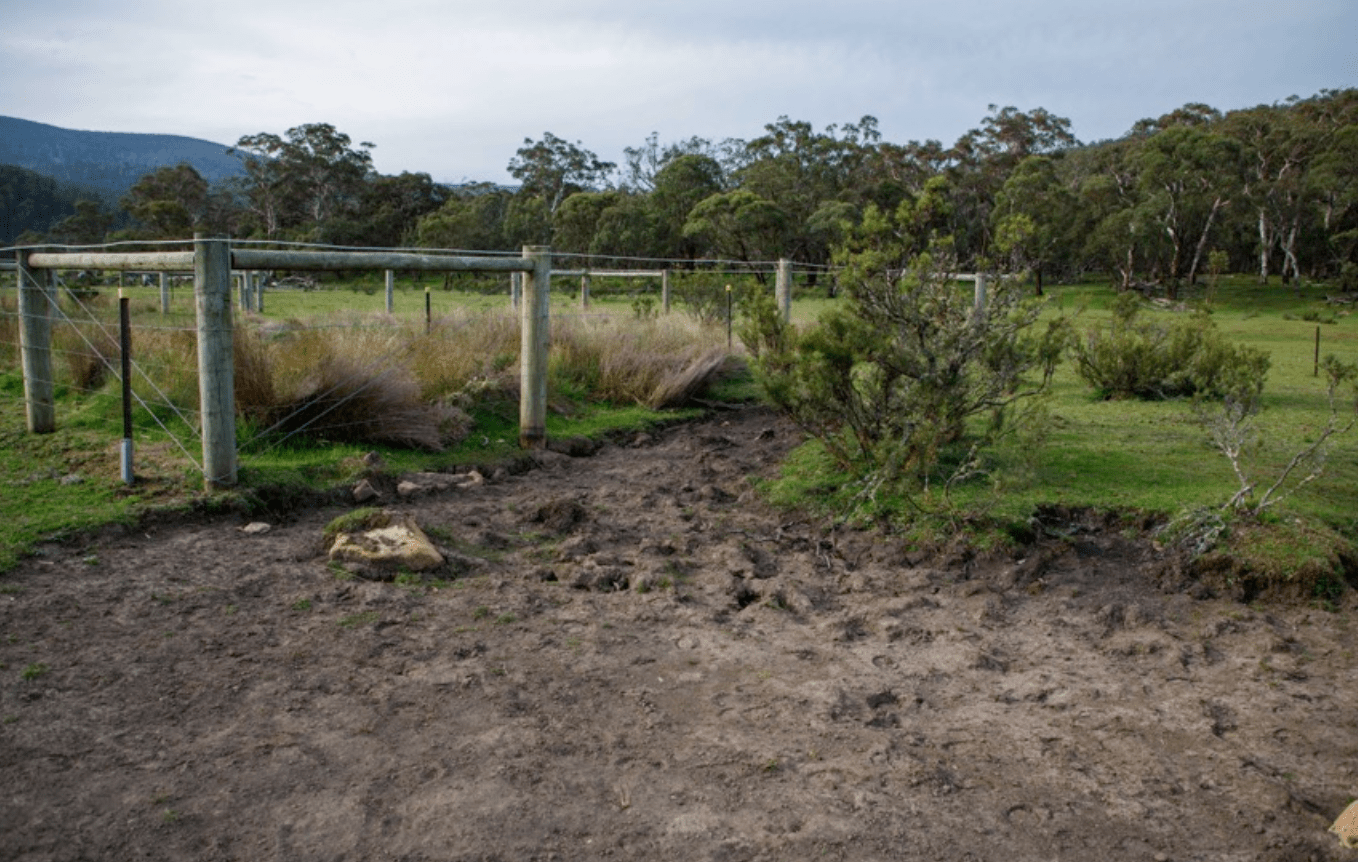
Work has now started on the facility: Snowy Hydro has already started clearing native bushland for the construction site at Lobs Hole in the heart of Kosciuszko National Park.

The NSW National Parks Association says ‘This is just the beginning. Snowy 2.0 will permanently destroy 1000’s of hectares of Kosciuszko, and dump 20 million tonnes of contaminated tunnel spoil, the equivalent of covering Sydney Harbour Bridge and its surrounds’.

The NSW Minister Planning, Rob Stokes, and NSW Minister for the Environment and Energy Matt Kean is expected to make their final decision on approvals for the project ‘any day’.

Check here for additional information on the project from the NSW National Parks Association (NSW NPA).

Take Action

The NSW NPA is asking people to send a letter to the NSW government urging them to not sign off on final environmental approvals.


Snowy Hydro 2.0 gets approval for factory

Just a week or so after a group of energy experts called on the state and federal governments to stop work on the Snowy Hydro 2.0 project, it has been reported that the next stage of the Snowy Hydro 2.0 expansion has been given the green light, with approval for construction of the project’s ‘Segment Factory’.

Continue reading “Snowy Hydro 2.0 gets approval for factory”

Energy experts call for halt to Snowy 2.0

Back in 2017, the Federal Government announced a feasibility study into the possible expansion to the Snowy Hydro Scheme in the Snowy Mountains of NSW.  It was billed as being a circuit breaker in the ongoing impass in the ‘fossil fuels vs renewables’ energy debate because it would be renewable energy that will provide baseload capacity. The project would greatly enhance the pumped hydro capacity of the existing hydro scheme, meaning that water can be used multiple times to produce electricity.

While some environmentalists gave in principle support to the project, many wanted to see the details on what the physical environmental impacts of the project would be. In 2019, the NSW government released the Environmental Impact Statement (EIS) into the project. This showed the level of physical impact of the project. The National Parks Association of NSW said in response that the EIS ‘proposes a completely unacceptable level of damage to Kosciusko National Park’. It has been expected that the project will soon receive approval for its EIS from the NSW government.

Now a group of thirty Australian energy experts have called for a halt to the hydro scheme.

Continue reading “Energy experts call for halt to Snowy 2.0”

#RollOnBack to mountain towns this autumn

Finally, after affecting more than 1.5 million hectares of Victoria, all the fires are out. It’s the same story in NSW and the ACT and towns are fully ‘open for business’. Of course all mountain areas have suffered economically over summer, with lost business and less work. While some areas remain closed (for instance, significant sections of the Australian Alps Walking Track remain closed) the vast majority of mountains areas are getting on with life.

Now is the time to get out and visit mountain areas and spend up big, to help communities get back on their feet.

Continue reading “#RollOnBack to mountain towns this autumn”

Show your support for horse removal from the Snowy Mountains

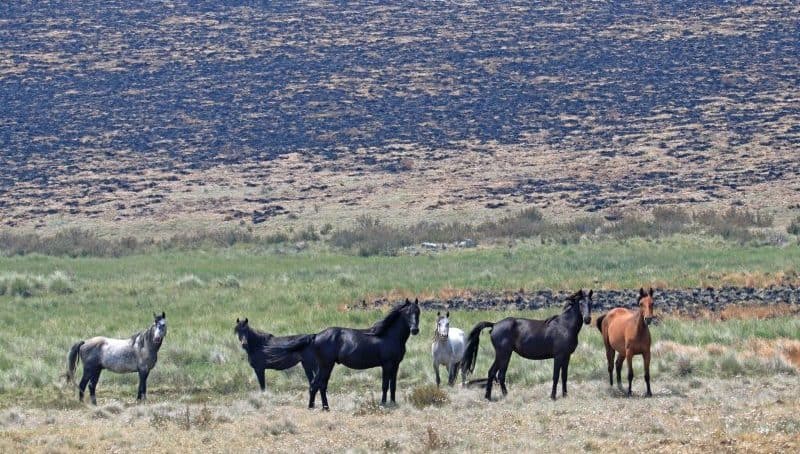
Following this summer’s fires, which burnt roughly 12% of the ‘Alpine Complex’ vegetation in the Snowy Mountains, there are growing concerns about the impact of wild horses on already fragile country that is now recovering from fire.

The current NSW government has continually failed to act to protect the NSW High Country, by refusing to support horse removal programs. But in a surprise move, the NSW environment minister, Matt Kean, recently announced that ‘about’ 4,000 feral horses will be removed from Kosciuszko national park as ‘part of an emergency response to protect the alpine ecosystem after large areas were devastated by bushfires’.

The move would be the largest removal of horses in the park’s history.

Continue reading “Show your support for horse removal from the Snowy Mountains”

What are the ecological costs of this summer’s fires?

In late November, fires started in East Gippsland as a result of lightning strikes. As noted by Peter Gardner, these went on to become major blazes. On new year’s eve, lightning storms started fires across the Victorian mountains and fire season came to the Alps with a vengeance.

Since then, huge areas of the Victorian Alps and Snowy Mountains have burnt. As at January 14, many of these are still going and, of course, the key priority is containing them.

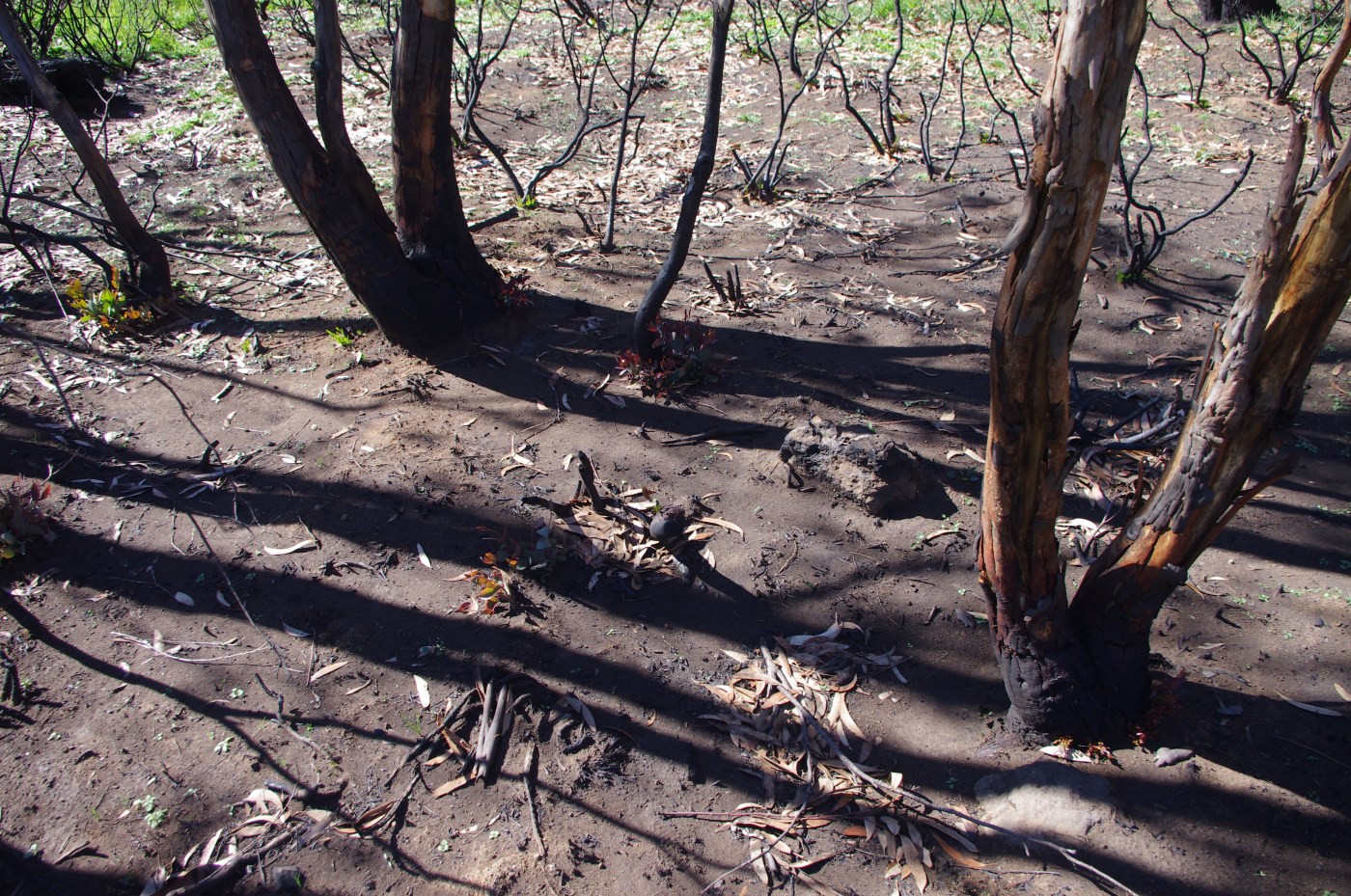
But once it’s all over, we will need to count the ecological cost of these fires. Some areas in the Alps have now burnt three times in about 15 years. There is no doubt that longer fire seasons, driven by climate change, are already impacting on mountain and foothill environments.

The short answer at this stage is that we just don’t know what the full ecological impacts of these fires will be.

The following is a fairly random collection of reports on local impacts of the fires on mountain areas. It focuses on ecological values and impacts. Of course, this does not mean that human and economic impacts don’t matter. The narrow focus here is simply to try and share some information about what the impacts will be on natural systems, as the other stories are already being told widely in mainstream media. It will be added to as areas are re-opened to the public. I would welcome your reports for inclusion: please email text and stories to cam.walker@foe.org.au

Continue reading “What are the ecological costs of this summer’s fires?”

Big fire day across the mountains

[WED Jan 1UPDATE: I am away with the CFA at present and not in a position to update this page until further notice so please don’t rely on it for updates – please check the relevant government agency websites which you will find if you scroll down. Thanks]

There are some links on how to support recovery and emergency efforts available here.

And I’m still doing some updates on the Mountain Journal facebook page, mostly around park and road closures.

[Monday December 30 2019]

Here we go. We have a long, hot, scary day ahead of us, with extreme fire risk across all mountain areas.

In Victoria, authorities are calling on all people in East Gippsland (east of Bairnsdale) to leave the area, in case the Princes Highway needs to be closed. Mountain communities like Goongerah are at imminent risk of being hit by fires. The W Tree Yalmy fire is still not yet under control, nor is the Ensay Ferntree fire. Firefighters and aircraft are responding to four new fires north-west of Gelantipy which were started by dry lightning earlier his morning.

In NSW there has already been at least one small fire started by dry lightning in the Snowy Mountains (it is under control).

In Tasmania, today is a Day of Total Fire Ban, but authorities warn that tomorrow could be even worse, and that people in bushland areas should consider leaving for urban areas.

Continue reading “Big fire day across the mountains”

Snowy 2.0 will be ‘Environmental Vandalism’

The NSW government has now released the Environmental Impact Statement (EIS) for the Snowy 2.0 hydro project.

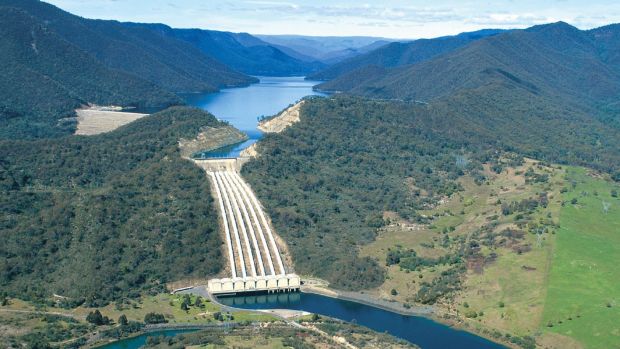
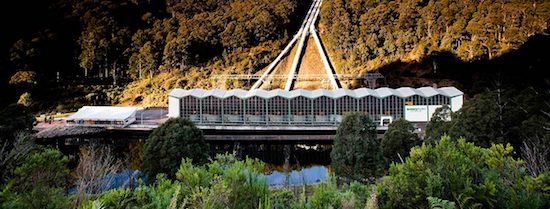
At the core of the Snowy Hydro 2.0 expansion will be the establishment of a new underground tunnel linking the Tantangara and Talbingo reservoirs and the commissioning of a new underground power station that will operate as Australia’s largest pumped hydro energy storage system.

The main works for the Snowy 2.0 project will include the removal of an estimated 9 million cubic meters of excavated rock. The federal government owned Snowy Hydro has proposed that more than half of this excavated material be relocated within either the Talbingo or Tantangara reservoirs, with the remaining material used to establish permanent structures, or for land forming.

While the prospect of a renewed Snowy Hydro scheme, operating as the ‘battery’ for the eastern seaboard, has appeal from a climate angle, it has not – until now – been clear what the physical footprint of the project might be. The EIS outlines the likely direct impacts of the works that would be required under the scheme. The National Parks Association of NSW (NPA) says that the EIS ‘proposes a completely unacceptable level of damage to Kosciusko National Park’.

Continue reading “Snowy 2.0 will be ‘Environmental Vandalism’”

Australia’s largest avalanche on record?

Mountain Sports Collective (MSC) is reporting a large avalanche on the Etheridge Ridge in the Main Range of the Snowy Mountains and other avalanche activity in the area, including Leatherbarrell Creek. A person was caught in the main slide and partially buried, but was uninjured. This highlights the need to be very mindful of conditions in the backcountry at present.

Continue reading “Australia’s largest avalanche on record?”

Blog at WordPress.com.

Up ↑