Search

Mountain Journal

Environment, news, culture from the Australian Alps

Tag

World Heritage

Controversial Walls of Jerusalem camp approved by federal environment department

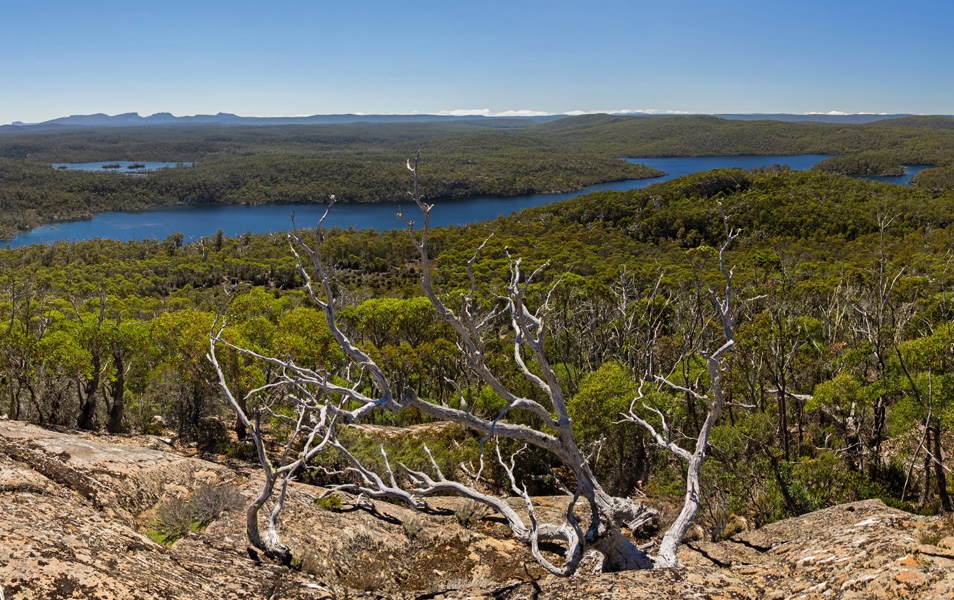
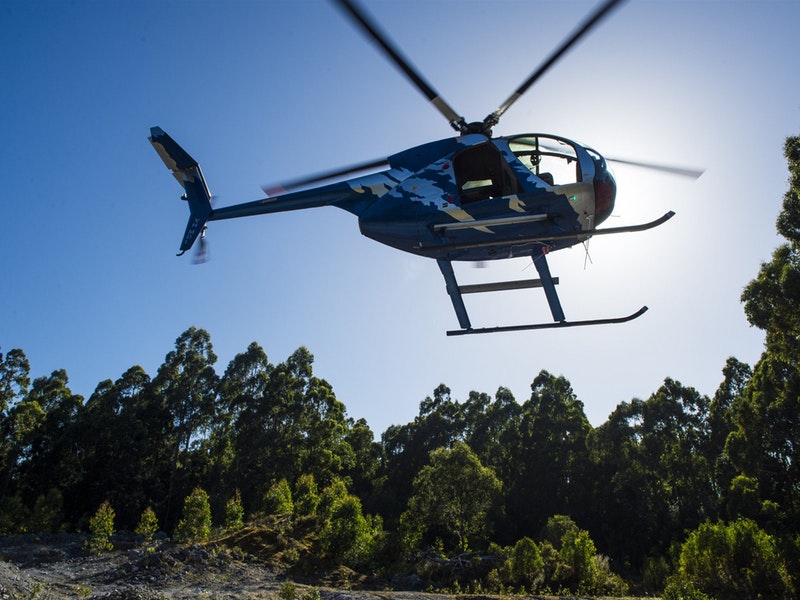
The new federal environment minister, Melissa Price, has approved a controversial proposal to allow ‘helicopter tourism’ and a small commercial operation inside the Walls of Jerusalem national park in Central Tasmania.

Having a new federal environment minister is an opportunity to hit the ‘reset’ button on particular issues that come under the minister’s jurisdiction. The decision to approve this application can only be seen as a disappointing early move from the new government under PM Scott Morrison.

The minister’s department considered ‘that the proposal is not likely to have significant impacts on any nationally protected environmental matters’. However the proposal includes plans for 120 helicopter flights a year on to Halls Island inside the park.

The final stage in the approvals process rests with the Central Highlands Council.

Continue reading “Controversial Walls of Jerusalem camp approved by federal environment department”

Help stop planned ‘helicopter tourism’ in the Walls of Jerusalem

Tasmania is blessed with beautiful and intact landscapes and an impressive network of national parks. However, World Heritage Areas and national parks have long been targeted by developers who want to establish commercial tourist operations in a number of places (check here for a current list of proposed developments). One of these proposals would see helicopter tourism inside the Walls of Jerusalem National Park in central Tasmania at Halls Island in Lake Malbena.

You have a chance to say NO to this development.

Continue reading “Help stop planned ‘helicopter tourism’ in the Walls of Jerusalem”

Construction of cable car at Dove Lake one step closer

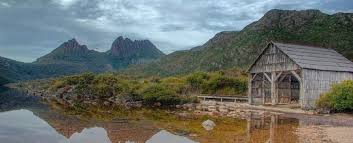
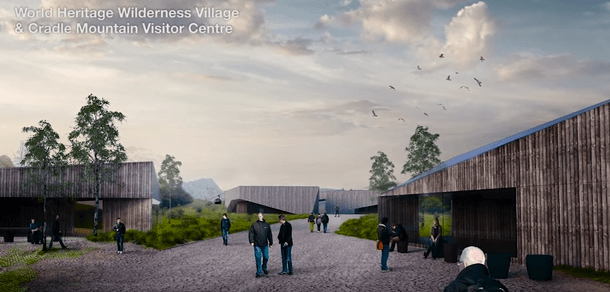
There has been a long public debate about the re-development of the northern end of the Cradle Mountain Lakes St Clair national park. The Tasmanian government has previously approved a revitalisation of facilities, which will see a new “gateway precinct” for the park. This will happen outside the park boundary and is generally not seen as being contentious.

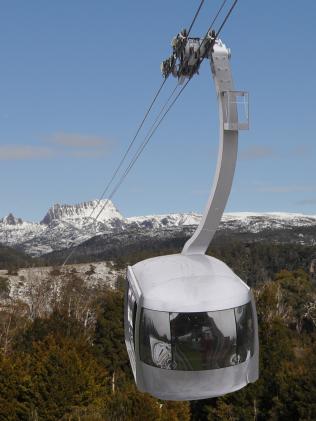
What is more contested is a proposal to build a cable car from the new ‘gateway precinct’ to Dove Lake.

It has now been announced that the government is “sounding out interests for a public-private partnership to undertake the redevelopment of the Cradle Mountain visitor centre, as part of its potentially $160 million “Cradle Mountain Master Plan” to give the area a much-needed facelift”.

Continue reading “Construction of cable car at Dove Lake one step closer”

UNESCO concerned at TAS Gov rezoning wilderness areas to allow development

Tasmania is blessed with beautiful and intact landscapes and excellent protection of much of the state. World Heritage Areas and national parks have long been coveted by developers and these attempts to open up parks to commercial interests have been resisted – with varying degrees of success – over the years.

Under the current very pro ‘development’ Liberal government in Tasmania there are no end of proposals for private developments in national parks and other parts of the conservation network (check here for a current list).

This is being resisted strongly by many in the Tasmanian community and it is now being criticised internationally.

Continue reading “UNESCO concerned at TAS Gov rezoning wilderness areas to allow development”

New hut opened at Frenchmans Cap

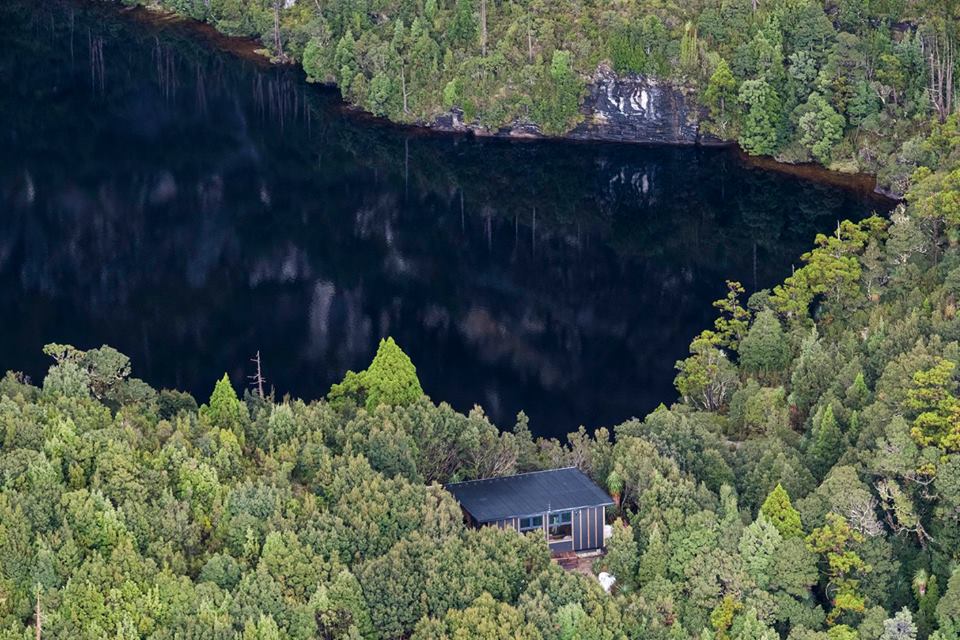
Lake Tahune sits beneath the main face of Frenchmans Cap in south west Tasmania and the hut, nestled slightly above the lake, can be a real God send in bad conditions. While the old hut certainly did the job of providing a dry space to gather and sleep in an often cold and wet place, it was as if it was designed to ignore its surroundings.

This new one is certainly a lot nicer looking and it honours the magnificent terrain it is located in, with much larger windows and lots more natural light.

Continue reading “New hut opened at Frenchmans Cap”

More private development in Tasmania’s parks system?

Negotiations are underway to allow ‘no fewer’ than six private hut-based walks under the Tasmanian government’s wilderness tourism expression of interest program.

Continue reading “More private development in Tasmania’s parks system?”

Construction starts on Cradle Mountain tourist centre

In 2016 a new tourism plan for northern Tasmania has launched, which raised the possibility of there being new developments adjacent to the Cradle Mountain National Park. Its key intention was to greatly increase visitors to the north of the state.

Part of the detail of the plan included a ‘cable car’/ gondola which would run from just outside the northern boundary of the park into the park at Dove Lake. The cornerstone of the proposal was the development of new tourist centre, which is where the gondola would start from.

This week saw construction start on the $21.8 million ‘gateway precinct’ (ie new tourist centre) and Dove Lake re-development. According to Tourism Industry Council of Tasmania chief executive Luke Martin, the start of construction was “a significant day of epic proportion”.

Continue reading “Construction starts on Cradle Mountain tourist centre”

The Geeves Effect – another attack on wilderness

A group of investors are proposing a track to a remote wilderness lake at the base of Federation Peak in Tasmania’s South-West (Check here for our previous report).

They have developed a consortium called the Geeves Effect, and are pushing for a 2.5 km track extension to ‘provide walkers with views of Lake Geeves’. They say that ‘the bushwalk could rival Cradle Mountain and Three Capes Tracks as a tourism magnet’.

Since our last report on this proposal, more information has come to light. This comes from the Tasmanian National Parks Association.

Continue reading “The Geeves Effect – another attack on wilderness”

Tasmanian ALP pledges $30 million to Cradle Mountain cable car

In a worrying move, the ALP in Tasmania has announced that it will allocate $30 million if they win the next state election towards the cable car which is planned for the Cradle Mountain National Park in Tasmania.

The idea for a cable car was raised in a Master Plan for the Cradle Valley section of the Cradle Mountain Lake St Clair National Park, which was developed by the Cradle Coast Authority.

The cable car would connect the Cradle Mountain visitor centre to Dove Lake. Construction of the cable car would require the Commonwealth Government to chip in another $30 million.

Continue reading “Tasmanian ALP pledges $30 million to Cradle Mountain cable car”

New track proposed close to Federation Peak

A group of investors are proposing a track to a remote wilderness lake at the base of Federation Peak in Tasmania’s South-West.

They have developed a consortium called the Geeves Effect, and are pushing for a 2.5 km track extension to ‘provide walkers with views of Lake Geeves’.

According to reports in The Mercury, they say that ‘the bushwalk could rival Cradle Mountain and Three Capes Tracks as a tourism magnet’.

The Bob Brown Foundation opposes what it calls an ‘invasion of the citadel of Tasmania’s wilderness by private enterprise using public money’, warning that it would open the door to private development.

Continue reading “New track proposed close to Federation Peak”

Climate change to make TAS fires more intense and more frequent.

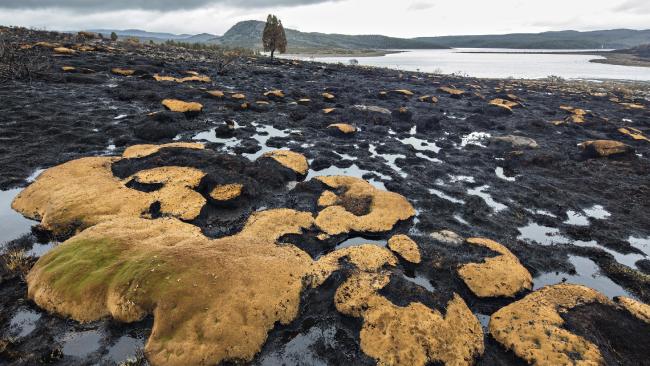
Widespread wildfires in early 2016 caused huge damage across large areas of the Tasmanian World Heritage Area, including significant sections of vegetation which is not fire adapted.

Inquiries into the fires were held during 2016, with a senate inquiry recommending the creation of specialist remote area fire fighting capacity.

The question of how much climate change influenced the extent and severity of the fires has been debated at some length, in the media and the inquiry processes.

This article by Emilie Gramenz from the ABC is a further update on the outcome of the process and the need for further research into the links between fire and climate change. A key message from researchers is that “climate change would likely make future fires more intense and more frequent”.

Continue reading “Climate change to make TAS fires more intense and more frequent.”

Senate inquiry into Tasmanian fires calls for creation of a national remote area firefighting team

The report from the Senate Inquiry into the terrible fires that happened in Tasmania last summer has now been released.

The inquiry looked at ‘responses to, and lessons learnt from, the January and February 2016 bushfires in remote Tasmanian wilderness’. The committee was chaired by Greens Senator Nick McKim.

Probably the key recommendation in the report is the proposal that the state and federal governments should investigate the establishment of a national remote area firefighting team. Coalition committee members dissented, saying informal and formal relationships already exist between the state and federal governments and that the Army is also brought in when needed. However the slow pace at which a number of remote area fires were tackled indicates that there was a shortage of fire fighting resources able to be deployed quickly into remote areas. The devastation of areas such as around Lake McKenzie on the Central Plateau was compounded by the delay in getting fire fighting units into the area.

The Coalition MPs on the committee also disagreed with another call in the inquiry report for Australia to report annually to the UNESCO Wilderness World Heritage committee about the state of conservation within the Tasmanian WWHA.

Other issues raised in the report include the need to ensure adequate funding of research into how climate change will influence fires in the world heritage area. For instance, the committee recommends that the Australian Government recognise the need to enhance protection and conservation efforts in the Tasmanian Wilderness World Heritage Area by allocating increased funding:

  • to the Parks and Wildlife Service, Tasmania, for appropriate management activities and resources; and
  • for research projects aimed at providing qualitative and quantitative data specific to climate-related and ecological threats to the Tasmanian Wilderness World Heritage Area (such as dry lightning strike). It appears that the frequency of dry lightning strikes has already increased in recent decades.

The final report is available here.
Blog at WordPress.com.

Up ↑