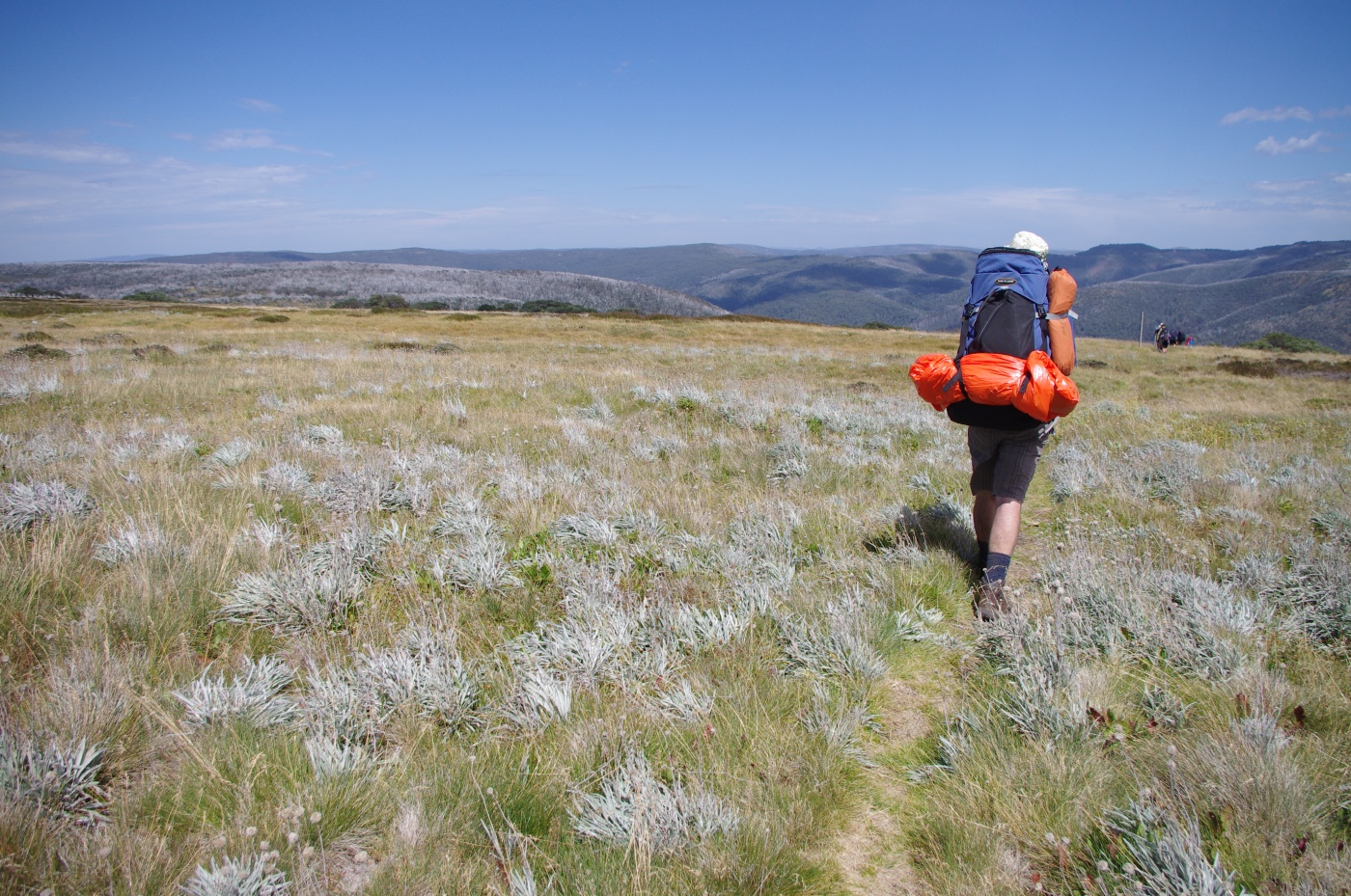
The ‘luxury walk’ model is booming across Australia, leading to increased interest in the money-making potential of putting commercial developments in our national parks. New proposals are popping up across Australia, from Cooloola in Queensland’s Great Sandy National Park to the South Coast Track in Tasmania; from NT’s Kings Canyon to the Light to Light walk on the NSW south coast; Kangaroo Island in South Australia to the Falls to Hotham Alpine Crossing in Victoria’s Alpine National Park.
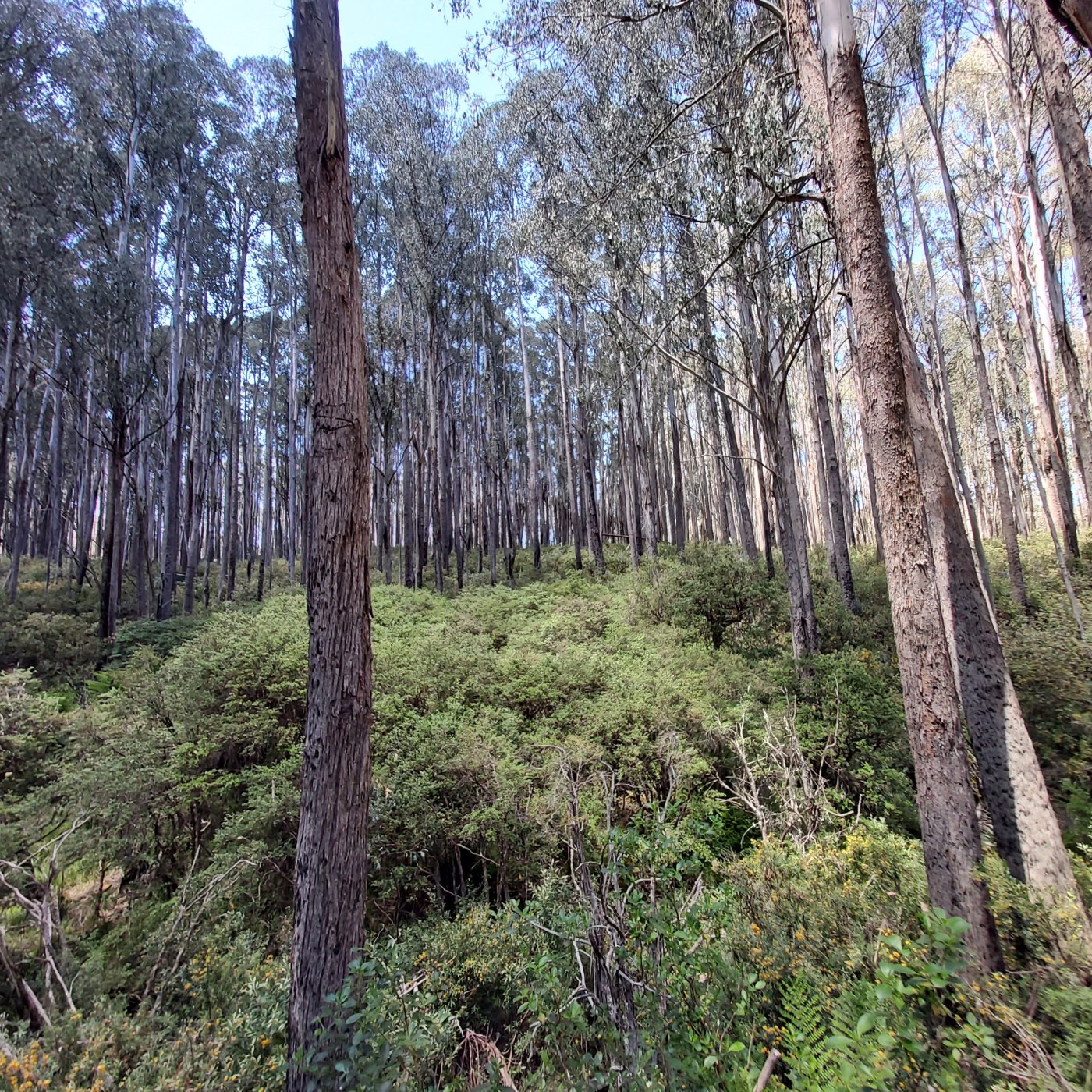
In November 2019 over 96,000 hectares of Immediate Protection Areas (IPAs) were announced by the Victorian government alongside the Victorian Forestry Plan which will see an end to native forest logging by 2030. IPA boundaries for four areas have now been finalised.
However, there has been no additional protection of forests threatened with logging in the Victorian high country.
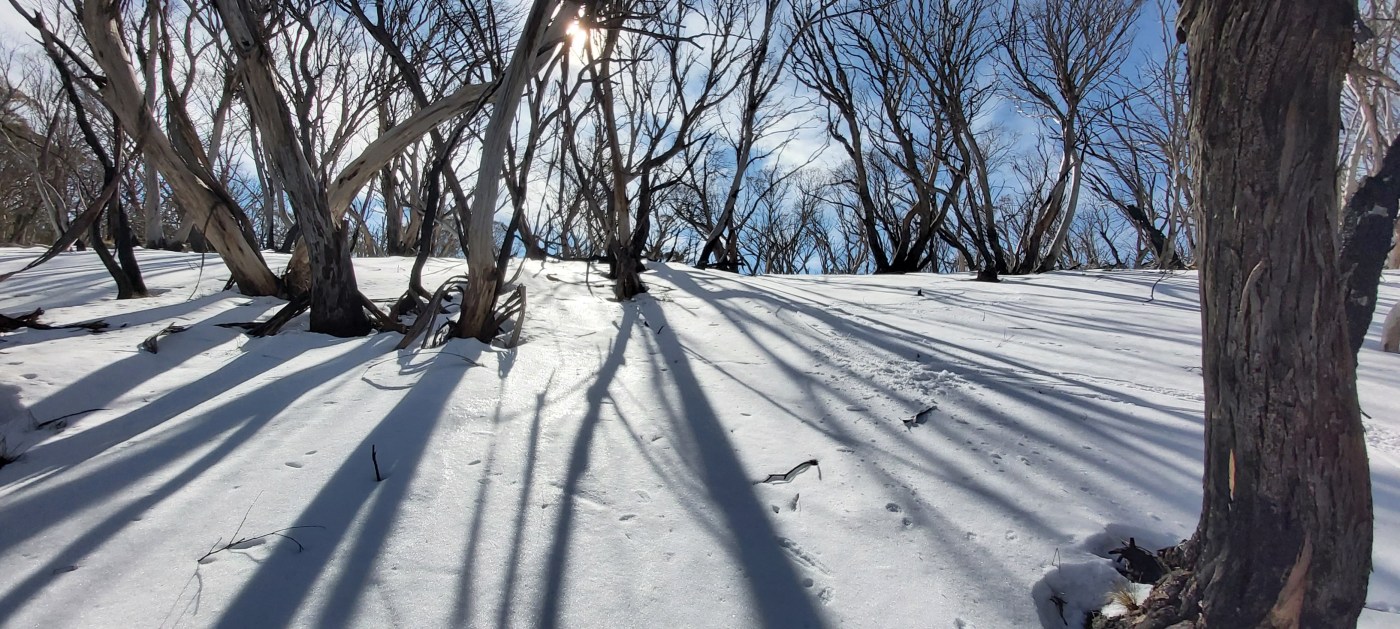
Fire is becoming an increasingly destructive force in mountain areas. This has many environmental and economic impacts. A new study from the USA investigates how extreme wildfires in 2020 affected the water cycle in key mountain forests that store water in the form of snow pack that is released through spring. The findings are consistent with earlier research in the Australian high country.
Continue reading “‘Forests, Snowpack and Wildfires Appear Trapped in a Vicious Climate Cycle’”
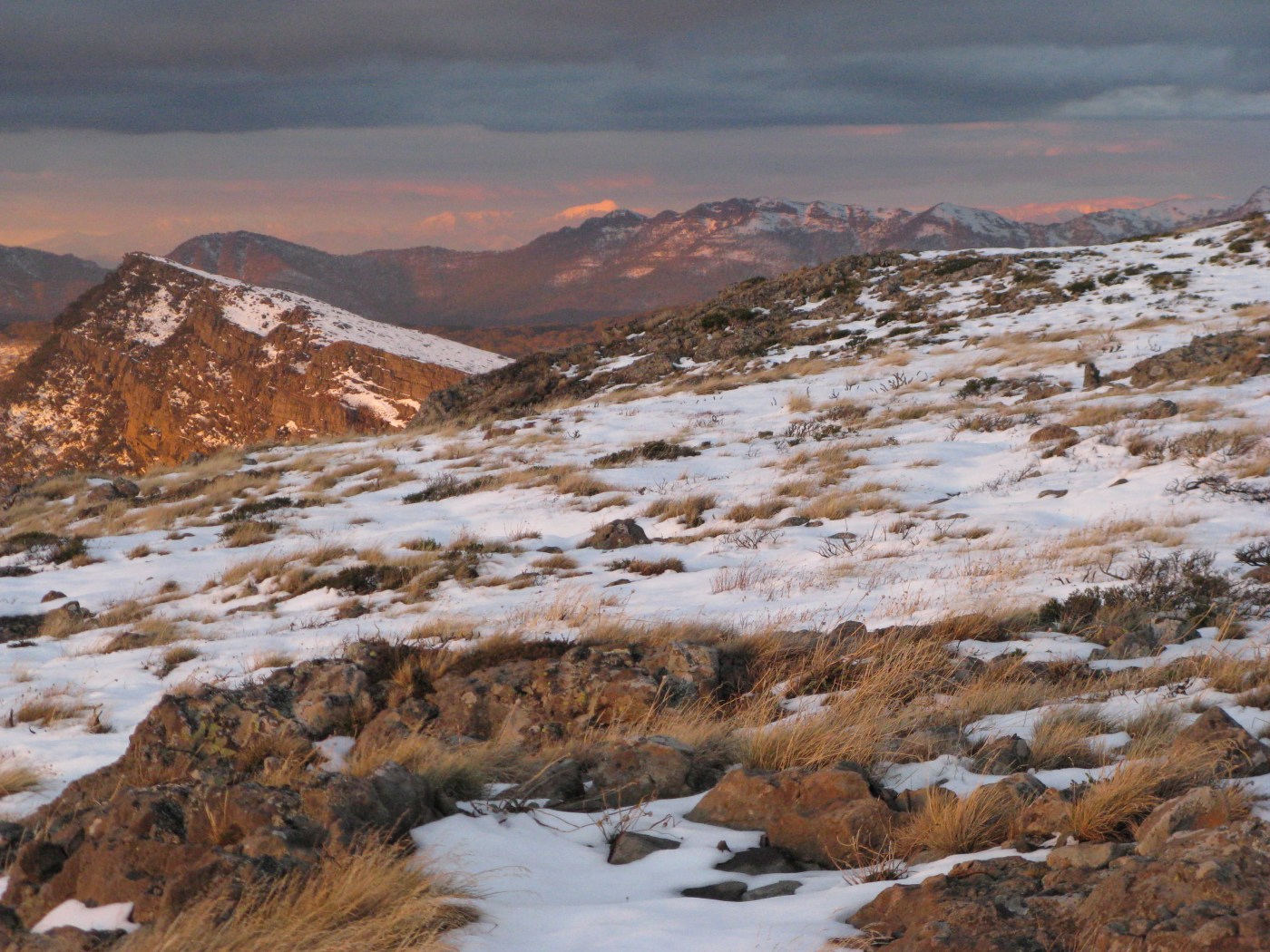
We recently posted an item outlining the fact that the combined climate pledges of 193 Parties under the Paris Agreement could put the world on track for around 2.5 degrees Celsius of warming by the end of the century. That would mean the end of winters as we know them.
There is a range of research shows that warming is happening even faster than previously understood.
“The planet is undergoing one of the largest changes in climate since the dinosaurs went extinct. But what might be even more troubling for humans, plants and animals is the speed of the change. In new research, Stanford climate scientists warn that the likely rate of change over the next century will be at least 10 times quicker than any climate shift in the past 65 million years”.
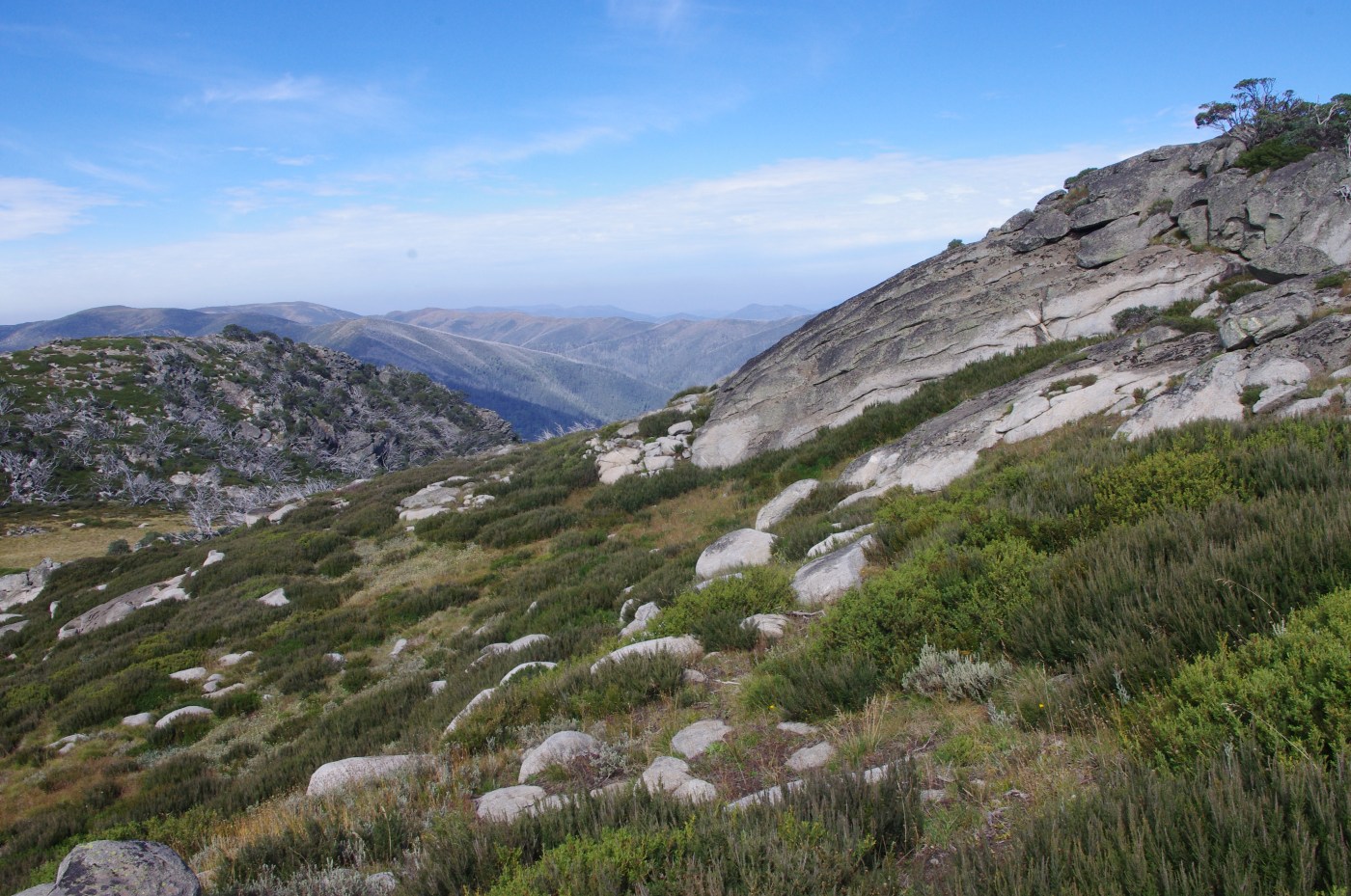
Over the past two years, we have produced two printed versions of the Mountain Journal. The first one focused on Where are we? (Visions from First Nations people about their aspirations for the Alps). The second focused on Giving back to the mountains (profiles on some of the many people doing good things in the mountains, like campaigning, guiding, ski patrolling and restoration work and so on).
The third issue (due out around New Year) will look at the people who came before us and who built our knowledge of the value of the high country, influenced our views of the mountains, and worked to have them protected.
Continue reading “Acknowledging the pioneers who protected the Alps”
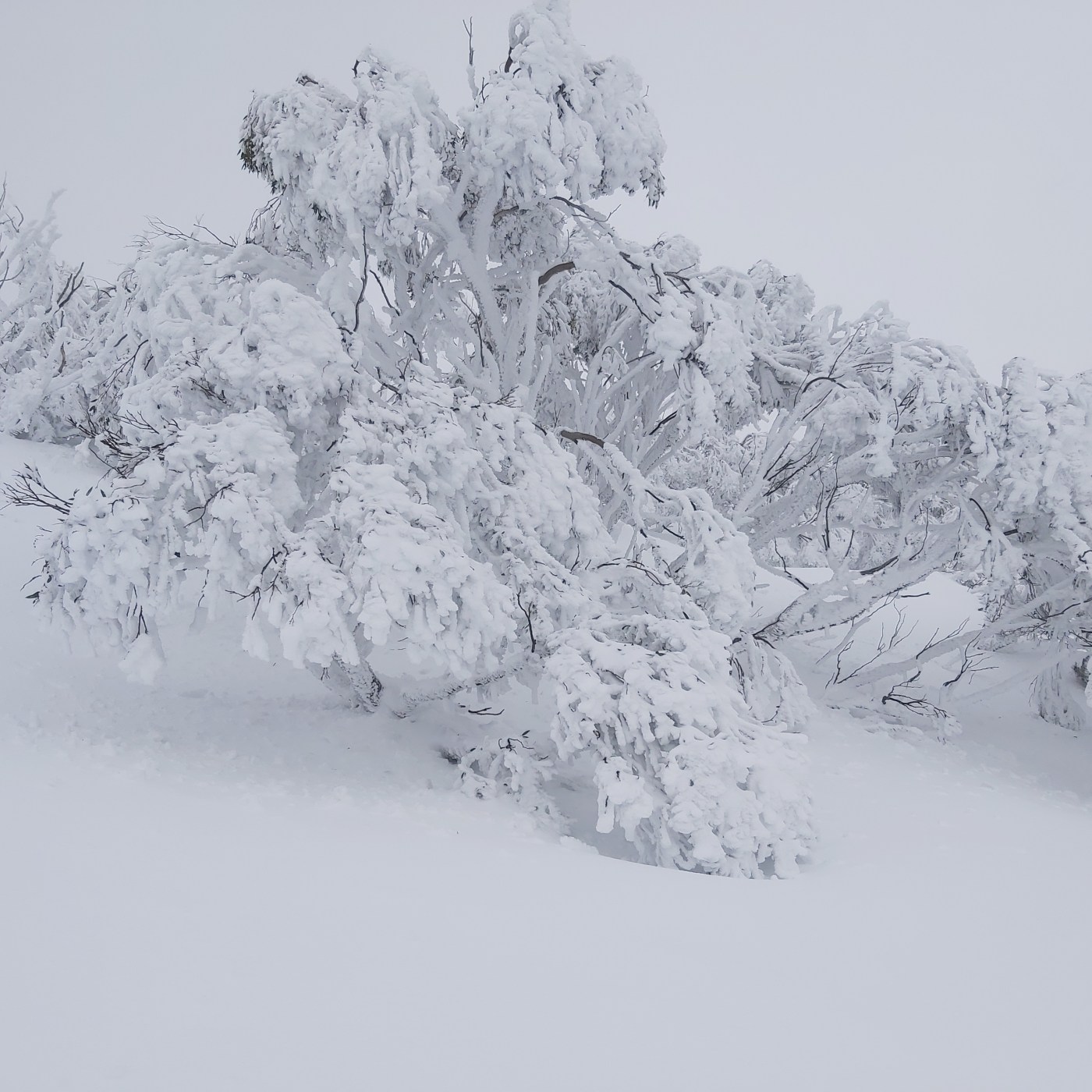
Overall, the world has warmed on average just a little over 1oC since the start of the industrial revolution due to human caused climate change. We can see what this has done to winter in the Australian mountains. Snow pack has been in decline since at least 1957. Winter snowfalls are becoming more erratic. Climate change is already visible at lower elevation resorts in the Australian Alps. And recent climate research suggests that the Australian Alps may suffer from a loss of snow as climate change supercharges phenomena known as ‘atmospheric rivers’. These are long, narrow regions of high moisture content in the lower atmosphere that transport most of the water vapour from the tropics to the sub-tropics and midlatitudes,
A new report from UN Climate Change shows that while countries are ‘bending the curve’ of global greenhouse gas emissions downward, that these efforts remain insufficient to limit global temperature rise to 1.5 degrees Celsius by the end of the century.
According to the report, the combined climate pledges of 193 Parties under the Paris Agreement could put the world on track for around 2.5 degrees Celsius of warming by the end of the century. That would mean the end of winters as we know them.
Continue reading ““The world is on track to hit as much as 2.8C of warming this century””
A considerable number of areas of forest on and around Mt Stirling are due to be logged soon (November 2022 onwards). This will have significant impacts on tourism (a number of the areas will be cut along the popular Circuit Road), will further fragment the important alpine ash forests on the mountain, and threaten the viability of older alpine ash and snow gum forests upslope due to the highly flammable nature of logging regrowth..
Continue reading “Major logging operations to start at Mt Stirling”
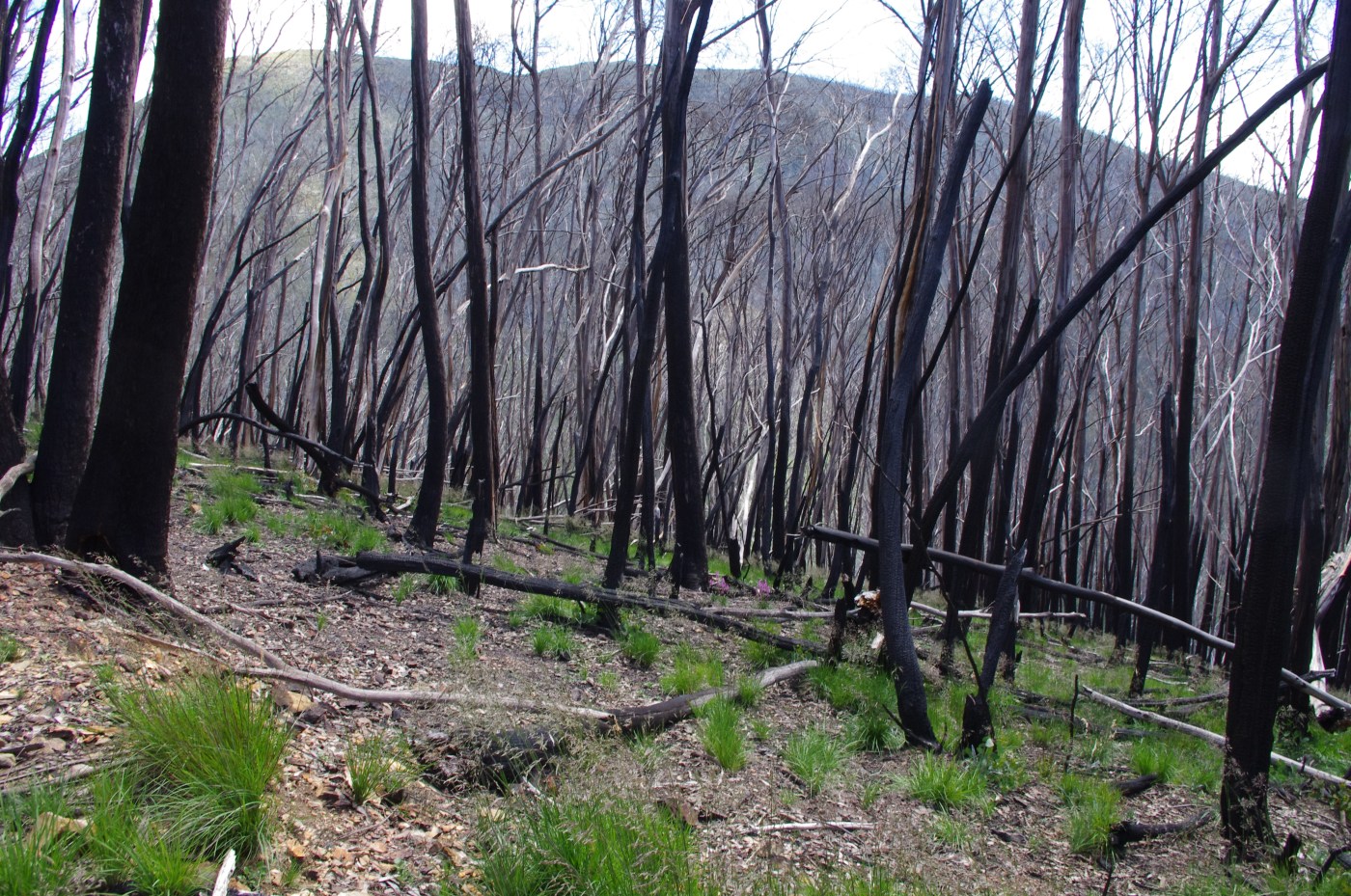
We know that climate change is resulting in increased fire severity and extent in Australia’s temperate Eucalyptus forests. While Eucalyptus forest communities are generally adapted to the presence of fire and in some instances need irregular fires, as the gap between fires become shorter and fires become more severe, there are obvious biodiversity impacts. For instance, forests are already changing – especially the alpine ash and snow gums, which are in a state of decline and even ecological collapse in many parts of the high country.
There is also the question of the how carbon released during these fires adds further fuel to climate change. While the general understanding is that carbon lost to the atmosphere during a fire is drawn down again in subsequent regrowth, is climate driven fire seasons causing more carbon to be lost into the atmosphere, thereby making climate change worse?
New research (Tree mortality and carbon emission as a function of wildfire severity in south-eastern Australian temperate forests, to be published in the journal Science of the Total Environment – a summary is available here) considers these issues and fills some significant gaps in our knowledge about the links between fire and its contribution to climate change.
Continue reading “Quantifying the climate cost of the Black summer fires”
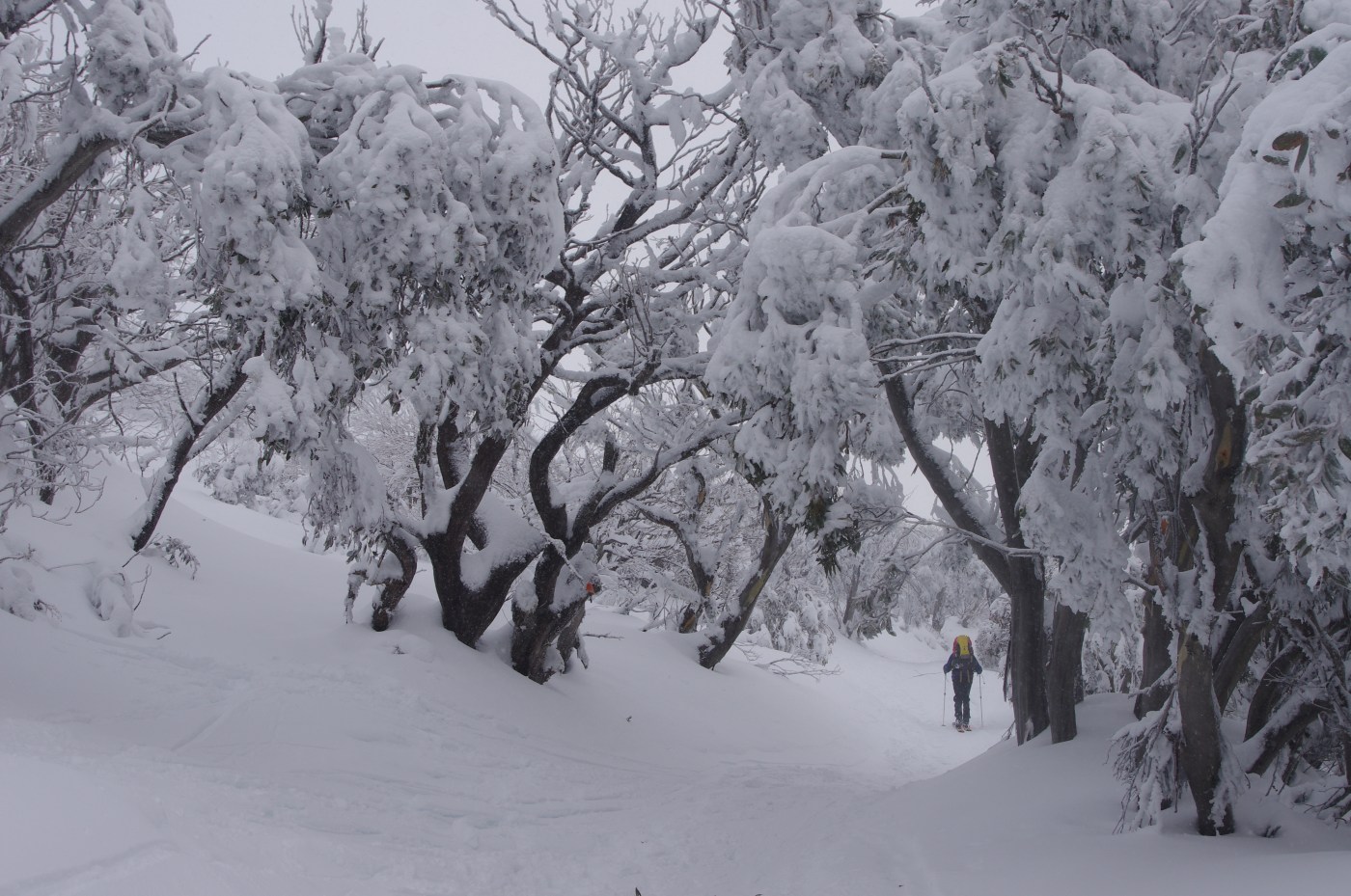
Over the past two winters, Mountain Journal has produced an annual print edition.
We are going to produce a summer edition (due out in January) and would welcome your content.
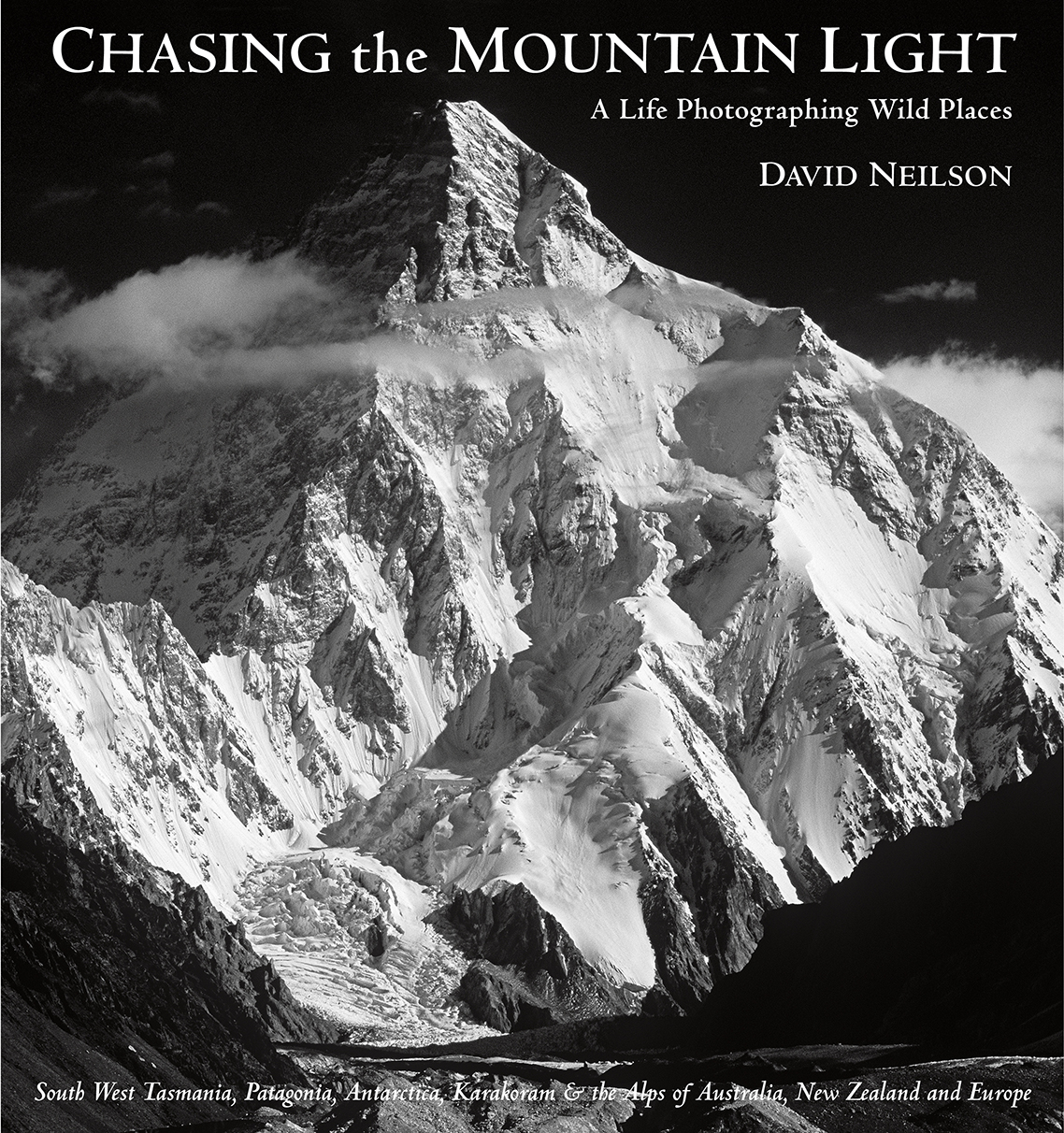
All landscapes have appeal. Some are easier to love than others. Many Australians love the beach and coastlines. Some love the desert, or wetlands, rainforests or the tall Ash forests. Some people have more obscure tastes – mangroves or mulga or gibber plains. But many of us love the mountains. And some of us express this love through writing, film, poetry, photography or other forms of communication. A new book called Chasing the Mountain Light delves deep into love of the mountains through the medium of images and writing.
The subititle of the book explains it perfectly: ‘A life photographing wild places’. The work of David Neilson, it is a glorious coffee table sized book featuring wonderful black and white images from south western lutruwita/ Tasmania, Patagonia, Karakoram and the Alps of Australia, New Zealand and Europe and other ranges such as the Andes.
Continue reading “CHASING the MOUNTAIN LIGHT: A Life Photographing Wild Places”
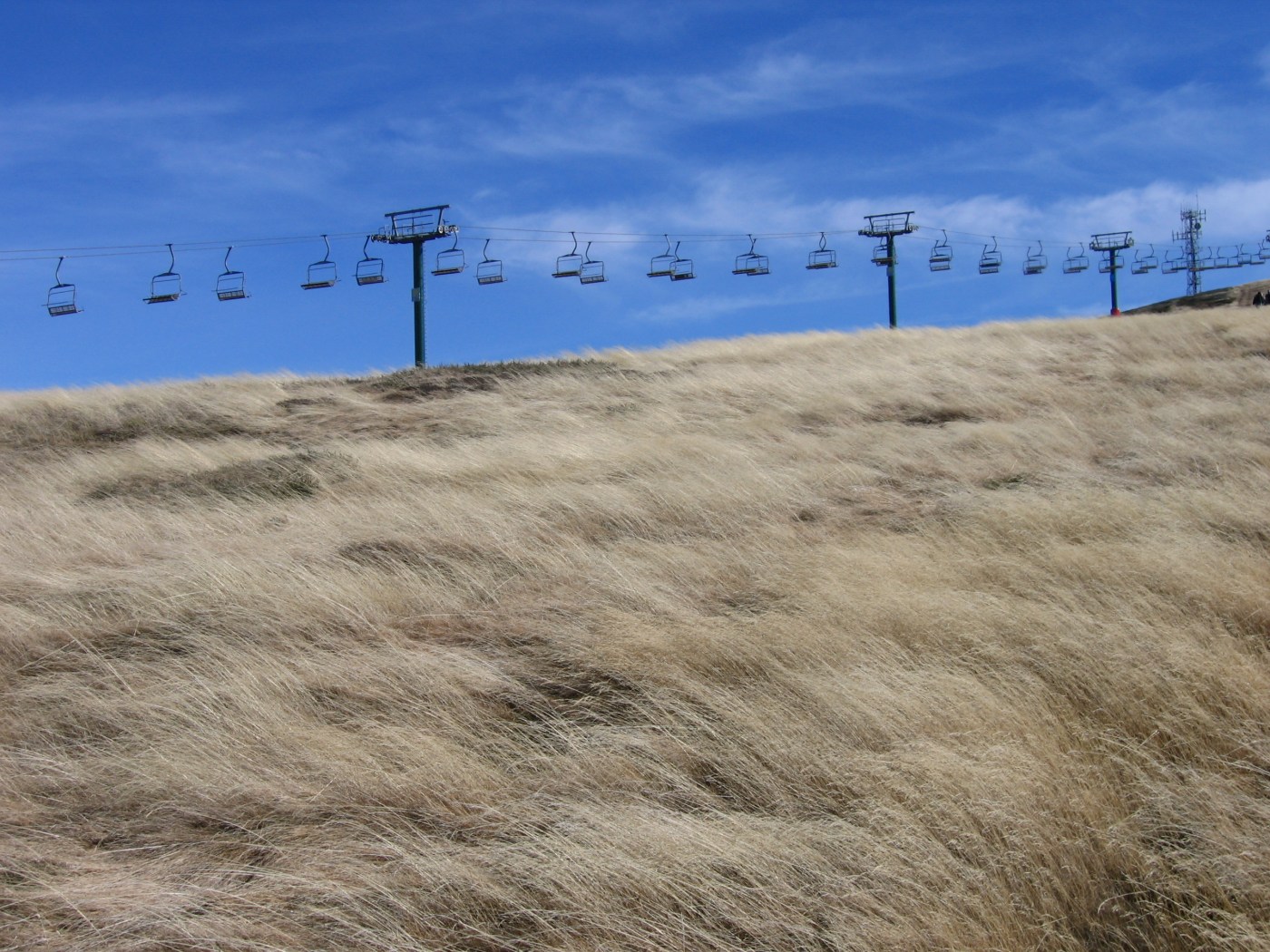
On Saturday 1 October 2022, recent amendments to the Alpine Resorts (Management) Act 1997 came into effect.
Those amendments include the abolition of the Mount Hotham, Falls Creek, Mount Buller Mount Stirling and Southern alpine resort management boards and the Alpine Resorts Co-ordinating Council and the establishment of Alpine Resorts Victoria (ARV) as a single entity to manage Victoria’s six alpine resorts. This has been long planned and with winter over, ARV is now starting the job of managing the resorts.
Continue reading “Alpine Resorts Victoria takes on management of VIC resorts”
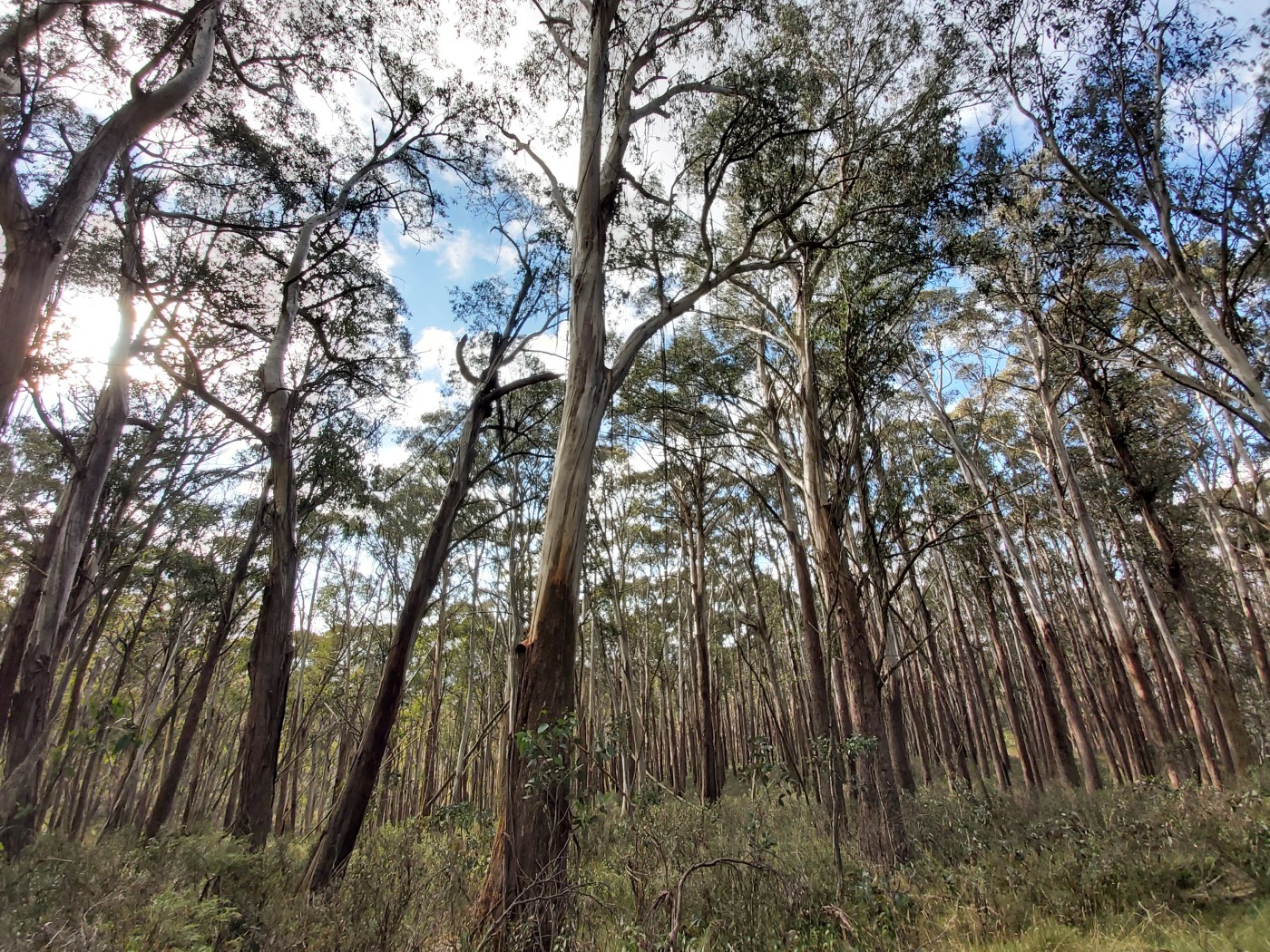
Victoria’s highest mountain, Bogong (Warkwoolowler in the Waywurru and Dhudhuroa languages, meaning the mountain where Aboriginal people collected the Bogong Moths) is protected in the Alpine National Park. It sits high above the town of Mount Beauty and is a drawcard for hikers, skiers and backcountry snowboarders. There are no roads on the mountain, and access is slow because of the steep climb up from the valley. It is an alpine wonderland of wildflowers in summer and deep snow in winter.
Most people approach the mountain from the Ovens Valley or across the Bogong High Plains. There is another route on the eastern side, following the appropriately named Long Spur to Mt Wills. This is all high elevation woodland and forests, and is the route by which the famous Australian Alps Walking Track (AAWT) leaves Bogong as it heads towards the Snowy Mountains. The 700 km long AAWT crosses the Alps from Walhalla to the outskirts of Canberra, and follows Long Spur from Bogong to Mt Wills before turning south and dropping into the valley of the Mitta Mitta River.
Mt Wills itself is a magical ‘island in the sky’ of isolated snow gum woodland, largely dominated by older trees. While it is connected by the long and high ridge back to Bogong, mostly the land around the mountain falls away to deep river valleys and forests that are initially dominated by Alpine Ash.
A new threat to these mountains
The higher mountain areas on this side of the Bogong High Plains are largely intact, although significant areas have been burnt, often several times in close succession, in recent years. But now there is a threat posed by logging in the area where the AAWT/ Long Spur track starts the climb up to Mt Wills, which would create a large clear cut area of more than 100 hectares.
Continue reading “Logging threat to Victoria’s high country“


 Mountain Journal
Recent Comments