Search

Mountain Journal

Environment, news, culture from the Australian Alps

Tag

climate change

This tax time can you support campaigns to protect our mountain environments?

Mountain Journal is one of my passions. Along with things like my involvement in the backcountry festival, Protect our Winters, and the Mt Hotham Dinner Plain CFA, there are many ways I try to share my love for the mountains. One of my other passions is my work as campaigns co-ordinator for environmental group Friends of the Earth (FoE). In the last few years FoE has started to do substantial work in support of mountain environments.

Continue reading “This tax time can you support campaigns to protect our mountain environments?”

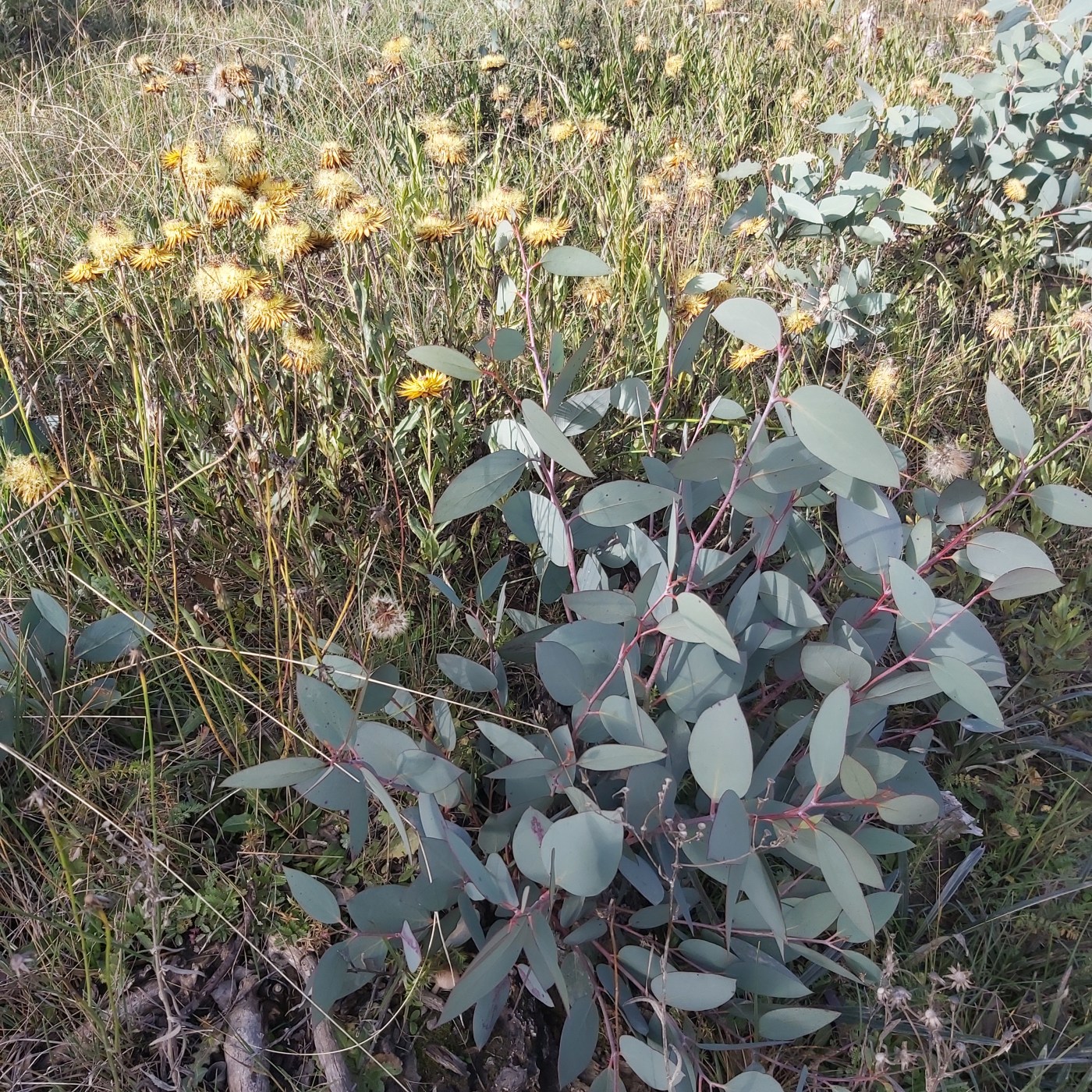
After two mild summers, burnt snow gum forests are recovering.

Over the past couple of years, various people have been tracking the localised loss of snow gums in the Victorian high country due to more frequent and intense fires. We know that snow gums are, like many Australian trees, fire adapted. But we also know that they enjoy a decent gap between fires and that with climate change already increasing the frequency and intensity of fires, that we are starting to see localised loss (‘collapse’) of these woodland communities.

Given my connection to the Mt Hotham/ Dinner Plain/ Dargo High Plains area, initial investigations started there. Sadly, there is no shortage of localised collapse in that area, where repeat fires have killed off both parent trees and seedling regrowth. But through advertising via Mountain Journal and the Snow Gum citizen science facebook page, we started to get reports from across the Victorian Alps, from Mt Clear in the ranges south west of Howitt to Mt Pinnibar, in the far north east of the state. Thanks to everyone who contributed content.

Having greater numbers of people looking has given a wider sense of where loss is happening. But it has also given us an understanding that, in many areas, the trees are now starting to come back.

This is wonderful news.

Continue reading “After two mild summers, burnt snow gum forests are recovering.”

Mt Wills – a precious sub alpine plateau in need of protection

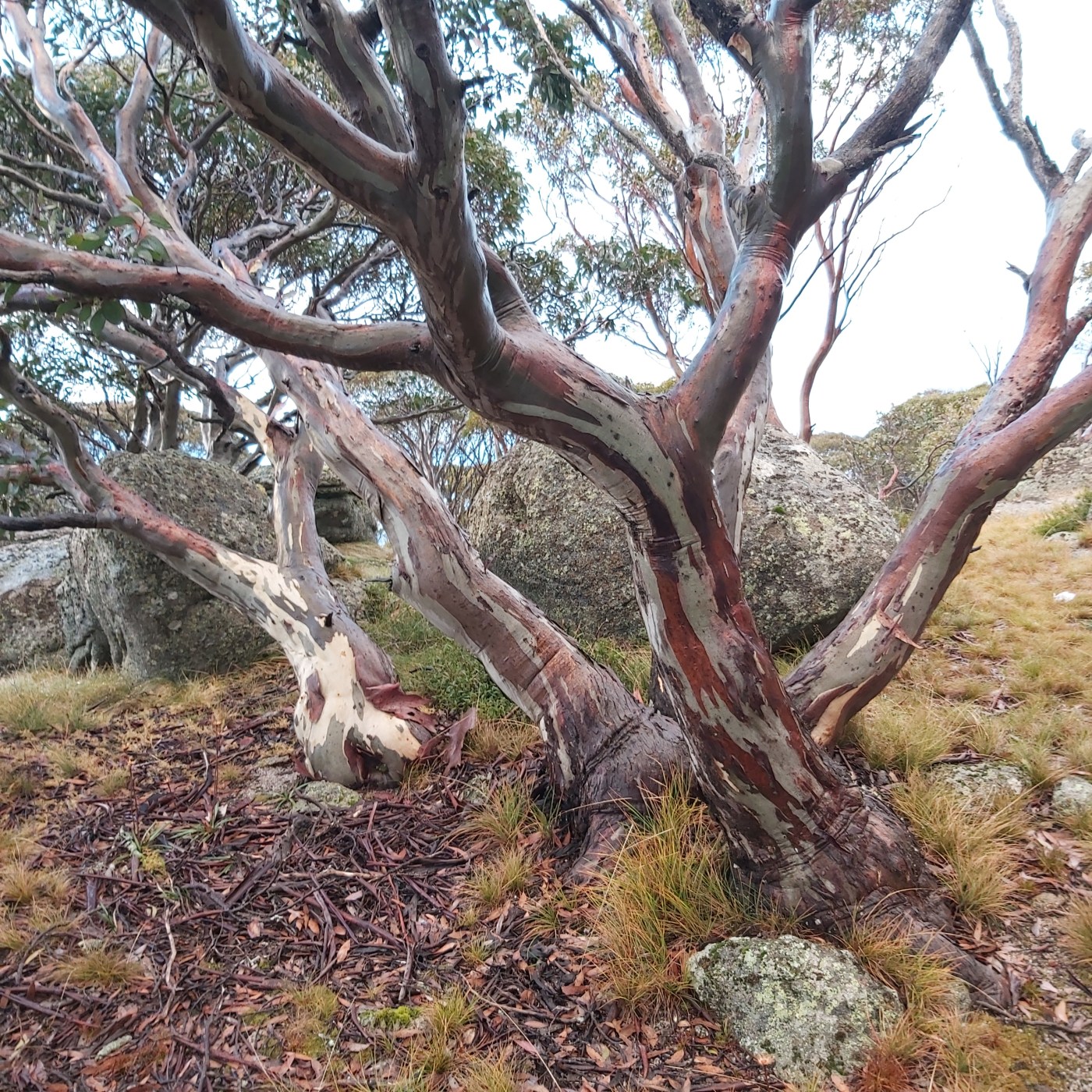
As we waited for the snow to arrive last week, it seemed like the right time for the annual pilgrimage to Mt Wills. I have often written about what a special mountain it is, tucked away behind the eastern fall of the Bogong High Plains and Mt Bogong (named Warkwoolowler in the Waywurru and Dhudhuroa languages). I love that strange hut on the little summit plateau, the grassy meadows with old snow gums scattered everywhere,  the endless rock outcrops and rocky escarpment on the east side.

Mt Wills is a classic ‘island in the sky’ of isolated snow gum woodland. While it is connected by a long and high ridge back to Bogong, mostly the land falls away to deep river valleys and forests initially dominated by Alpine Ash. It feels like a small sub alpine sea poking out into the upland valleys of the eastern Alps. I love the silence and perspective back to other mountains. But what really draws me back year after year are the ancient snow gums.

Continue reading “Mt Wills – a precious sub alpine plateau in need of protection”

POW actions to mark Opening weekend – please join in

We’re ready for winter.

And We’re ready for climate action.

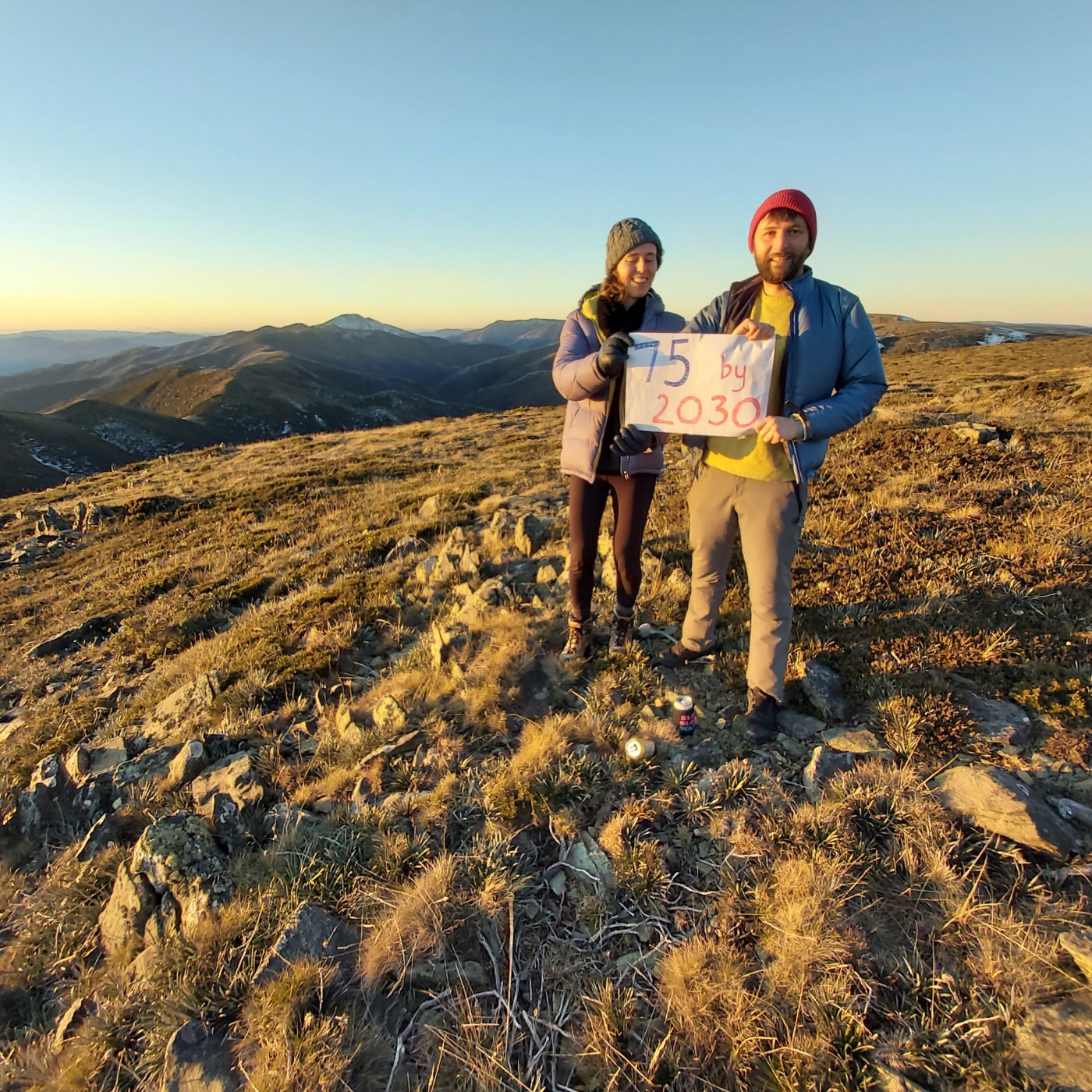
#75by2030

Join our actions over opening weekend (Saturday June 11).

We all know that winter is in trouble. Cold powder and snow pack are in decline. We have a window of opportunity to protect winter. But we need to act now.

Continue reading “POW actions to mark Opening weekend – please join in”

Is Tasmanian snowpack the future of skiing in Australia?

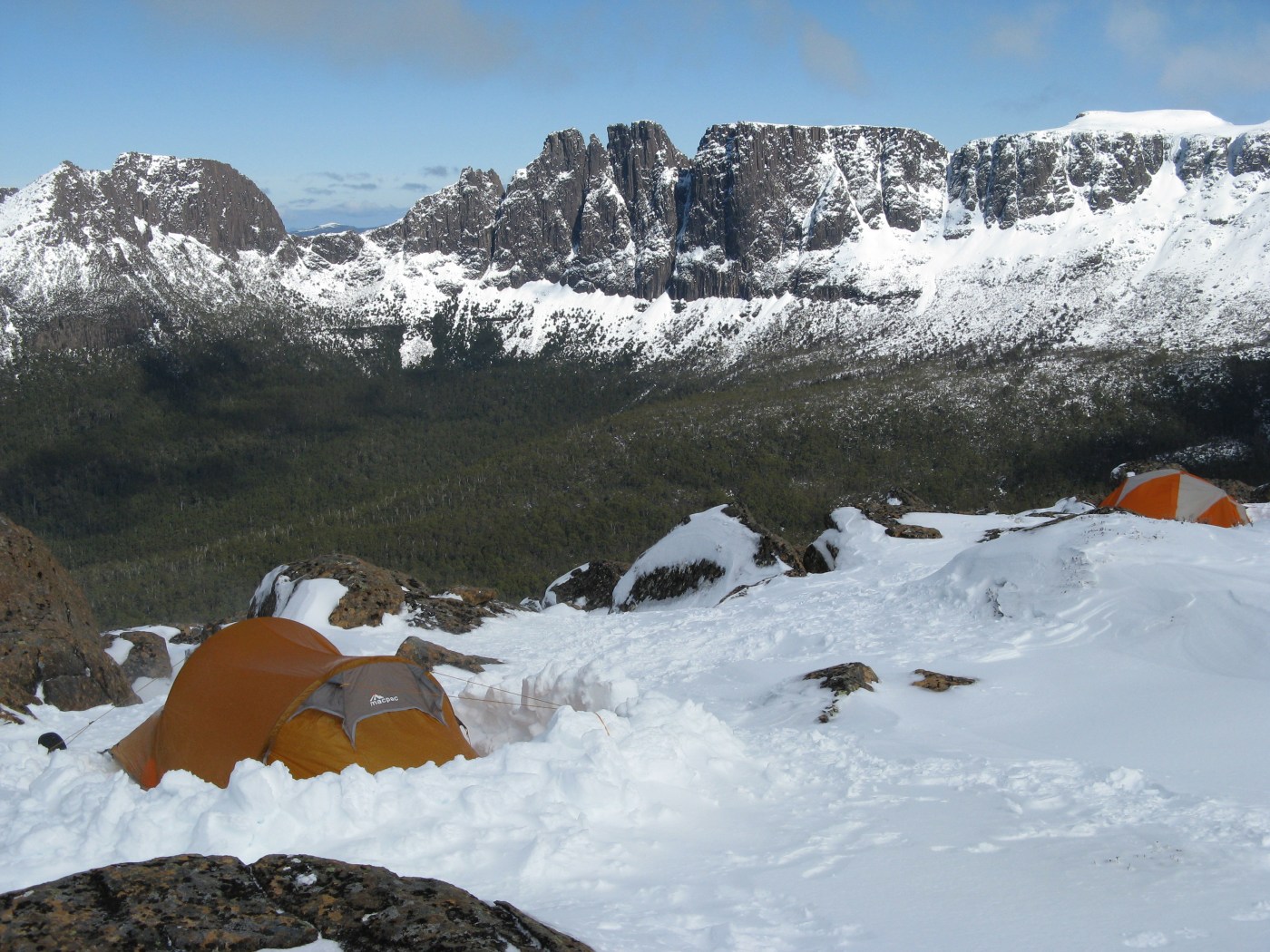
Anyone who is paying attention can see the changes that are already happening in the Australian mountains. Apart from the environmental costs of global heating, there are massive economic impacts as tourism dependent towns and resorts are disrupted. But there is also a huge cost for recreation. For many of us, the mountains are our ‘heart place’ where we go to ski, ride, paddle, climb and walk. The mountains are a place for camping, for sitting by a river, to recharge. What happens when climate change disrupts our ability to get into the Alps?

Continue reading “Is Tasmanian snowpack the future of skiing in Australia?”

A chance to influence Victoria’s climate policy

We all know that climate change poses an existential threat to mountain environments. For instance, the most recent report from the Intergovernmental Panel on Climate Change (IPCC) makes it clear there are serious threats to animals and vegetation across Australian mountain environments.

Climate change is a global problem and requires a global response. All countries must do their part to reduce emissions. It is the same at the state level (especially given the failure of the federal Coalition to act on climate change). There is an important opportunity to influence the Victorian government on its emission reduction targets. But we have less than a week to do so.

Continue reading “A chance to influence Victoria’s climate policy”

This election, vote for the mountains

Global temperatures have risen about 1C since 1900, overwhelmingly due to greenhouse gas emissions. In Australia, the average increase has been 1.4C. It has been linked to unprecedented bushfires, rainfall events that have caused catastrophic flooding and four mass coral bleaching on the Great Barrier Reef since 2016. Skiers and riders know that this has already had a negative impact on our snowpack, which has been in decline since the 1950s.

We know that national leadership on climate change has faltered under the Coalition. The federal election is an important opportunity to demand that all parties commit to decisive action to reduce emissions, and hence play our part in protecting winter.

Continue reading “This election, vote for the mountains”

Longer fire seasons in the USA spell trouble for Australia

After a terrible fire season in the last northern summer, the USA experienced fires right through winter and now, in spring, fires are raging across significant sections of the country.

In New Mexico, a fire has already burnt more than 80,000 ha. It has destroyed nearly 200 homes and led to the evacuation of thousands of families. US Forest Service firefighters say they have lost some ground in their efforts to contain the blaze.

Like in Australia, the USA relies on having enough large air tankers and helicopters to contain fires. However, we currently lease most of these aircraft from North America. As fire seasons in the northern hemisphere grow longer, it will get harder and more expensive to lease aircraft for our summers.

It’s time for Australia to establish a publicly owned air fleet, as was recommended by the Bushfire Royal Commission.

You can support the call for a publicly owned air fleet here > https://www.foe.org.au/firefighting

The rise of the ‘terafire’.

We are hearing ever more frequent mention of ‘Megafires’. The word is an emerging concept commonly used to describe fires that are extreme in terms of size, behaviour, and/or impacts.

In describing ‘Megafires’, it is clear that fire size thresholds vary round the world from > 100 to more 100,000 ha. In Australia, a mega fire year is defined as the cumulative burned area of forest over one year of more than 1 million hectares. Fires greater than 100,000 hectares have also been increasing – check this list for details.

Continue reading “The rise of the ‘terafire’.”

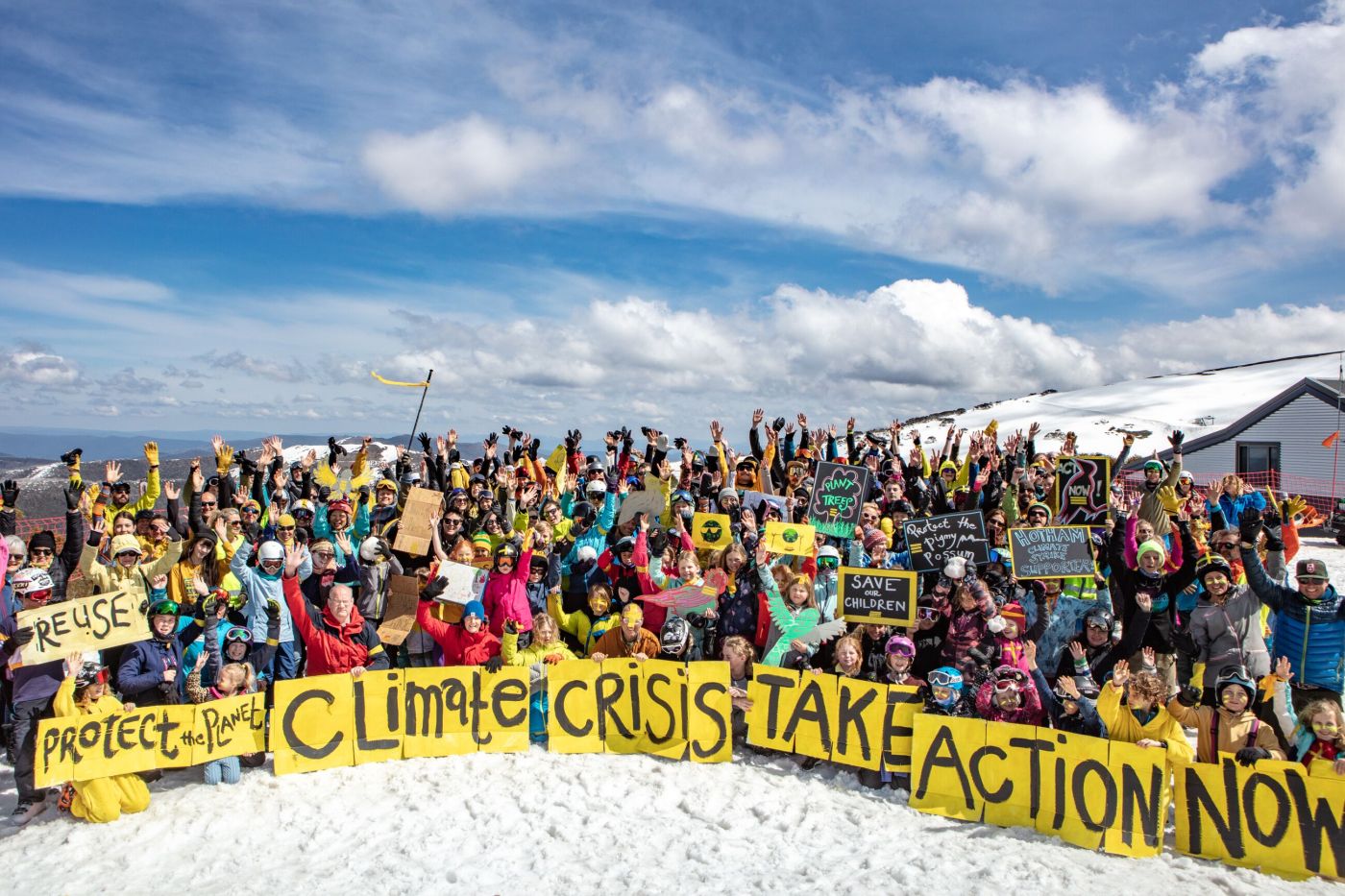
Protect our Winters calls for climate action

KEEN TO MAKE A DIFFERENCE? Protect our Winters (POW) Australia is looking for local organisers in each resort and nearby towns to host a gathering on Saturday June 11th 2022 to help #welcomebackwinter

WHAT? Join us in a major mobilisation of the snow sports community on opening weekend in June.

Continue reading “Protect our Winters calls for climate action”

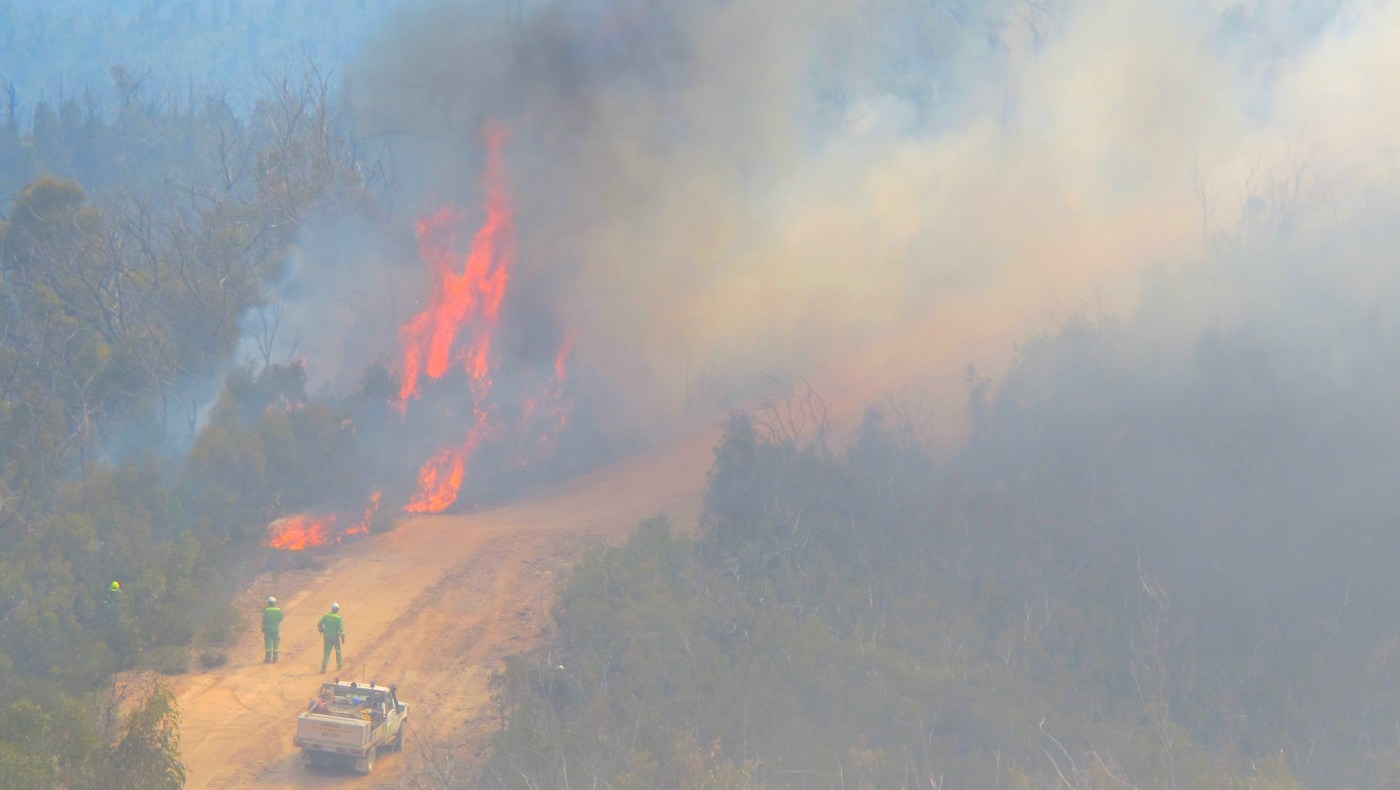
Fires are getting worse. We need extra firefighting capacity to stop small ones becoming blazes

As we head towards winter, now is the time to think about next summer and the fires that may come after two wet, mild years. There are many things we need to do to be ready for the climate change driven fires of the future. Here is one of them: Victoria should set up a volunteer remote area firefighting team, which can work alongside the government paid fire crews. This would increase our capacity to stop lightning strikes from turning into massive blazes. It’s a good idea. It just needs a bit of political will and money to make it happen.

Continue reading “Fires are getting worse. We need extra firefighting capacity to stop small ones becoming blazes”

Documenting loss of Snow Gums in the VIC Alps

The recent The IPCC WGII Sixth Assessment Report included details about the threat posed by climate change to Snow Gum woodlands (story here). Mountain Journal has been recording the local loss of Snow Gum woodlands across the Australian high country for several years now.

In a welcome sign, the last two summers have been mild and wet, and this has led to reseeding in some previously burnt areas of Snow Gums after years of no growth. However almost every trip to the higher mountains reveals new areas that have been burnt to the point of ecological collapse.

Continue reading “Documenting loss of Snow Gums in the VIC Alps”

Blog at WordPress.com.

Up ↑