Search

Mountain Journal

Environment, news, culture from the Australian Alps

Tag

fire

Fire risk a grave threat to cable car proposal

As the long debate continues about whether a developer should be allowed to build a cable car up the face of kunanyi/Mt Wellington, Bernard Lloyd reminds us about the primary threat to the mountain, which is posed by wildfire. Regular fires on the mountain have huge implications for the proposal to build a cable car.

In terms of combustibility, the forest on the mountain’s eastern face carries the greatest fuel load. The cable car is planned to be built up the eastern face.

  Continue reading “Fire risk a grave threat to cable car proposal”

The 2019 Tasmanian Fires so far: what has burned and where?

An update on what ecological communities have been burnt.

Fires have burnt across huge sections of Tasmania this summer (and some continue to burn despite recent rain and milder conditions). There have been grave fears that fire sensitive vegetation – plant communities that will not recover or recover very slowly after fire – had been badly impacted by the fires.

An initial analysis (based on the fires up until Feb 5) of what types of vegetation have been burnt so far in this summer’s fires is heartening. According to Dr Sam Wood, only very small areas of fire sensitive vegetation have been identified as being burnt. “The majority of the burned area is comprised of flammable vegetation communities” (ie, communities adapted to fires). Continue reading “The 2019 Tasmanian Fires so far: what has burned and where?”

“We are not out of the woods yet”

The Bureau of Meteorolgy has released its national climate summary for January 2019. As expected, it shows that it was the country’s warmest January on record for mean temperatures (2.91 °C above average), maximum temperatures (3.37 °C above average) and minimum temperatures (2.45 °C above average). Rainfall for the country as a whole was 38% below the long-term average for January, and Tasmania had its driest January on record.

After a dry winter and spring in the south east and then a sustained heatwave, its fairly obvious why its been a horror summer for fires. Tasmania and Victoria still have a significant number of fires which are not contained, let alone under control. And there is no obvious break coming to this hot, dry weather. The ecological costs of this summer’s fires are already becoming apparent.

Continue reading ““We are not out of the woods yet””

Fires still threaten Tasmania’s south west and central plateau

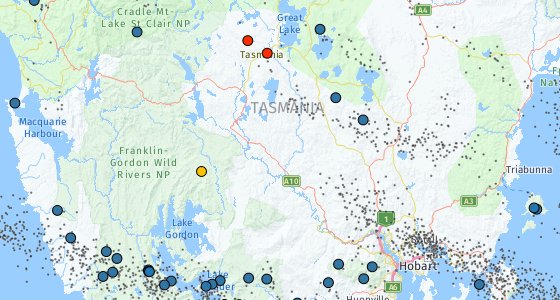
A considerable number of fires continue to threaten Tasmania’s protected areas. These happened as a result of more than 9,000 lightning strikes which have happened since tuesday 15th January. Increased dry lightning strikes, prolonged dry summers and high temperatures are consistent with what climate science says is coming in terms of fire risk in Tasmania.

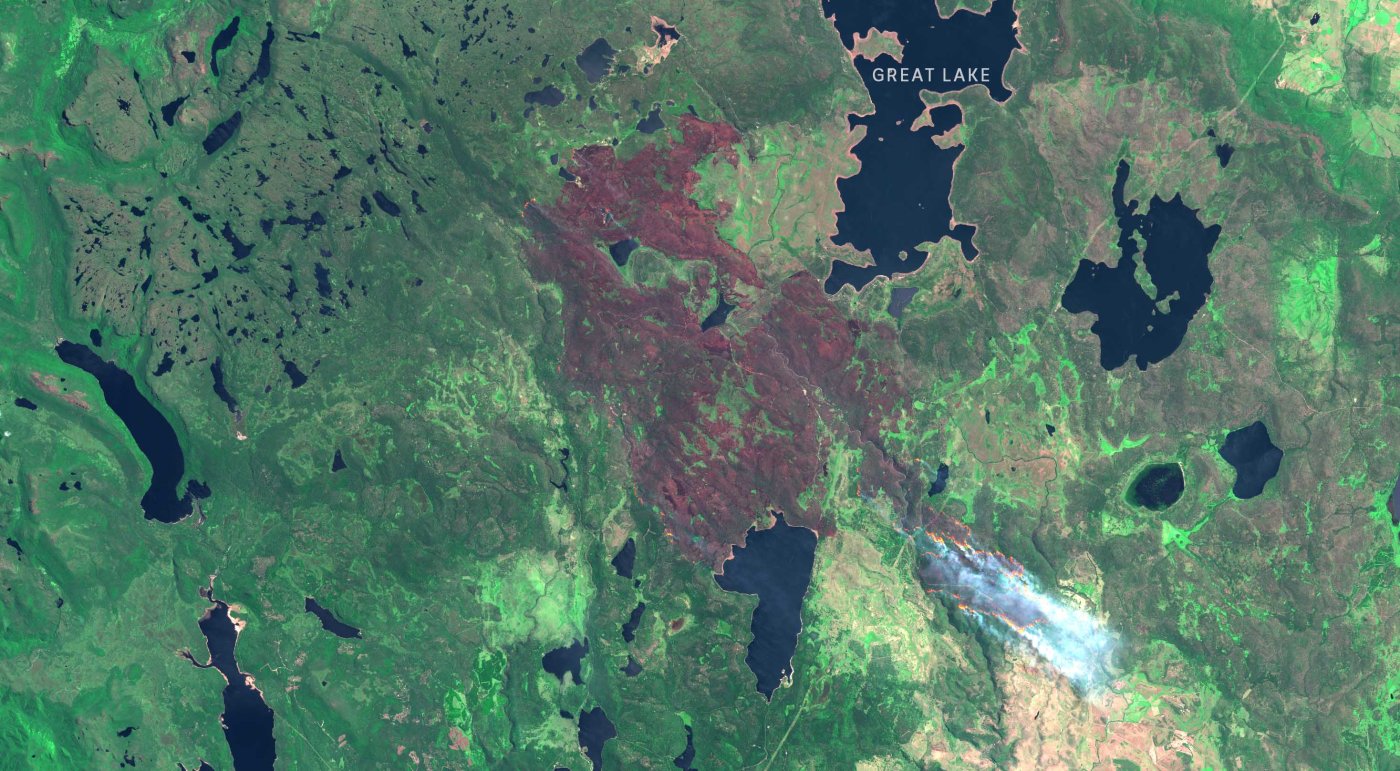
While the large Gell River fire raised concerns about impacts on fire sensitive plant communities early in the month, some of the new fires also threaten non fire adapted vegetation in the south west and the Central Plateau.

Continue reading “Fires still threaten Tasmania’s south west and central plateau”

TAS fire grows to 10,000 ha. ‘There’s no way of stopping it at this stage’.

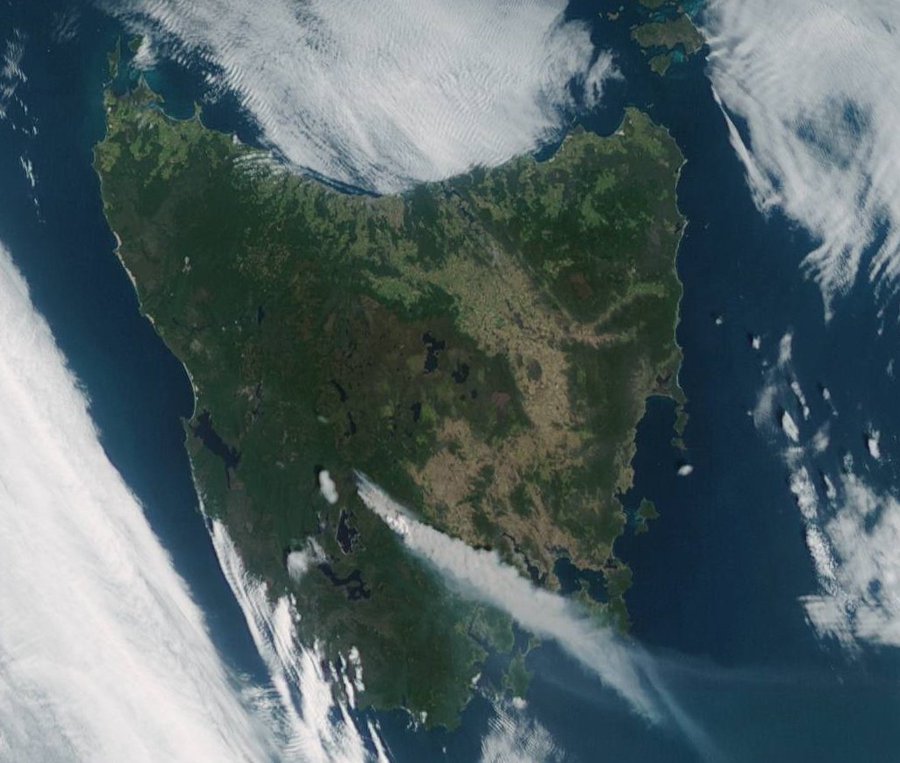
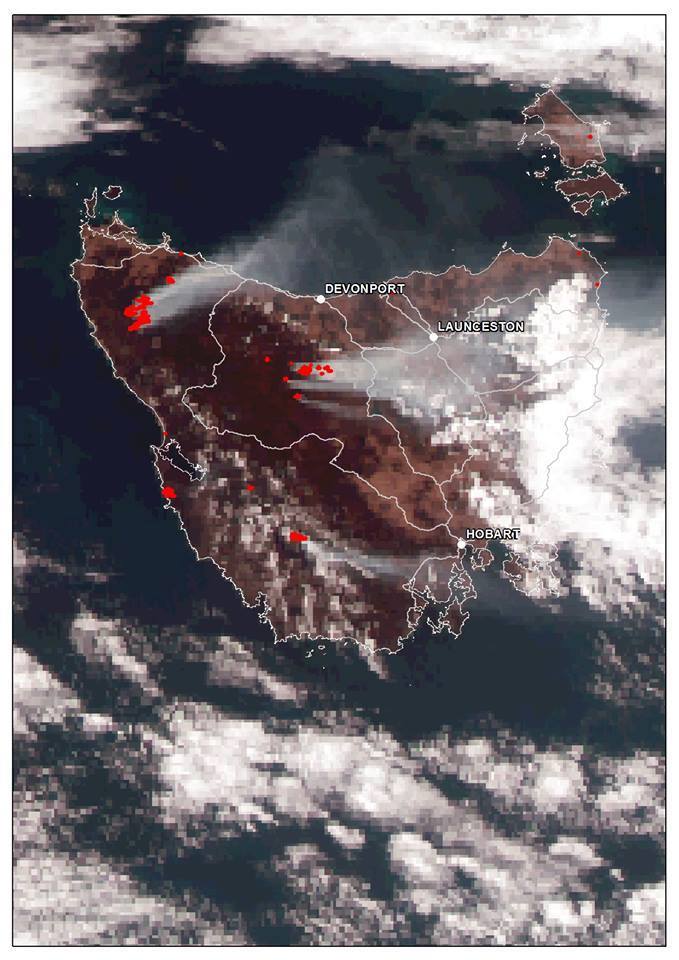
A fire is burning out of control in the south west of Tasmania. It started as a result of a lightning strike on December 27. It is being reported that it has already grown to 10,000 hectares and currently considered ‘out of control’ and hence fire services are unable to contain it. The ABC reports that 150 members of the Tasmanian Fire Service are currently fighting it but ‘there’s no way of stopping it at this stage’.

It threatens iconic areas like Lake Rhona and is moving towards Mt Field National Park and the towns of Maydena, Tyenna and National Park. A westerly change which is passing through the state could change direction of the fire so check the Tasmania Fire Service (TFS) website for details if you’re in the area (see below for all links).

Header image of the fire comes from http://satview.bom.gov.au/

Continue reading “TAS fire grows to 10,000 ha. ‘There’s no way of stopping it at this stage’.”

BOM/ CSIRO state of the climate report – (another) wake up call

We know that climate change is already impacting on the mountains and ecosystems that we love. Tree and plant species are threatened, fire seasons are becoming longer and more intense, and winter snow is in long term decline.

There are two key take home messages from the data that is available:

  • Climate change is impacting now and will get worse during our lifetime,
  • Action now to radically reduce emissions will greatly reduce impacts in the future.

To add to the body of knowledge we already have, the recently released Bureau of Meteorology and CSIRO’s state of the climate report points to a long-term increase in the frequency of extreme heat events, fire weather and drought in coming years.

Continue reading “BOM/ CSIRO state of the climate report – (another) wake up call”

‘Evidence of the impact of climate change on our country’s distinct flora and fauna is beginning to emerge’

Evidence about the impact of climate change on our country’s distinct flora and fauna is beginning to emerge. This is not ‘new’ news, this information is already widely available if you care to look for it. What is astonishing is that this growing body of information about the impacts of climate change on the land where we live doesn’t seem to compel more people to act to reduce greenhouse gas emissions.

Here are some recent examples of how climate change enhanced fire seasons are impacting on mountain environments:

In Tasmania, research has confirmed the trend towards more extreme fire seasons. It suggests that we reached a ‘tipping point’ sometime around the year 2000 and that, since then, there has been an increase in the number of lightning-caused fires and an increase in the average size of the fires, “resulting in a marked increase in the area burnt”.

As temperatures rise and the world’s climate rapidly changes, many plants and animals may not be able to relocate fast enough on their own, and habitats and species could be lost. In Australia warmer temperatures are expected to increase the length and severity of bushfire seasons, which will also cause changes in the distribution of many mountain species.

For instance, increased fire frequency may lead to the loss of alpine ash forests, unless there is human intervention aimed at keeping the species viable in the wild.

Now, a new article from Professor Ary Hoffmann, Nicholas Bell and Dr James Camac, at the University of Melbourne, looking at how we monitor the impacts of climate change on Australia’s terrestrial ecosystems has additional concerning news.

Continue reading “‘Evidence of the impact of climate change on our country’s distinct flora and fauna is beginning to emerge’”

“Something changed about 2000″. TAS forests threatened by ‘catastrophic’ bushfires

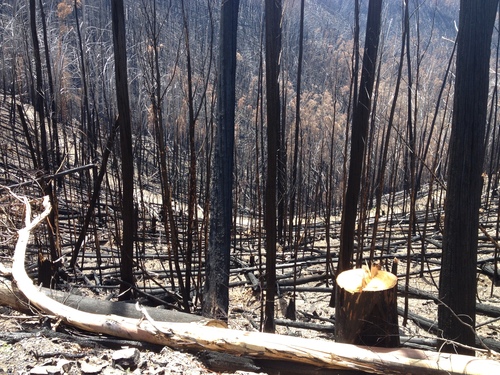
Widespread wildfires in early 2016 caused devastating damage across large areas of the Tasmanian World Heritage Area, including significant sections of vegetation which is not fire adapted, such as Pencil Pine forests.

At the time, and in follow up investigations, it became clear that increased fire risk due to climate change posed an existential threat to these vegetation types. Now additional research has confirmed the trend towards more extreme fire seasons. It suggests that we reached a ‘tipping point’ sometime around the year 2000 and that, since then, there has been an increase in the number of lightning-caused fires and an increase in the average size of the fires, “resulting in a marked increase in the area burnt”.

Continue reading ““Something changed about 2000″. TAS forests threatened by ‘catastrophic’ bushfires”

‘Ecosystem collapse’ threatens Alpine Ash and Pencil Pines

The news is really scary at present. Here are a couple of examples:

  • Climate change has helped melt nearly a fifth of Colombia’s mountaintop glacier cover in just seven years
  • As a record-breaking heat wave scorches Sweden, dozens of wildfires are raging in parts of the country. At least 11 fires within the Arctic Circle. As one researcher put it: “This is definitely the worst year in recent times for forest fires,”
  • Meanwhile many places in the Northern Hemisphere have witnessed their hottest temperatures ever recorded.

Closer to home, research recently published in the journal Nature Climate Change describes a series of ‘sudden and catastrophic ecosystem shifts’ that have occurred recently across Australia. These changes, caused by the combined stress of gradual climate change and extreme weather events, are overwhelming ecosystems’ natural resilience.

While coverage of this research has tended to focus on the impacts on the Great Barrier Reef, other examples – about Gondwanic forests in Tasmania and Alpine Ash forests in the Australian Alps – should be a wake up call for people concerned about mountain environments.

Continue reading “‘Ecosystem collapse’ threatens Alpine Ash and Pencil Pines”

Older forests experience ‘smaller and less severe’ fires

A new study in the journal Austral Ecology provides the most comprehensive analysis ever performed of the fire history of forests in the Australian Alps. This is a significant piece of work because it says that unburnt forests are less fire prone than those that have been recently burnt.

This has implications for how we manage these forests and woodlands. The current widely held assumption is that by reducing fuel loads, fire reduces the flammability of most eucalypt-based forests.

Continue reading “Older forests experience ‘smaller and less severe’ fires”

Will we recognise the future?

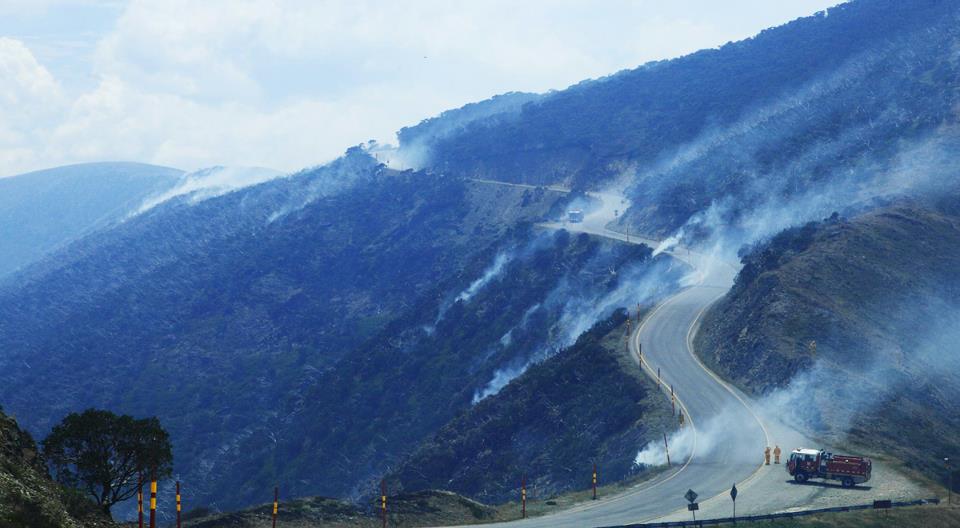
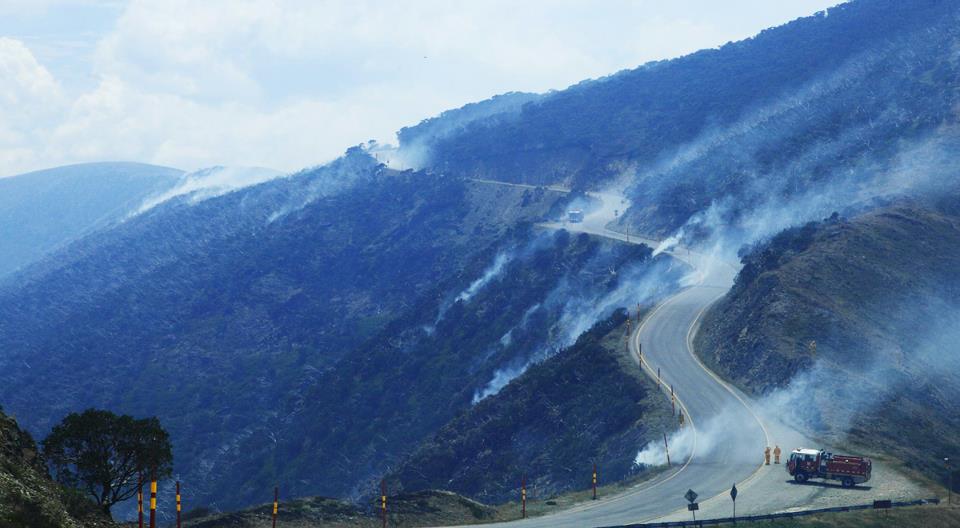
Every time I drive up the hill from Harrietville to Mt Hotham, I feel a strange mix of joy and sadness. Its always good to get back into the mountains. But those burnt out alpine ash forests break my heart.

People will often say ‘fire has always been part of the landscape’. True. But that misses the point that fire intensity and frequency is already increasing as we lurch into the climate change influenced future. In my lifetime it has already transformed many of the landscapes I know and love best. What will the coming decades bring?

Continue reading “Will we recognise the future?”

Increased fire frequency is changing snow gum forest structure

Mountain Journal has often reported on the impacts of climate change enhanced fire seasons on the mountains of Australia and, in particular, on plant species.

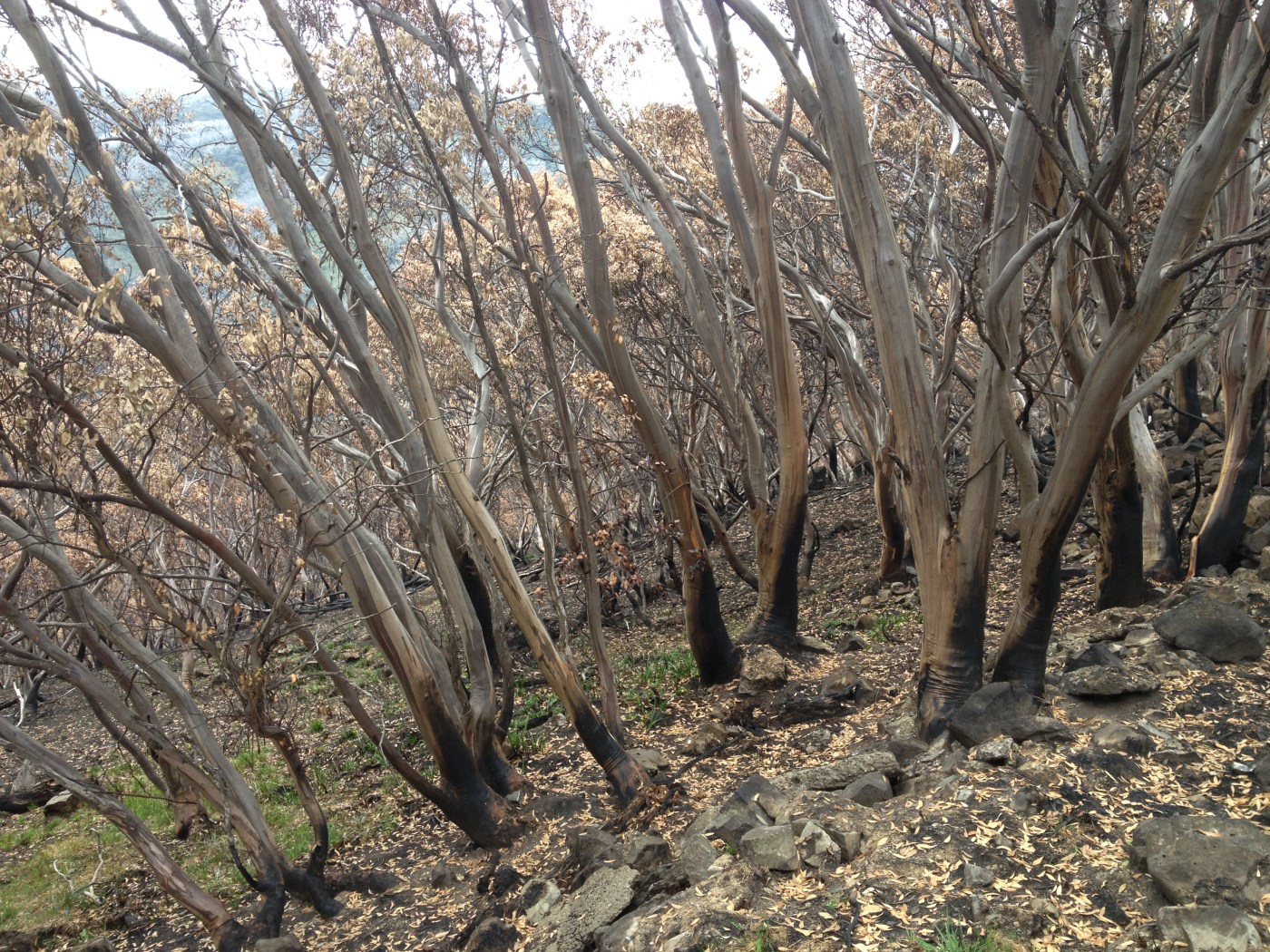
The iconic mountain species of the mainland, the Snow Gum (Eucalyptus pauciflora), has been hammered in recent decades by multiple fires, often with small gaps between fires.

MJ previously reported on work carried out by researchers from Melbourne University who found that ‘over 90% of the Victorian distribution of snow gums has been burned at least once since 2003. What is of greater concern though, is that each of the large fires of the last 15 years has overlapped to some extent, leaving thousands of hectares of snow gums burned by wildfire twice, and sometimes three times’.

They went on to say that higher incidences of bushfires, which are likely due to climate change, are devastating for the usually fire-tolerant snow gums of southern Australia.

Now an updated version of their work has been published in the Journal of Vegetation Science which delves into whether these more frequent and severe fires are leading to higher death rates of individual trees (individual snow gums have the ability to regrow after fire from ground level regrowth – called basal resprouts – but may also be killed). This work was carried out by Tom Fairman, Lauren Bennett, Craig Nitschke, and Shauna Tupper.

Continue reading “Increased fire frequency is changing snow gum forest structure”

Blog at WordPress.com.

Up ↑