Search

Mountain Journal

Environment, news, culture from the Australian Alps

Tag

fire

Bushfire review is a chance to protect Alpine Ash forests

In March 2020, just a few months after the devastating 2019/2020 Black Summer bushfires, state and federal governments rolled over the controversial Regional Forest Agreements (RFAs) which give logging an exemption from federal environment laws.

A new clause has been introduced where a significant event (like the 2019/2020 bushfires) can trigger a Major Event Review (MER).

The review was announced last year, but since then logging in critical habitat for threatened species has continued, and there have been no changes to logging schedules. The review is now open to public consultation and submissions will be accepted until 31 August 2021.

You can find out more about this review here.

Continue reading “Bushfire review is a chance to protect Alpine Ash forests”

Citizen science project: tracking loss of Snow Gums

As we know, Snow Gums face a massive threat from the spread of dieback which is caused by a native beetle, but which is now being super charged by climate change.

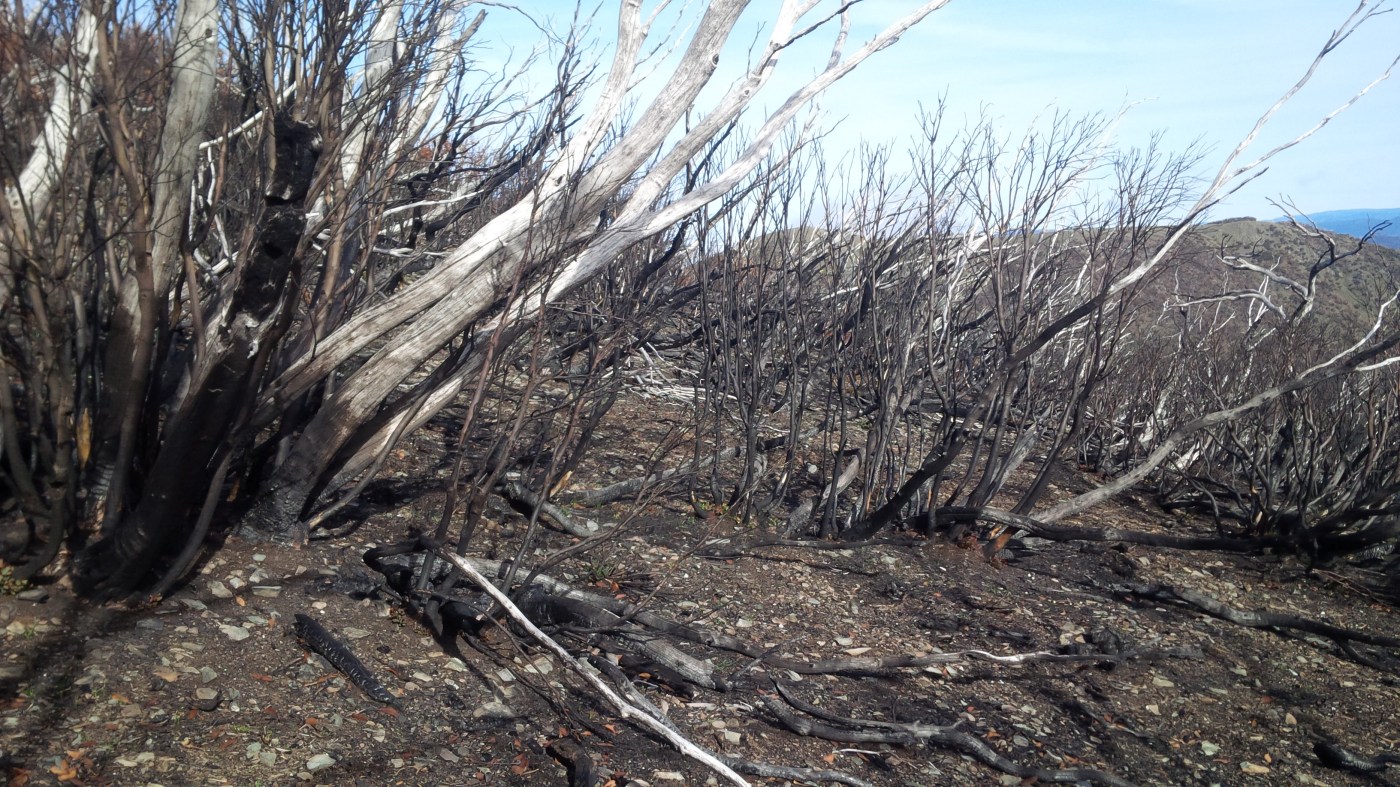
There is another emerging issue: localised collapse of snow gum woodlands due to more frequent fires.

Friends of the Earth recently released a report called An Icon at Risk: current and emerging threats to the Victorian Alps (available here), which points out that climate driven fires are starting to lead to localised collapse of Snow Gum woodlands where regular fires have caused death of parent trees and seedlings.

These forests are fire adapted and can recover from fire. But the dilemma we face is that , since the turn of the 21st century, fires are becoming more frequent and pushing this vegetation community towards ecological collapse.

No one knows the scale of this problem.

That’s where you come in.

Continue reading “Citizen science project: tracking loss of Snow Gums”

‘High-risk bushfire days set to soar this century’

There is no doubt that climate change is driving more intense fire seasons. The world has warmed as a result of human activity and now all fire events occur in a warmer environment. We have known this for years. Back in 2008 the Garnaut Climate Change Review’s final report, said that predictions “suggest that fire seasons will start earlier, end slightly later, and generally be more intense” and that “this effect increases over time, but should be directly observable by 2020.”

New research by the CFA and Bureau of Meteorology underscores this fact yet again.

Continue reading “‘High-risk bushfire days set to soar this century’”

An Icon at Risk: current and emerging threats to the Victorian Alps

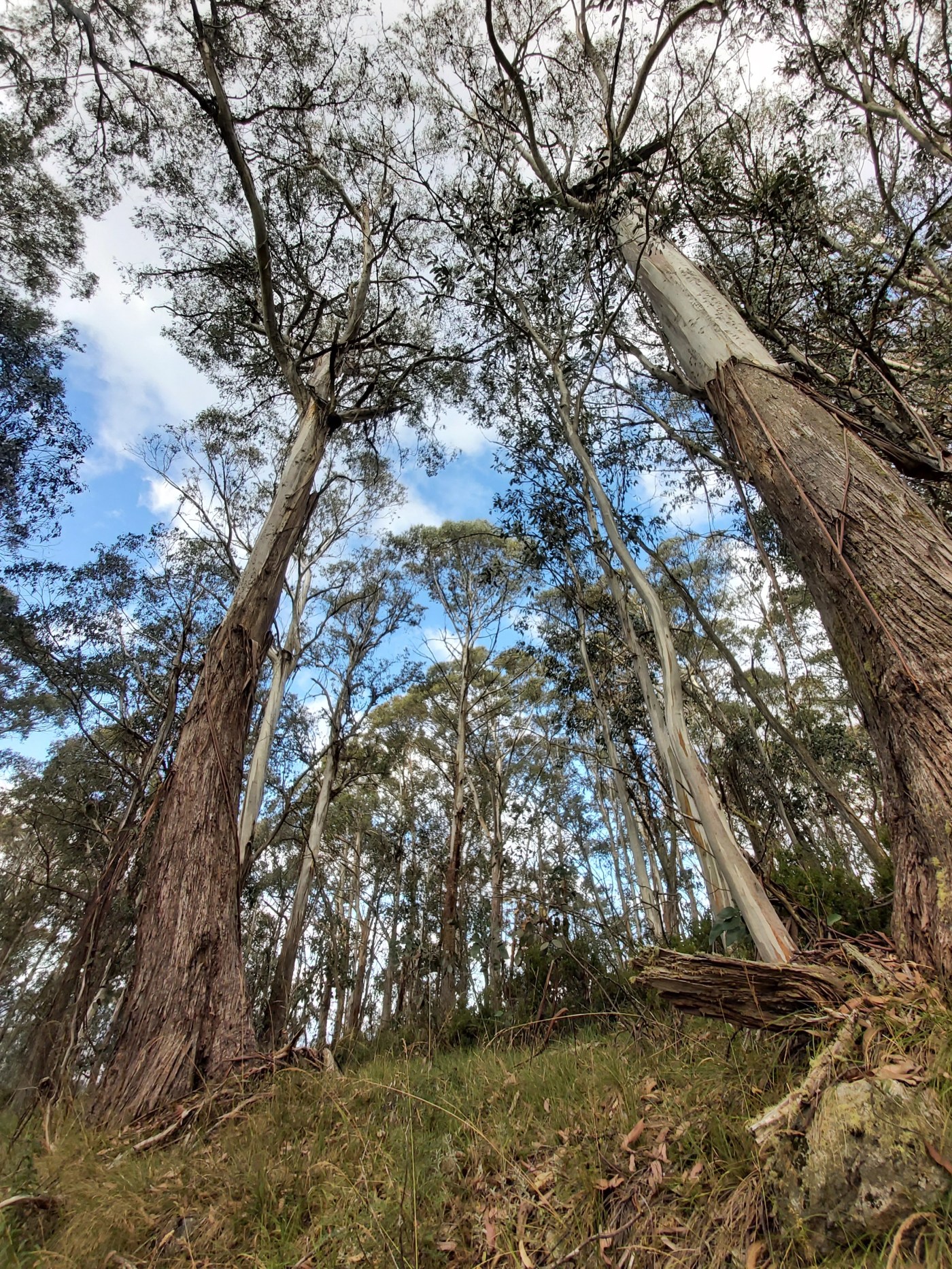
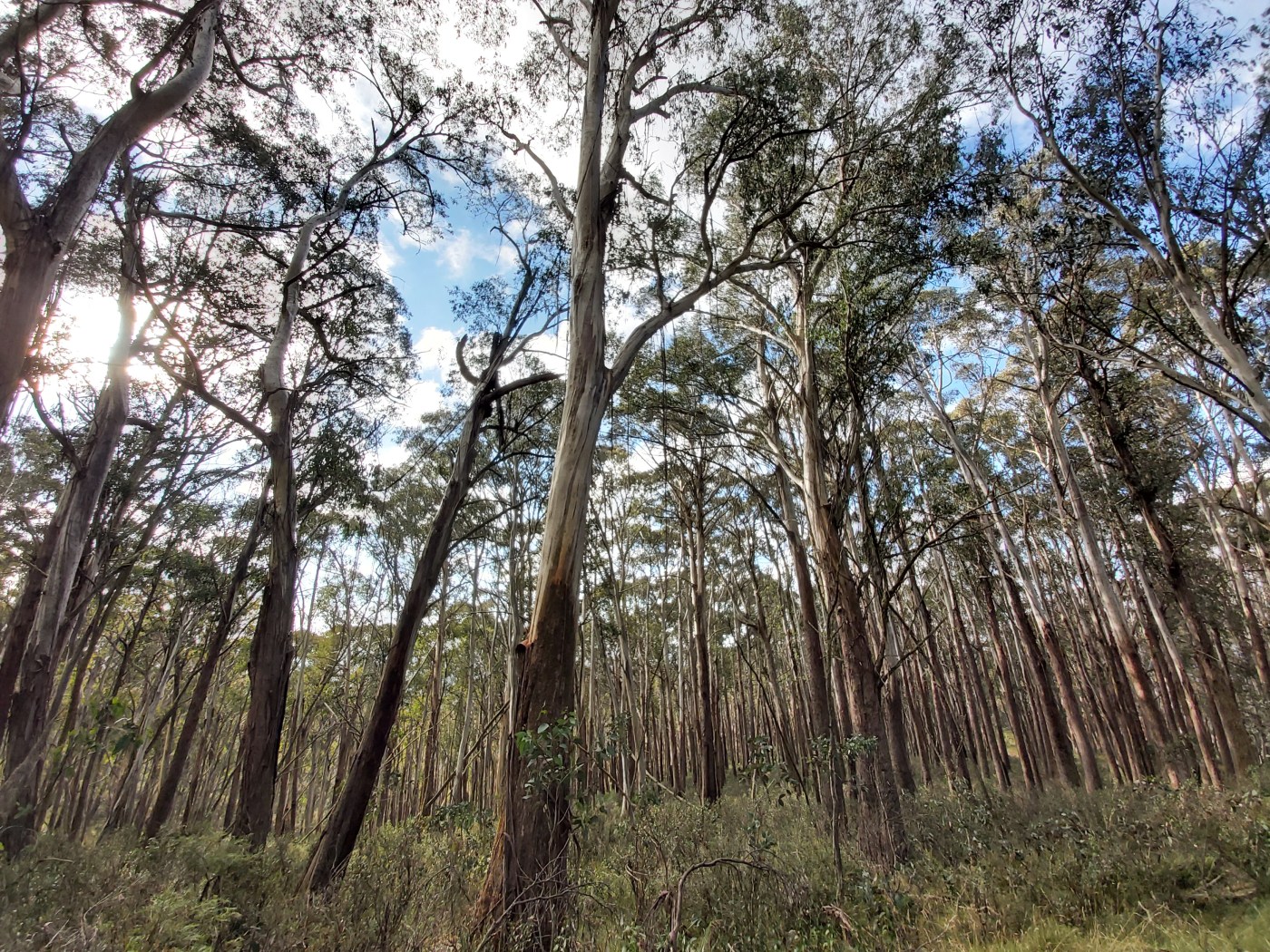
Snow Gums (Eucalyptus pauciflora) are the classic alpine tree of the High Country, generally growing at heights between 1,300 and 1,800 metres asl. Anyone who has visited the Australian High Country will know – and probably love – these trees.

In recent decades, wildfire has been devastating huge areas of the Snow Gum forests, with significant fires in the Victorian High Country in 1998, 2002/3, 2006/7, 2013 and 2019/20. More than 90% of Snow Gum habitat has been burnt at least once in the last 20 years.

The species can survive fire. However, climate change driven fire seasons are leading to more frequent fire, which is causing more death of trees and changes to forest structure. In some instances, localised collapse of Snow Gum woodlands is now being observed. As climate scientist Michael Mann describes it, we are now seeing climate change play out in real time.

We must ask whether we are now seeing the start of the collapse of Snow Gum woodlands, one of Victoria’s iconic vegetation communities.

Continue reading “An Icon at Risk: current and emerging threats to the Victorian Alps”
Featured post

Getting ready for the next Big One

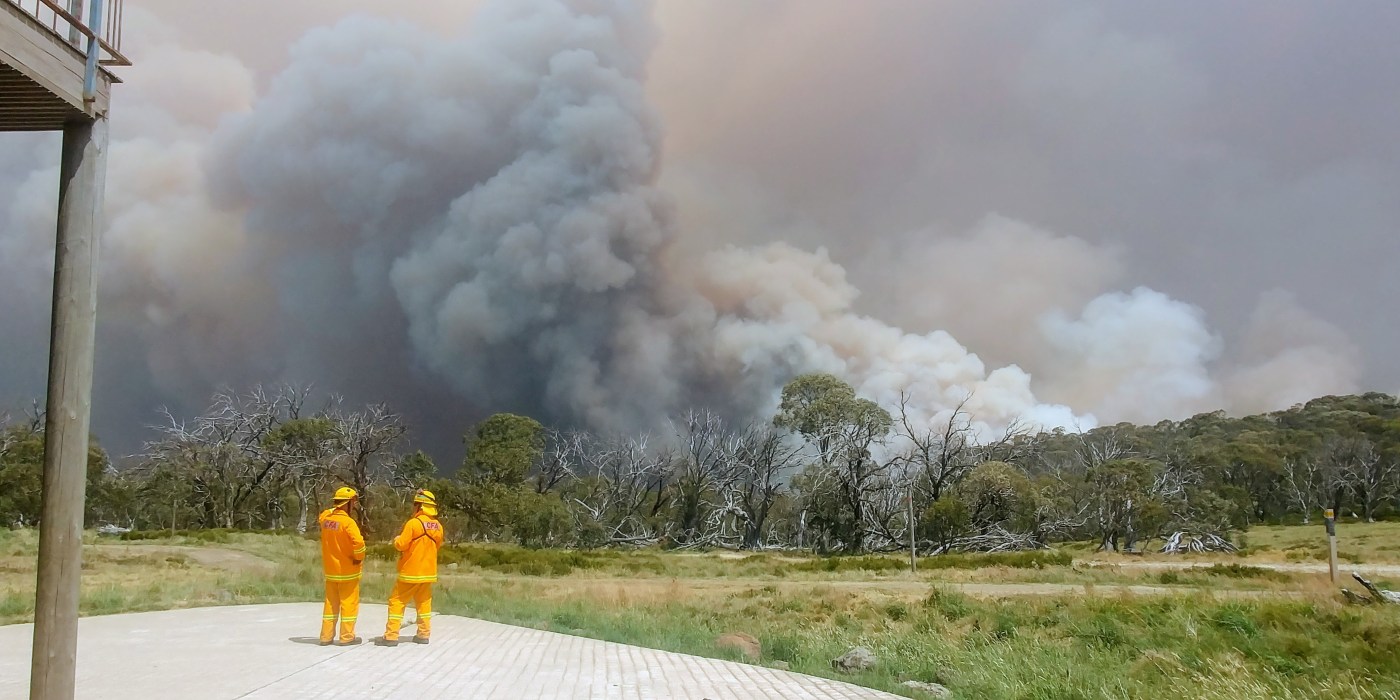
As Victoria shivers through a good, old fashioned winter, it might be a strange time to be thinking about fire. But next fire season will be with us soon enough, and there are some lessons for us from the horror summer currently being experienced in the northern hemisphere.

A 1.5 million hectare bushfire is raging in Siberia, and Alaska is burning. So are large parts of Turkey. The ‘heat dome’ that brought record breaking temperatures to the Pacific North West of North America has been followed by a fire season comparable with what we experienced over the terrible summer of 2019/20. California is experiencing a fire season that started in their winter. In January, Issac Sanchez, of Cal Fire Sacramento said “we’re not seeing ‘fire season’ any more. It’s just one big fire year, where we can be prepared for and expect a large destructive fire at any point.”

Continue reading “Getting ready for the next Big One”

Lessons from the Tasmanian fires of 2018/19: state has entered a ‘new era of bushfire risk’

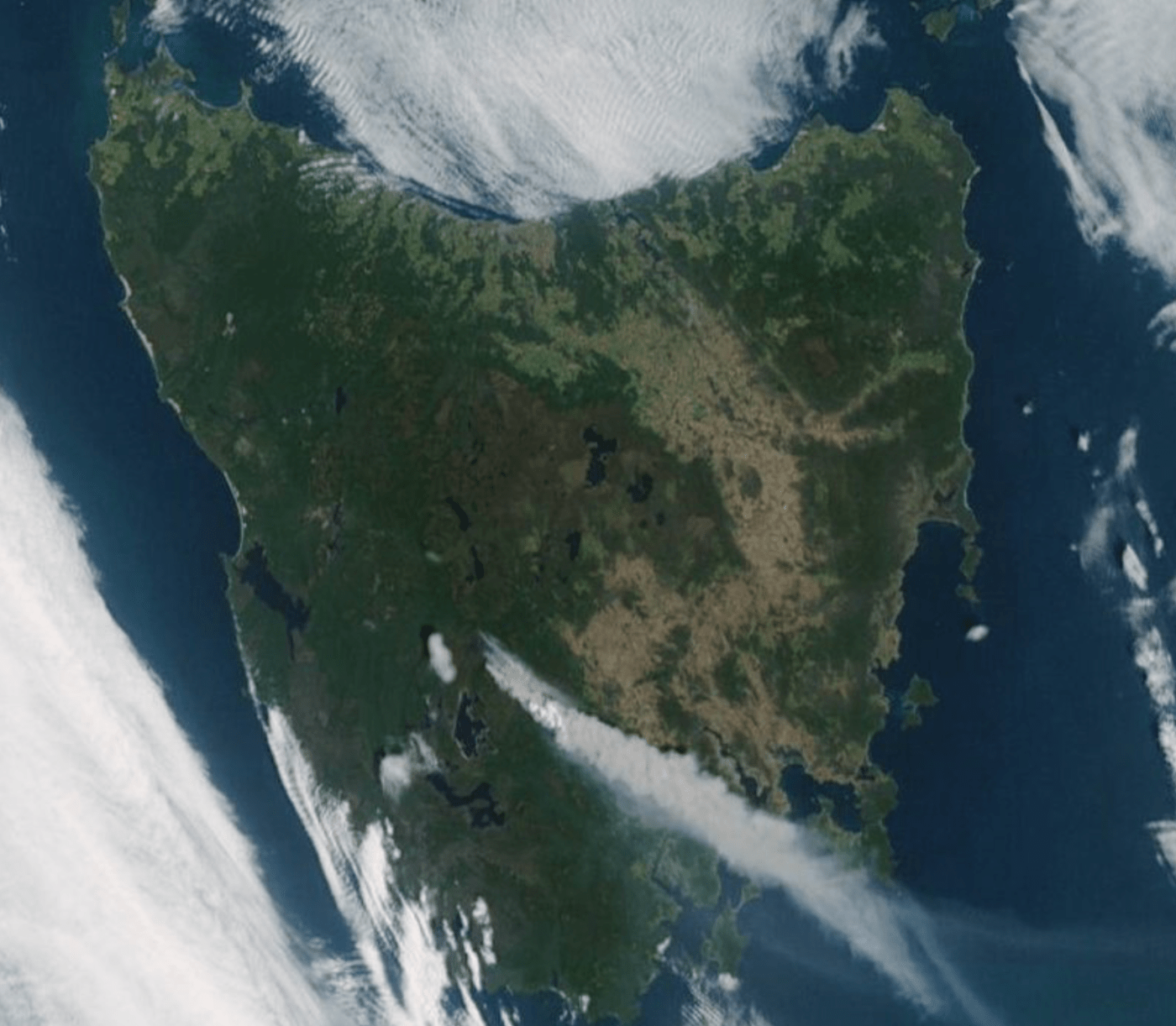
Over the summer of 2018/19 huge fires burnt across Tasmania. An independent review of Tasmania’s management of the summer bushfires was released in August 2019. It found inadequacies in the response to the fire burning near Geeveston, and revealed that crews withdrew from the Gell River fire in Tasmania’s southwest in the mistaken belief it was out. The fire then expanded again and became out of control.

The report made a series of recommendations

Now, a comprehensive study examining the 2018/19 and the experience of authorities and affected groups by Insurance Group Zurich has found that the state has entered a ‘new era of bushfire risk’.

“Since the turn of the millennium, climate change and land use change have converged to bring about a new fire regime in Tasmania,” Zurich’s first Australian Post-Event Review Capability (PERC) report said.

More than two thousand dry lightning strikes hit the state during that summer, igniting 70 fires that formed into four massive fire complexes. Over 95,000 hectares of protected land was burnt.

Continue reading “Lessons from the Tasmanian fires of 2018/19: state has entered a ‘new era of bushfire risk’”

Community views on managing bushfire risk

As governments grapple with the threat posed by climate driven fire seasons, there is an ongoing debate about the role of fuel reduction burning (also called proscribed burning). While many experts agree that fuel reduction does play an important role in fire management, it is growing increasingly ineffective as fires become more severe and more frequent due to the impacts of climate change. While planned burning (and other fuel management techniques) can alter fuel loads, it must be carefully applied to reduce the risk of bushfire.

The Victorian government is currently running a survey about attitudes in local communities about how to manage bushfire risk.

Continue reading “Community views on managing bushfire risk”

Threatened Species and Fire Recovery: a special community event

Endangered snow leopards or mountain gorillas? Not in Australia – but we do have native animals and plants threatened with extinction, right here in the Upper Ovens Valley.

The Upper Ovens Valley Landcare Group is hosting a special community event on Saturday June 19 to explore the ecology of some of these very special local species, why they are at risk and what can be done about it.  

Continue reading “Threatened Species and Fire Recovery: a special community event”

Alpine Ecology Workshop

On May 1, an alpine ecology workshop was held at Dinner Plain, which had a focus on alpine peatlands.

The day was supported by a range of groups and featured fantastic presentations from peatland experts, followed by a wander and chat through some of the peatland systems that exist in Dinner Plain. It brought together locals, people interested in alpine ecology from the broader region, and a wonderful cast of experts. One of the key messages I took from the forum was that fire is a grave short-term threat to peatlands and already impacting widely on this vegetation community.

Congratulations to Gail Owen, a Dinner Plain resident and member of the BDPO Landcare Group, High Country Landcare Facilitator Lisa Lee and NECMA Biodiversity Project Officer, Phillip Falcke, and Bev Lawrence and Aviya Naccarella from Mt Hotham Alpine Resort Management for organising an excellent and informative day.

Continue reading “Alpine Ecology Workshop”

Alpine Ecology workshop at Dinner Plain

This full day workshop will happen at the community centre at Dinner Plain on Saturday May 1.

It will feature a great range of speakers, covering:

  • alpine peatland ecology
  • fire and alpine environments
  • opportunities to be involved in ecosystem restoration in the high country.

Continue reading “Alpine Ecology workshop at Dinner Plain”

Tracking Snow Gum decline

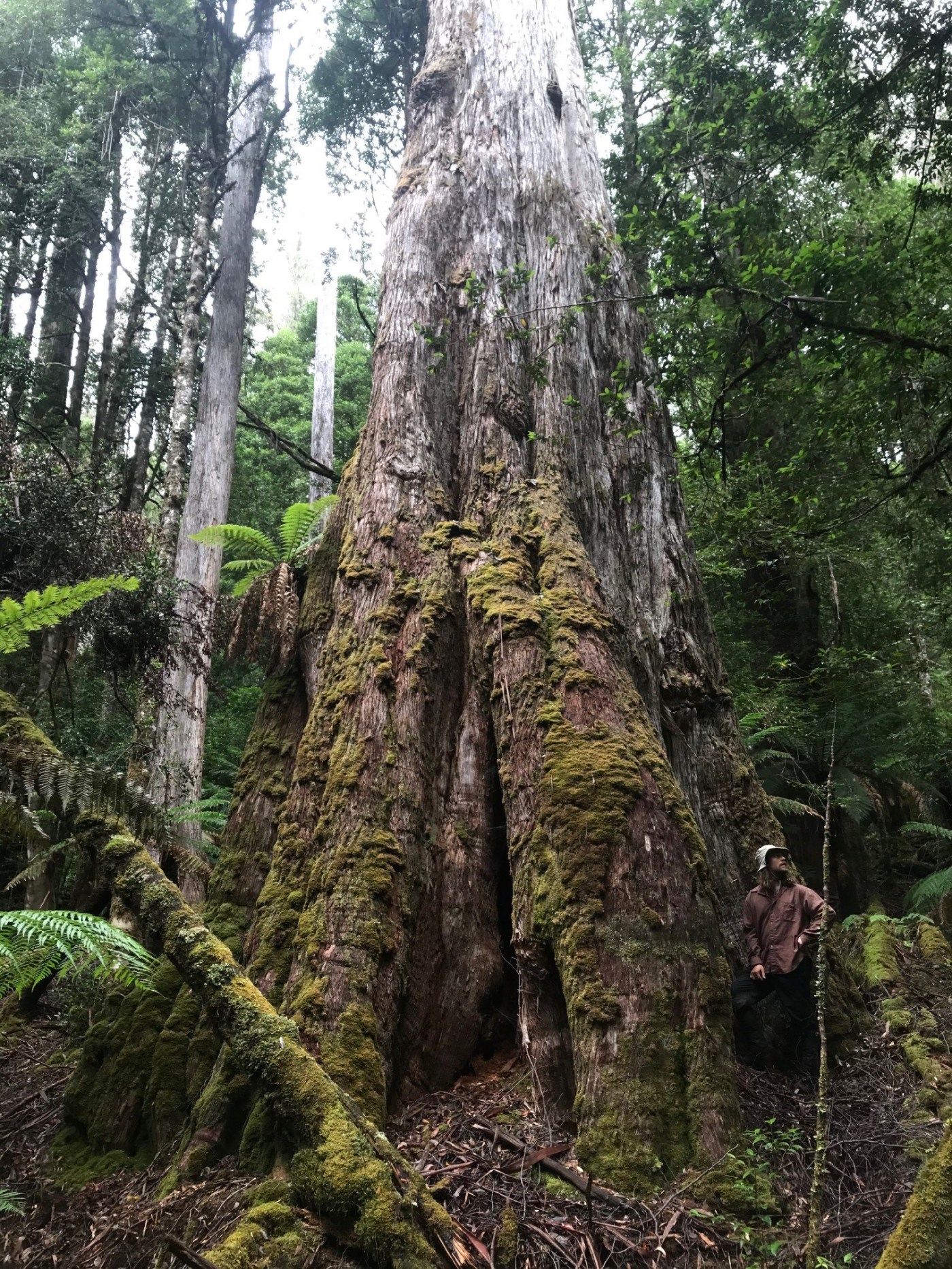
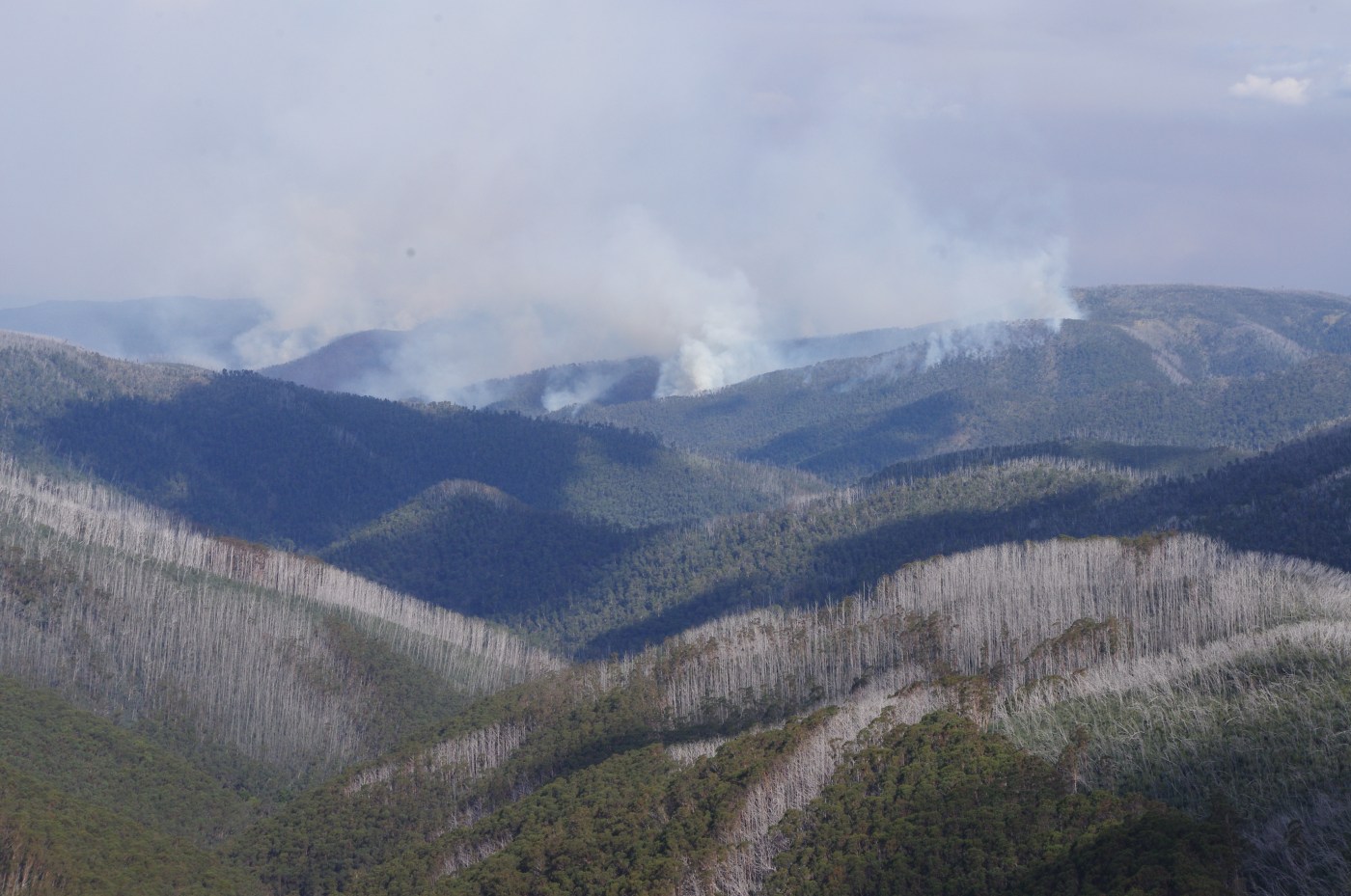
Alpine Ash is a quintessential tree of the higher foothill country of the Australian Alps. It is facing an existential threat from fire. It has had 84% of it’s range burnt since 2002. Fires have burnt 84% of the bioregion’s 355,727 hectares of alpine ash forest, with 65% burnt in 2002/03 in the north of the Alps, 30% burnt in 2006/2007 in the south, and a smaller area (2%) burnt in 2009. Four per cent of the forest area was burnt twice within five years. And last summer, additional areas were burnt in the east of the state. This has led to scientists warning that large sections of Alpine Ash forests are on the verge of collapse.

Snow gums are the classic alpine tree of the mainland, generally growing at heights between 1,300 and 1,800 metres asl. But wildfire has also been devastating large swathes of snow gum habitat, with significant fires in the Victorian High Country in 1998, 2002/3, 2006/7 and 2013. Much of Kosciuszko National Park was burnt in 2003. South Eastern Australia suffered from a drought that lasted more than a decade and this greatly increased the severity of the fires that have occurred since the turn of the 21st century. The result of the fires is that often the parent tree has been killed back to ground level, with subsequent re-shooting of leaves from lignotuber buds under the bark. In this way, individual trees can exist through various ‘lives’, often surviving multiple fires.

The Victorian government is now so concerned about the threat of fire on Alpine Ash communities that it has launched a seeding program to help the species survive.

As yet the government does not see the need to intervene in the same way with Snow Gums.

Continue reading “Tracking Snow Gum decline”

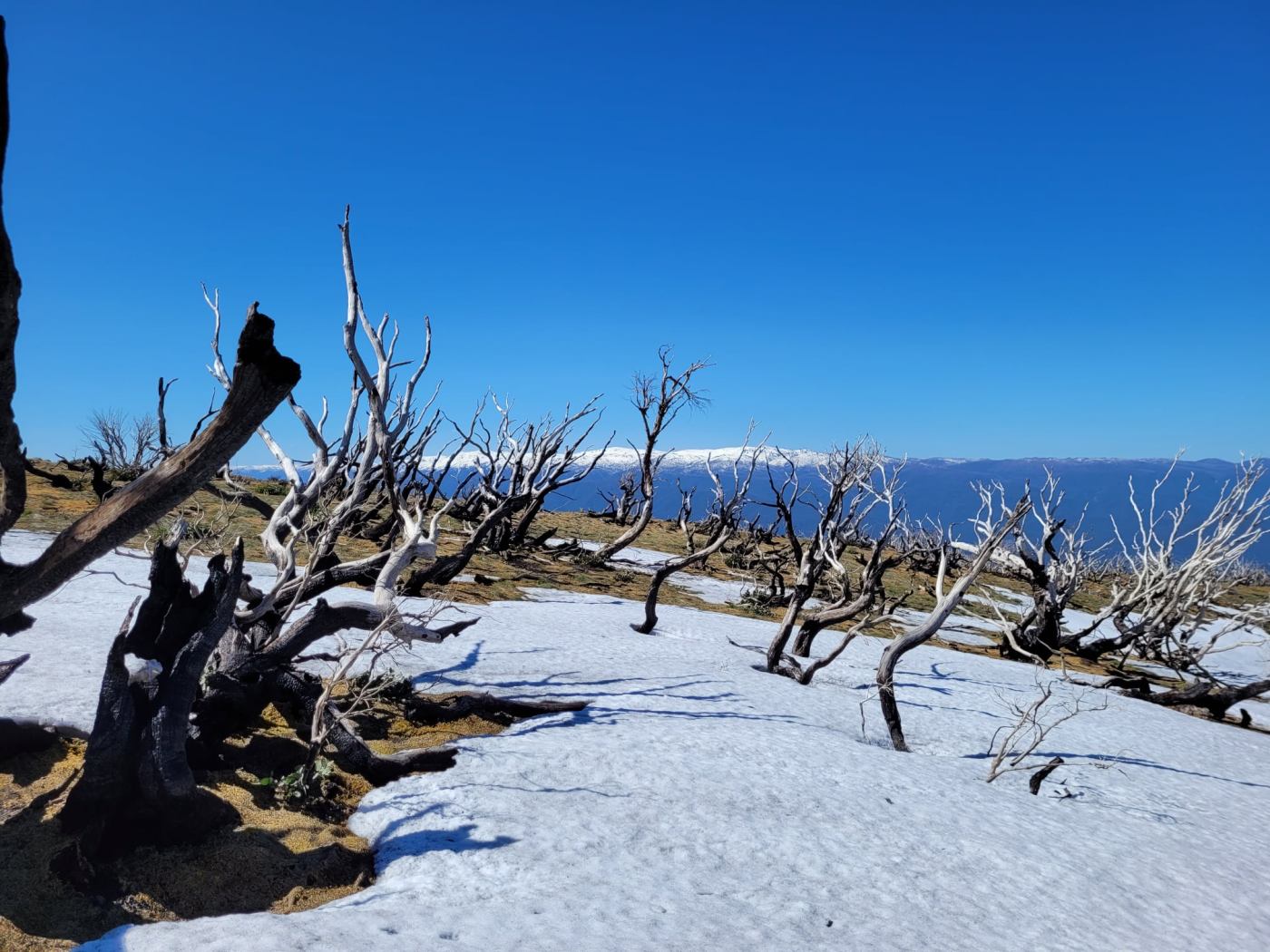
Ghost Forests of the High Country

Over 90% of the Victorian distribution of snow gums has been burned at least once since 2003. Some areas have been burnt multiple times, and this is impacting on the ability of these forests to recover. Like other Eucalypts, Snow Gums are fire adapted and can recover via new seedlings or regrowth from the base of the tree. However, repeated fires within a short period of time can kill the parent forest and destroy seedlings.

Continue reading “Ghost Forests of the High Country”

Blog at WordPress.com.

Up ↑