Search

Mountain Journal

Environment, news, culture from the Australian Alps

Tag

fire

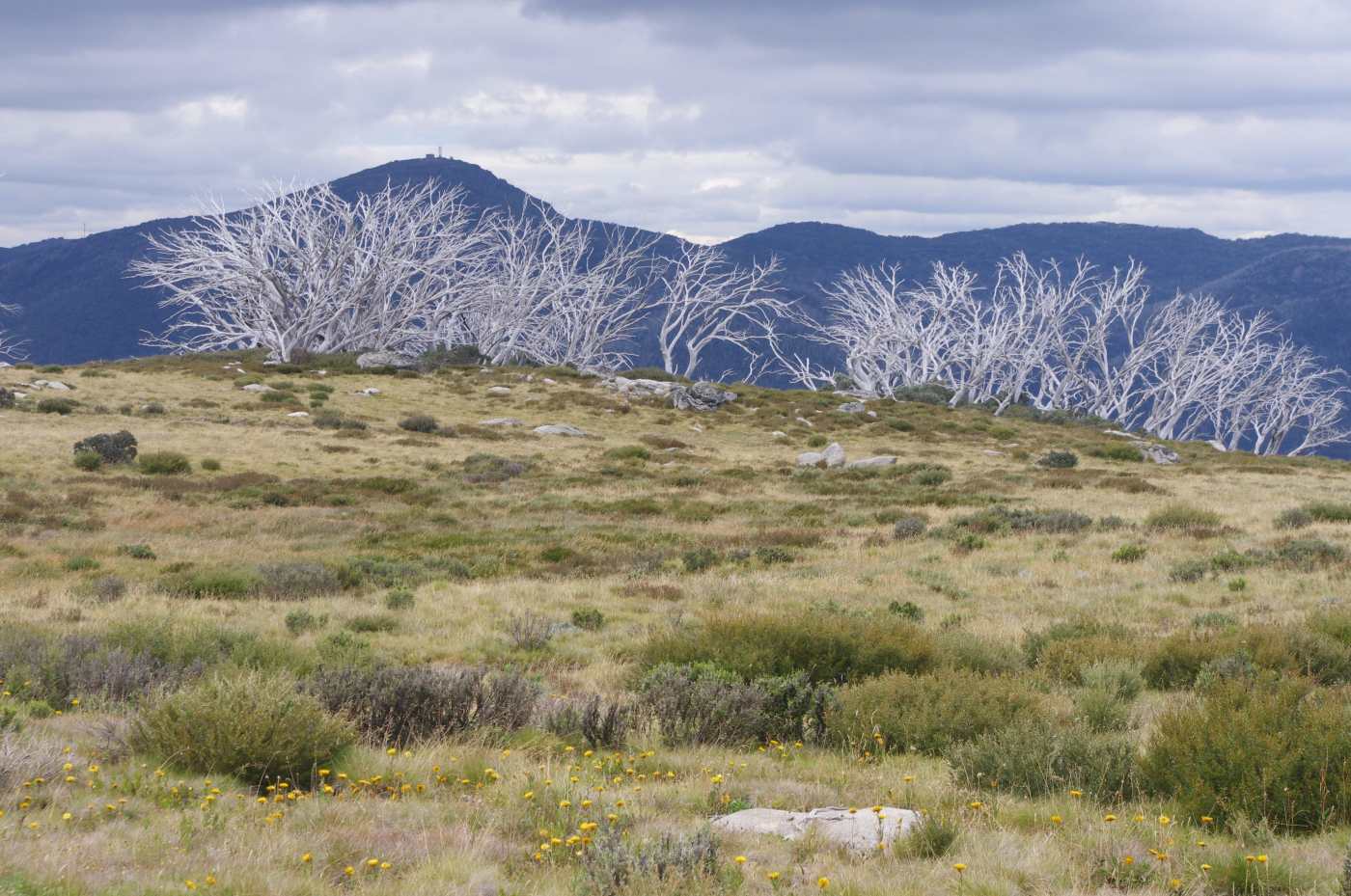
IPCC report points to collapse of Alpine Ash and Snowgum woodland

The IPCC WGII Sixth Assessment Report has just been released (and is available here).

The take home message is:

Further climate change is inevitable, with the rate and magnitude of impact largely dependent on the emission reduction pathways that we choose. Time is running out if we want to act.

The final sentence of new IPCC report is: “The scientific evidence is unequivocal: climate change is a threat to human well-being and the health of the planet. Any further delay in concerted global action will miss a brief and rapidly closing window to secure a liveable future.”

The Chapter on Australasia (available here) has a considerable amount of detail on likely impacts on mountain areas of south eastern Australia and lutruwita/ Tasmania. Some of these are summarised below. It looks at both observed impacts and predicted future impacts (applying a level of certainty to each of these).

Continue reading “IPCC report points to collapse of Alpine Ash and Snowgum woodland” →

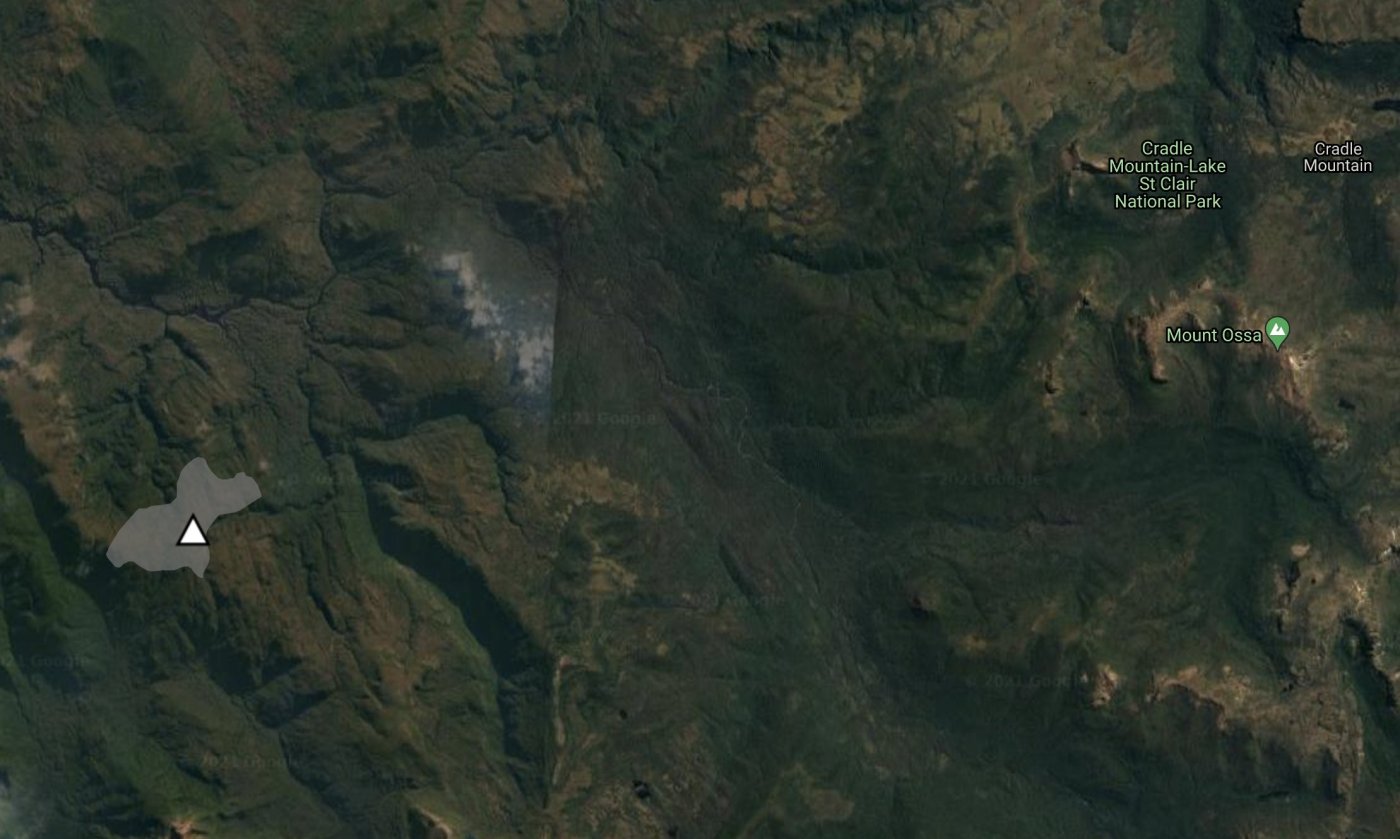
Huon Pine reserve threatened by fire

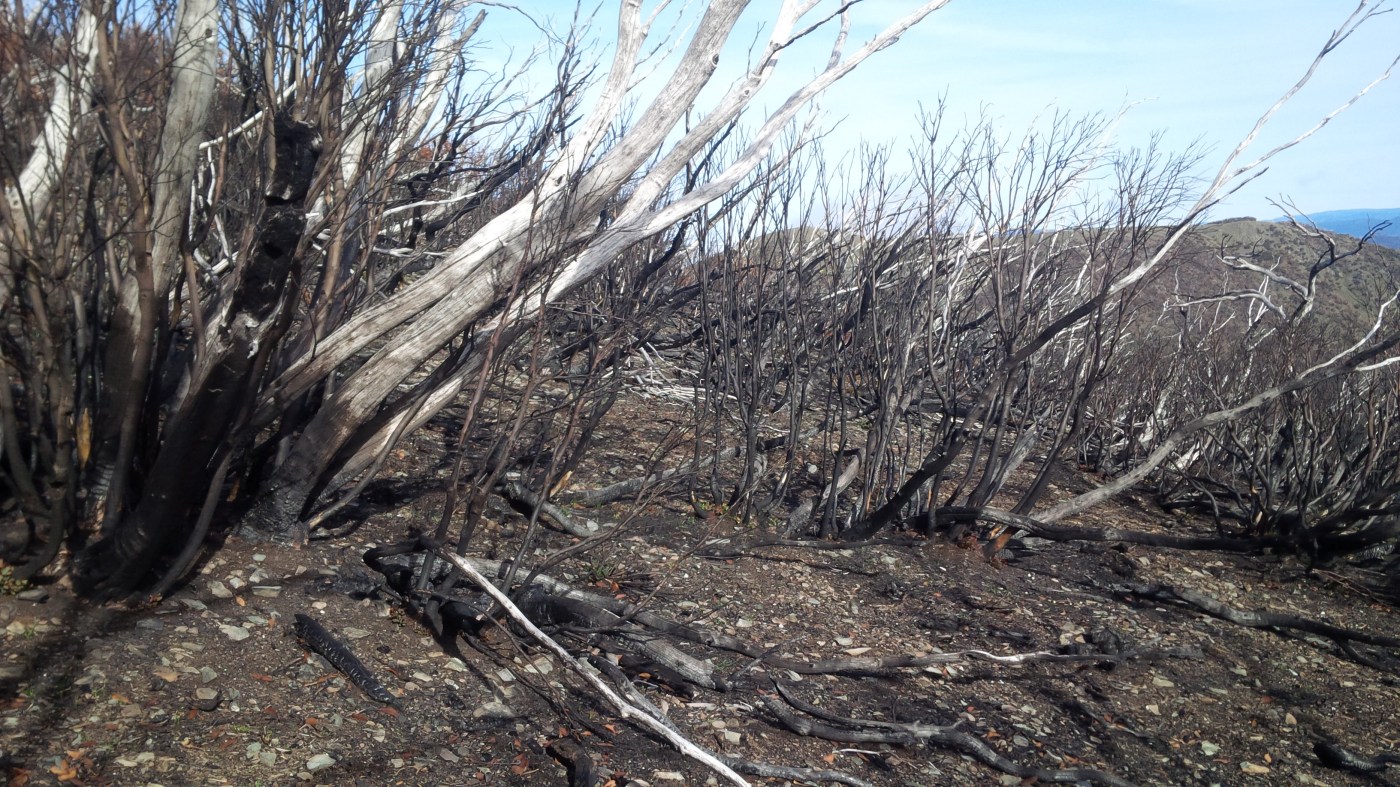
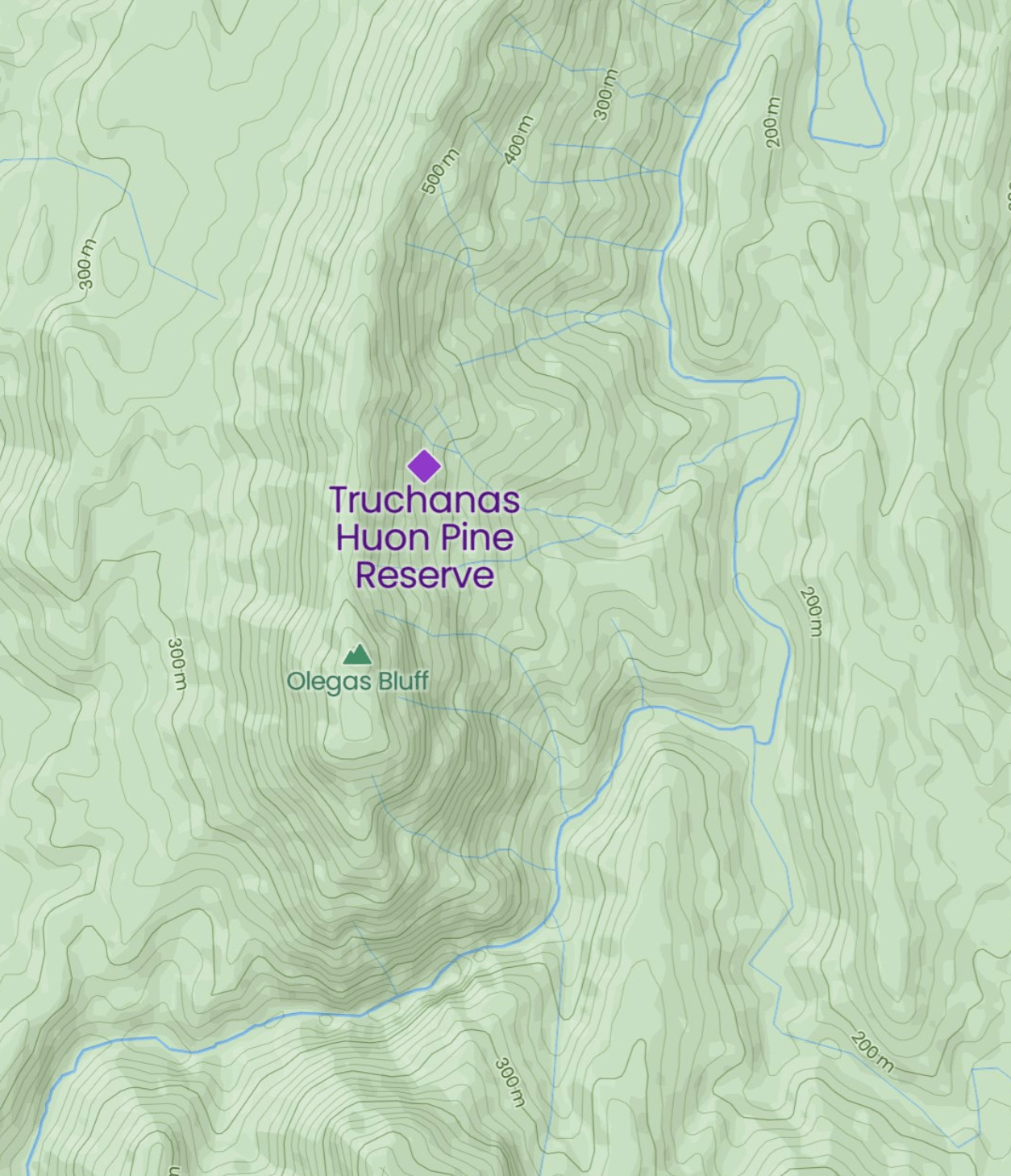
There is currently a bushfire burning at Olegas Bluff within the Franklin-Gordon Wild Rivers National Park in south western lutruwita/ Tasmania.

The Parks and Wildlife Service is undertaking air-based suppression works in the area. The fire is not yet contained and the cause of the fire is yet to be determined.

The most disturbing aspect of this fire is that it threatens the Truchanas Pine Forest, which contains globally significant Huon Pine trees.

Continue reading “Huon Pine reserve threatened by fire” →

‘Mature-aged native forest may never return to parts of Namadgi’

In January and February 2020, the Orroral Valley Fire burnt more than 80% of Namadgi National Park in the ACT. Since then, monitoring and recovery efforts have sought to protect damaged environments and aid the recovery of the park.

A report released in 2021 showed that some areas and forest types were recovering well (for instance, many Candle Bark forests and Snow Gums) however the news was grimmer for other vegetation types like Alpine Ash.

Two years on, it is clear that full recovery will take many years and sections of the park will never be the same. Mature-aged native forest may never return to parts of Namadgi National Park because climate change is impacting regeneration.

Continue reading “‘Mature-aged native forest may never return to parts of Namadgi’” →

Fires in south west Tasmania

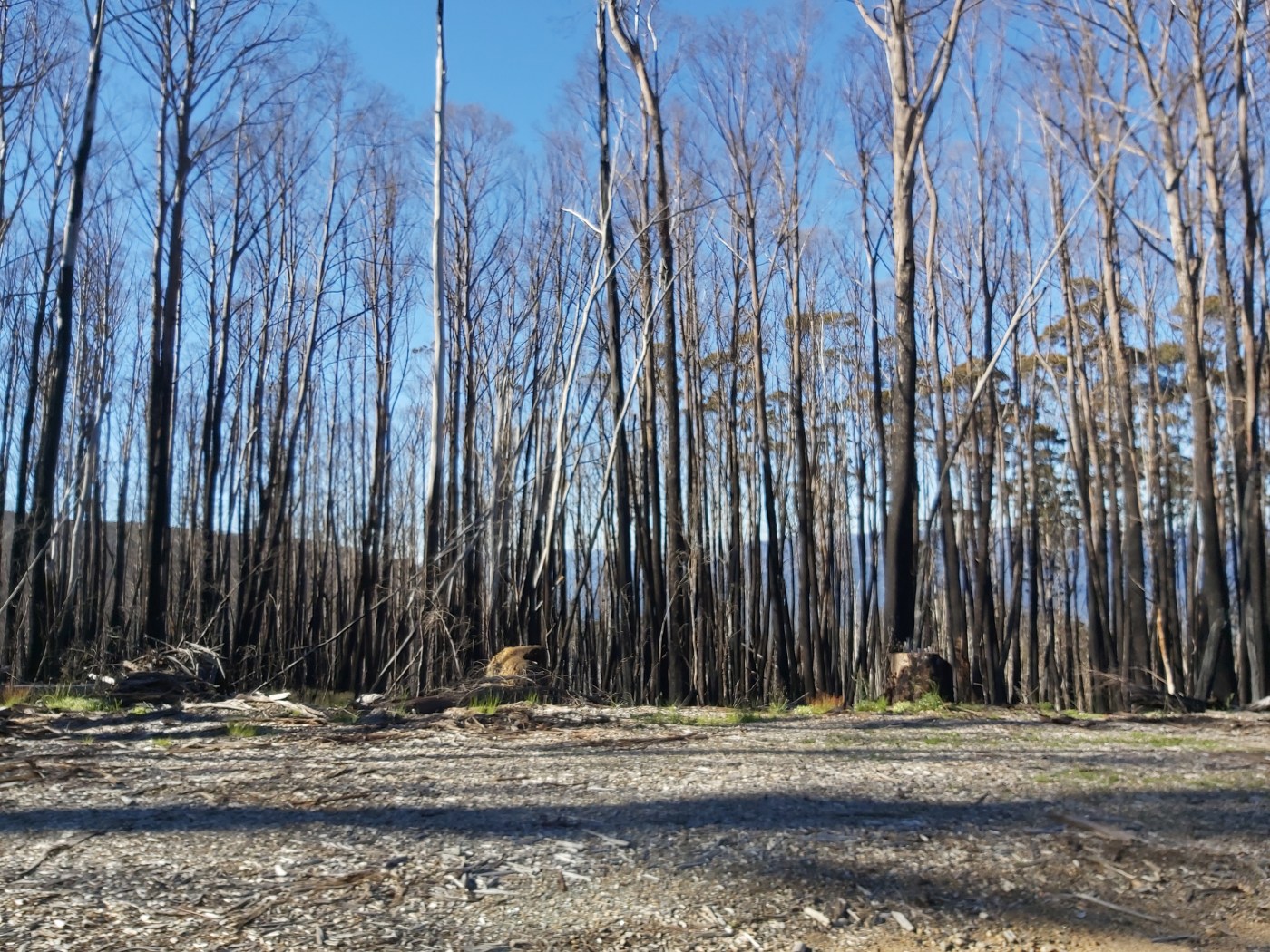
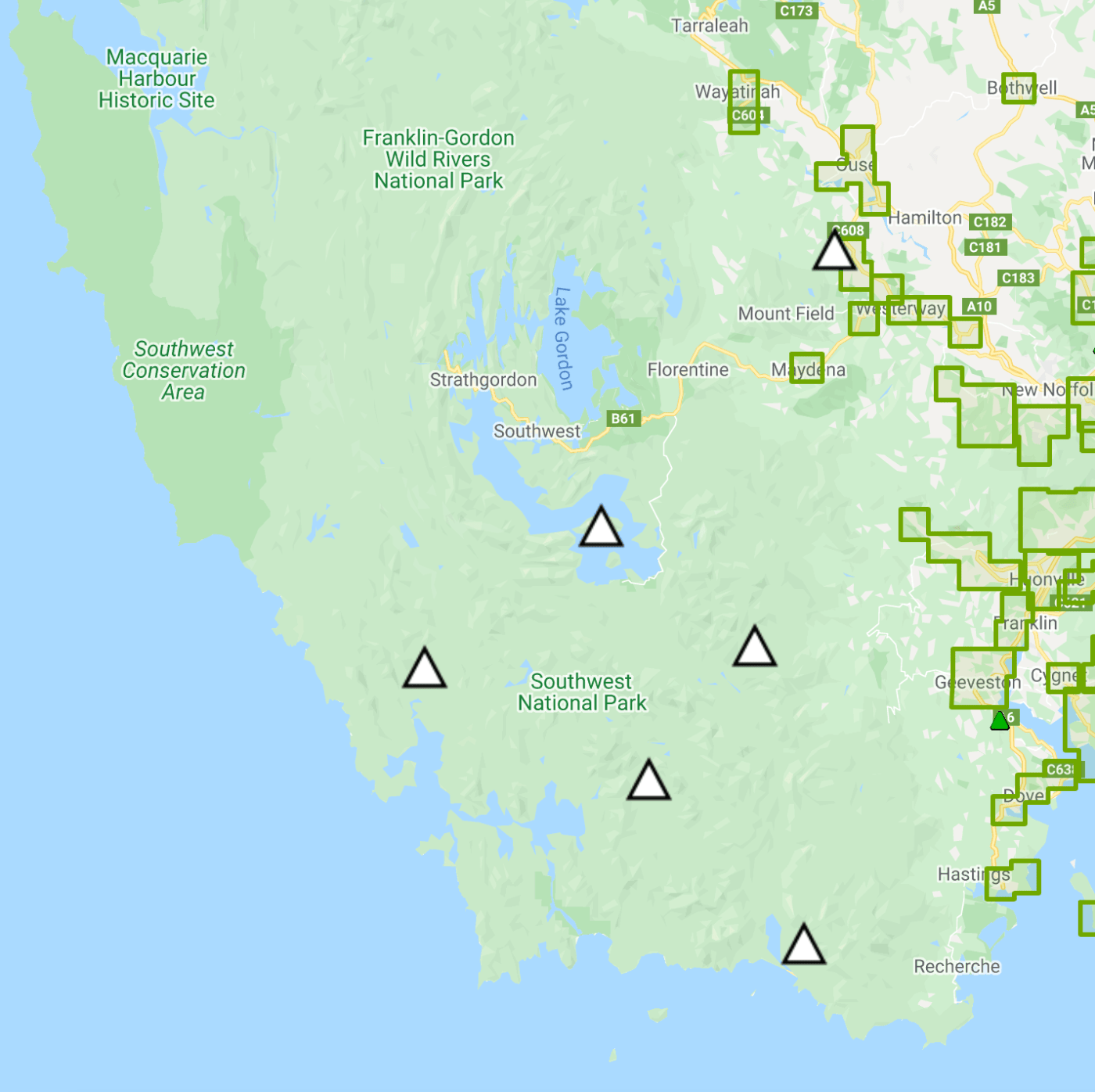
A number of small fires are burning in World Heritage Areas in lutruwita/ Tasmania. At this point details on each fire is fairly scare. This post will be updated as extra details arrive. Initial post: JAN 31, 2022.

Continue reading “Fires in south west Tasmania” →

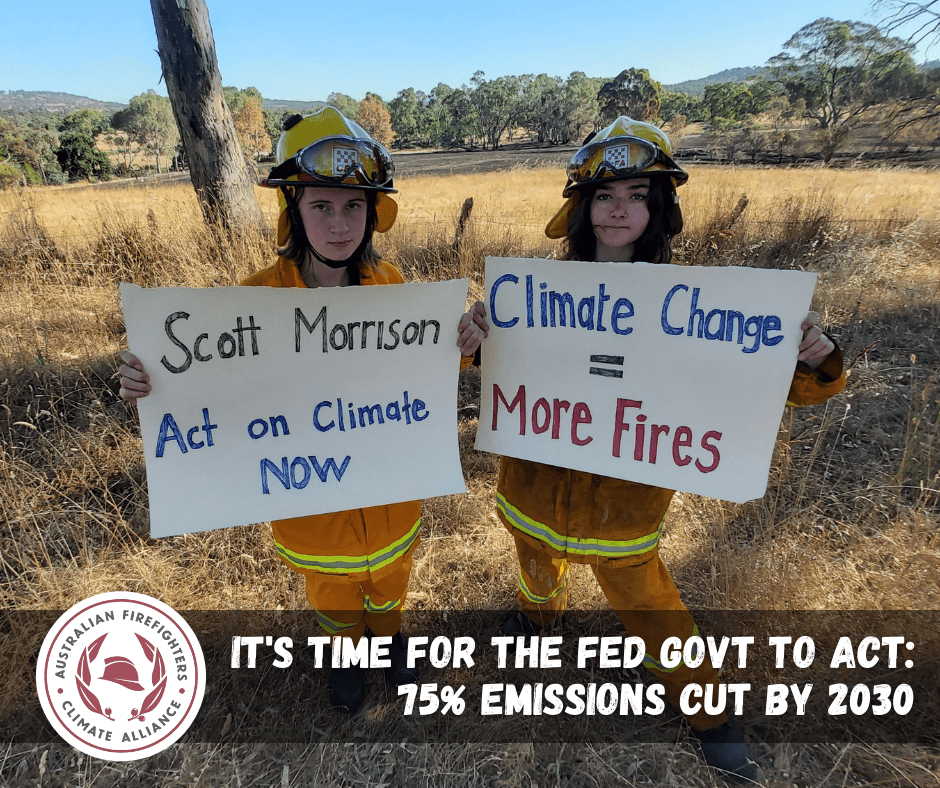
Firefighters demand climate action

Bushfires are becoming more frequent and the bushfire season is coming earlier and lasting longer because of climate change.

These longer fire seasons in Australia are not “normal”. They are being driven by human induced global heating (climate change). Unless we act now to reduce our emissions in line with what climate science suggests, we will become locked in to ever worsening fire seasons. We know that climate driven fires pose an extreme threat to mountain environments like Alpine Ash and Snow Gums.

The Australian Firefighters Climate Alliance (AFCA) has launched a new campaign, asking firefighters to post an image of themselves on a fireground, and demanding the Austrtalian government act on climate change.

Continue reading “Firefighters demand climate action” →

Time is running out for mountain woodlands

It is worth going back to a report from 2020 that shows the impacts of fire in Victoria. Most of the area burned in the summer of 2019/20 is in mixed-species eucalypt forests, which are common throughout eastern Victoria, and which can recover well from fire.

But the fires also burnt forest types of more limited distribution including banksia woodlands, warm temperate rainforests, and mountain communities including alpine ash forests and snow gum woodlands.

Continue reading “Time is running out for mountain woodlands” →

Alpine and Mountain Ash face potential declines in a warmer and drier future.

We know that the Alpine Ash forests are struggling to survive in the face of climate change driven fire regimes that are bringing fire into these forests more frequently.

The scale of this threat is so extreme that the Victorian government has a program specifically responsible for reseeding forests that are on the verge of ecosystem collapse.

New research underscores, yet again, that the mountain forests face grave threats from climate change and that this could lead to the transformation of these forests.

Continue reading “Alpine and Mountain Ash face potential declines in a warmer and drier future.” →

Fires in Tasmanian World Heritage Areas

Back in 2019, Tasmania/ lutruwita was badly impacted by wildfires (check here for a diary of those fires). With much of south eastern Australia experiencing a La Nina mild summer, the forecast is for a ‘mild’ season across most of the south east.

But following lightning storms over the weekend of December 18 and 19, 2021, a number of fires have started in remote World Heritage Areas in Tasmania/ lutruwita. It has been noted that since the year 2000, there has been an increase in the number of lightning-caused fires and an increase in the average size of the fires in Tasmania, “resulting in a marked increase in the area burnt”.

This page will track significant fires on public lands in Tasmania during the summer of 2021/22.

Continue reading “Fires in Tasmanian World Heritage Areas” →

Snow Gum citizen science field trip – January 2022

Snow Gums face a massive threat from the spread of dieback which is caused by a native beetle – and also super charged by climate change, and localised collapse of snow gum woodlands due to more frequent fires.

Last winter Friends of the Earth (FoE) published An Icon at Risk, which considers the many threats to the mountains of north east Victoria (the report is available here).

FoE will be hosting a field trip to map impacts of fire over four days in January 2022 in the Mt Hotham region.

Continue reading “Snow Gum citizen science field trip – January 2022” →

Climate change and rise of the ‘mega fire’

Recent research by CSIRO, Australia’s national science agency, shows that climate change has driven a ‘significant increase’ in Australia’s forest fire activity over the last three decades.

A lengthening of the fire season towards Autumn and Winter were also identified, along with an increase in fire activity in cooler and warmer regions including alpine forests in Tasmania and tropical rainforests in Queensland.

This is not really ‘new’ news. The impacts of climate change in terms of length of fire season and intensity of fire is well documented (for instance, the head of the firefighting agency for Victoria’s public lands, Chris Hardman, notes that there has been a 170% increase in bushfire ignitions over the last 50 years, a 20% reduction in spring rainfall, and a 40% increase in very high and severe fire risk days.

What is especially interesting is that this research, which was published in Nature Communications is the first of its kind in that it combines analysis of previous forest fire sites with eight ‘drivers’ of fire activity including climate, fuel accumulation, ignition and management (prescribed burning).

Continue reading “Climate change and rise of the ‘mega fire’” →

Calling mountain firefighters

You may have seen that we are now producing occasional print runs of a Mountain Journal magazine. The first one came out in August this year, is slowly being distributed, and available as a PDF here.

The themes of the first edition were First Nation Voices and Living with Fire. Based on feedback, a popular section was the ‘Around the Campfire’ pages, which feature chats with a number of people.

The second edition will also have a focus on fire but coming from the human side of the story. That’s where I hope you might come in.

Continue reading “Calling mountain firefighters” →

Climate change & fire. The more we learn, the clearer it gets

Its mid November, just a couple of weeks until the start of winter in the northern hemisphere. After a horror summer of fires across the North of the planet, fires continue to threaten communities and landscapes in many areas. This week, mandatory evacuations were announced in the area of Estes Park in Colorado, as some ski resorts in that state prepare to open. The Larimer County Sheriff’s Office announced “evacuate the area immediately and as quickly as possible. Do not delay leaving to gather belongings or make efforts to protect your home or business.” Meanwhile, the city of Denver is getting close to its record for latest First Snow of the season. And after a summer of extreme weather, the north west of North America has been hit by massive floods.

What we do know is that climate change influences wildfire now. The evidence for this is so widespread and compelling that there is really no point in even trying to argue its not a real phenomena. Here is a quick recap of some of the most recent research into climate change and wildfire.

Continue reading “Climate change & fire. The more we learn, the clearer it gets” →

Blog at WordPress.com.

Up ↑