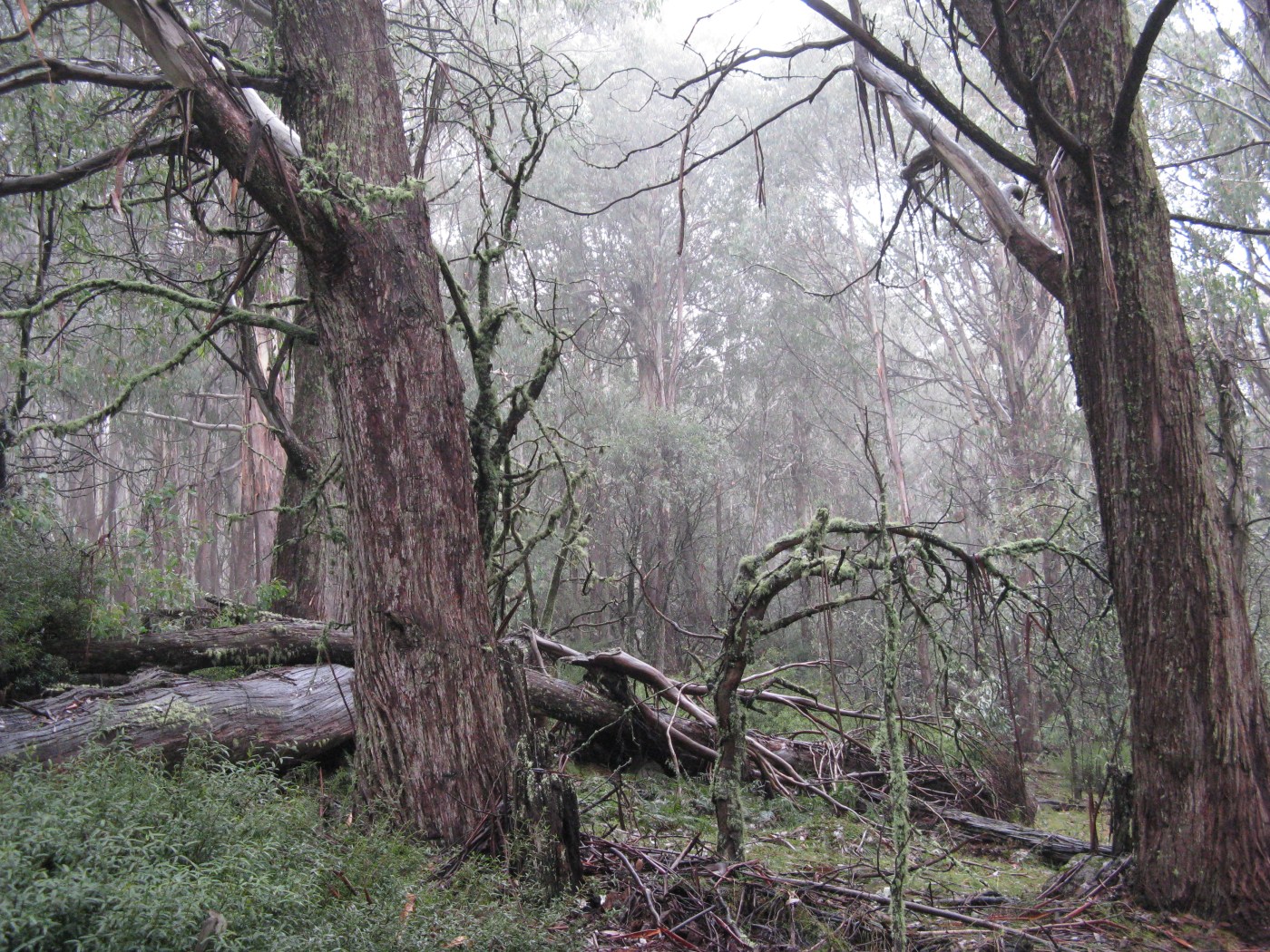
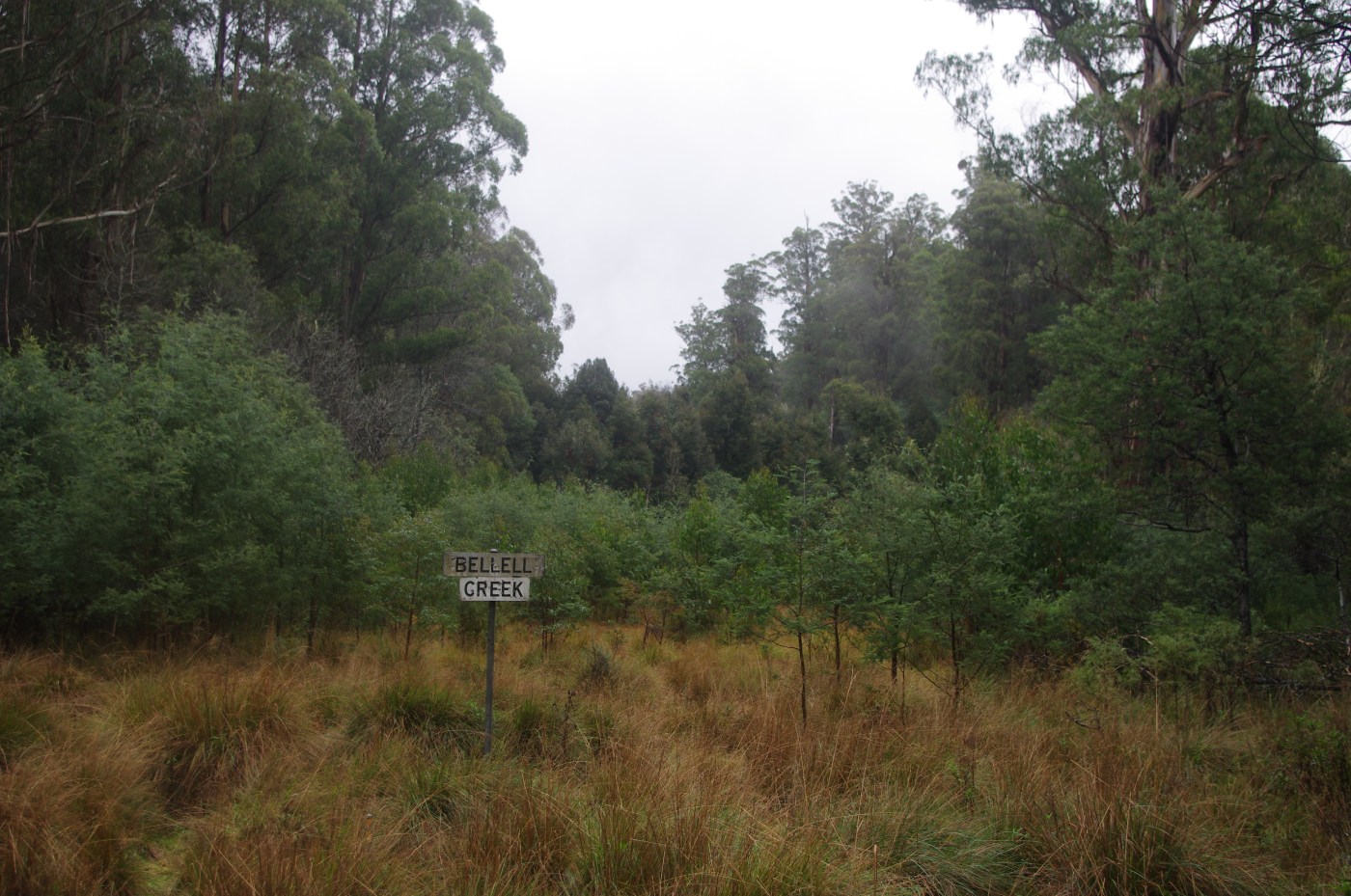
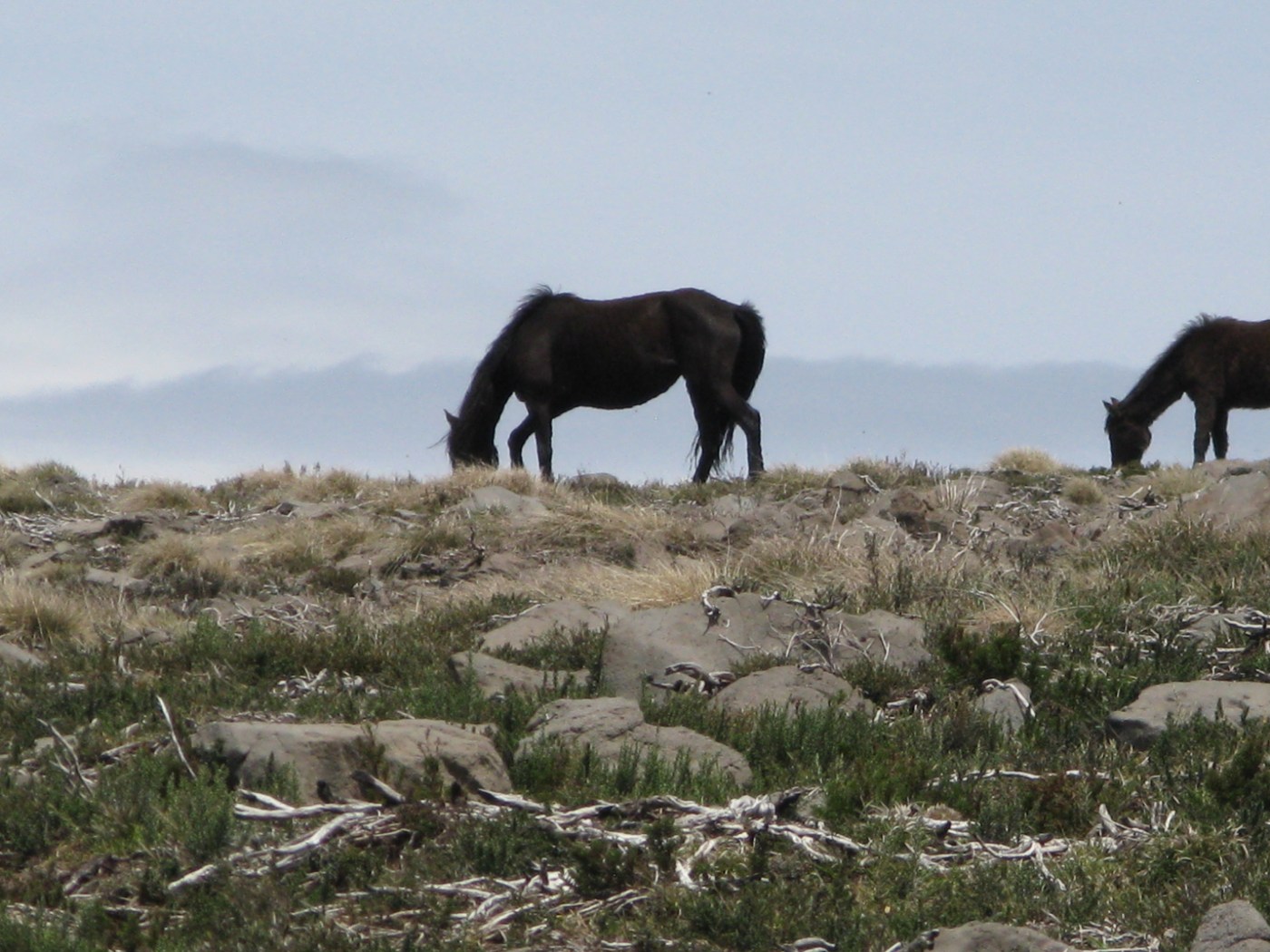
While we are all patiently sitting at home in order to do our bit and ‘flatten the curve’ of COVID-19 infections, logging continues at full speed in the forests of Victoria. And Tasmania has just signed over up to 356 000 hectares of forests that should be in reserves to now be available for logging.
WED April 8: As part of the shutdown to help ‘flatten the curve’ and reduce the numbers of C-19 infections, a large number of areas in the High Country are being closed over Easter and beyond.
Government advice continues to be ‘If you can stay home, you must stay home’, meaning no travel for holidays, camping, etc.
VICTORIA
In Eastern Victoria
• Alpine National Park
• Baw Baw National Park
• Howqua Hills Historic Area
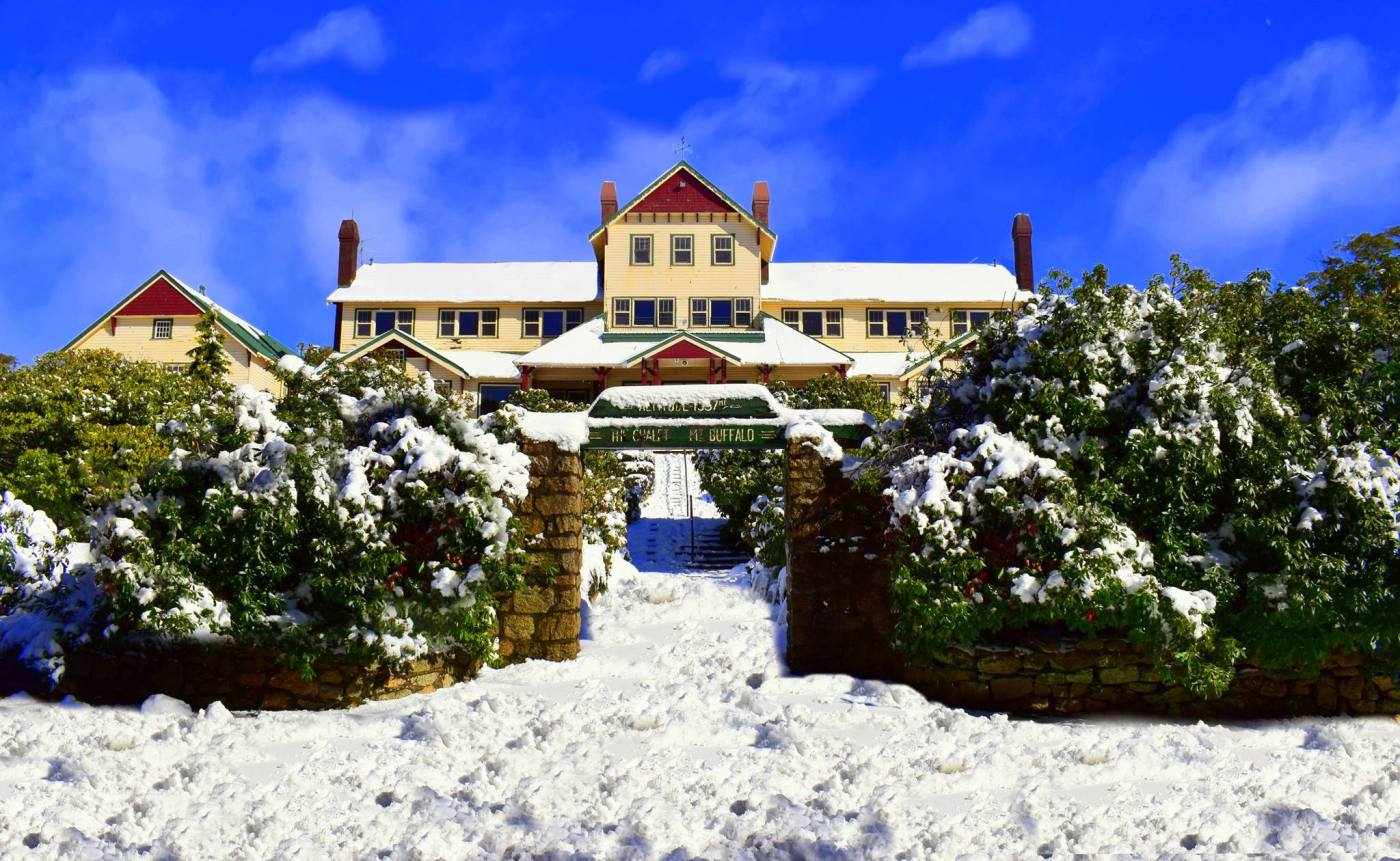
• Mount Buffalo National Park
Are all closed from midnight on April 8 ‘until further notice’. Further details here.
NSW
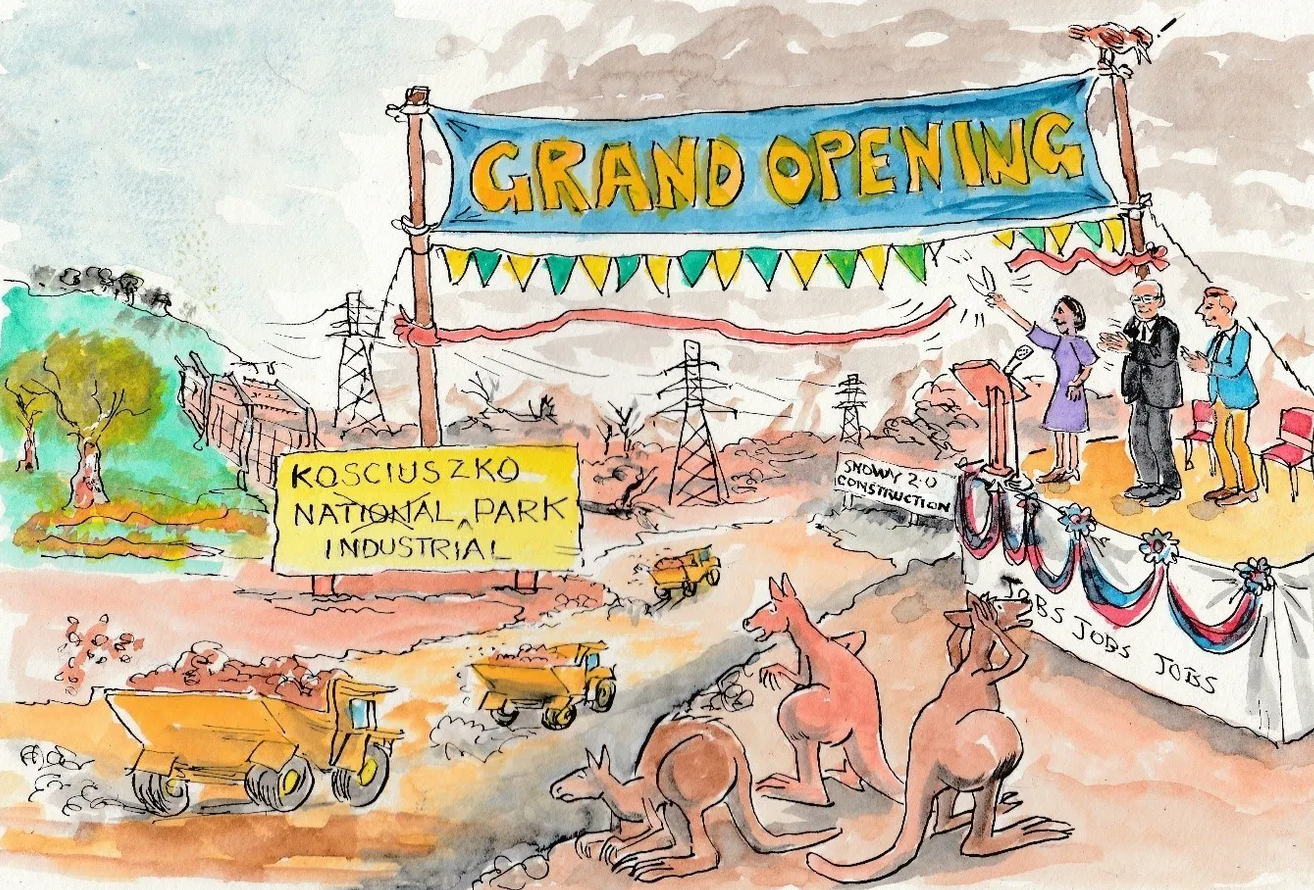
NPWS has closed all campgrounds, camping, on-park accommodation venues and visitor centres in Kosciuszko National Park until further notice.
This includes ‘wild and backcountry camping’ in all national parks.
In line with government restrictions on non-essential travel, the following iconic attractions in Kosciuszko National Park are closed for Easter:
- The summit of Mount Kosciuszko
- Thredbo Valley track
- Kosciuszko Lookout
- Cootapatamba Lookout
ACT
All visitor facilities within the ACT Parks and Conservation Service managed estate have been closed until further notice in response to a temporary shut-down of non-essential services across the ACT.
To stop the spread of COVID-19, the following facilities are closed to maintain social distancing measures:
- Tidbinbilla Visitor Information Centre
- Namadgi Visitor Information Centre
- Woods Reserve
- All ACT public campgrounds
- All playgrounds managed by ACT Parks and Conservation Service
Tidbinbilla Nature Reserve will also be closed, along with Namadgi National Park, which remains closed due to safety reasons following the Orroral Valley bushfire
All other parks and reserves across the ACT will remain open providing the community access to nature for recreation, health and wellbeing. Park visitors must observe social distancing whilst visiting parks and reserves. This means keeping 1.5 metres from others, avoiding large groups of people, avoiding peak usage periods and practicing good hygiene always.
TASMANIA
In an effort to prevent the spread of COVID-19 and keep our community safe, the Tasmanian Parks and Wildlife Service (PWS) has closed all national parks and reserves to public recreational use.
The closure of parks and reserves was in line with Tasmanian and Federal government measures to discourage the community from undertaking non-essential travel during this time. These closures include Wellington Park.
This includes:
- National Parks
- State Reserves
- Nature Reserves
- Game Reserves
- Conservation Areas
- Nature Recreation Areas
- Regional Reserves
- Historic sites.
All activities including day or overnight walks, mountain biking, hunting, other recreational activities and camping are now closed to the public until further notice.
From the Great Forest National Park:
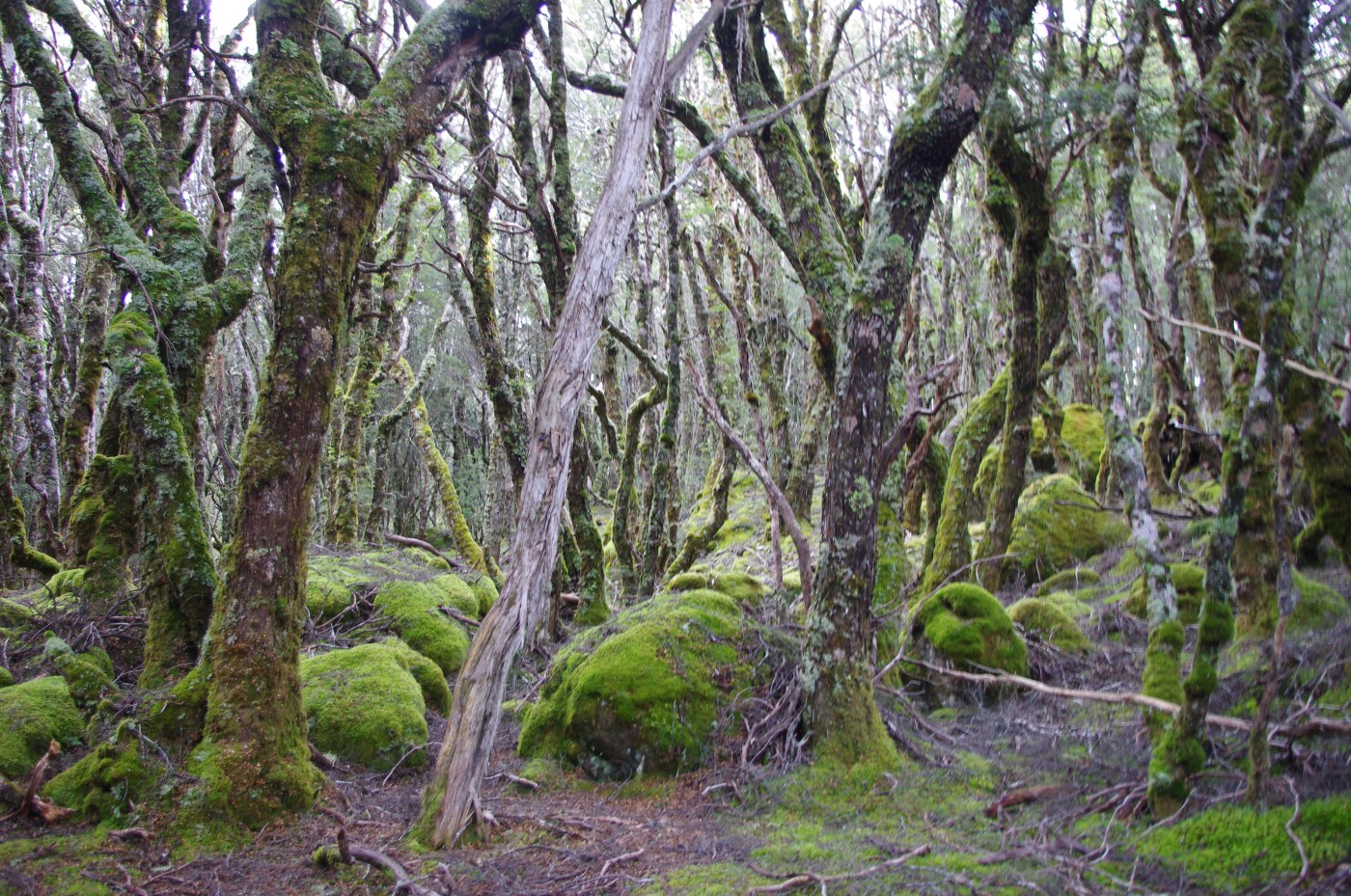
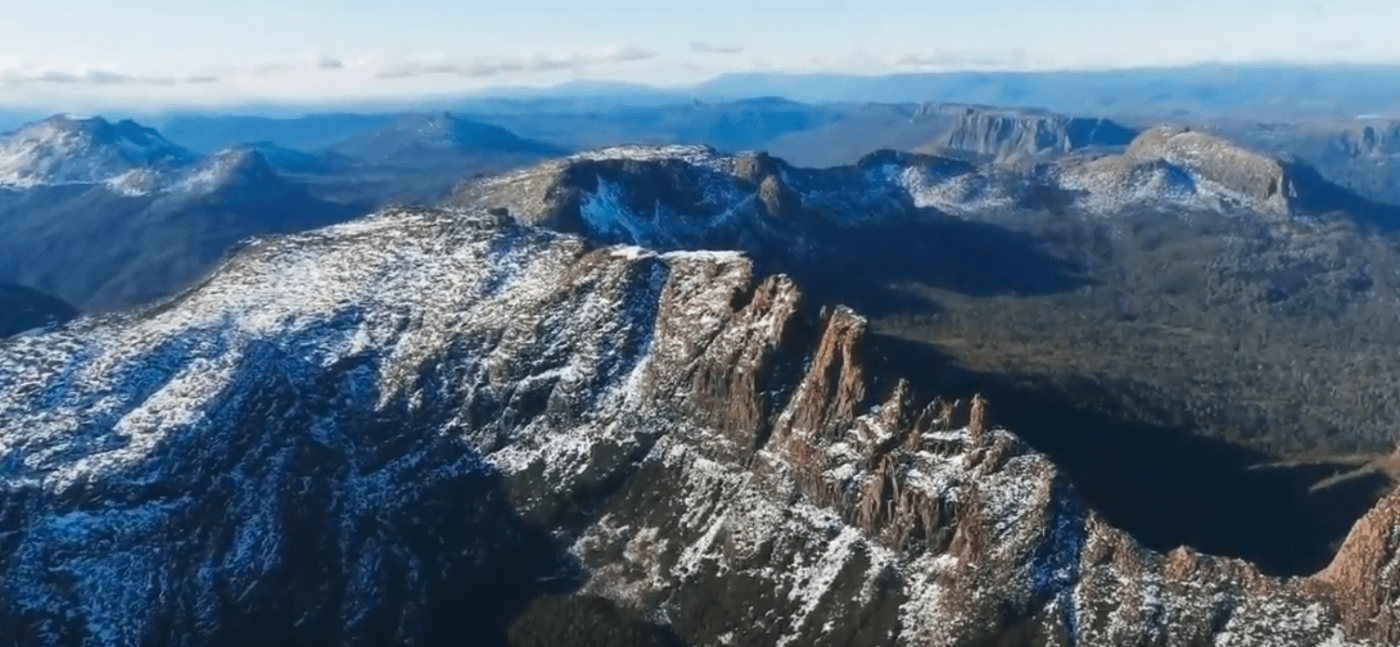
“There has been a little snow falling up on the Baw Baws recently. This tranquil spot called the montane fens is the headwaters of the largest water supply to Melbourne – the Thomson river. And over the next few days we’ll follow this river to your kitchen.
This relatively small stream emerges from a large soaking fen, alive with frogs and birds. But once upon a time this place wasn’t safe and was set to be logged. After a strong battle, in 2008, this unique ecosystem was finally recognised as a site of significance, named a ‘montane fen’ and logging was stopped from ring barking it’s surrounds due to the efforts of scientists and conservationists. This campaign took three years and in securing this spot we also saved the IUCN Red List of Threatened Species critically-endangered Baw Baw Frog.
We must give a big shout out to campaign and science leaders Professor Jean-Marc Hero, Dr Chris Taylor, Sarah Rees, @wilderness_aus, amphibian citizen-scientist David Black, Dr Greg Hollis and all the Zoos of Australia that backed the conservation efforts. Special thanks to folks that gathered on the steps of Parliament, signed petitions and wrote to MPs. Gratitude to Liberal ex-MP Phil Honeywood for raising it in parliament and thanks to Labor ex-MLC Gavin Jennings for delivering its final protection last year in a second conservation covenant under the Immediate Protection Areas.
You can walk the fens in a short circuit and there are some stunning picnic spots just waiting for you as soon as the lockdown is lifted”.
Photo: ChrisTaylor
https://www.facebook.com/ChrisTaylorEnviroPhotography/
You can find out more about the proposal for the Great Forest National Park here.
Just a week or so after a group of energy experts called on the state and federal governments to stop work on the Snowy Hydro 2.0 project, it has been reported that the next stage of the Snowy Hydro 2.0 expansion has been given the green light, with approval for construction of the project’s ‘Segment Factory’.
Continue reading “Snowy Hydro 2.0 gets approval for factory”
It was the end of day four on our 160 kilometre ski tour from the resort town of Aspen to Vail, in central Colorado. We’d had a brutal day, with an early start at 11,300 feet, a long descent off the edge of the Continental Divide, endless touring through deep fresh snow, and a final punishing two hour climb to Jackal hut. But tomorrow was the big day.
Perched on the edge of a meadow with jaw dropping views to Mt Elbert, the highest of Colorado’s 14K peaks, Jackal is a solid log cabin with a big front deck that is owned by the 10th Mountain Division Huts Association. On day five we left the hut just after dawn, shuffling through a dark spruce forest onto a long ridge that climbed towards the 12,000 foot mark. The plan was to take a high route over the mountains to our next destination – Shrine Mountain – rather than a lower and more complex trail below the treeline. I’d been struggling with the downhill sections, and was dreading the descent off the other side.
As fire seasons get longer and more intense, the impacts on the mountains that we love are already obvious. The forests get younger as wave after wave of fire kills the older trees and sometimes come so frequently they also kill off the new generations of seedlings.
Wildfire has devastated large swathes of snow gum habitat in the last few decades, with significant fires in the Victorian High Country in 1998, 2002/3, 2006/7 and 2013. Over 90% of the Victorian distribution of snow gums has been burned at least once since 2003. Each of the large fires of the last 15 years has overlapped to some extent, leaving thousands of hectares of snow gums burned by wildfire twice, and sometimes three times.
The take home message from research into snow gum forest is that if we want to have a hope of keeping remaining old forests, we need to exclude fire from them wherever possible.
I thought I would check out some forests that were burnt this summer. The news is a mix of good and bad.
Back in early March (that seems like two years ago) Protect Our Winters (POW) launched #CrushItForClimate which asked people who love the outdoors to support POW’s efforts to ‘educate, organize and advocate on climate change’.
The idea was to get outdoors and do what you love, while also supporting POW’s work. Since then, more than 400,000 people have been inspired to embark on a climate advocacy journey while scaling and achieving their goals, even as the Coronavirus lockins started.
If you check the Instagram account there are wonderful images of people running, climbing, skiing, riding, and paddling in incredible landscapes. But now its starting to transition into indoor pursuits. It’s definitely worth a look for some couch bound inspiration.
Mountain Journal is a celebration of mountains and the mountain life. Apart from covering issues relating to the Australian Alps and Tasmania, we have tried to acknowledge and celebrate mountain culture, for instance through running interviews with people who have long and deep connection with the hills.
So it was a delight to discover The Mountain Cosmos website, which hosts podcast interviews with people whose lives are focused on mountains, here and overseas.
It is the work of Rouchelle Gilmore.
Continue reading “The Mountain Cosmos – stories from the mountains”
Woah. What a year. We had a good winter – third in a row, despite a late start (the first month of winter 2019 was the sort of winter you would expect under climate change scenarios) although not on the scale of the previous two. We saw some erratic weather (and even Australia’s largest recorded avalanche) but it turned into a decent season, followed by a mellow spring.
But then, fire, fire and more fire. Huge impacts on people and mountains. Then, finally coming out the other side and back to normal life, along came the Coronavirus/ COVID-19 pandemic. And who knows if the lifts will run this winter. The last decade has gone so quickly. Strap yourselves in, it’s going to be a crazy couple of months.
The annual reflection is here.
(I thought we needed a cheerful image. This one from the Climate Strike action at Hotham last September. Image: Karl Gray).
This summer it was all about fires. Then, as the mountains started to open up and the weather cooled down, along came the Coronavirus, and things are locked down again.
Here is the monthly summary of key stories that have been featured on Mountain Journal. Enjoy.
Coronavirus/ COVID-19 is affecting everyone, including the outdoor community. Parks are closed to camping, mountain towns are in lock down, outside people are being encouraged to stay away from regional centres so they don’t put a burden on local health services. Outdoor stores and other small businesses are closing.
It is great that governments are stepping in and providing stimulus packages to support businesses. There is also so much we can do as a community.
Continue reading “Supporting mountain communities. From afar.”
The annual Australia’s Environment Report summarises a large number of observations on the trajectory of our natural resources and ecosystems. It is prepared by the Centre for Water and Landscape Dynamics at the Australian National University (ANU).
As part of their report for 2019, they prepared an assessment of alpine areas. With hot weather, terrible fires, and dry conditions we already know how bad summer was for the mountains. This report quantifies some of the impacts.
Continue reading “‘Australia’s Environment Report’ identifies impacts on alpine areas”

Recent Comments