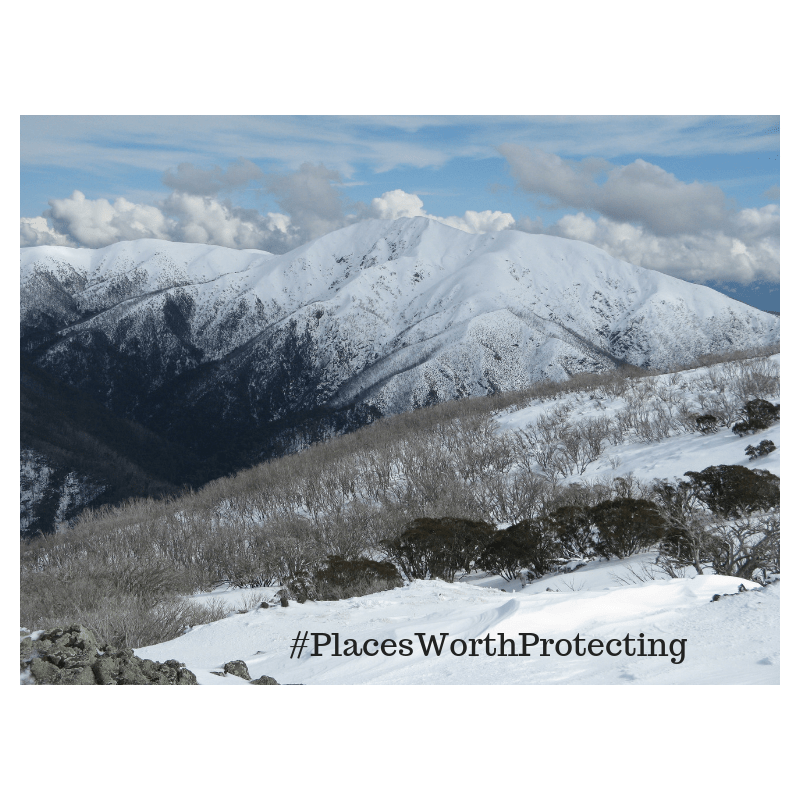
On September 20 people around the world will be standing up to confront the climate crisis because our politicians won’t.
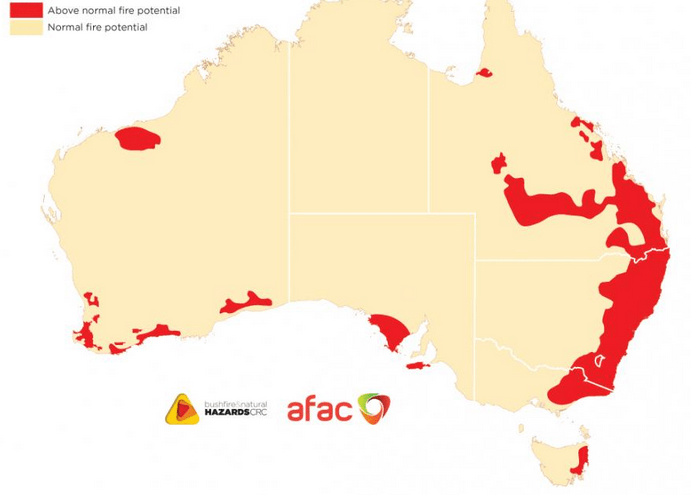
Australia is already on the frontlines of the climate crisis. Prolonged drought. Flash flooding. Erratic winters. Catastrophic bushfires, severe cyclones and heatwaves. But just at the time when we need to ramp up climate solutions, our government wants to open the floodgates to new coal, oil and gas projects that put all of us at risk.
So, on September 20, three days before the UN Emergency Climate Summit, school students are inviting everyone to join them for the biggest ever global #ClimateStrike. There are more than 100 events planned around Australia (check here to find your closest event).
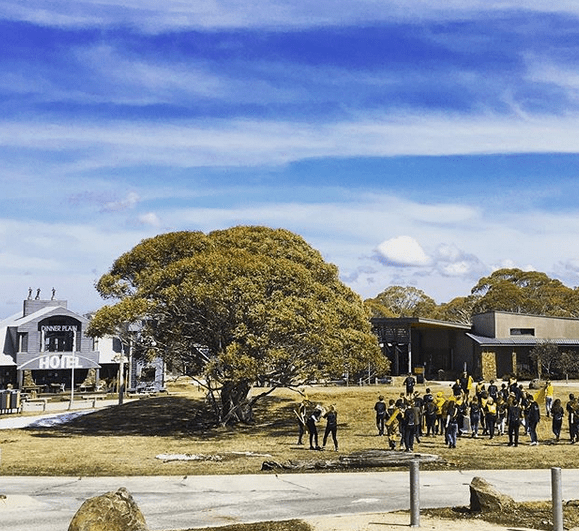
Members of the Mt Hotham community will be supporting the strike (check here for details).
If you can’t join the strike, why not post your support from wherever you are.
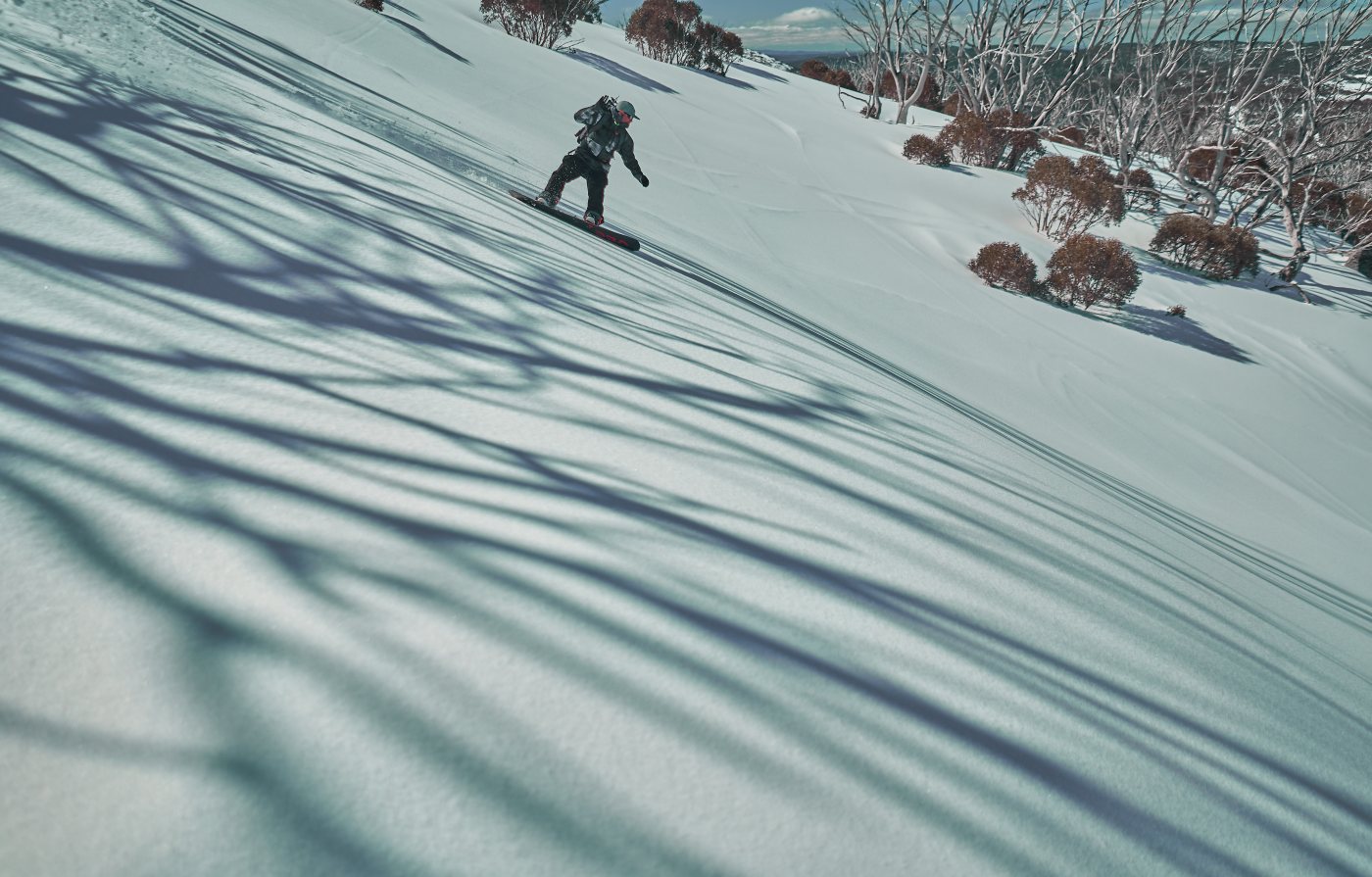
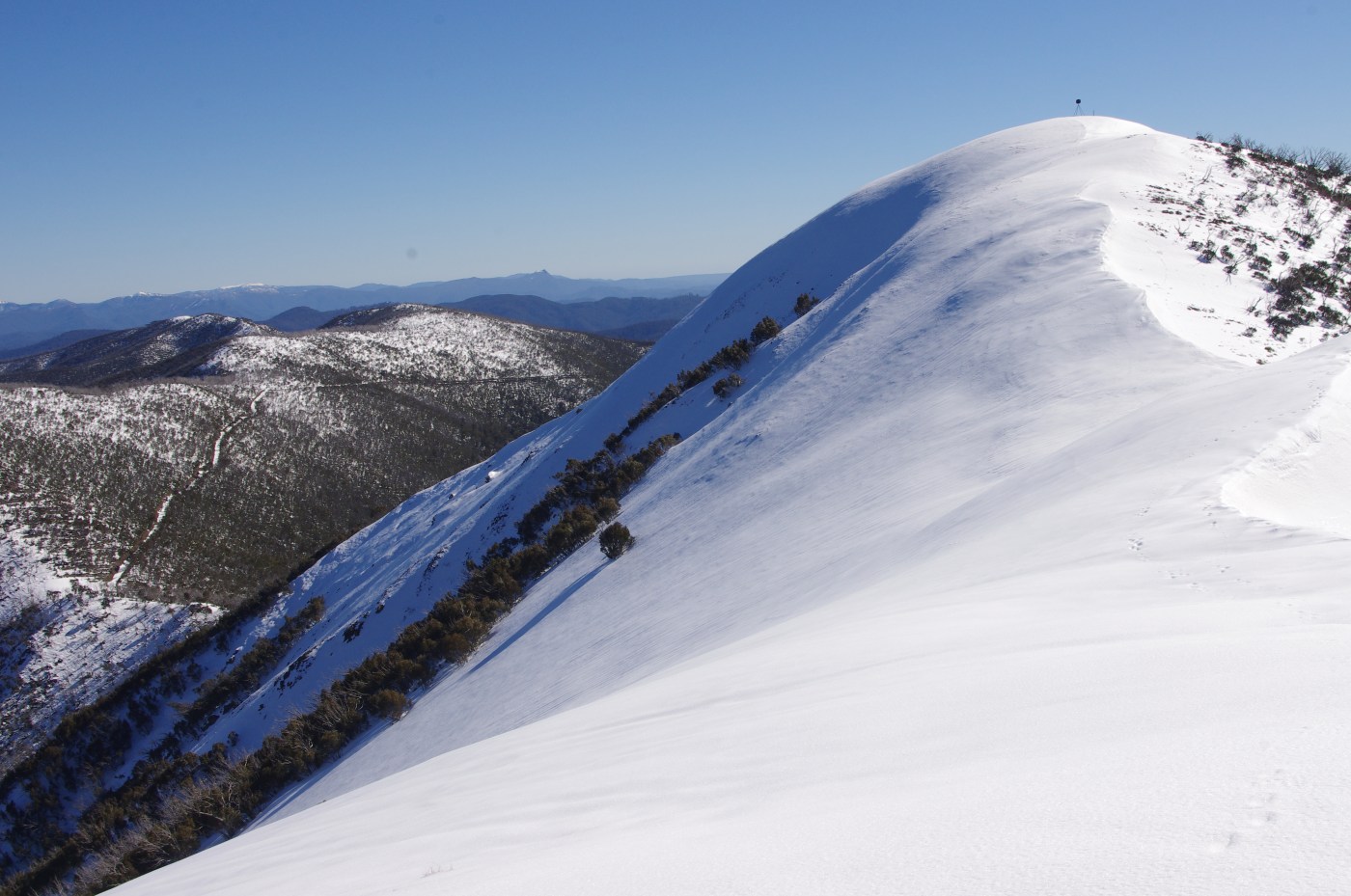
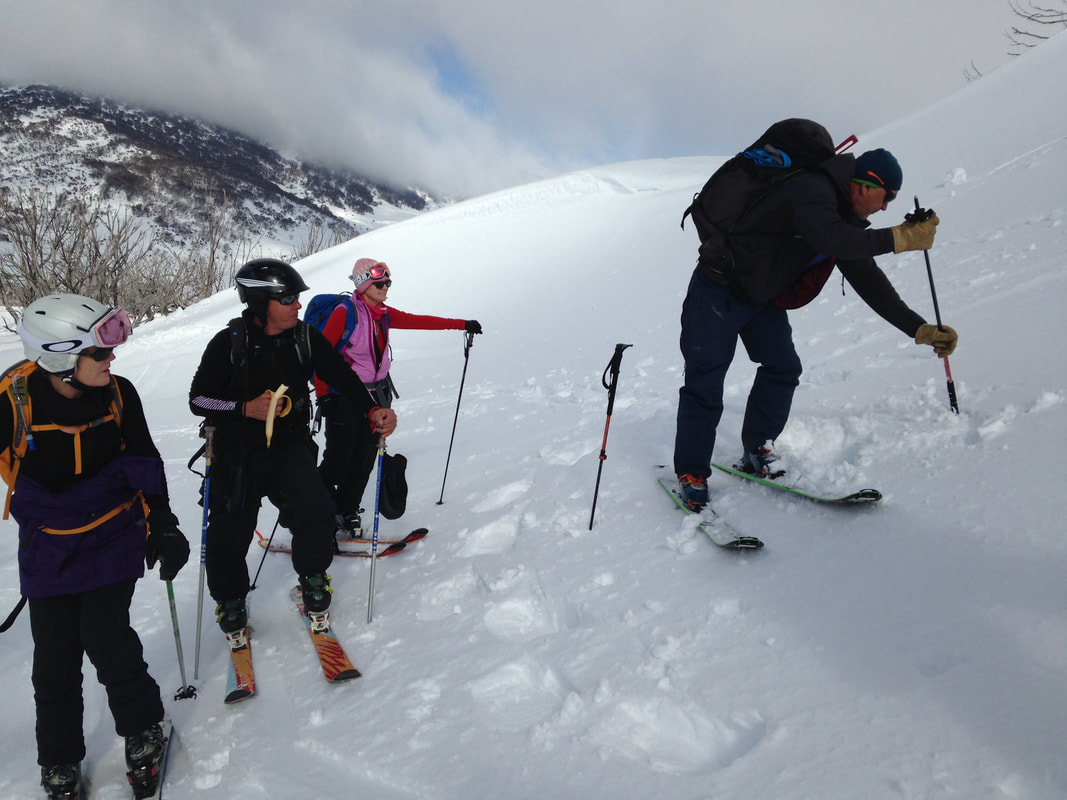
Outdoor adventure relies on healthy natural environments. Whether you walk, climb, ride, paddle, ski, trail run, snowboard – or anything else – the environment you love is at risk from climate change.
And if you work in the outdoor industry, your livelihood is at risk from out of control climate change. For instance, the Australian ski industry alone generates more than $1.8 billion a year and employs more than 18,000 people. Yet under current greenhouse scenarios, climate change could cut Australia’s ski season by more than two months.
It’s easy to support the strike without showing up >
- Take or post a photo of you in a favourite place.
- Post on whatever platform you prefer, using #climatestrike and #PlacesWorthProtecting and say that you support the strike and want governments to act on climate change. Tag in the PM: @ScottMorrisonMP
And why not sign our petition to the PM while you’re at it?
Protect Our Winters is mobilising the outdoor community to take action on climate change. You can find out more and sign up for their newsletter here.
Other ideas on taking action are available here.
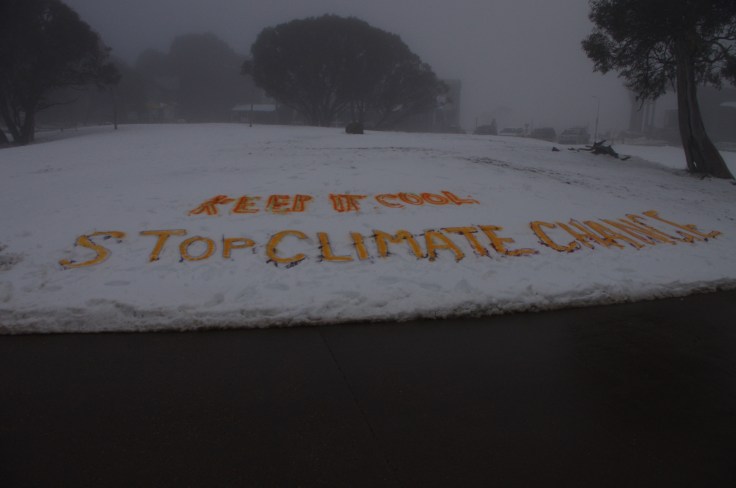
Below: The Hotham community is supporting #ClimateStrike. Images: Karl Gray
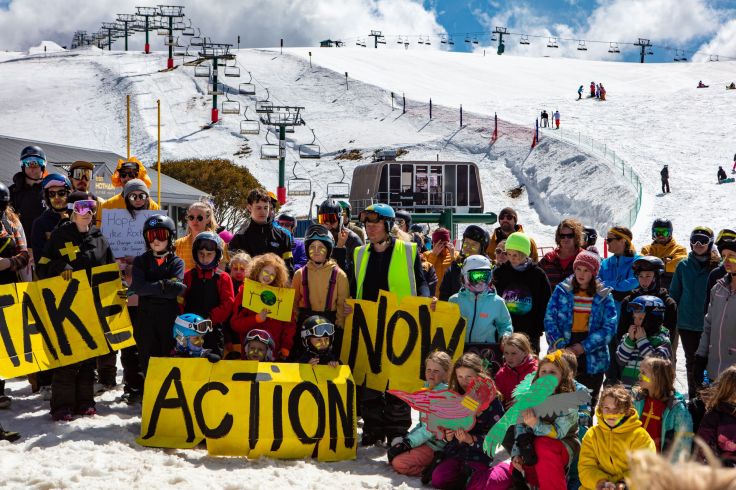
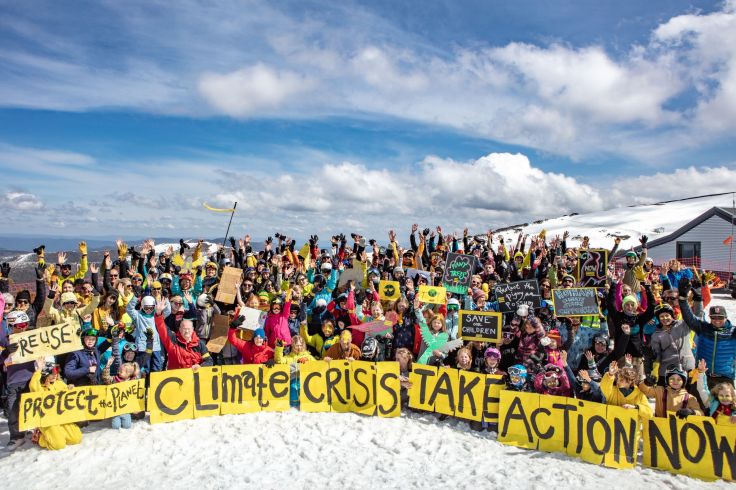
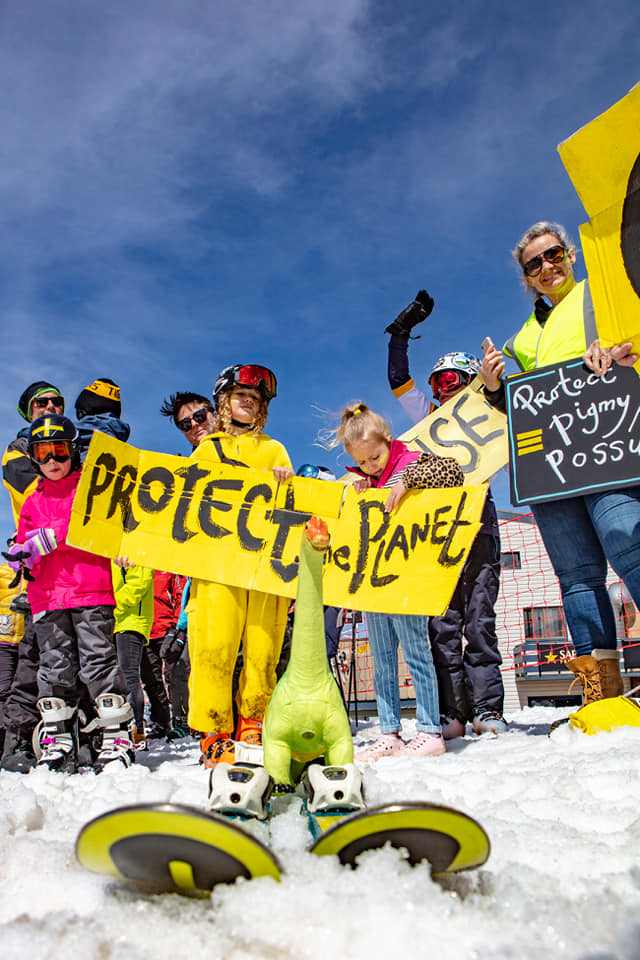
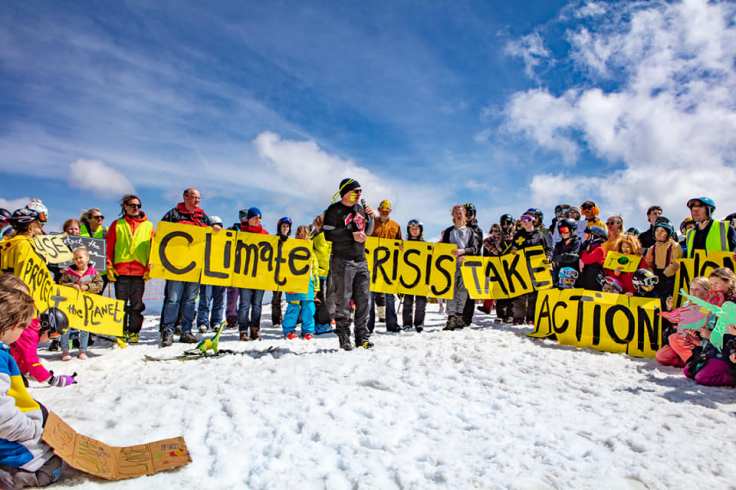

Image below: Kelly van den Berg

Image below: Climate strike in Jindabyne. Photo: Shawn Marlene Joynt-Davies
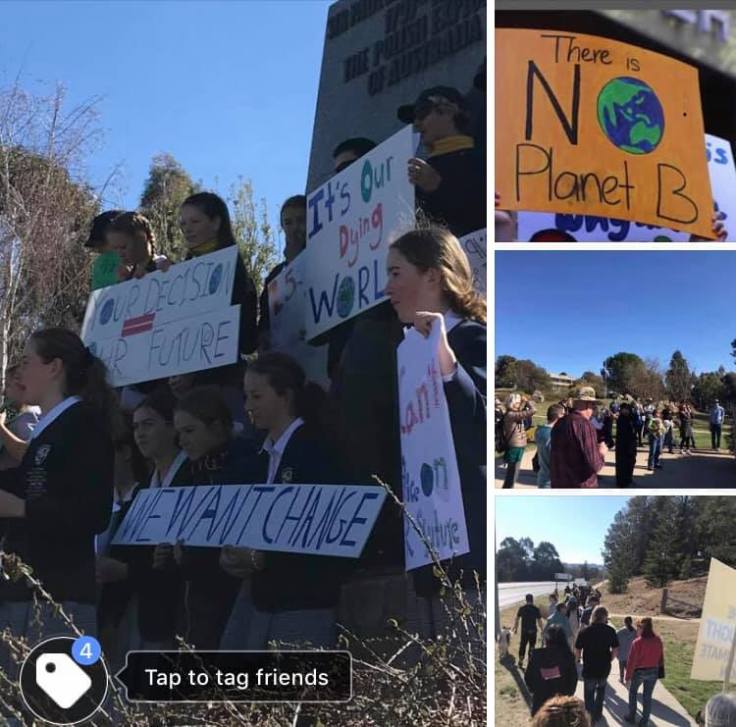
Image below: Bright, NE VIC. Photo from Sustainable Upper Ovens.
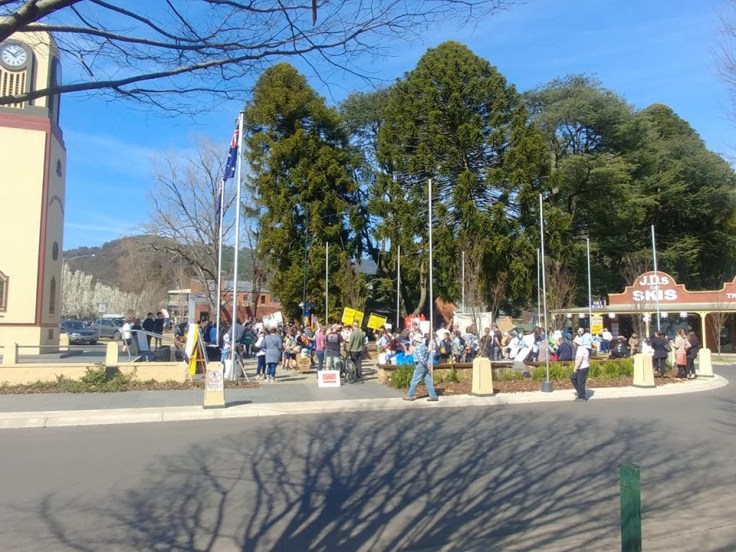

Image below: Josh Fletcher, Protect Our Winters Australia. Mt Buller.
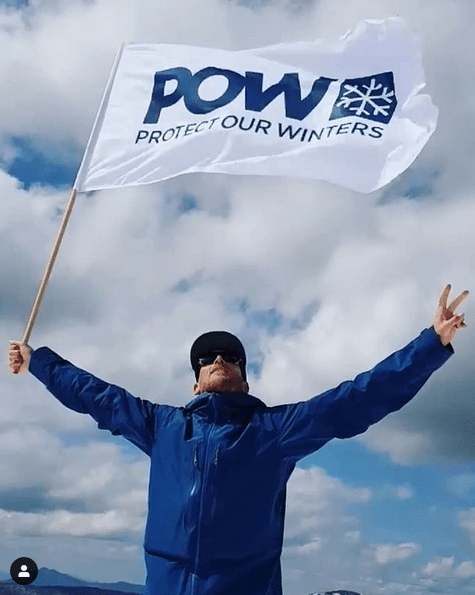
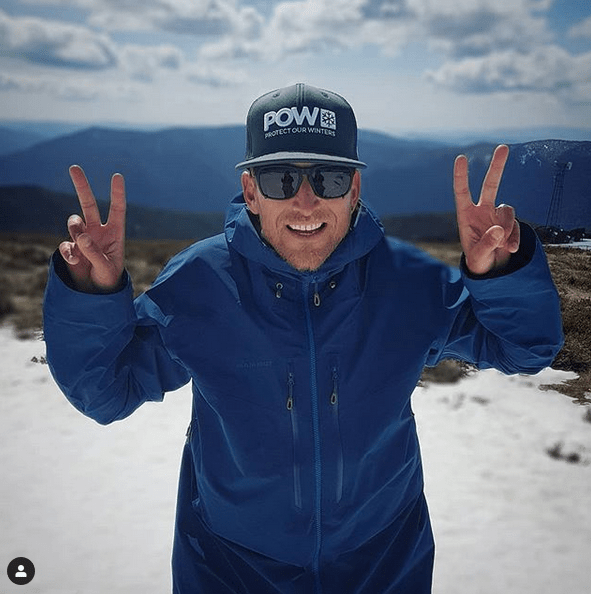
Image below: Bright Brewery.
‘CLIMATE ACTION // We’re made for the mountains – we live, play, and brew here. Climate change is already impacting our mountain home and the future threats to the places we love are terrifying. Massive kudos to the students of Bright P-12 College for organising today’s local #climatestrike Our mountains are definitely #placesworthprotecting

Image below:
marncat
Look at this beauty. It’s seriously #worthprotecting Change needs to happen. #placesworthprotecting #climatestrike

Image below:
hannahmajigy
#placesworthprotecting . Supporting the #climatestrike because #weallneedwinter . @scottmorrisonmp we need climate action to protect these places


wildernesssports
The @globalclimatestrike is happening TOMORROW (Friday 20th) There are over 100 events across Australia happening but if you can’t be there, why not post a photo of your favourite place. Even better, one of yourself in your favourite place. Tag yourself in to #ClimateStrike. Add your voice.
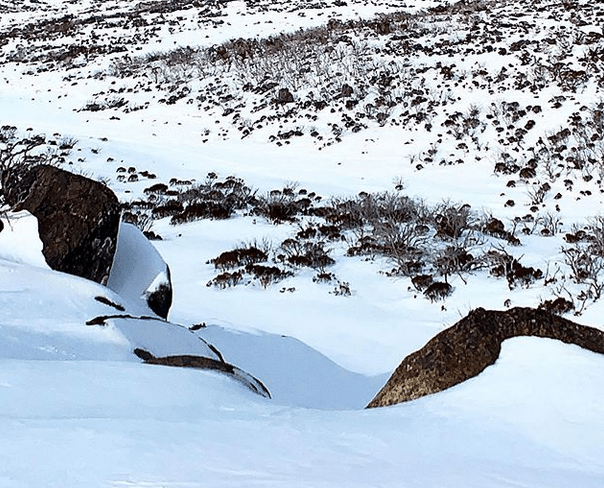
Image below:
snowsafetyaustralia
Mining was a big part of my earlier life. Paid for my way of life for a long time. Whether its coal, iron ore or limestone, these industries are still needed but there are now options to reduce our carbon footprint. I now work in renewables for a large wind farm generating zero emissions and with no need to fuel the turbines with anything other than free wind it’s a win – win scenario for the generation market.
Dont let the government tell you it’s fake news.
#protectourwintersaus

Image below:
brodyleven
Let’s go absolutely huge tomorrow. globalclimatestrike.net for a march near you
pics by @jamesqmartin
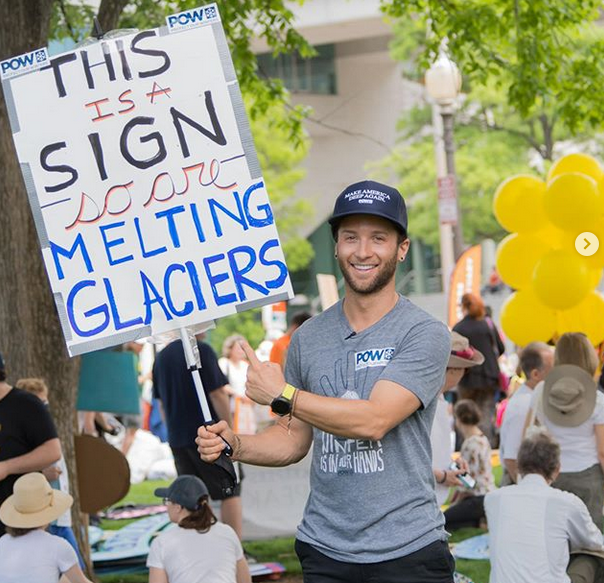
Image below: Mountain Kitchen, Dinner Plain.
Students from the Alpine School heading to the climate event.
handmade.2483
Let’s protect all of are favourite places#climatestrike #placesworthprotecting

Image below:
patagoniaaus
Todays #climatestrike in Sydney was incredible. We’re inspired by the next generation that lead the march.
Our leaders can’t ignore their push for action.
There’s no room in government for climate deniers.
#answerwithaction 📷 @jarrahlynch
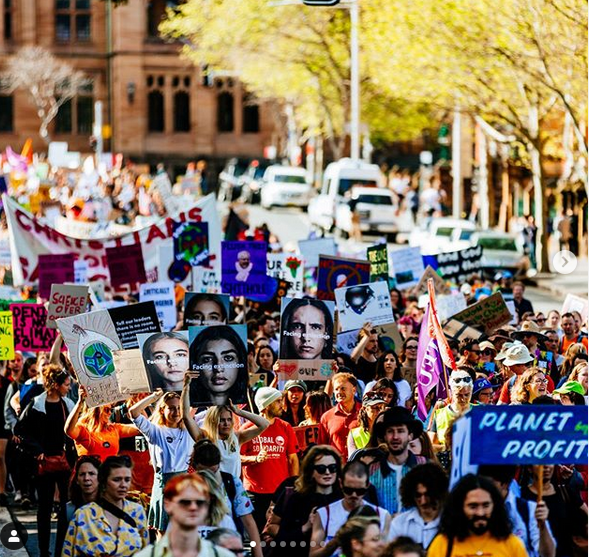
Image below: From Respect The Mountain (Hobart).
Protecting our winters. The people’s mountain – dogs are welcome too!
Thankyou to all the climate action strikers who were out there in force yesterday.
Image Credit: Gary Tew, kunanyi/Mt Wellington 2018.

Image below:
thenorthface_aunz
A number of our stores will be closing today to support Global Climate Marches across Australia and New Zealand.

“I support action on climate change not just because I want to protect the beautiful places in which I play, but because it is basic common sense to care for the one planet we have. Climbing and Paragliding, my two favorite sports owe many of their evolutions to advancements in efficiency and technology – the same innovations that are helping with the climate crisis. I’m proud to be on The North Face Team that shares these values and is making meaningful action to reduce their impact and inspire others to do the same.” Words by @cedarwright
Image below: Paddy Pallin
Paddy Pallin is proud to support the Global Climate Strike.
⠀⠀⠀⠀⠀⠀⠀⠀⠀
Join us, we are striking for the future of our planet!⠀⠀⠀






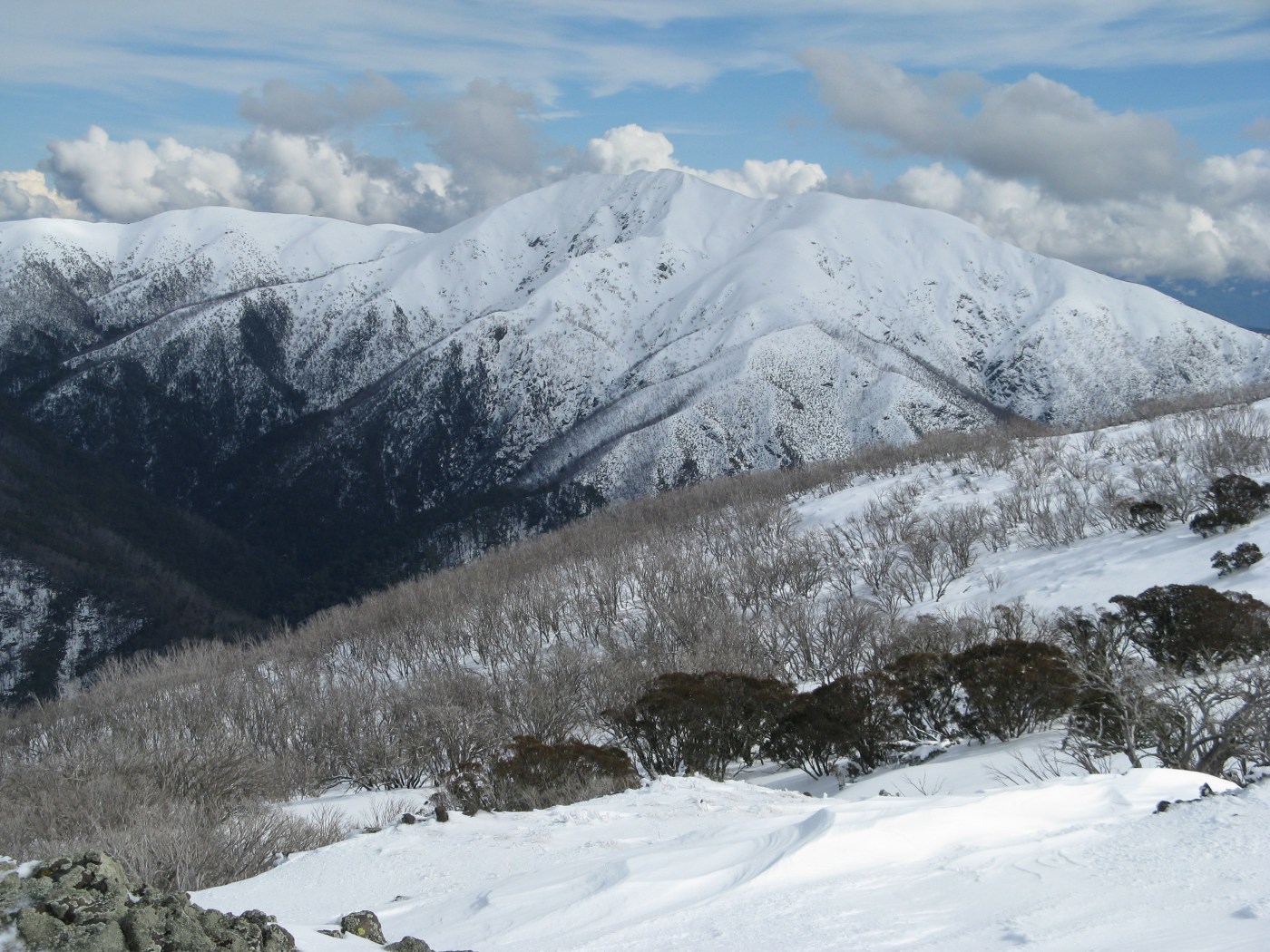
 ‘Treeline takes us to the enshrined cypress groves of Japan, the towering red cedars of British Columbia, and the ancient bristlecones of Nevada, following a handful of skiers, snowboarders, scientists and healers as they move through these giants and explore a connection older than humanity.’
 Follow POW on


 Mountain Journal
Recent Comments