Search

Mountain Journal

Environment, news, culture from the Australian Alps

‘Evidence of the impact of climate change on our country’s distinct flora and fauna is beginning to emerge’

Evidence about the impact of climate change on our country’s distinct flora and fauna is beginning to emerge. This is not ‘new’ news, this information is already widely available if you care to look for it. What is astonishing is that this growing body of information about the impacts of climate change on the land where we live doesn’t seem to compel more people to act to reduce greenhouse gas emissions.

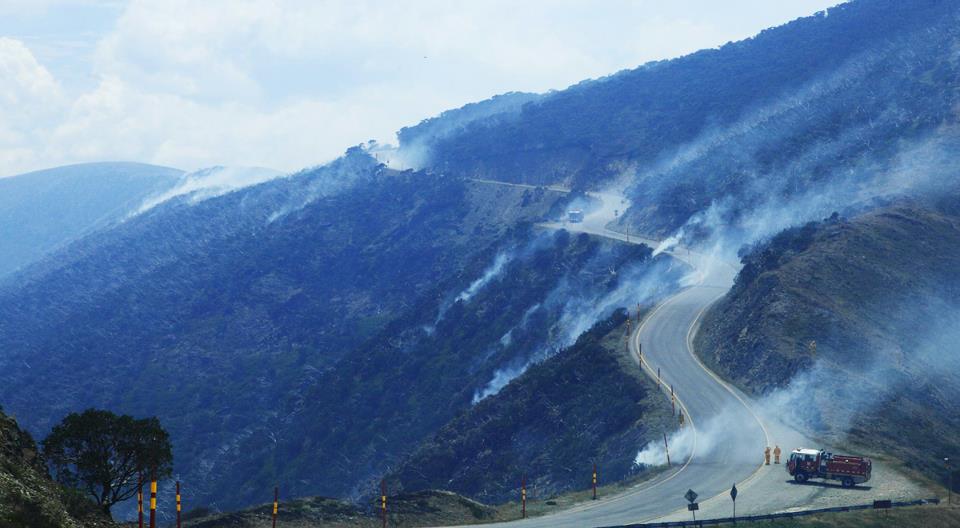
Here are some recent examples of how climate change enhanced fire seasons are impacting on mountain environments:

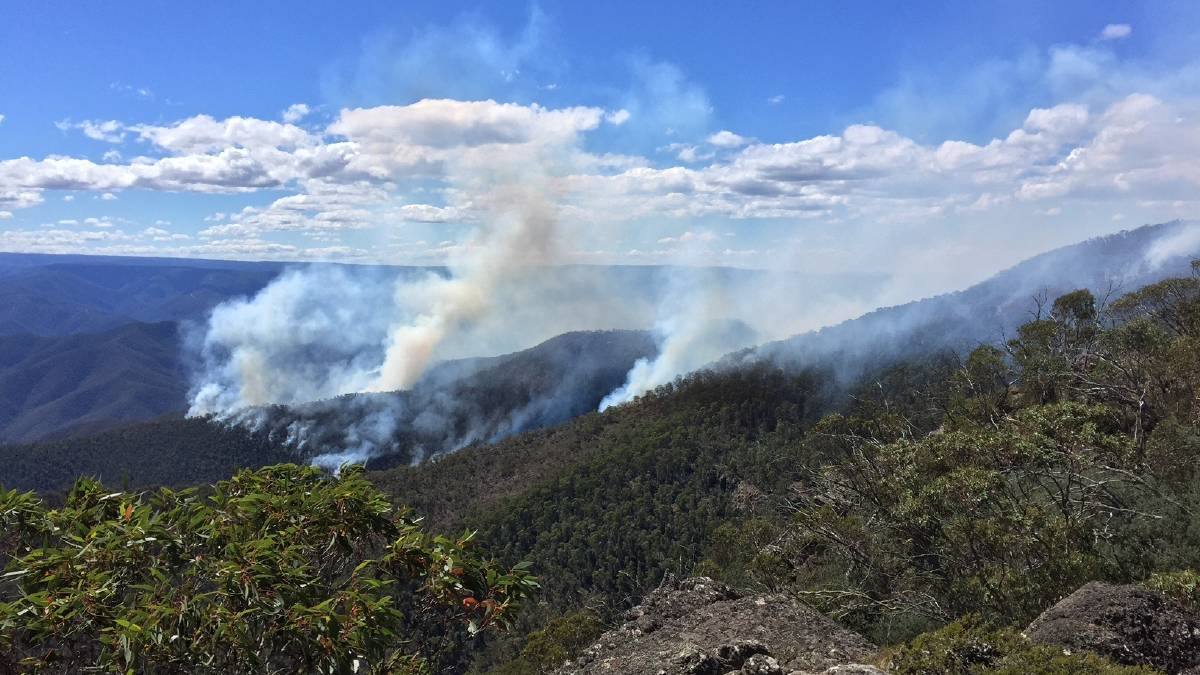
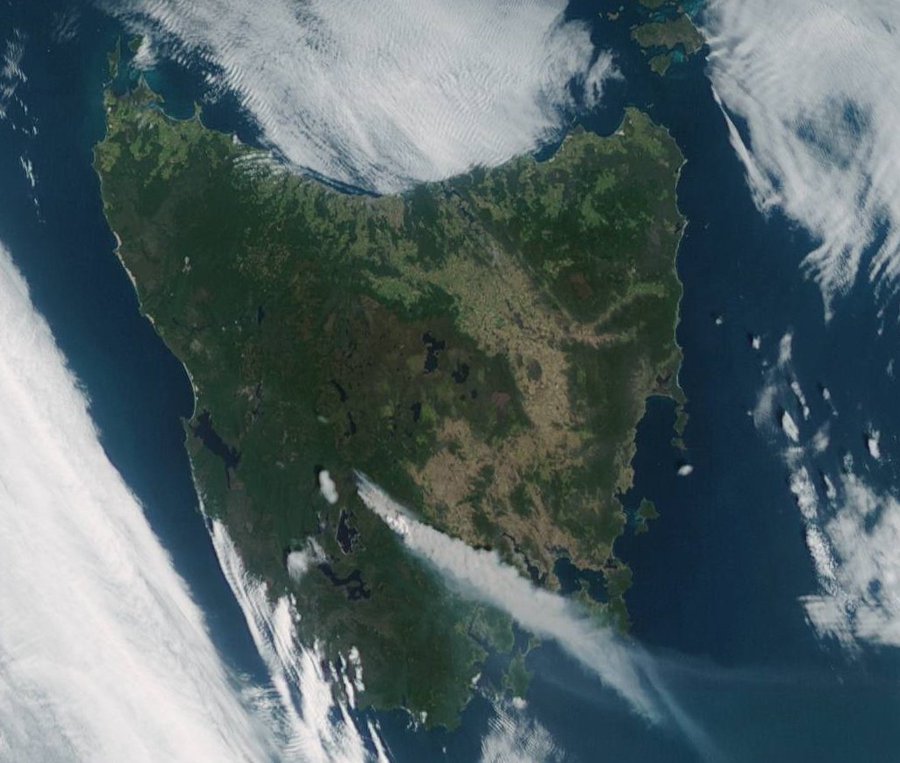
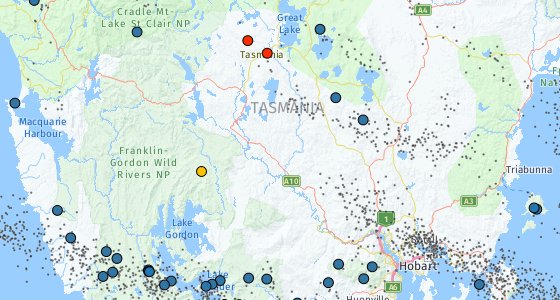
In Tasmania, research has confirmed the trend towards more extreme fire seasons. It suggests that we reached a ‘tipping point’ sometime around the year 2000 and that, since then, there has been an increase in the number of lightning-caused fires and an increase in the average size of the fires, “resulting in a marked increase in the area burnt”.

As temperatures rise and the world’s climate rapidly changes, many plants and animals may not be able to relocate fast enough on their own, and habitats and species could be lost. In Australia warmer temperatures are expected to increase the length and severity of bushfire seasons, which will also cause changes in the distribution of many mountain species.

For instance, increased fire frequency may lead to the loss of alpine ash forests, unless there is human intervention aimed at keeping the species viable in the wild.

Now, a new article from Professor Ary Hoffmann, Nicholas Bell and Dr James Camac, at the University of Melbourne, looking at how we monitor the impacts of climate change on Australia’s terrestrial ecosystems has additional concerning news.

Continue reading “‘Evidence of the impact of climate change on our country’s distinct flora and fauna is beginning to emerge’”

Senate calls for a full assessment of the Lake Malbena development

The ‘eco tourism’ development planned for Lake Malbena will introduce ‘helicopter tourism’ to the central plateau of Tasmania. Approvals have been ‘waved through’ by the federal government, despite three official expert bodies lashing the proposal or calling for it to be rejected.

The decision threatens to open the floodgate to a host of other private tourism operations proposed for the World Heritage-listed area.

In a new development, the senate has called on federal Environment Minister Melissa Price to conduct a full assessment of the Lake Malbena development, including public consultation.

Continue reading “Senate calls for a full assessment of the Lake Malbena development”

International Mountain Day 2018 – #MountainsMatter

December 11 is International Mountain Day.

The United Nations says:

“Almost one billion people live in mountain areas, and over half the human population depends on mountains for water, food and clean energy. Yet mountains are under threat from climate change, land degradation, over exploitation and natural disasters, with potentially far-reaching and devastating consequences, both for mountain communities and the rest of the world. Mountains are early indicators of climate change.”

The theme for 2018 is #MountainsMatter. Continue reading “International Mountain Day 2018 – #MountainsMatter”

New tourist accommodation near Cradle Mountain

The north end of the Cradle Mountain Lake St Clair national park is the gateway to the famous Overland Track. There are a small number of tourist developments in the area, which provide accommodation outside the park, and plans are underway to build a major new tourist centre and a gondola from the centre to Dove Lake.

A new $20 million development for has just been announced, which will be a 62-room luxury development called My Cradle. The developers are Simon McDermott and S.Group and the site is located at 4004 Cradle Mountain Road, between Peppers Cradle Mountain Lodge and Devils @ Cradle.

Continue reading “New tourist accommodation near Cradle Mountain”

‘Save Kosci’ walk to finish next weekend

Since November 3, a group has been walking the 560 km from Sydney to the summit of Mt Kosciuszko, to highlight the damage being caused by feral horses. The walk is nearing its end! Join the walkers on the final day – 9th December (or the 8th depending on weather forecast) – from Charlottes Pass or Thredbo to celebrate the end of the walk and add your voice to the call to reclaim Kosci from feral horses.

Continue reading “‘Save Kosci’ walk to finish next weekend”

Federal Environment Minister fails first test – approves helicopter tourism in World Heritage Area

As we know, under the current very pro ‘development’ Liberal government in Tasmania there are no end of proposals for private developments in national parks and other parts of the conservation network.

One that has been receiving a lot of attention is the proposal to build a small ‘top end’ facility that would rely on helicopter tourism at Lake Malbena, inside the Walls of Jerusalem National Park in central Tasmania.

It has been reported that the Morrison government ‘waved through approval for a luxury tourist development and helipad in the pristine Tasmanian wilderness’ despite three official expert bodies lashing the proposal or calling for it to be rejected.

Continue reading “Federal Environment Minister fails first test – approves helicopter tourism in World Heritage Area”

Alpine Australia – A celebration of the Australian Alps

This recently released book features 150 images from across the Australian Alps. The publishers describe it as a ‘coffee table pictorial (which aims to) bring this magnificent region to a wider audience.’

Although I haven’t seen the book yet, the excerts below look gorgeous. You can find it in bookstores or online.

Continue reading “Alpine Australia – A celebration of the Australian Alps”

Volunteer Hawkweed eradication programs in the Snowy Mountains

Mouse-ear hawkweed (Hieracium pilosella) is an invasive perennial herb in the daisy (Asteraceae) family. It is native to Europe and Asia but now occurs as a serious weed in New Zealand, Canada and USA.

A small infestation of mouse-ear hawkweed was discovered in December 2014, near Charlottes Pass in the Main Range of Kosciuszko National Park. The National Parks and Wildlife Service (NPWS) has an active control-and-detection program under way to eradicate this threat.

The National Parks and Wildlife Service in NSW is organising a volunteer program in the Snowy Mountains from January until March 2019. Volunteers help with identifying the location of hawkweed infestations.

Continue reading “Volunteer Hawkweed eradication programs in the Snowy Mountains”

Registrations for this summer’s Hawkweed survey program in VIC Alps are now open

Hawkweed is a highly invasive pest plant species which could cause major environmental damage in alpine and sub-alpine areas of Australia if not eradicated early. For several years there has been an annual volunteer program held on the Bogong High Plains. Volunteer recruitment for the 2018/2019 season of the Falls Creek Hawkweed Eradication Program Volunteer Surveys is now open.

Continue reading “Registrations for this summer’s Hawkweed survey program in VIC Alps are now open”

Australian premiere of ‘The Sky Piercer’

The North Face presents the Australian premiere of the film ‘The Sky Piercer’, with screenings happening in Sydney and Melbourne, which will include a Q&A with athletes Sam Smoothy and Fraser McDougall, alongside director Jase Hancox.

Continue reading “Australian premiere of ‘The Sky Piercer’”

10 US-based ski resorts showing the way on sustainability

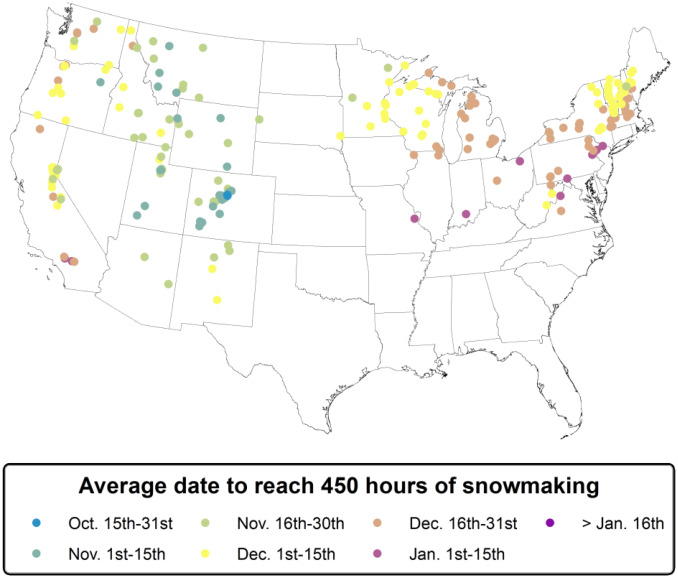
We all know that ski resorts have a large environmental footprint. As Outside magazine recently noted, ‘with sprawling mountainside villages, water-guzzling snow machines, and high-powered chairlifts, it’s no secret operating a ski resort can be a dirty business.”

Here in Australia some resorts have taken small steps to reduce their impact, but its still fairly dismal when you consider their overall operations. Outside have recently listed the best 10 US-based resorts when it comes to environmental responsibility. While the bigger resorts that come with having a much larger population have greater financial capacity to change their operations, these examples do provide some ideas for any resorts here who are serious about taking their environmental and climate responsibilities seriously.

Continue reading “10 US-based ski resorts showing the way on sustainability”

Blockade established at Baw Baw

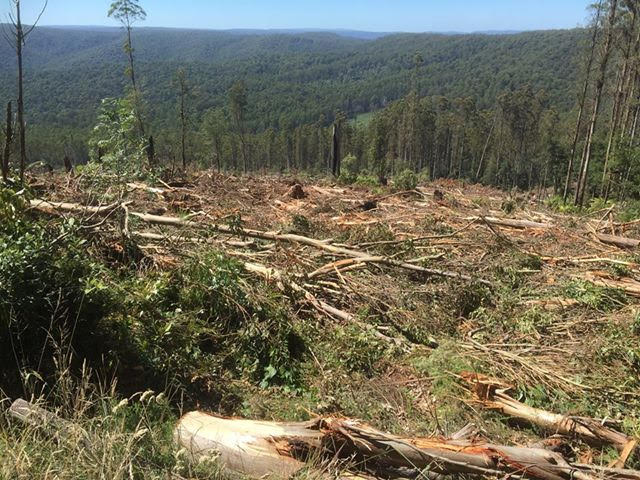
Conservation group Forest Conservation Victoria have announced that they have established a blockade of logging operations on the southern slopes of the Baw Baw Plateau. The area contains many large trees which provide critical habitat for threatened native wildlife.

Continue reading “Blockade established at Baw Baw”

Blog at WordPress.com.

Up ↑