Search

Mountain Journal

Environment, news, culture from the Australian Alps

Tag

World Heritage

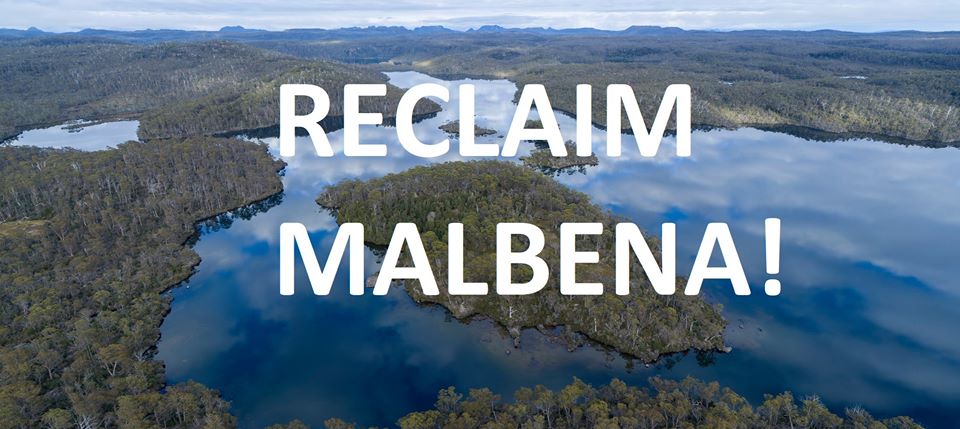
Reclaim Malbena

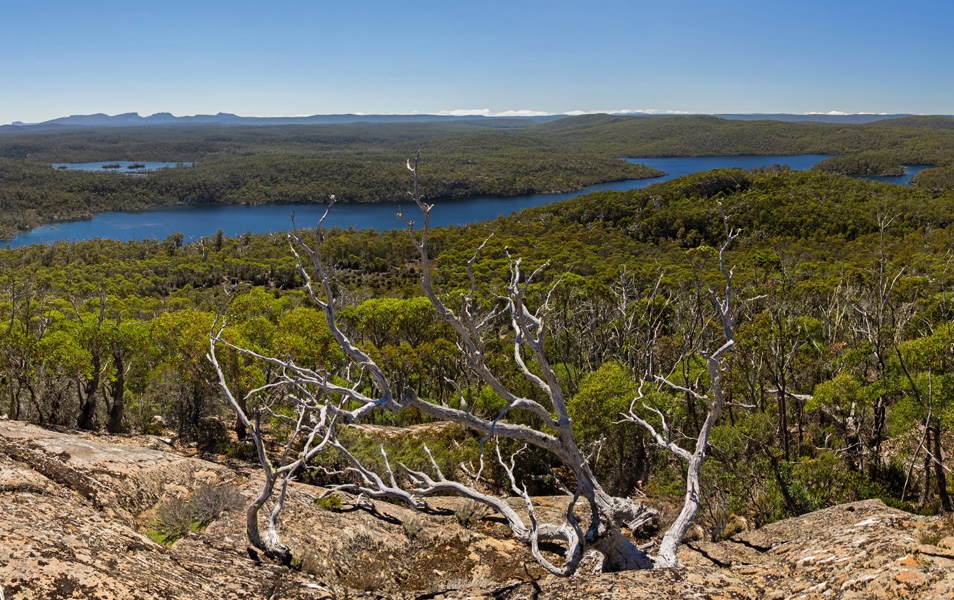
As the long campaign to protect World Heritage Areas from commercial development continues (and in the aftermath of the Federal Court case against the planned ‘helicopter tourism’ development proposed for Lake Malbena on Tasmania’s Central Plateau), a trip has now been planned to visit the site threatened by this proposal.

The Fishers and Walkers Against Helicopter Access Tasmania and the Wilderness Society have organised the camp, which will happen over the weekend of December 7 and 8.

Continue reading “Reclaim Malbena”

Approval of Lake Malbena ‘helicopter tourism’ project overturned in the Federal Court

The Wilderness Society (TWS) and Environmental Defenders Office (EDO) have had a win in the ongoing battle over the development of a tourism venture at Lake Malbena in Tasmania’s Central Plateau. The Federal Court has set aside the decision by the federal environment minister Melissa Price that the Wild Drake heli-fishing camp in the World Heritage listed Walls of Jerusalem national park is not a ‘controlled action’ under the Environment Protection and Biodiversity Conservation Act 1999. (A controlled action can avoid full environmental assessment).

The federal government’s controversial decision in August 2018 to allow helicopter flights and huts on Lake Malbena had been challenged in the Federal Court. Earlier this year, TWS sought a judicial review of the Federal Environment Minister’s decision that the Halls Island, Lake Malbena development is “not a controlled action” under the [federal] Environment Protection and Biodiversity Conservation Act 1999 (EPBC Act).

This is a great outcome.

This decision does not stop the proposal.  It means that the Parks and Wildlife Service cannot grant proper approval of the proposal.  It will now be sent back for proper approvals process under the EPBC Act. Wilderness Society spokesman Tom Allen says the decision had effectively put a stop to the plans that included huts, a communal building, walkways and helicopter flights.

Continue reading “Approval of Lake Malbena ‘helicopter tourism’ project overturned in the Federal Court”

Tasmanian Wilderness Guides step up to protect wild places

It is always heartening to see outdoor groups and businesses getting active to protect the places they love and rely on. From the many groups who campaign for the creation of new parks in order to protect wild places, to the efforts of Protect Our Winters, who are mobilising the winter sports community, there are many great groups and initiatives out there.

With ongoing attempts by the Tasmanian government to open up national parks and World Heritage areas to further commercial tourist operations, it has been great to see the organised campaigning by the group that represents outdoor guides in that state.

Continue reading “Tasmanian Wilderness Guides step up to protect wild places”

TAS planning tribunal approves helicopter tourism on the Central Plateau

In February this year, the Central Highlands Council in Tasmania rejected the Lake Malbena tourism development.

The controversial ‘helicopter tourism’ development planned for Halls Island in Lake Malbena on Tasmania’s central plateau had previously been approved by state and federal governments. The local Council was the last government authority which needed to sign off on the project. It rejected it and it had been hoped that the decision by Council would be the end of the proposal.

However, the developer lodged an appeal against this decision. And now the state’s planning tribunal has overturned Central Highlands Councils attempt to have it blocked.

Continue reading “TAS planning tribunal approves helicopter tourism on the Central Plateau”

Investigation into commercial development in Tasmanian parks

There has been a limited number of private commercial tourism operations developed in wild places in Tasmania’s reserve system. There has also been a long campaign by some in the Tasmanian government and business to open up more of the state’s World Heritage and other protected areas to commercial development.

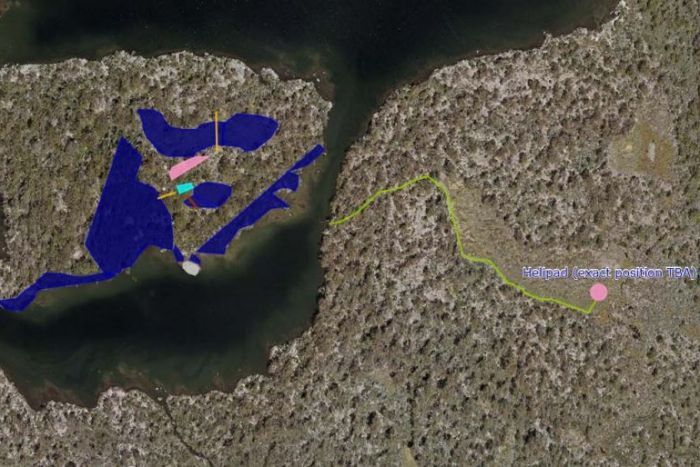
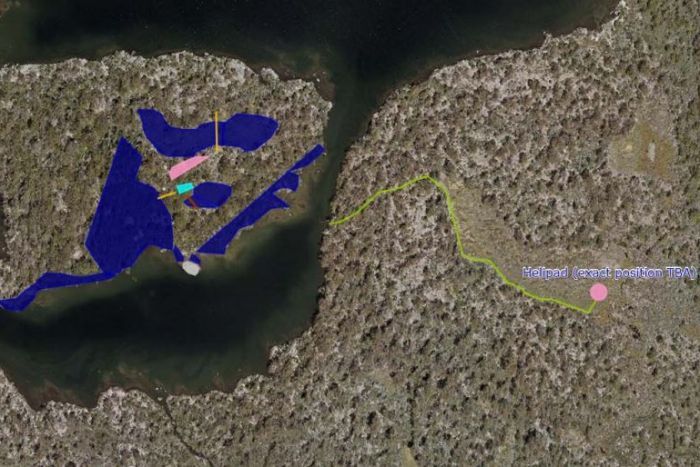
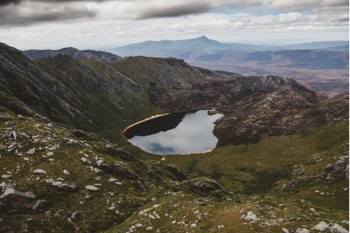
In 2018, plans were revealed to build a fly-in, fly-out luxury camp at Lake Malbena in Tasmania’s Wilderness World Heritage Area (TWWHA) on the Central Plateau. It is a remote location, to the south east of the famed Walls of Jerusalem area. The plan includes a helipad, accommodation, kitchen and toilet facilities.

More recently, the Tasmanian government promised $20 million to develop Tasmania’s “Next Iconic Walk”, which was intended to be another hut-based multi-day ‘Three Capes Track’-style development. After a public call for ideas last year, some 20 odd submissions were apparently received, but the full list has never been made public. Then, after another internal process without public scrutiny or clearly detailed selection criteria, the chosen option was announced on 26 July. Based on a proposal from the West Coast Tourism Association, it focuses on the Tyndall Range in the west of the state. The process by which prospective developments are assessed has been questioned over its transparency.

All these plans have been controversial and generated substantial opposition. Now they have attracted the attention of the auditor-general who has announced an investigation into the Expression of Interest (EOI) process for these developments.

Continue reading “Investigation into commercial development in Tasmanian parks”

‘Eternal vigilance is the price of Freedom’

Tasmania has a world class conservation system. From the South West Wilderness to the Central Plateau, to the Ben Lomond tablelands, it is brimming with wonderful landscapes that are protected as national parks, world heritage or other forms of park. But these parks didn’t just happen. All of them are the result of tireless work by many thousands of people, sometimes over decades.

From the attempts to stop Lake Pedder from being flooded in the 1970s, the Franklin River campaign of the early 1980s, and the long forest campaigns that followed in places like the Styx, the Florentine, Lemonthyme, and the Great Western Tiers, through to the current attempts to ensure proper protection for the Tarkine / takayna region in the north west, people have campaigned for decades to see these areas protected for all time.

Climate change poses an existential threat to many of the natural ecosystems currently protected in the park network. But there is also a pushback by government and some vested interests and sections of the community against the basic notion of protecting these places.

Continue reading “‘Eternal vigilance is the price of Freedom’”

Independent review of the management of 2018/19 Tasmanian fires

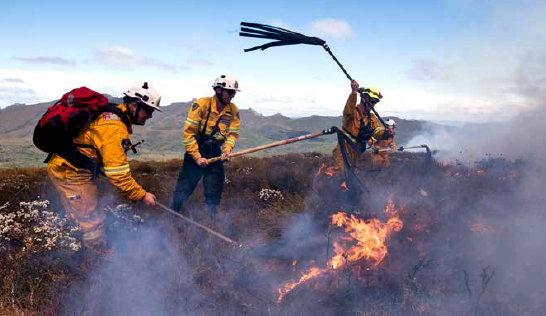
Over the summer of 2018/19 huge fires burnt across Tasmania. An independent review of Tasmania’s management of the summer bushfires has just been released. It found inadequacies in the response to a fire burning near Geeveston, and revealed that crews withdrew from the Gell River fire in Tasmania’s southwest in the mistaken belief it was out. The fire then expanded again and became out of control.

It makes a series of recommendations for the fire services and government, including a proposal to re-establish a volunteer remote area firefighter group. The report, from the Australasian Fire and Emergency Service Authorities Council (AFAC) also gives an update on the ecological impacts of the fires. An earlier ecological assessment is here.

Continue reading “Independent review of the management of 2018/19 Tasmanian fires”

Lake Malbena developer appeals refusal of project

In February this year, the Central Highlands Council in Tasmania rejected the Lake Malbena tourism development.

The controversial ‘helicopter tourism’ development planned for Halls Island in Lake Malbena on Tasmania’s central plateau had previously been approved by state and federal governments. The local Council was the last government authority which needed to sign off on the project. It had been hoped that the rejection by Council would be the end of the proposal.

However, the developer has lodged an appeal against this decision. Hearings are currently underway in Hobart.

Continue reading “Lake Malbena developer appeals refusal of project”

Australia’s conservation reserves under threat from commercialisation

Millions of Australians have worked hard to gain protection of our wild places over many decades. The national parks and other conservation areas that have been created as a result of these efforts protect some of our wildest and greatest landscapes.

In recent years it has become clear that climate change poses a grave – and in some cases existential – threat to many of these places. Then there is the threat of invasive plant and animal species, fragmentation of habitat due to clearing and logging in areas next to reserves, etc.

A more insidious threat has been the slow shift by both state and federal governments to consider, or actively support, commercial operations in our conservation reserves.

This is well underway in Tasmania, with private commercial developments along the Overland Track, and plans for other operations in many parts of the state.

Recent examples include the plan to allow ‘helicopter tourism’ and a small commercial operation inside the Walls of Jerusalem national park in Central Tasmania and a plan to build a cable car into the famous Dove Lake, near Cradle Mountain. In some instances, land is being removed from parks to allow various forms of development.

A recent report shows the scale of this threat.

Continue reading “Australia’s conservation reserves under threat from commercialisation”

An update on the ecological costs of the 2019 Tasmania fires

Bushfires, which were started by lightning strikes, burnt large areas of Tasmania last summer.

There have been fears expressed by ecologists that large areas of fire sensitive vegetation have been impacted.

An initial desk top assessment carried out by researchers at the University of Tasmania suggested that the areas of these vegetation types affected was very small.

In March, the Tasmanian Parks and Wildlife Service updated their assessment, which also stated that only small areas of vegetation types that are rated ‘Extreme fire sensitive’ (containing components that will not recover from fire, such as rainforest with king billy pine, alpine conifer communities, alpine deciduous beech communities and rainforest with deciduous beech) and ‘very High fire sensitive’ communities (including alpine and subalpine heathland without conifers, rainforest without conifers, and mixed forest) had been affected.

Now, an additional assessment, by the Tasmanian National Parks Association (TNPA), adds further detail to our understanding of the impacts of this summer’s fires.

Continue reading “An update on the ecological costs of the 2019 Tasmania fires”

No sign of wilderness fire funding for World Heritage Areas

In recent years, wildfire has had devastating impacts on World Heritage Areas in Tasmania. The 2016 fires damaged fire sensitive areas and vegetation types, like Pencil Pines near Lake Mackenzie. Fires caused by dry lightning strikes are becoming more common since the year 2000. Yet resourcing for fighting fires in remote areas is not growing to keep up with greater fire threats.

The fires that happened this summer burnt more than 100,000 hectares, but thankfully (and based on initial estimates), it would appear that only very small areas of fire sensitive vegetation like Pencil Pine and King Billy Pine were destroyed. Innovative actions, like placing sprinklers to protect fire sensitive vegetation at Lake Rhona reduced the impacts. But it remains clear that fire fighters are under resourced to fight remote area fires. Despite sustained calls for additional resources, it would appear that the current commonwealth government isn’t coming to the party.

Continue reading “No sign of wilderness fire funding for World Heritage Areas”

TAS fire update – and vegetation impact assessment

Bushfires have burnt more than 90,000 hectares of land in Tasmania this summer. The Gell River fire in the south west is still burning. There have been fears expressed that large areas of fire sensitive vegetation have been impacted. An initial desk top assessment carried out by researchers at the University of Tasmania suggested that the areas of these vegetation types affected was very small.

Now the Tasmanian Parks and Wildlife Service has provided an update on what types of vegetation was involved in the fires and the likely impacts on what they define as ‘Extreme fire sensitive communities’. Their assessment is that very small areas of these communities was impacted.

Continue reading “TAS fire update – and vegetation impact assessment”

Blog at WordPress.com.

Up ↑