Search

Mountain Journal

Environment, news, culture from the Australian Alps

Tag

Australian Alps

Where are the old snow gums?

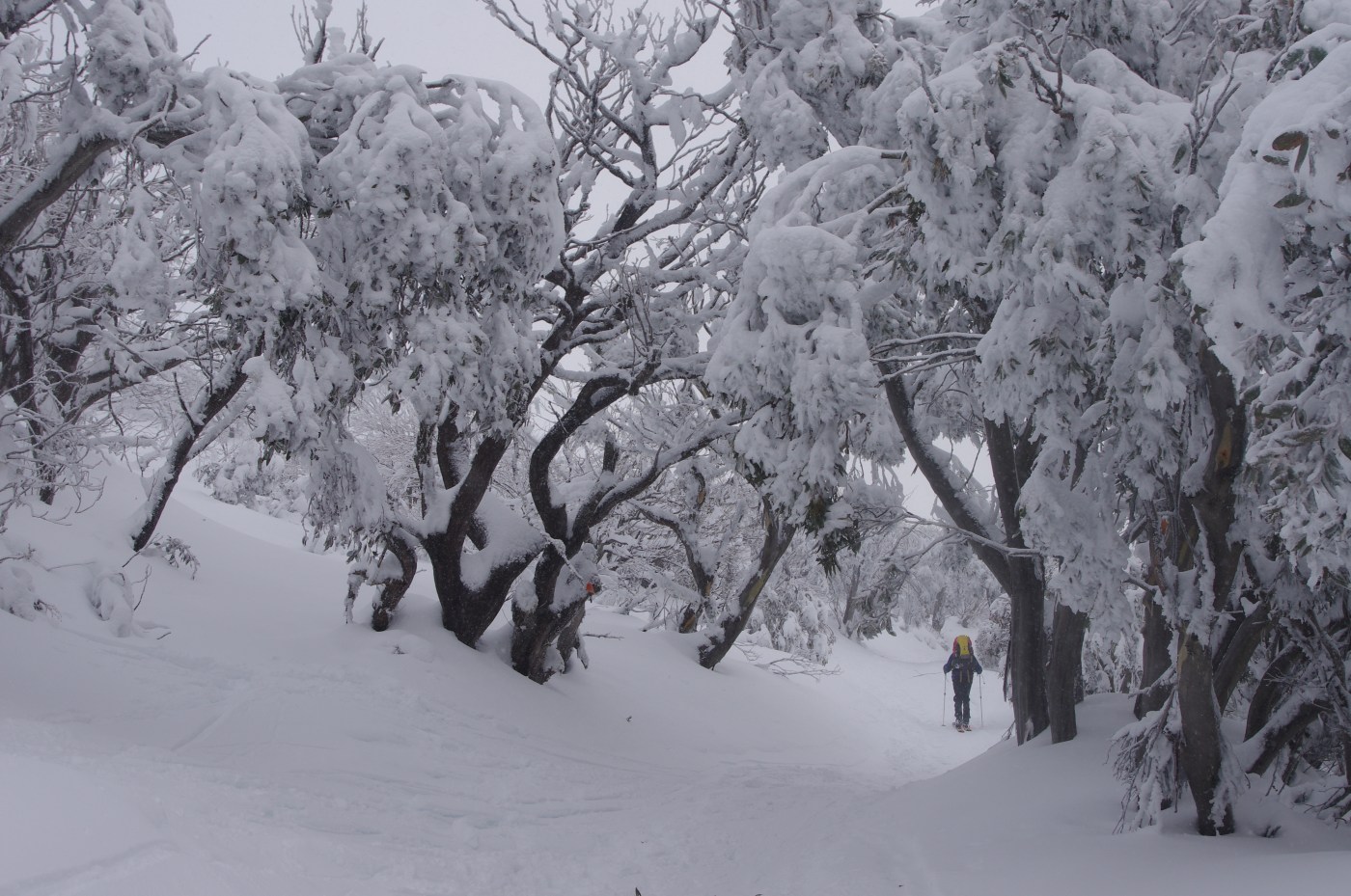
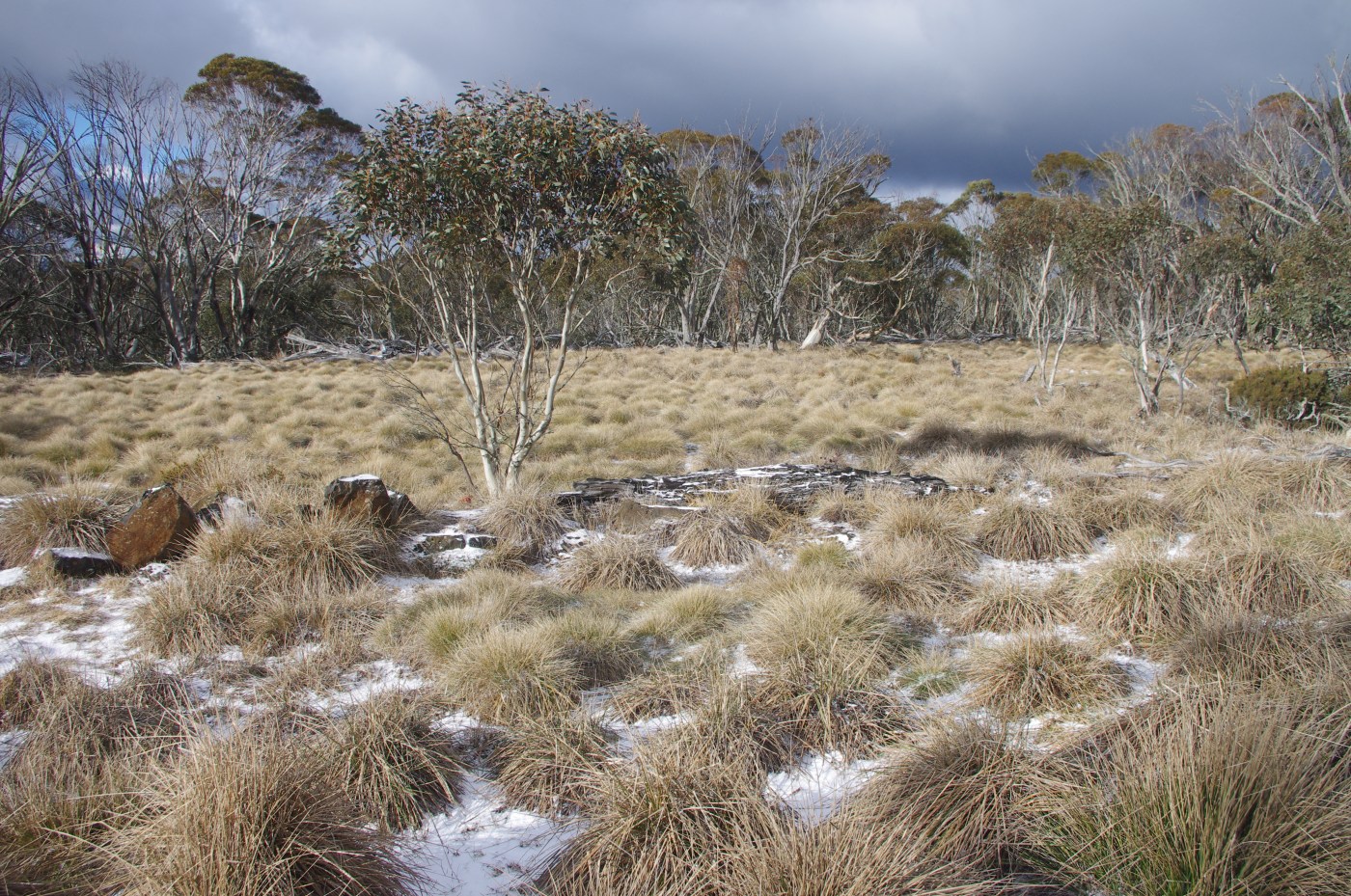
Snow Gums (Eucalyptus pauciflora and related species) are the classic alpine tree of the High Country, generally growing at heights between 1,300 and 1,800 metres asl. Anyone who has visited the Australian High Country will know – and probably love – these trees.

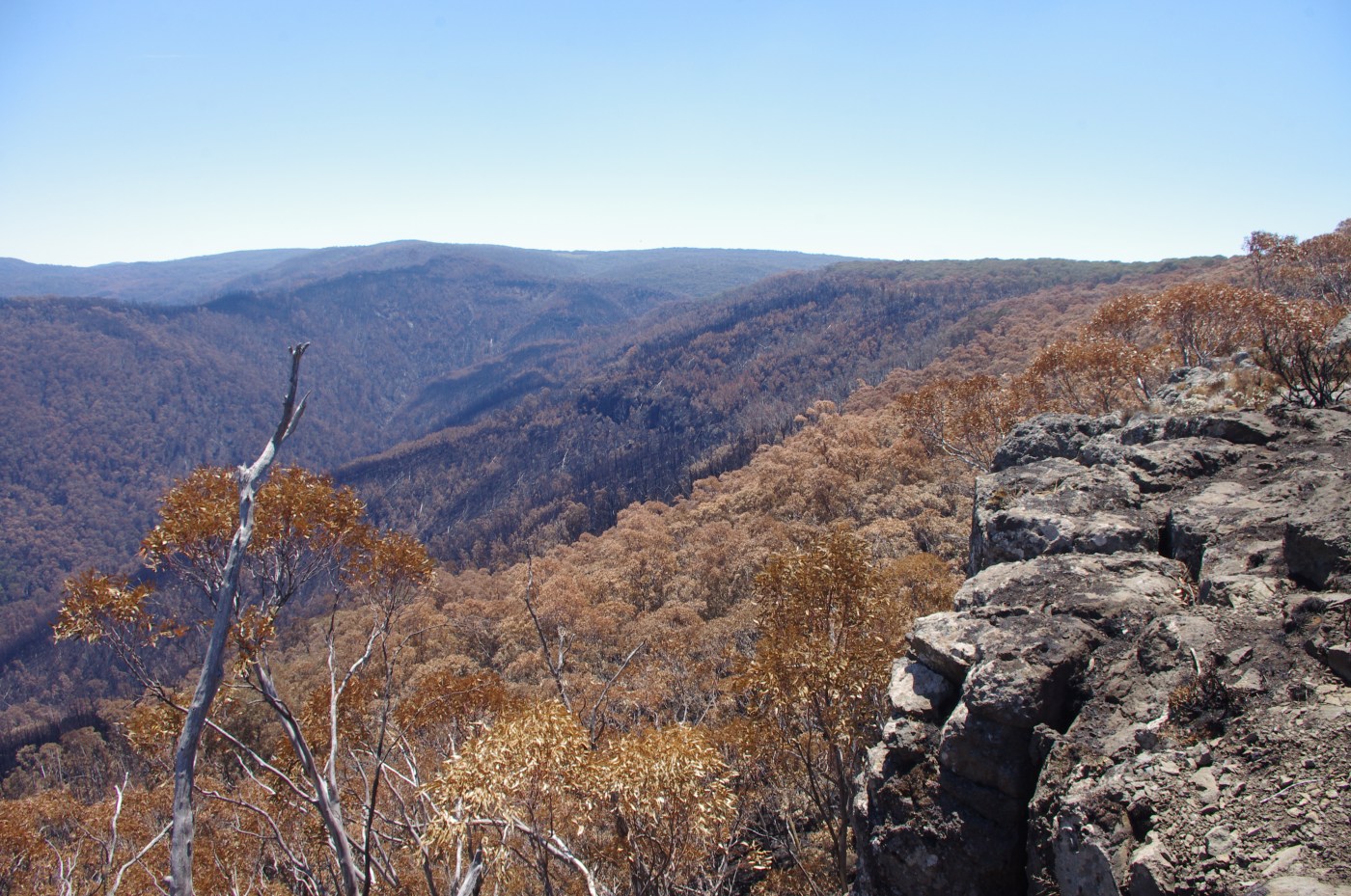
In recent decades, wildfire has been devastating huge areas of the Snow Gum forests, with significant fires in the Victorian High Country in 1998, 2002/3, 2006/7, 2013 and 2019/20. More than 90% of Snow Gum habitat has been burnt at least once in the last 20 years.

The species can survive fire. However, climate change driven fire seasons are leading to more frequent fire, which is causing more death of trees and changes to forest structure. In some instances, localised collapse of Snow Gum woodlands is now being observed. As climate scientist Michael Mann describes it, we are now seeing climate change play out in real time.

We must ask whether we are now seeing the start of the collapse of Snow Gum woodlands, one of Victoria’s iconic vegetation communities.

Continue reading “Where are the old snow gums?”

The Australian Alps Walking Track

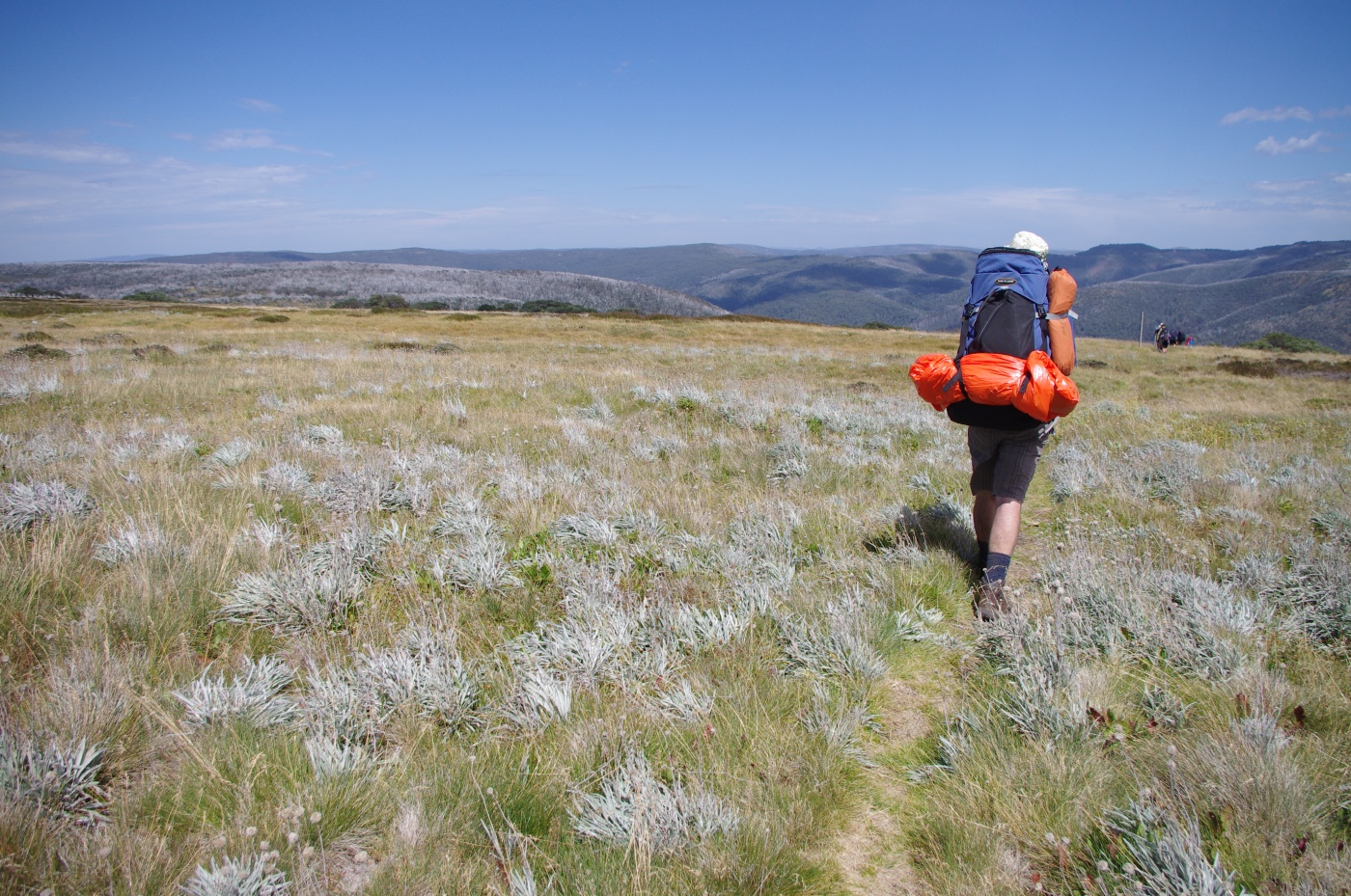
There are many incredible long distance walking tracks crossing the mountains of the world. Some, like the Pacific Crest Trail or PCT, which goes from Mexico to the Canadian border, have a high profile and see thousands undertake (or at least start) the journey each year. After the Overland Track, our most famous long distance mountain walking track would be the Australian Alps Walking Track, or AAWT, which stands out because of the smaller numbers of people who undertake it, its relative remoteness, and the fact that long distances of poorly marked tracks can make for difficult route finding. There are not many towns along the way (only a couple of ski resorts) and food drops can be a lot of work to organise and very time consuming (in contrast, along the PCT people mail supplies to themselves in the towns the trail passes through).

Continue reading “The Australian Alps Walking Track”

Alpine Odyssey – Toward the start line

Later this month, Huw Kingston will leave on his Alpine Odyssey, a winter crossing of the full length of the Australian Alps Walking Track. As he gets close to the start date, here is an update.

Continue reading “Alpine Odyssey – Toward the start line”

‘Alpine Odyssey’ to cross Alps in winter

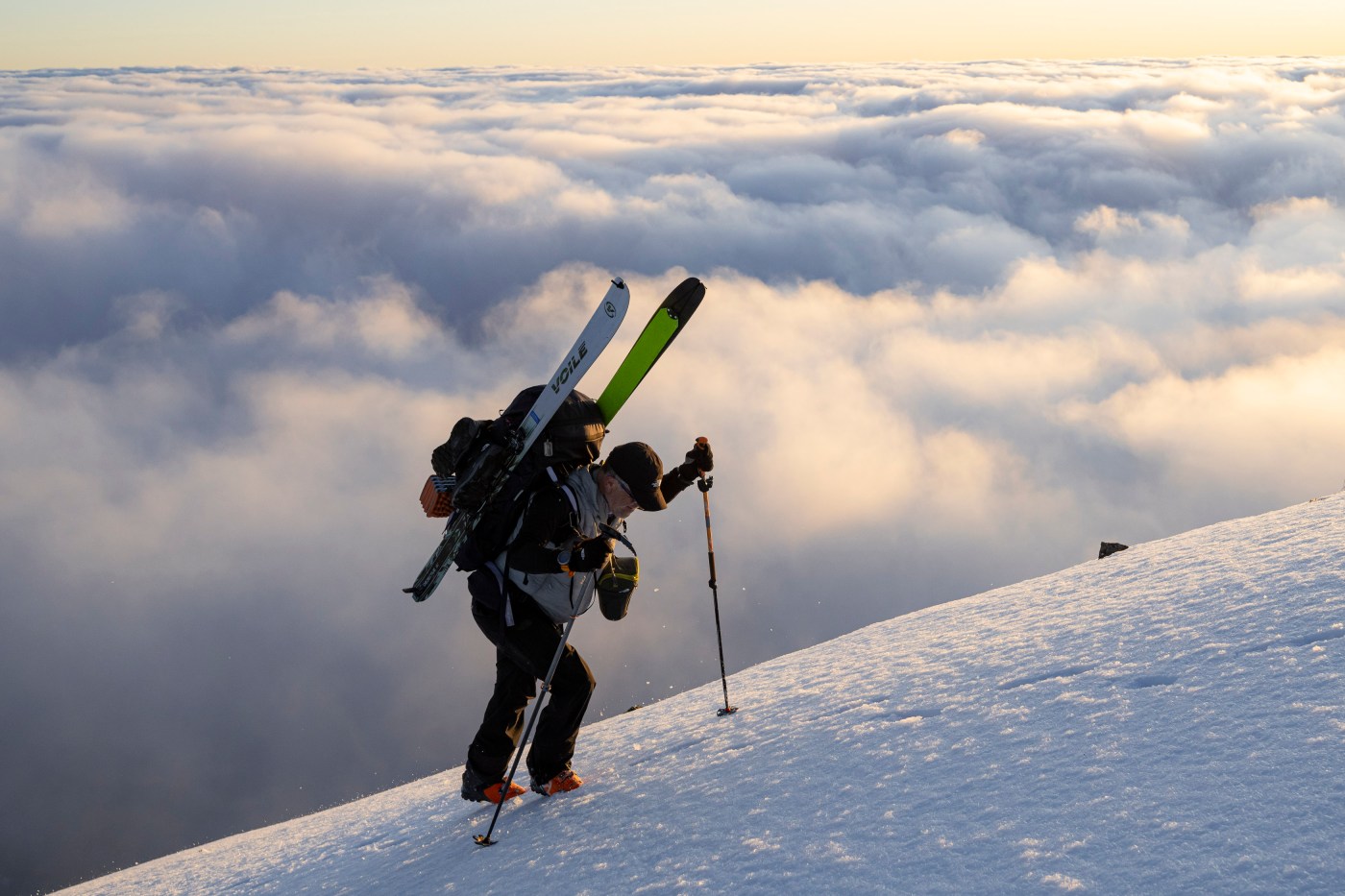
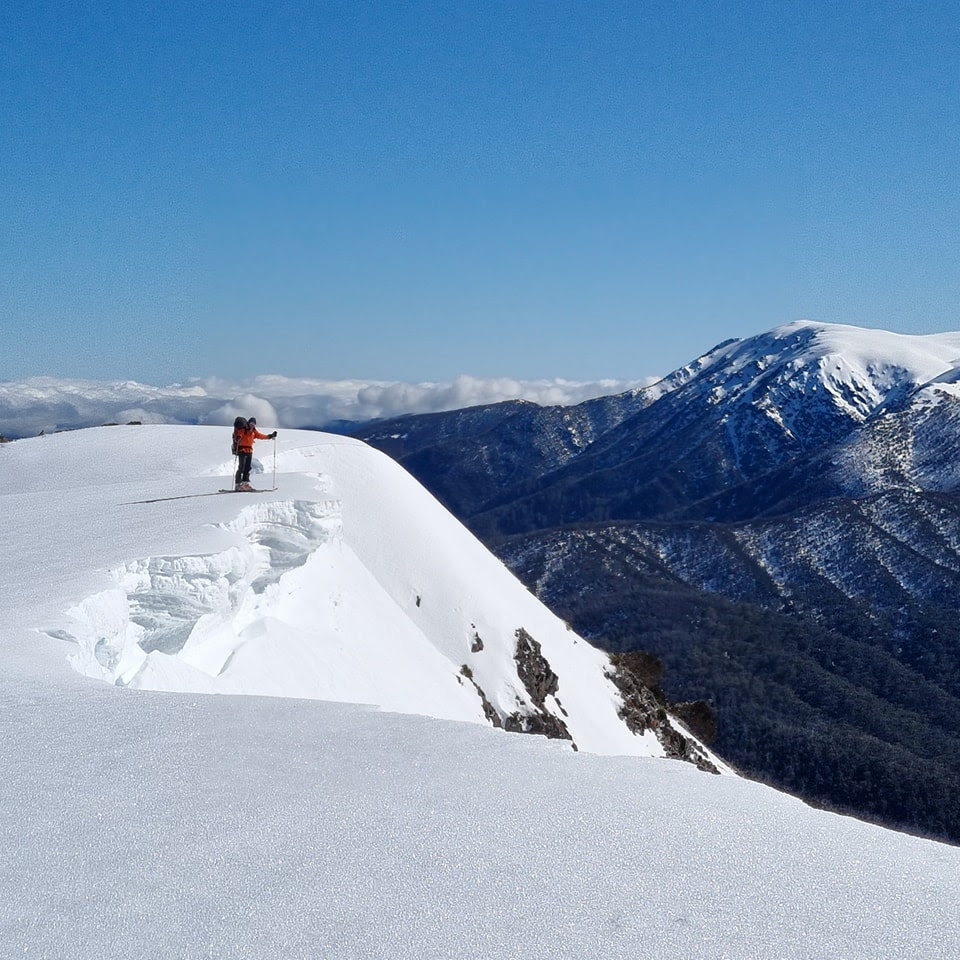
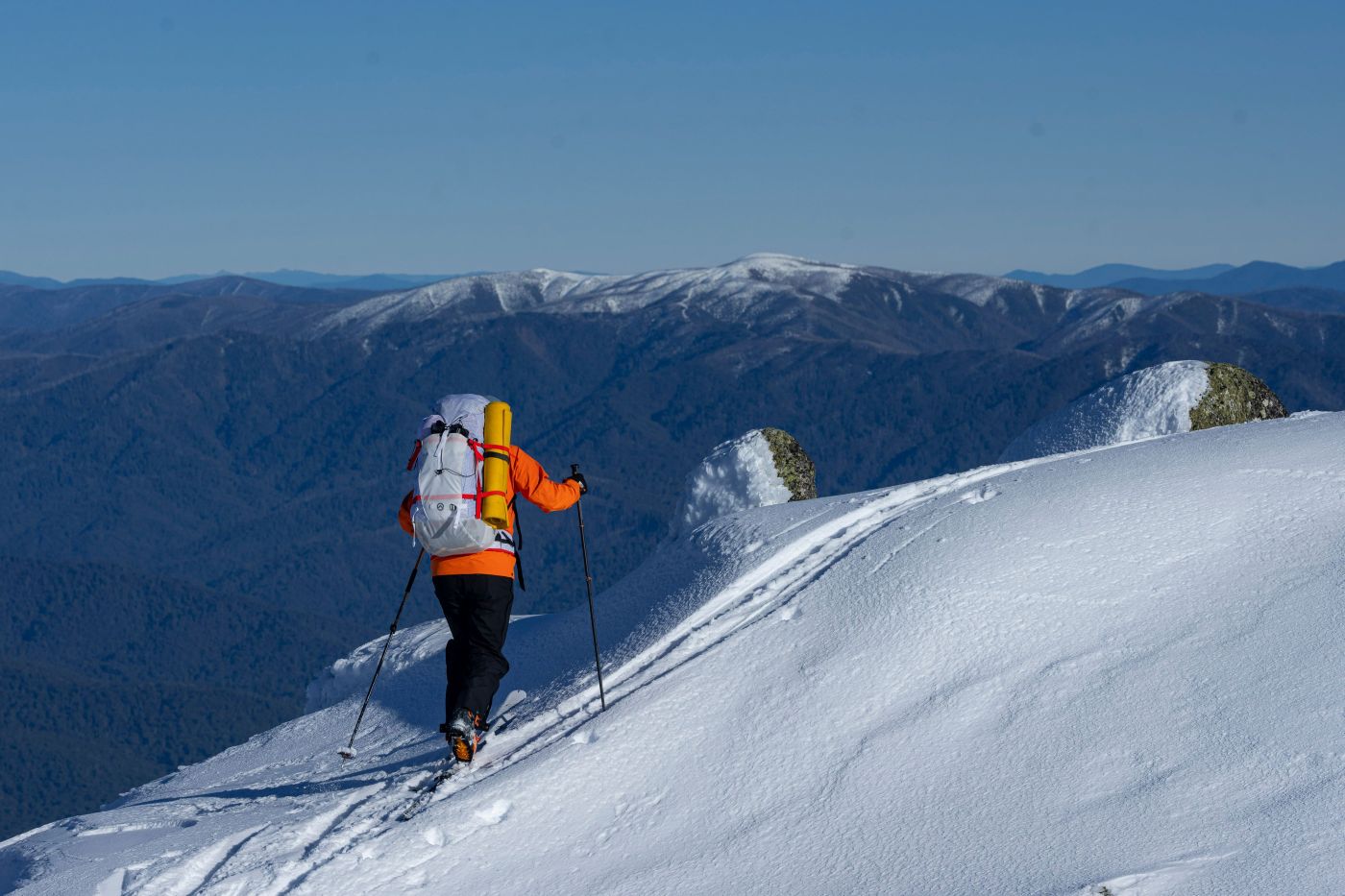
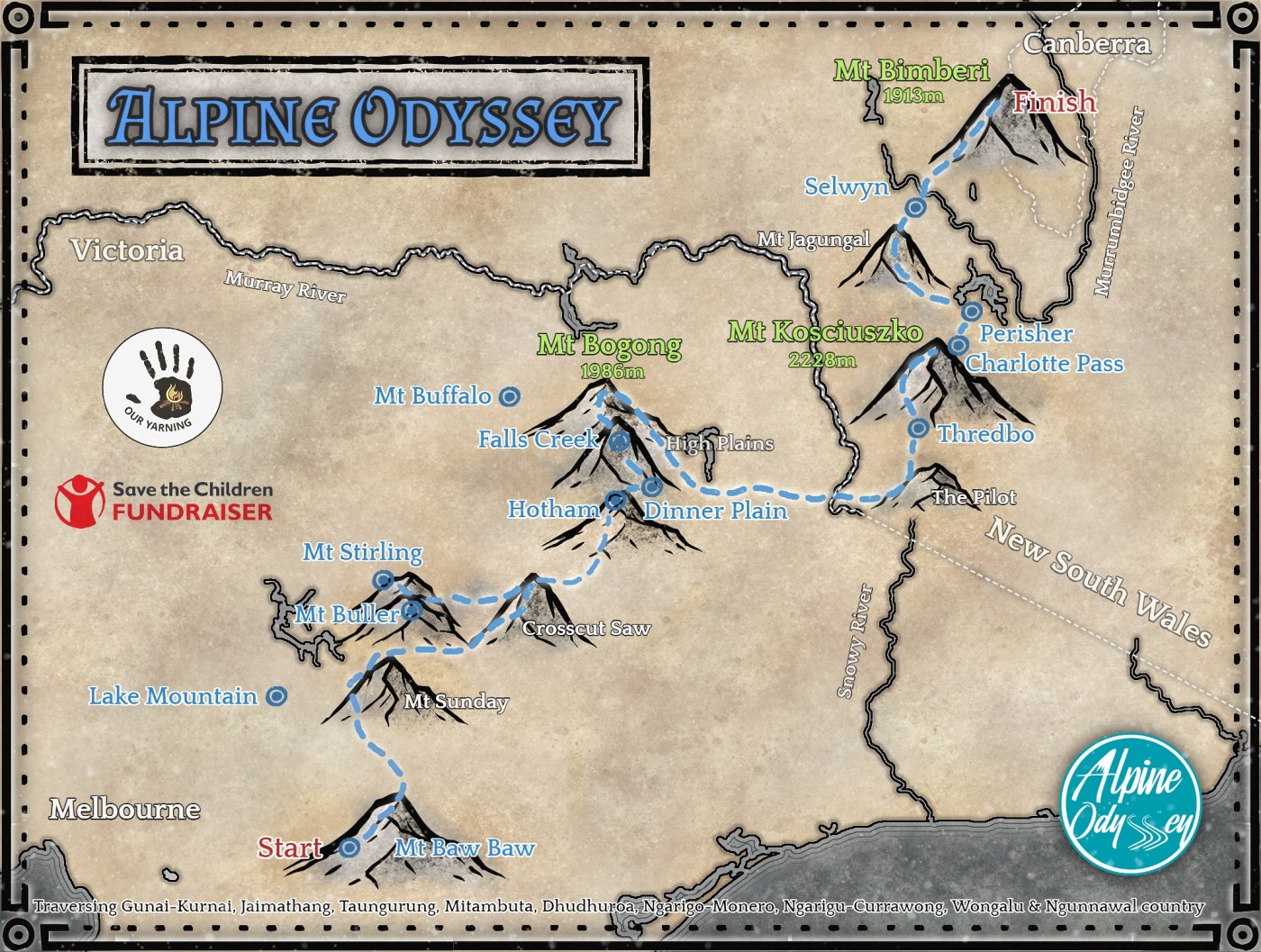
In a journey expected to take some 50 days, Huw Kingston will ski the 600 km length of the Australian Alps this winter and, along the way, ski at each of the 12 snow resorts in Victoria and NSW. His Alpine Odyssey aims to raise $50,000 for Save the Children’s Our Yarning project.

Starting in late July, Huw will traverse some of the most rugged country in Australia, diverting to ski at Lake Mountain, Mt Baw Baw, Mt Stirling, Mt Buller, Mt Hotham, Dinner Plain, Falls Creek, Mt Buffalo, Thredbo, Charlotte Pass, Perisher and finally Selwyn Snow Resort, reopening this season after having been devastated in the Black Summer fires.

Continue reading “‘Alpine Odyssey’ to cross Alps in winter”

A solo journey through the Alps

The Australian Alps Walking Track (AAWT) is the premier long distance trail through the Australian mountains. Stretching about 680 km from Walhalla in Victoria, it passes through the Alpine National Park in Victoria, Kosciusko National Park in NSW and finally into Namadgi National Park in the ACT. Alicia Crossley recently walked it solo. This is her reflection.

Continue reading “A solo journey through the Alps”

Federal government rejects key recommendation from Royal Commission

Australia’s fires over the summer of 2019/20 were unprecedented in scale and level of destruction. Fuelled by climate change, the hottest and driest year ever recorded resulted in fires that burned through more than 17 million hectares, killed up to 3 billion animals, and affected nearly 80% of Australians. This included the tragic loss of over 450 lives from the fires and smoke.

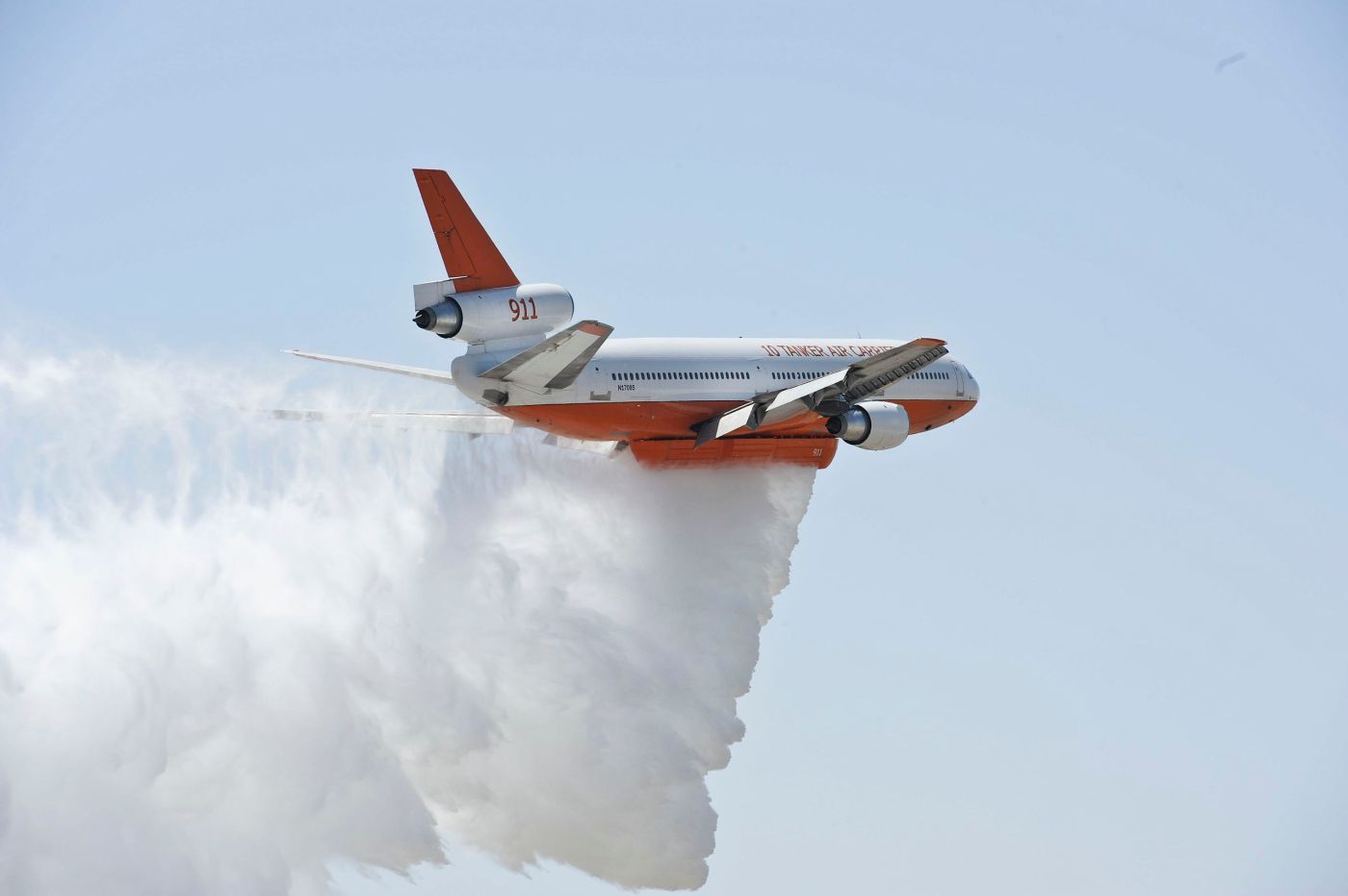
Aerial firefighting capacity – planes and helicopters – are an essential component of Australia’s ability to respond to bushfires. This was demonstrated in the 2019-2020 bushfire season, when an unprecedented use of aircraft occurred. However last summer also showed that we simply don’t have enough aircraft to fight fires in a bad season. This puts landscapes, people, towns and houses, and fire fighters at risk.

The recent Bushfire Royal Commission report recommended the creation of a national publicly-owned aerial firefighting fleet, which can then be allocated to the states “according to greatest national need”.

Continue reading “Federal government rejects key recommendation from Royal Commission”

‘State of the Climate 2020’ – what does it mean for mountain environments?

The Bureau of Meteorology and CSIRO have just released their updated ”State of the Climate’ report. This is produced every two years and provides an update on what is happening with the latest climate science. As in previous report’s, the impacts of climate change on the Australian landscape are clear. There are also some specific details for people concerned about mountain environments.

Continue reading “‘State of the Climate 2020’ – what does it mean for mountain environments?”

Increased air capacity needed to fight the fires of the future

Over June and July 2020, Emergency Leaders for Climate Action (ELCA) hosted Australia’s first virtual bushfire and climate change summit to coordinate a national response to the Australian climate and bushfire crises. The 2020 National Bushfire and Climate Summit brought together hundreds of participants from across the country, and the world, to share their experiences, and to formulate recommendations to address the worsening risk of devastating bushfires fueled by climate change. The Australian Bushfire and Climate Plan is the culmination of that effort.

The Plan provides a broad plan and practical ideas for governments, fire and land management agencies and communities to help us mitigate and adapt to worsening fire conditions. The plan’s 165 recommendations include many measures that can be implemented right now, to ensure communities are better protected. There are a range of proposals specifically around aerial support for fighting wild fire.

Continue reading “Increased air capacity needed to fight the fires of the future”

Expedition Climb8 heading to VIC

Expedition Climb8 is an all-female 800km winter traverse of the Australian Alps, for climate action.

They started their journey on 5th July in Brindabella National Park in the ACT and intend to finish at Mount Baw Baw in Victoria, 8 or 9 weeks later. ‘We aim to be the first winter team to summit all 28 named and unnamed peaks and knolls above 2,000m in the Kosciuszko National Park and the highest 10 peaks in the Victorian Alpine National Park’. They have had  some very difficult conditions and injuries, but keeping on moving. They are almost 4 weeks into the trip.

They are currently getting close to the VIC/NSW border.

Continue reading “Expedition Climb8 heading to VIC”

What are the ecological costs of this summer’s fires?

In late November, fires started in East Gippsland as a result of lightning strikes. As noted by Peter Gardner, these went on to become major blazes. On new year’s eve, lightning storms started fires across the Victorian mountains and fire season came to the Alps with a vengeance.

Since then, huge areas of the Victorian Alps and Snowy Mountains have burnt. As at January 14, many of these are still going and, of course, the key priority is containing them.

But once it’s all over, we will need to count the ecological cost of these fires. Some areas in the Alps have now burnt three times in about 15 years. There is no doubt that longer fire seasons, driven by climate change, are already impacting on mountain and foothill environments.

The short answer at this stage is that we just don’t know what the full ecological impacts of these fires will be.

The following is a fairly random collection of reports on local impacts of the fires on mountain areas. It focuses on ecological values and impacts. Of course, this does not mean that human and economic impacts don’t matter. The narrow focus here is simply to try and share some information about what the impacts will be on natural systems, as the other stories are already being told widely in mainstream media. It will be added to as areas are re-opened to the public. I would welcome your reports for inclusion: please email text and stories to cam.walker@foe.org.au

Continue reading “What are the ecological costs of this summer’s fires?”

A winter traverse of the Alps – you can be involved

Climb8 will be a long distance snowshoe expedition which is being planned for the winter of 2020.

It aims to travel from Namadgi in the ACT to Walhalla in Victoria via the Australian Alps Walking Track. It will cross 36 summits, visit 8 ski resorts and carry out climate change research along the way. It will start on June 6.

Organiser Terra Roam has announced that there are now opportunities to be involved in the expedition.

Continue reading “A winter traverse of the Alps – you can be involved”

A long solo walk. 660 km across the Alps.

The Australian Alps Walking Track (AAWT) is the premiere long distance mountain trail in Australia. It crosses the Victorian Alps from Walhalla to the NSW border, then passes through the Snowy Mountains before finishing in the ACT.

AAWT2Anthony Sharwood has just started the AAWT from the southern end. He is doing the 660 km trip solo, walking from Walhalla, Victoria to Tharwa, A.C.T. This trip is made more challenging by the fact that two sections of the track are currently closed because of bushfires.

Anthony has been posting images and updates as he goes.

You can follow his journey on twitter here.

Background info and links on the AAWT available here.

Blog at WordPress.com.

Up ↑