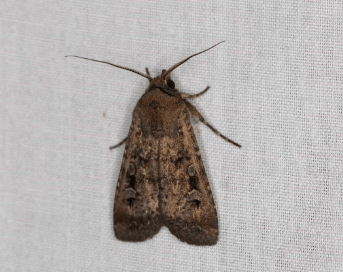
Bogong Moths, Agrostis infusa, migrate over 1,000 km each year from the black soil plains of Queensland and western NSW to the Australian Alps, seeking refuge from the summer heat. Along the way, they travel by night and then in the morning, drop down to the ground to rest in the shade during the day
In September, there has been a huge number of sightings, with millions of moths on the move due to good spring rainfalls. Populations have dropped in recent years and are hopefully on the rebound. One media report suggests that there are currently 4 billion moths on the move at present. Dr Marissa Parrott, a reproductive biologist at Zoos Victoria said that sightings of the endangered moth had increased over the last two years, but “this year has blown them out of the water. “In September alone … we’ve had more bogong moths sightings come in than all of last year”. The moths provide vast volumes of protein that are consumed by mountain pygmy possums.
The media is full of reports about moths ‘swarming’ properties along the NSW coast. While they are heading towards the Alps, it appears that so many have turned up in eastern NSW because they have been displaced by the strong northwesterly winds that have been blowing recently.
Of course, there is always a climate change angle: Despite being classified as endangered, the species isn’t at risk due to low numbers, but rather because their summer habitats are becoming uninhabitable.
“As temperatures rise with climate change, these rock shelters up in the mountains where they spend their summers are getting too warm for them to stay.”.
As Invertebrates Australia’s Linnea Emneby says – we should be ‘in awe’ of the sight of a bogong moth swarm. A rare and special treat in a time of climate change. Here’s hoping many of them make it to the Alps!
Further information
An interview with Linnea Emneby is available here.
You can log sightings of moths here.
Guardian story here.
You can find all the mountain journal stories on bogong moths here.




Leave a Reply