Search

Mountain Journal

Environment, news, culture from the Australian Alps

Category

Uncategorized

new approach needed to how Victoria manages fire risk

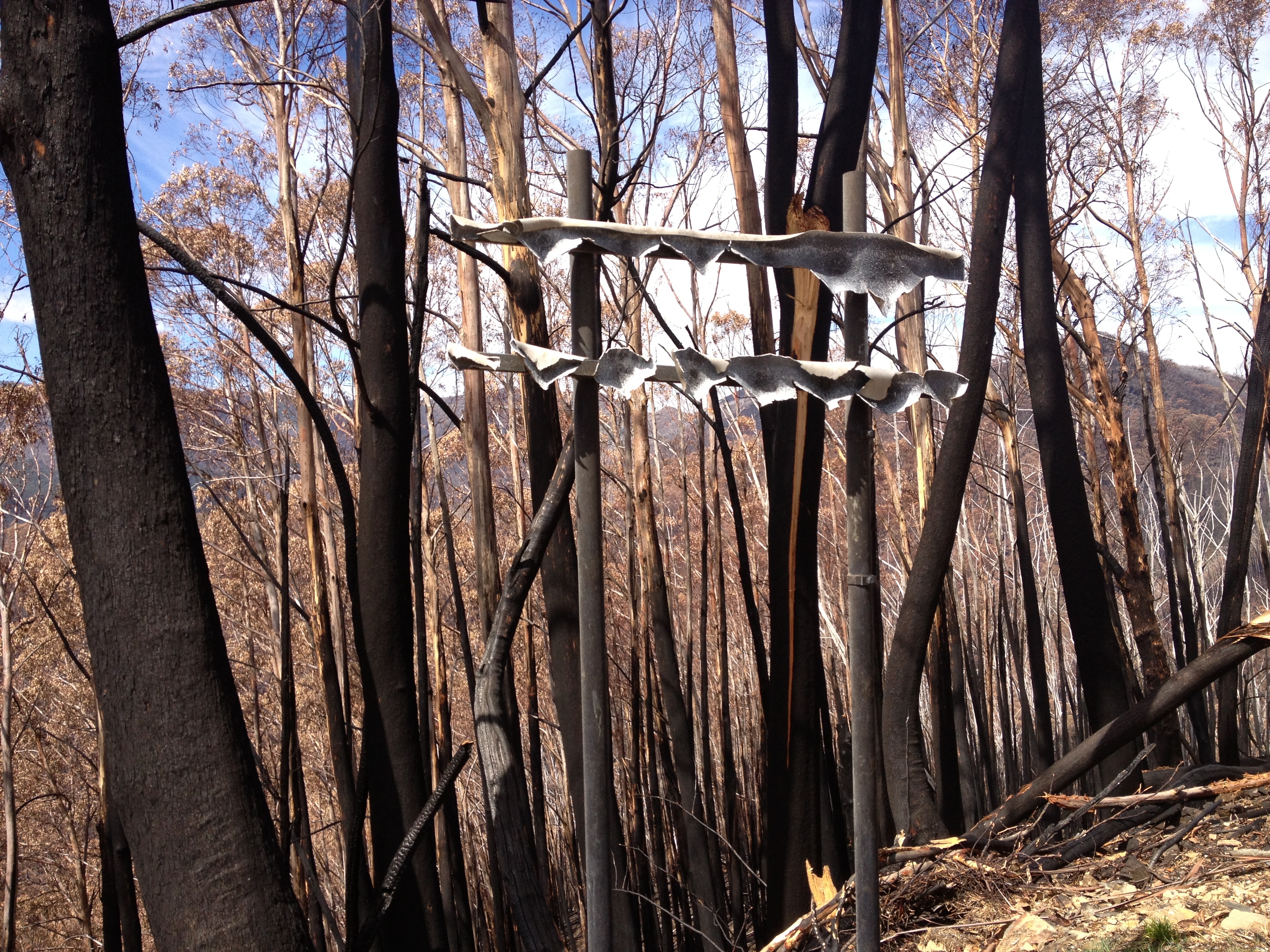
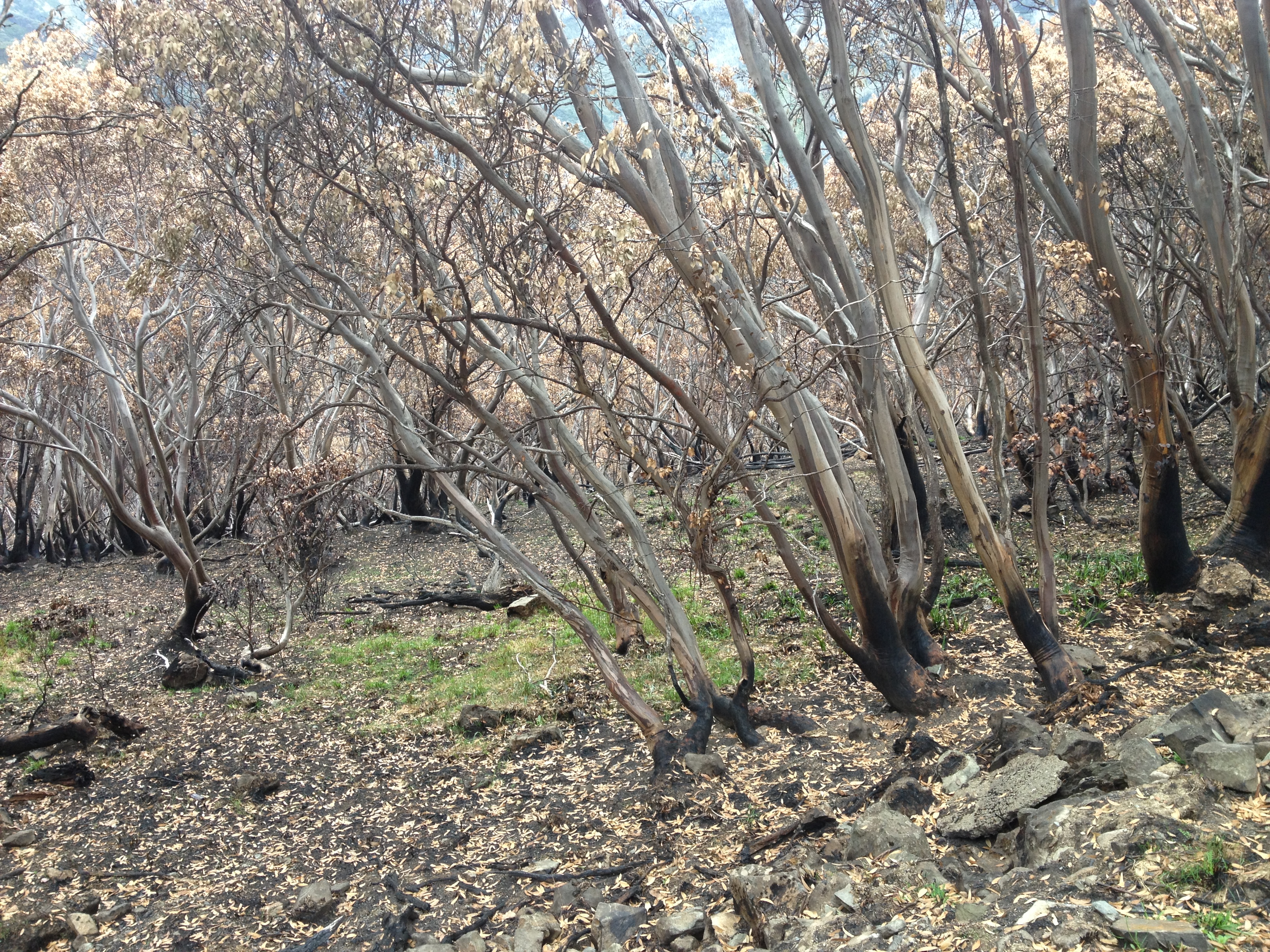
fire damage on Great Alpine Road

The 2013 state of the environment report, produced by the Commissioner for Environmental Sustainability, has just been released. Apart from providing a fascinating, and worrying, snapshot of the state of the Victorian environment, it offers some significant insights to how we respond to fire risk.

The Age reports that

“Across the 30 indicators the report uses to assess Victoria’s environment – across climate, biodiversity, land, inland waters, coasts and human settlements – 16 were considered in poor health, six fair and just one good.

When it comes to fire and fuel reduction:

“The report … says the state government should withdraw support for a recommendation by the 2009 Bushfire Royal Commission to burn five per cent of public land each year to prevent bushfires. The report says this target could mean some areas will be exposed to fire frequency above its tolerance, impacting biodiversity.

In the section on fire, the report says:

“altered burning regimes,  which we expect to be driven by climate change, have the  potential to severely impact biodiversity and ecosystem function and services”.

(page 10, chapter 3)

The Age report continues:

“Professor Auty recommends instead a new approach be developed focusing on protecting key assets from bushfires for both public and private land, with the results reported to demonstrate the risk reduction achieved. She also notes the government is yet to report on the biodiversity impacts of planned burns, a recommendation of the Royal Commission”.

Many ecologists have criticised the 5% burn target because of the political imperative for land managers to burn to meet their quotas, sometimes resulting in burns in less than optimum conditions (with the risk of fires escaping), burns in remote areas where asset protection is meaningless, and burns in areas regardless of the ecological impacts of the operation.

Let’s hope the report has some influence on how the state government manages fire risk, starting the shift from a simple ‘hectares target’ approach into a more nuanced and ecologically targeted approach which will protect human assets.

The full reports are available here.

Some comments received on this post:

MD:

From my observations in some areas that I am familiar with, and that have been burned for fuel reduction, you can end up with more fuel after the burn. Loads of fine fuels quickly return to pre-burn levels but the fire and heat kills a lot of the understory leaving a lot of coarser ‘ladder’ fuel that previously wasn’t there. The fuel reduction dogma cart is before the horse.
—
There’s no doubt that fire has been instrumental in shaping the Australian landscape but it’s more nuanced than ‘fire = good’, ‘no fire = bad’. If, for example, industrial logging and fuel reduction regimes remove or disturb forests at higher elevations, wet forests, rainforests and riparian and other communities that by their physical nature act to limit and mitigate fire spread across wide geographic areas, one potential result is fire regimes that burn over larger areas at hotter temperatures. That will create natural selection processes that favor fire respondent species and have a homogenising effect across previously diverse ecosystems. The potential for negative feedback loops is evident. Indiscriminately napalming vast tracts of forest from helicopters with a budget constrained skeleton crew operating on the fringes is possibly not the best approach to implementing a scientifically and ecologically informed fire regime.
—
 I would also add there’s no point point in burning remote areas to reach arbitrary fuel reduction targets when the real problem is at the urban interface where populations and planning laws keep pushing into forested areas. As city fringes become more urbanised and “safe”, the growing population means there are always people pushing out into high risk areas. In most cases, these sites will never be defendable on extreme days no matter how much you burn or how many dollars they charge for the fire levy.
Hikers asked to help find man missing in Kosciuszko National Park

IMG_2886The following comes from The Canberra Times

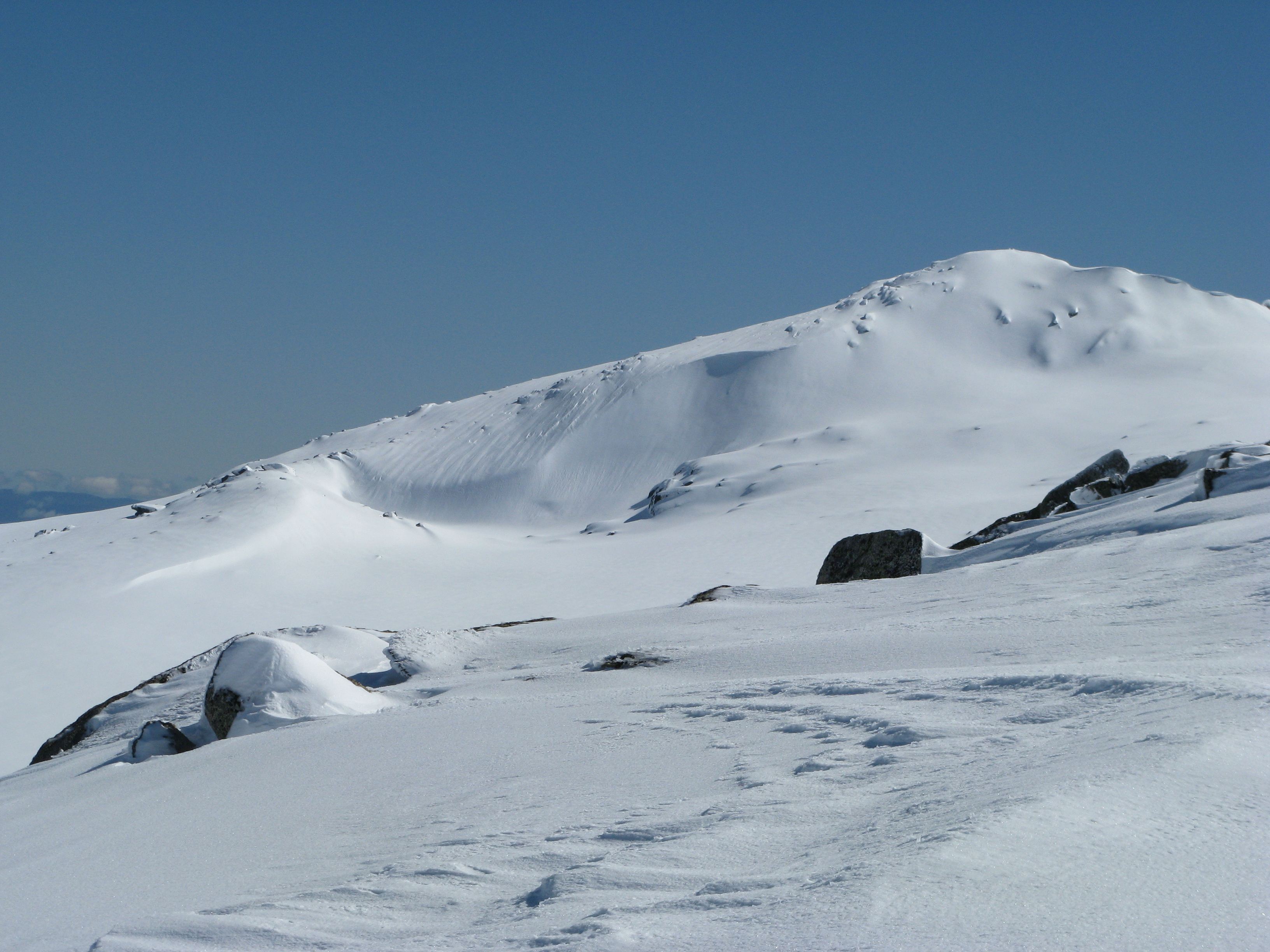
New South Wales Police will appeal to hikers in the Kosciuszko National Park to help in the search for missing Canadian Prabhdeep Srawn.

Two days after recommencing a ground search for the 25-year-old who has been missing since May 13, Monaro Local Area Command Superintendent Rod Smith said police and National Parks and Wildlife Officers were contending with some snow in the search area.

“We are recommencing the search in a limited capacity, using some specialist services available to us.

“We’re going to give that a go this week and then will make a weekly assessment as to when the appropriate time to go back into another thorough ground search but obviously that will be when the snow goes.”

He said SES volunteers were on standby for a broader ground search and that visitors to the area were being asked to remain vigilant.

“We believe that he walked along the Main Range Trail from Charlotte Pass, in an anti-clockwise direction towards Mt Townsend and Mt Kosciusko.

“For people who are out there, we are appealing for hikers in that area to keep an eye out.”

Family members are coordinating a group of 18 volunteers who will arrive from Canada next week to assist with the search.

“All of the information that we’ve got, firmly point us in the direction that we have concentrated our search but of course, we are open to the fact that he may not be in that particular area which is problematic because it is such a massive, vast area.”

Mr Srawn was last seen on May 13 when he parked a rental car in the Charlotte Pass Village before setting out in fine conditions to hike near Australia’s two highest peaks, Mt Kosciuszko and Mt Townsend. His disappearance was reported a week later, prompting a large air and land search over two weeks. The 30-person search was abandoned on June 1 ahead of heavy winter snowfall.

New research shows alpine grazing does not reduce blazing

burnt snowgum woodland near Mt Hotham

The following excerts come from a piece by Grant Williamson, Brett Murphy, and David Bowman published in The Conversation. It seems pertinent given the current proposal to re-introduce cattle into a section of the Alpine national park.

Their actual research report can be found here.

This was not an on-ground research project into how grazing might be used as a fuel management tool. Rather, it was based on an assessment of satellite images of the Victorian Alps. They looked at vegetation maps from the past, and compared them with areas after the cessation of grazing, and also the impacts of extensive areas burnt by fires.

“We overlaid maps of crown scorch derived from satellite imagery following large bushfires in 2002/03 and 2006/07 with the location of pastoral leases. Crown scorch is a measure of fire intensity, based on the degree to which flames have reached a height which enables them to burn the forest canopy”.

They summarise their findings in this way:

“Using geospatial statistics we found that cattle grazing had no effect on the likelihood of crown scorch in eucalypt forests and woodlands.

This result is biologically plausible given that cattle are grazing animals, not browsing animals – they do not extensively feed on woody vegetation focusing on grasses instead. Our study is also consistent with previous ground-based studies that have demonstrated the cattle prefer to graze in grassy areas”.

new management at lake Mountain & Baw Baw?

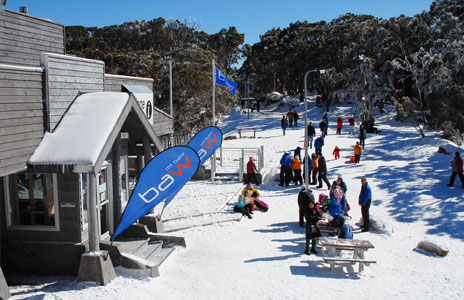
wtg_14The Victorian government recently called for Expressions of interest for long term private managers to take on running the Lake Mountain and Mount Baw Baw Alpine Resorts. Tender applications have now closed.

As noted recently on this site, the Victorian Government has previously decided to open up the state’s national parks to further development and private investment. The depth of this agenda is not yet clear.

The government describes Mt Baw Baw as
“an all-season alpine resort, open year round for summer and winter adventures. It is Victoria’s affordable, family friendly ‘learn to ski’ destination. Activities include downhill skiing, snowboarding, cross country skiing, tobogganing, terrain parks and other event in the white season, plus walking, hiking, cycling, downhill and mountain biking and a number of events in the green season”.

And Lake Mountain as
Lake Mountain is a Crown Land reserve which is open year round for summer and winter experiences. It is Victoria’s affordable family getaway in the great outdoors, and is Australia’s premier cross country skiing and snow play resort. Only a two hour drive from Melbourne, Lake Mountain is Melbourne’s closest alpine resort.

Given the prognosis of expected warmer conditions and less reliable snowfalls as a result of climate change, any private operator considering taking on a new project in these lower elevation resorts will need to be building up the ‘green season’ activity at the resorts.

This begs a fairly obvious question: with the pro development agenda of the current state government and a limited ability to run economically viable resorts based on snow activity at lower elevations, what devil in the detail might emerge once the new operators are announced?

Let’s hope this doesn’t become an opportunity for new operators to radically increase the footprint and impact of activity at these resorts.

Alpine grazing: still no news from government

source: MCAV
source: MCAV

Four days after The Australian newspaper announced that the Victorian government intends to ask the federal government to approve a new grazing trial within the Alpine national park, there is still no statement from the government about its intentions. The environment minister has had the time to issue a media release on the birth of a baby hippo at Werribee zoo, but apparently not to let the Victorian community know what is happening with this controversial proposal.

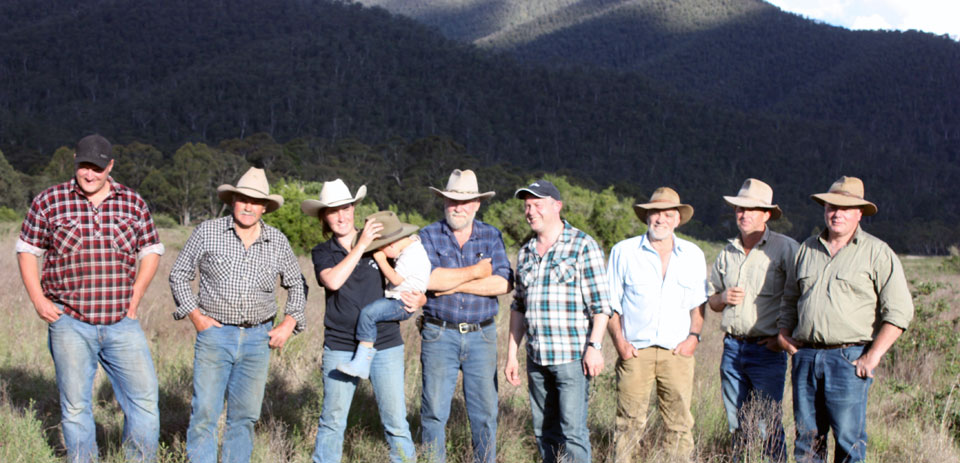
The grazing announcement has been a long time coming. In January 2013, The Weekly Times reported that the mountain cattlemen had toured Mr Smith to the Wonnangatta Station, specifically to talk about the re introduction of grazing.

Then last week, it was reported that the mountain cattlemen had again toured the Wonnangatta Valley with Mr Smith and also the Upper House MP Philip Davis.

Both the Age and the Australian have run pieces on the visit and subsequent announcement that the Victorian government is moving to gain federal approval to introduce cattle back into the Alpine national park.

The Weekly Times is reporting that a referral for the trial had been sent to the Federal Government on monday November 25.

Any attempt to re-introduce cattle gazing will be highly controversial. It seems strange that the Minister appears to be making announcements via the media, and not communicating directly with the people of Victoria about his intentions by making a detailed statement on the trial.

National Park logging canned – now to stop ‘ecological thinning’

The New South Wales Government has rejected the recommendations of an Upper House enquiry that called for logging in National Parks. However, their response leaves the door open for ‘scientific’ trials that could still see commercial logging crews sent back into sensitive protected areas.

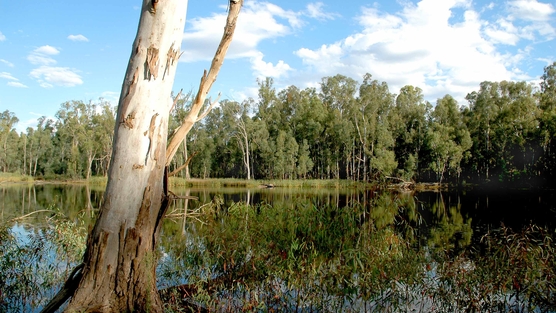
barmah treesFriends of the Earth welcomes the Government’s response to rule out a moratorium on new National Parks and to open Parks for commercial logging. Politicians of all persuasions can’t ignore the fact that Australians don’t want to see our National Parks trashed. If National Parks aren’t safe from logging, where is? This response is a small win for the millions of Australians who care about our unique ecosystems and want to see them properly protected.

However, the response still provides support for a controversial ‘ecological thinning’ trial in the Barmah-Millewa National Park; Australia’s largest Red Gum forest and an internationally significant Ramsar wetland. This trial mimics a commercial forestry operation and will have significant impacts on this environment of national significance. If the O’Farrell Government is serious about protecting our natural heritage, they should rule out all logging in National Parks, whether commercial or ‘scientific.’

Friends of the Earth worked alongside Traditional Owners, scientists and local communities to ensure that precious remaining River Red Gum forests in Victoria and NSW were protected in National Parks.

We now need to mobilise to safeguard this legacy. Please check out and sign our petition to the federal Government calling for them to reject the proposed thinning trial.

on walking, part 2

IMG_00000875The week’s craziness dissipates with every step, evaporating and blowing away. Another wave of clouds come through and I pause under a big old tree, waiting for the rain to pass. Behind me, what sounds like a frogmouth ohms its call, and as a rainbow breaks over the shallow valley in front of bright cumulus, the kangaroos slowly emerge from under cover and start grazing again. The stream is flowing clear, and everything is still green in a flush of late spring growth.

I am reminded, as I often am, of how walking is the only real way to experience landscape on an intimate scale. Surfing and cross country skiing are the same. Once it gets mechanical, you’re generally moving too fast to catch the nuances of landscape.

It also got me thinking about the frame of mind that can help to drive and inform your walking.

What jumps out at me is this.

yet another attempt to get cows back into the Alpine Park

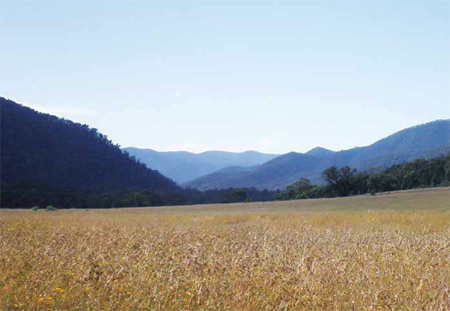
in the Wonnangatta, looking north

In a nicely orchestrated media piece, it has been announced via The Australian newspaper that the Victorian government will propose a three year cattle grazing trial in the Wonnangatta Valley, within the Alpine national park.

The paper reports that the government is supporting a three-year trial of cattle grazing in the Wonnangatta Valley, one of the main south flowing river systems in the central Alps.

“Victorian Environment Minister Ryan Smith will refer the issue to the Abbott government on Monday, backing a scientific study during the summer months of about 60 head of hereford and angus cattle”. The Victorian government has not yet issued a statement on the trials.

While previous attempts by the Coalition have been soundly attacked by scientists for the poor basis of the research framework, apparently this new trial will be “part of a scientific investigation of bushfire prevention options across 2200 hectares.”

Mountain cattleman Charlie Lovick is reported as saying he hopes this trial will re open access for grazing to a broader area.

The report says that the “preservation of Australian bush heritage will be crucial to the application” that will go to the federal environment minister, Greg Hunt, for approval.

The Wonnangatta was settled by Europeans in the 1860’s and incorporated into the national park in 1988. It is a lowland area compared with the previous attempt by the Victorian government to re-introduce grazing. One has to assume that should this trial be a success at reducing fuel load and weeds, then there would be an attempt to introduce it at higher elevations, where the science clearly shows that ‘grazing does not reduce blazing’.

The Victorian environment minister Ryan Smith (who is a member of the far right Institute of Public Affairs, well known for its anti –environment agenda) said “it’s not an ideological position, it’s a land-management issue.”

Assuming Greg Hunt approves the ‘scientific survey’, grazing could start as early as January 2014.

A spokesman for Mr Hunt said yesterday the government would assess the referral when it was received in accordance with Environment Protection and Biodiversity Conservation Act.

take action

If the prospect of grazing in the park troubles you, please contact the Minister for the Environment, Greg Hunt, making it clear you would not support such a move.

E: greg.hunt.mp@aph.gov.au

Website: http://www.greghunt.com.au

Twitter: https://twitter.com/greghuntmp

Possible tweet:

Alpine grazing is about politics, not good policy. @GregHuntMP – please: No cows in the Alpine Park.

Facebook: https://www.facebook.com/greg.hunt.mp


For background on the grazing issue, please see here.

https://themountainjournal.wordpress.com/environment/alpine-grazing/

Ducane Range, winter

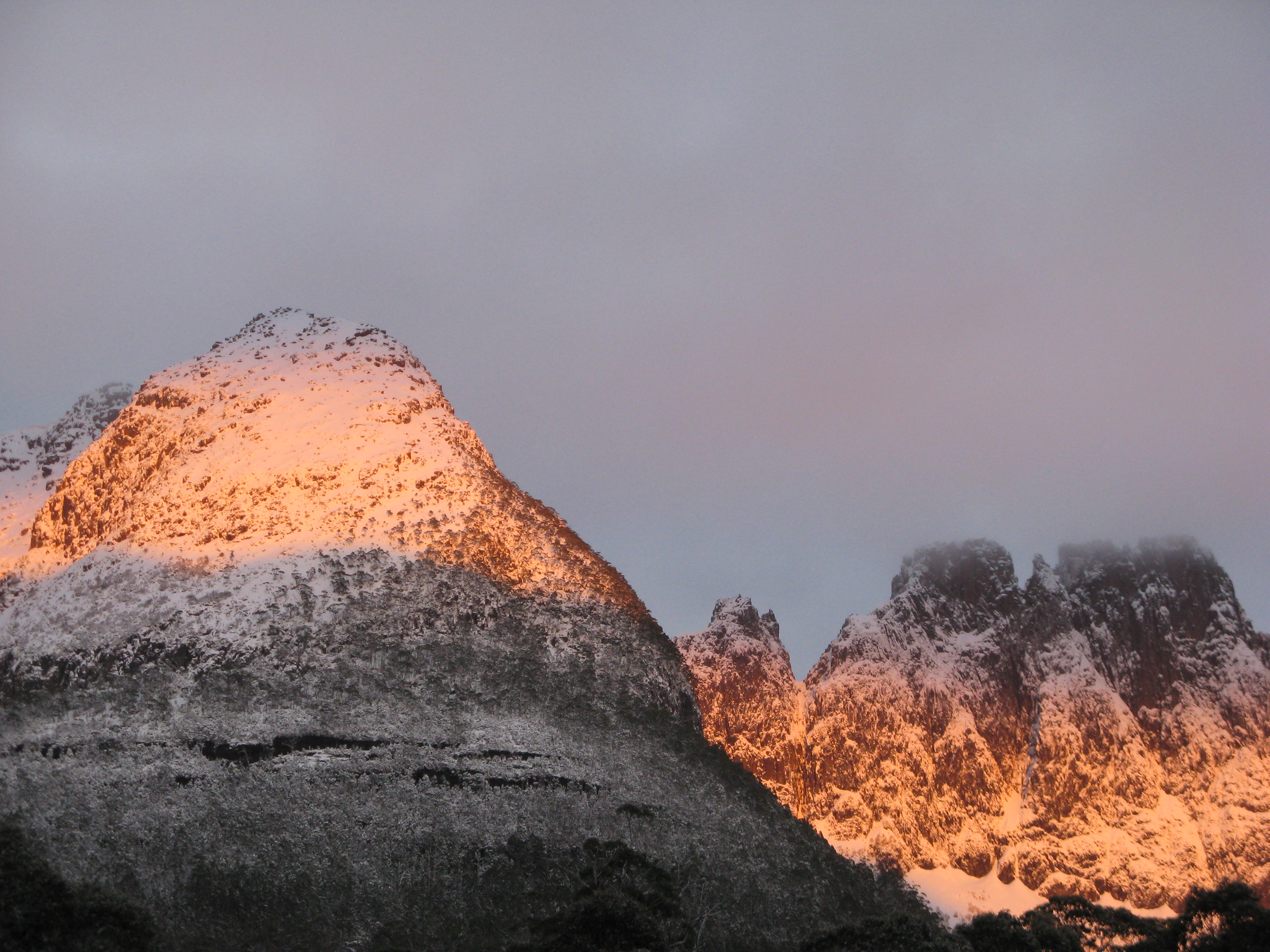
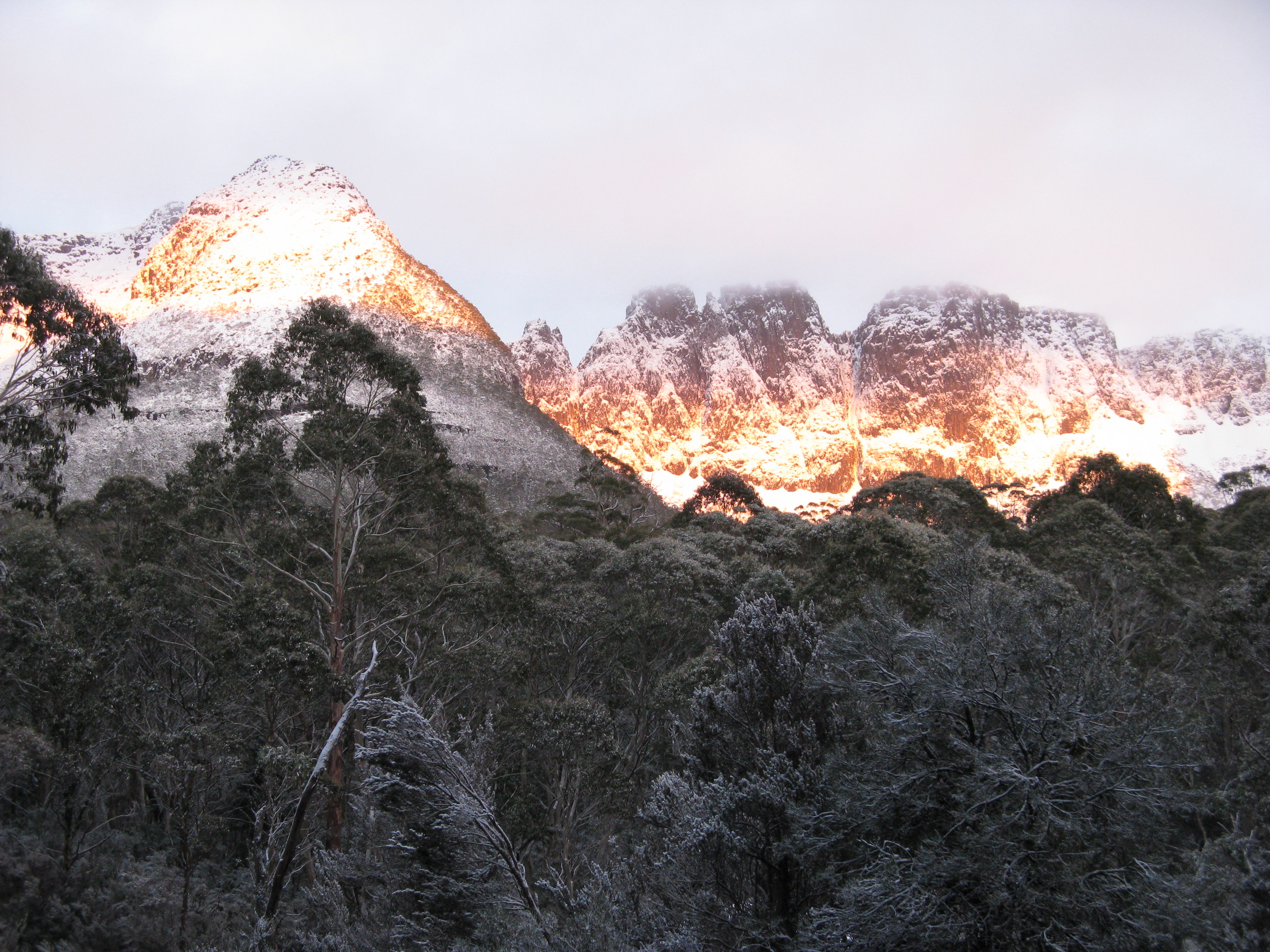
The Acropolis & Geryon

Mountain Journal has been pretty serious of late. There’s lots of threats to the environments that we all love. But I figured it might be time for something a bit lighter.

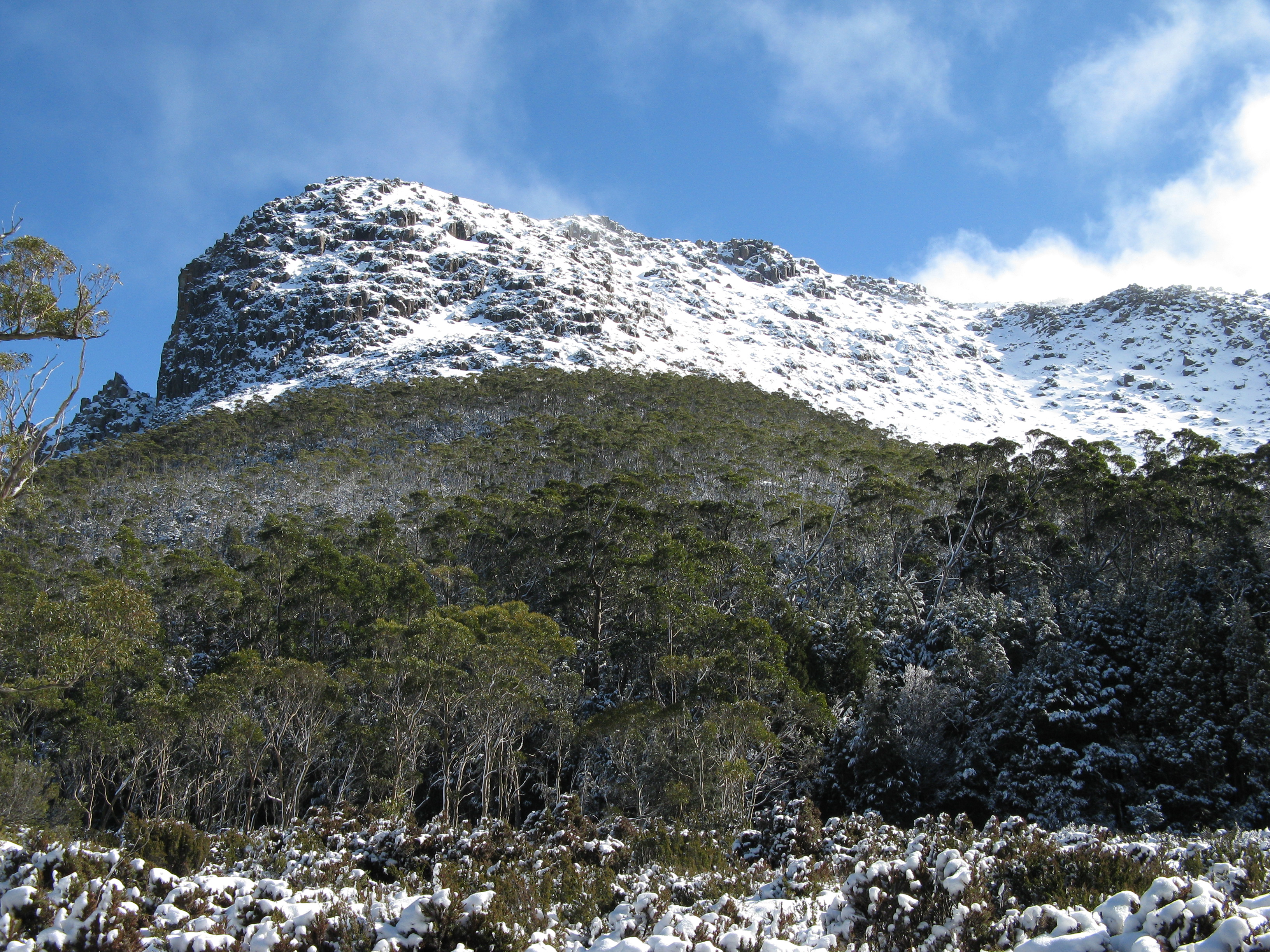
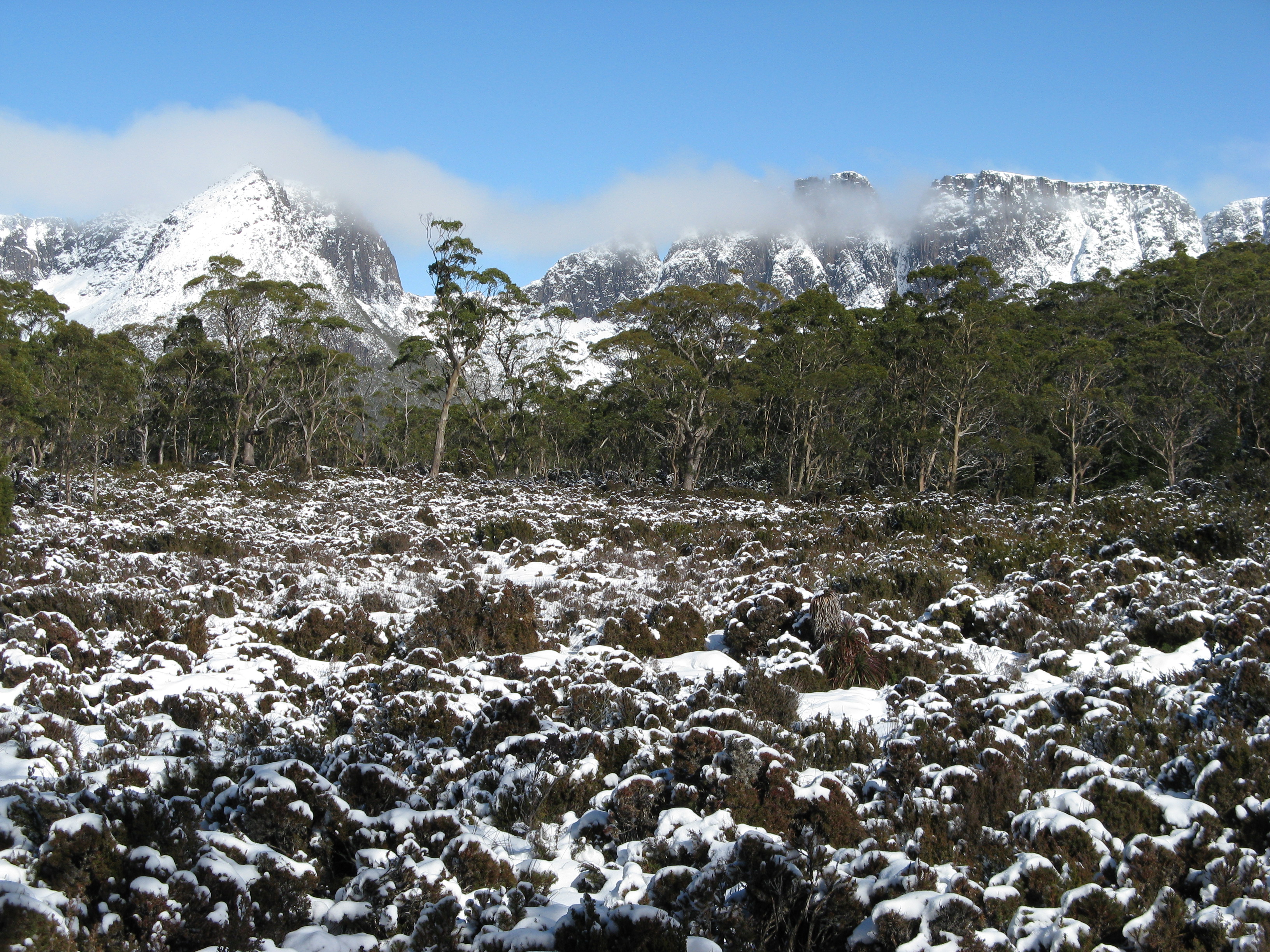
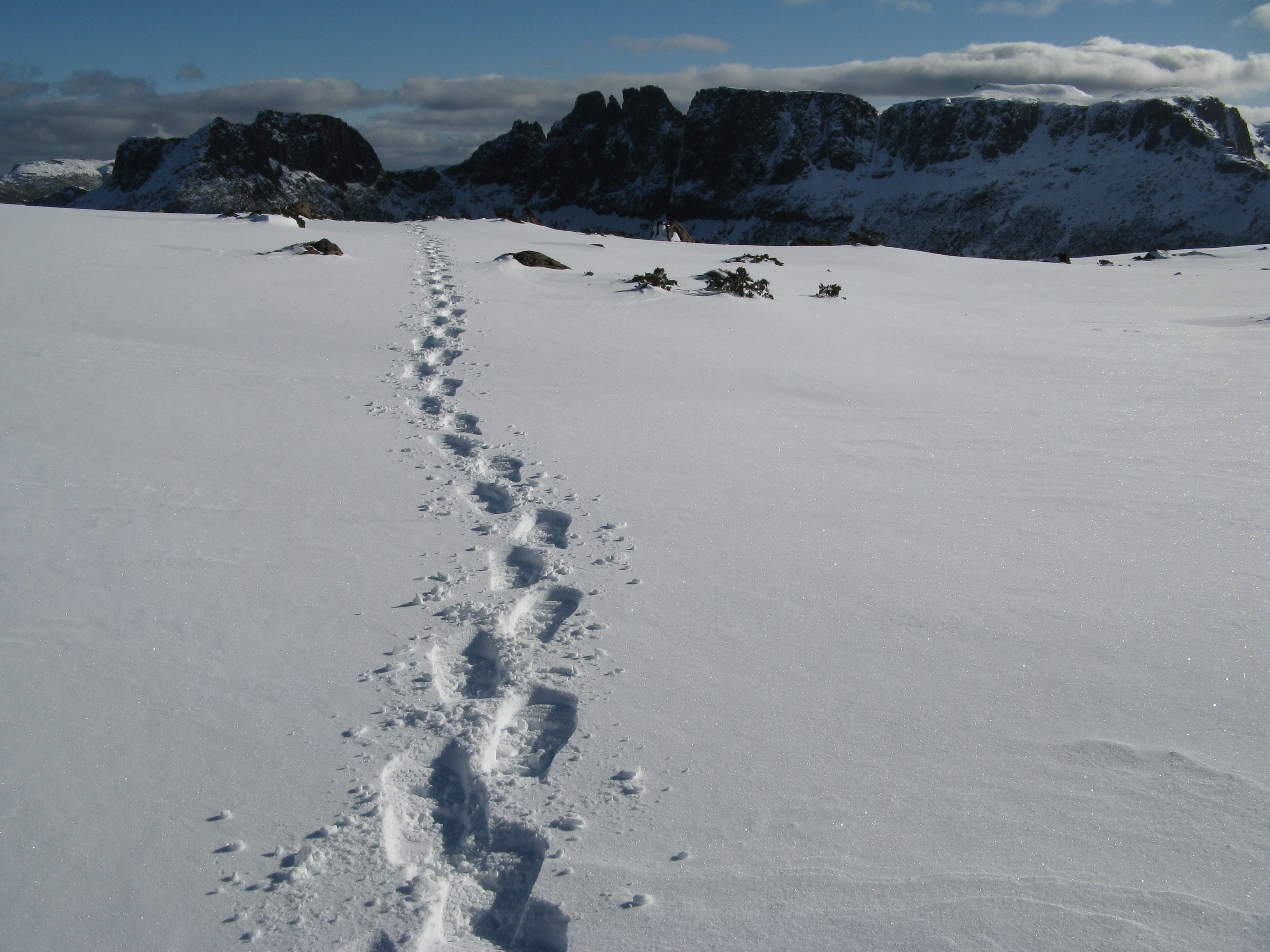
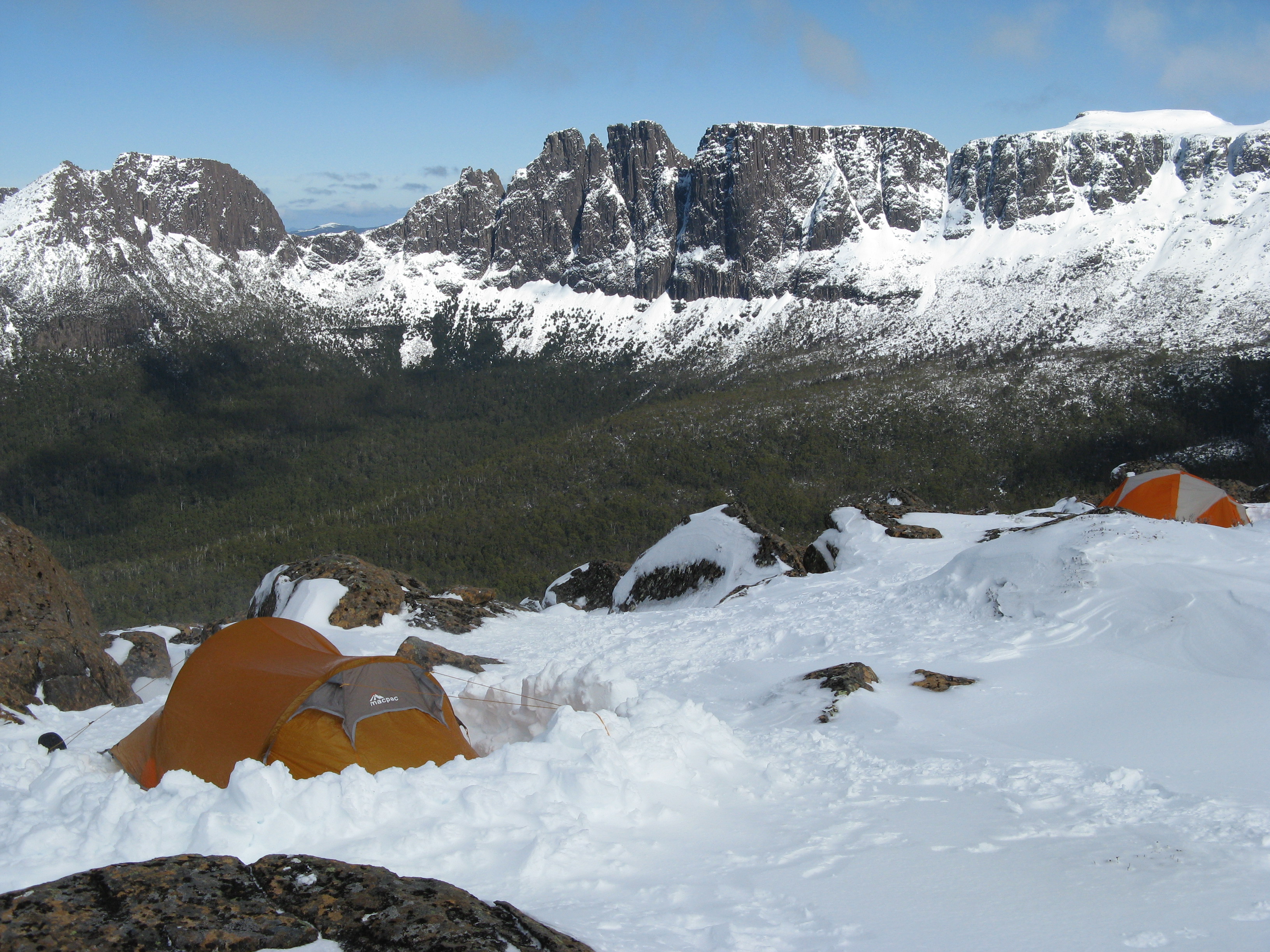
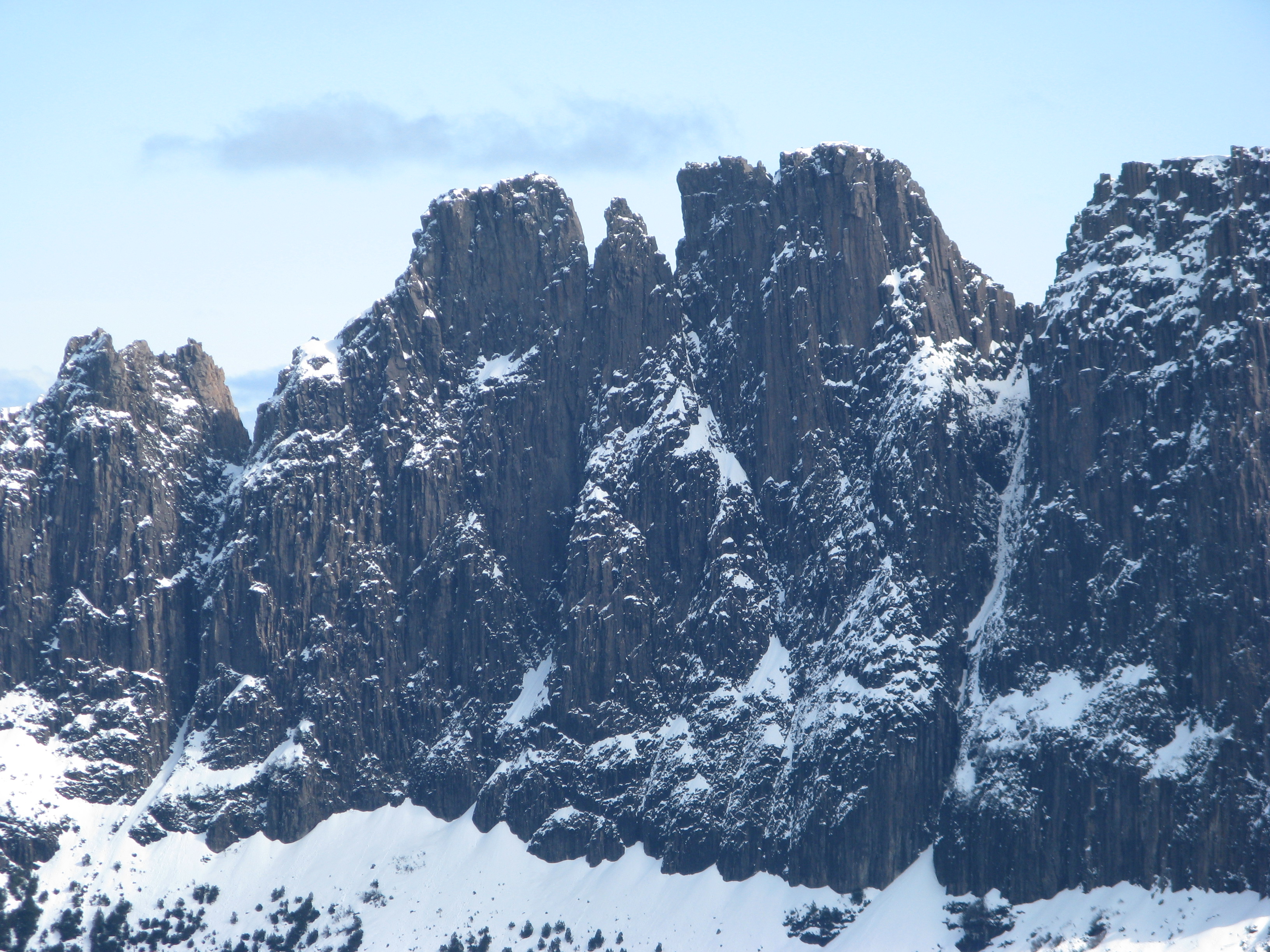
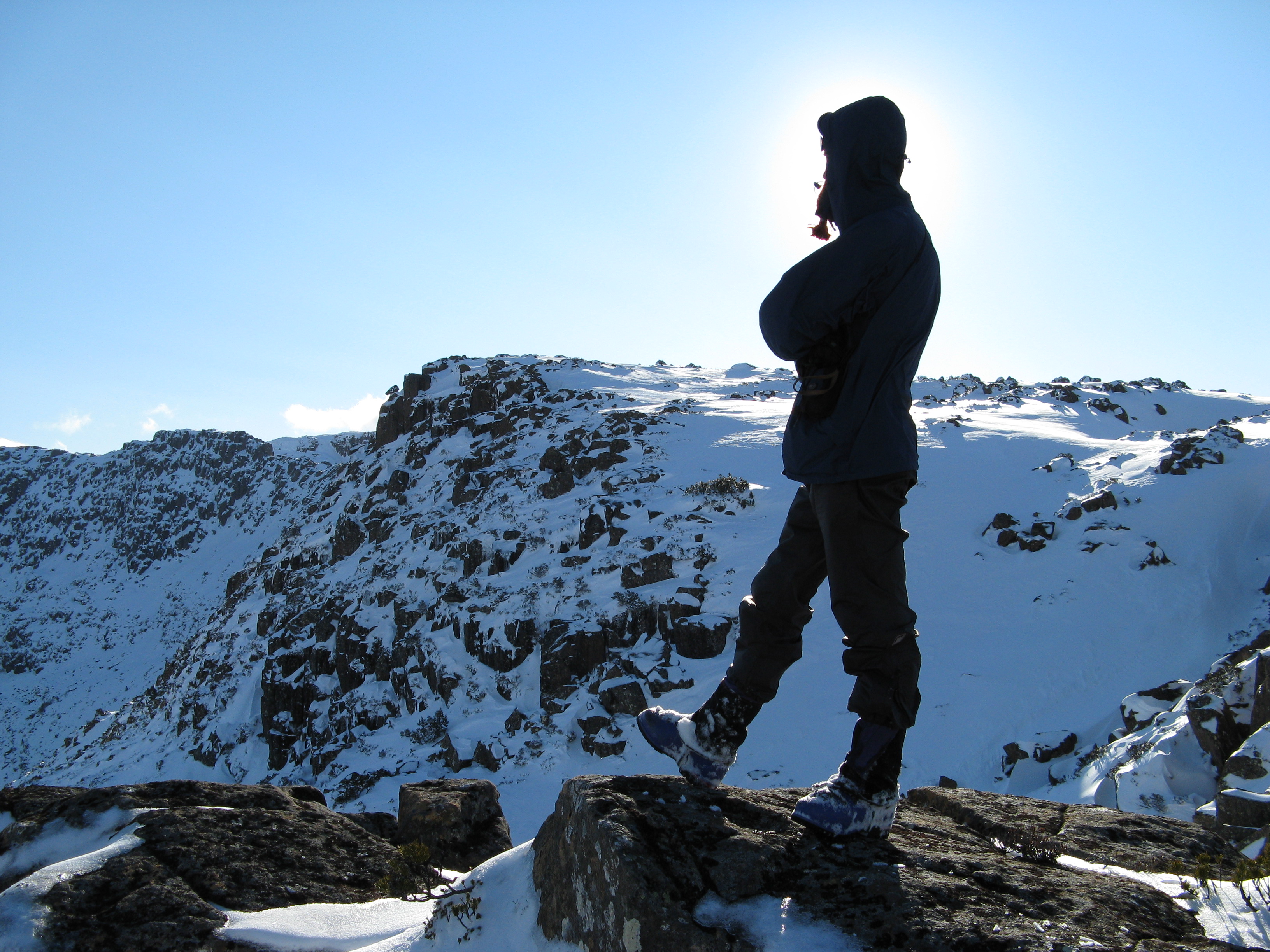
These pics are from a mid winter trip into the Ducane Range & Castle Crag, central TAS.

There are some track notes here.

Ducane Range
Ducane Range
Castle Crag
Castle Crag

IMG_0416

IMG_0431IMG_0439

eastonern face of Gery
eastern face of Geryon

IMG_0490

Mt Wellington cable car ‘up and running by 2017’?

The Sunday Tasmanian reports that

IMG_0384“Buoyed by the removal of the Wellington Park Management Trust’s veto power last week, the man behind Mt Wellington’s proposed cable car project hopes it will be up and running by 2017.

In State Parliament on Wednesday, the Labor Party supported legislation introduced by the Liberals aimed at removing the trust’s power to veto developments on the mountain.

Proposed developments will still need to go through the regular council planning approvals. But the legislation has given new hope to Mt Wellington Cableway Company executive director Adrian Bold, who said the controversial $37 million project would be funded private Canadian investors”.

Greens environment spokeswoman Cassy O’Connor said

“The bottom line is that we’ve never seen a cable car proposal come forward that is viable, that is economically sound, and that has overwhelming public support.

“I think we can do better for the mountain. Yes, I think we should have a sensible discussion about development on the summit … but a cable car is not the answer.”

Greens MP Peter Wish has previously said

I recently met with Sky Rail owner and consultant Dr Ken Chapman in Cairns and he described the business case for a cable car on Mount Wellington as very complicated and far from certain to be economically viable.

Any serious push for a Mount Wellington cable car has in the past resulted in community division. In 1984 there was a serious push for a cable car and again in 1993 and on both occasions there was no economic backing, the project was not viable and the cable car was put aside.

There is, of course, diversity of opinion, even amongst people that aren’t just of the ‘develop at all costs’ mind set. One example comes from writer Susan Moore:

“I reckon if more people can experience the beauty of Hobart from the top it would be a good thing. Aside from the tourists, I think it would be a popular option for people who want to go up the top and walk or mountain bike down or take the kids to play in the snow. Maybe, like some Swiss ski resorts, Mount Wellington could even become car-free?”

I tend to feel this is a bit hopeful, as any attempt to close the mountain would create an up roar amongst car advocacy groups and push people that want to get up the mountain without walking or riding into having to pay a private developer for the privilege of getting there.

Where is the project at?

It is still in the concept phase, described by the proponent like this:

Once the Tasmanian Planning Commission ratify the proposed WPMT 2012-2017 management plan, MWCC can initiate the next steps ahead, including a comprehensive technical analysis and environmental impact study to identify the most appropriate system, route, amenities and location for the project.

Once evaluated, MWCC can continue design work towards submitting a formal proposal, bringing the Concept Stage to a close.

Details on the WPMP (Wellington Park Management Plan) can be found here.

With both the Liberals and ALP voting to remove the Wellington Park Management Trust’s veto power over developments, the cable car proposal is getting closer.

Nowa Nowa residents have mixed feelings about mining project

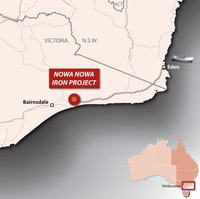
nowa nowaThe following article comes from the ABC, journalist Jenni Henderson.

Check here for a background on the project and details on the community consultation process that has been happening. Leaving aside the direct environmental impact of the project, there is the key issue of what impact a large number of large trucks on the narrow Princes Hwy will have on locals and tourists.

Residents of Nowa Nowa and surrounds are expressing mixed feelings about the prospect of the Iron Ore mine being established seven kilometres north of the town. Mining company Eastern Iron is now putting together a feasibility study for the mine and has held community information sessions in Nowa Nowa, Lakes Entrance and Orbost.

The company estimates about 200 people have attended the sessions so far, to learn more about the project.

The mine still requires environmental and planning approval from the State Government.
Neil Smith a Nowa Nowa resident says the community has been ignored in the decision making process so far.

“I’m not just talking about the mining company. The East Gippsland Shire are in the process of negotiating a memorandum of understanding but they don’t see that’s there’s any need to talk to community before they reach an agreement,” he says.

Mr Smith says he feels that there has been no opportunity for the community to reach a consensus on what they want out of the mining project.

“If it’s ten years of mining and ten years of jobs and then nothing except a big hole in the ground and some potential environmental damage then there’s no benefit,” he says.
Nowa Nowa needs the cash flow and employment opportunities a mine would bring, says Paul Oakes, president of the Nowa Nowa and District Business and Tourism Group.
“Nowa Nowa is a very small community; it just needs the funds in. It’s pretty quiet, of course the mills have all been cut right back and forestry is cutting back on the harvesting so it’s sort of shrinking, the area is shrinking really,” he says.

Mr Oakes says the business and tourism group is concerned that East Gippsland Shire Council is representing the Nowa Nowa community in signing a memorandum of understanding with the mining company.

“It’s pretty hard for us to get any services from the shire except the basic ones. We’d prefer the mine to deal directly with the development group that’s here,” he says.

Helen Shields, a Nowa Nowa resident, says the mine proposal has the potential to divide the community.

“Communities always have dreams about things they can do for their area which improve them. Of course people want work, of course people want a future for their children to stay here but nobody’s had those conversations in relation to the mine,” she says.

Ms Shields has concerns about any environmental and social impacts the mine could have on the town.

“If there is explosions happening here 24 hours a day for 10 years I don’t believe that it won’t impact on this catchment area,” she says.

new fees for camping in national parks

IMGP4039The Victorian government has announced that it is intending to introduce charges for overnight hiking and camping in more than 100 of our state and national parks.

In addition to increasing existing fees at car camping spots that have basic services, there is a proposal to introduce “overnight walking” fees.

You only have til COB this Friday, November 22 to make a submission.

Background information and details on how to make a submission is available here.

Check here for a statement by Glenn Tempest of Open Spaces Publications

Some quotes from Glenn’s submission:

There are so many issues regarding these proposals that it’s difficult to know where to start. Firstly, however, I have to say that I’m astounded at the size of the proposed increase in camping fees. A fee of almost $50 for an individual to stay one night at a campground designated as having a ‘high’ level of facility and service is simply outrageous.

Many park users are travelers who don’t plan ahead but simply ‘roll-up’ to various campgrounds. So who thought it was a good idea to confine those park users to an online booking system upon arrival at the campground?

Blog at WordPress.com.

Up ↑