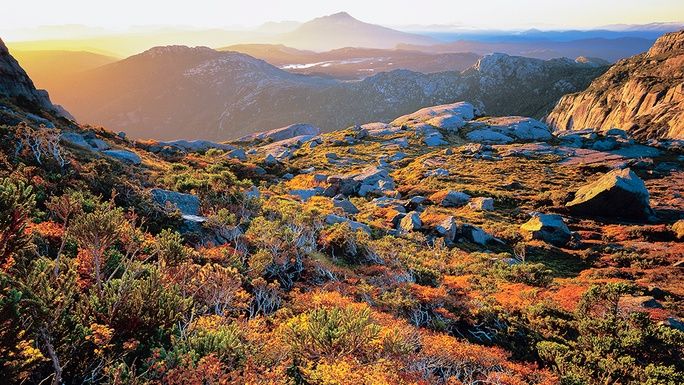
Tasmania has a world class conservation system. From the South West Wilderness to the Central Plateau, to the Ben Lomond tablelands, it is brimming with wonderful landscapes that are protected as national parks, world heritage or other forms of park. But these parks didn’t just happen. All of them are the result of tireless work by many thousands of people, sometimes over decades.
From the attempts to stop Lake Pedder from being flooded in the 1970s, the Franklin River campaign of the early 1980s, and the long forest campaigns that followed in places like the Styx, the Florentine, Lemonthyme, and the Great Western Tiers, through to the current attempts to ensure proper protection for the Tarkine / takayna region in the north west, people have campaigned for decades to see these areas protected for all time.
Climate change poses an existential threat to many of the natural ecosystems currently protected in the park network. But there is also a pushback by government and some vested interests and sections of the community against the basic notion of protecting these places.
Continue reading “‘Eternal vigilance is the price of Freedom’” →






Recent Comments