Search

Mountain Journal

Environment, news, culture from the Australian Alps

Author

Cam Walker

I work with Friends of the Earth, and live in Castlemaine in Central Victoria, Australia. Activist, mountain enthusiast, telemark skier, volunteer firefighter.

Documenting Tasmania’s threatened Gondwana vegetation

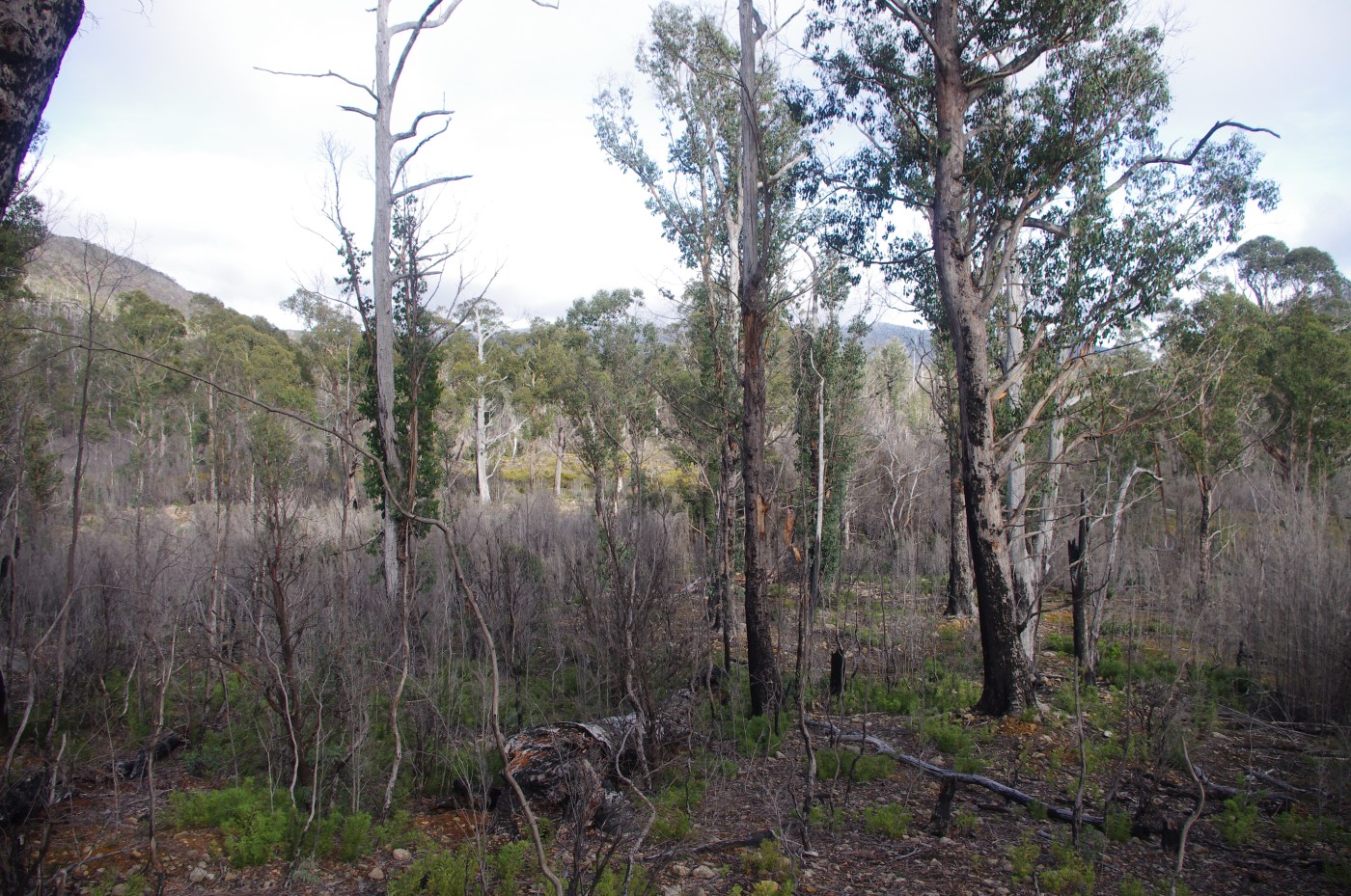
Fires burnt large areas of Tasmania last summer. A recent independent review of fire fighting efforts found there had been some errors in how fires were tackled, but there were also innovative developments (like using sprinkler systems to fire sensitive vegetation).

We know that significant areas of fire sensitive vegetation were impacted by the fires. We also know that climate change will bring ever more serious fire seasons, putting these remnant vegetation communities at greater risk.

A group of people have banded together to make a film about this endangered vegetation. They say the ‘Tasmanian Gondwana film aims to raise awareness of the extraordinary value and beauty of Tasmania’s unique paleo-endemic communities. It comes in the wake of the 2016 and 2019 wildfires in western Tasmania that threatened and burnt large areas of ancient Gondwanan vegetation’.

They have launched a crowd fund campaign to enable the film to be produced.

Continue reading “Documenting Tasmania’s threatened Gondwana vegetation”

NSW Parliament to debate the impacts of feral horses

IT’S A PARK, NOT A PADDOCK!

On Thursday August 22 the NSW Parliament will debate the impacts of feral horses on Kosciuszko National Park.

More than 12,000 people signed the petition calling for this debate and it’s now going to happen!

The Parliament will debate repealing the Kosciuszko Wild Horse Heritage Act and repairing the damage caused by hard-hooved animals. Reclaim Kosci is asking people to join them on the day to show support for this parliamentary debate.

Continue reading “NSW Parliament to debate the impacts of feral horses”

Independent review of the management of 2018/19 Tasmanian fires

Over the summer of 2018/19 huge fires burnt across Tasmania. An independent review of Tasmania’s management of the summer bushfires has just been released. It found inadequacies in the response to a fire burning near Geeveston, and revealed that crews withdrew from the Gell River fire in Tasmania’s southwest in the mistaken belief it was out. The fire then expanded again and became out of control.

It makes a series of recommendations for the fire services and government, including a proposal to re-establish a volunteer remote area firefighter group. The report, from the Australasian Fire and Emergency Service Authorities Council (AFAC) also gives an update on the ecological impacts of the fires. An earlier ecological assessment is here.

Continue reading “Independent review of the management of 2018/19 Tasmanian fires”

Snow! Be careful out there.

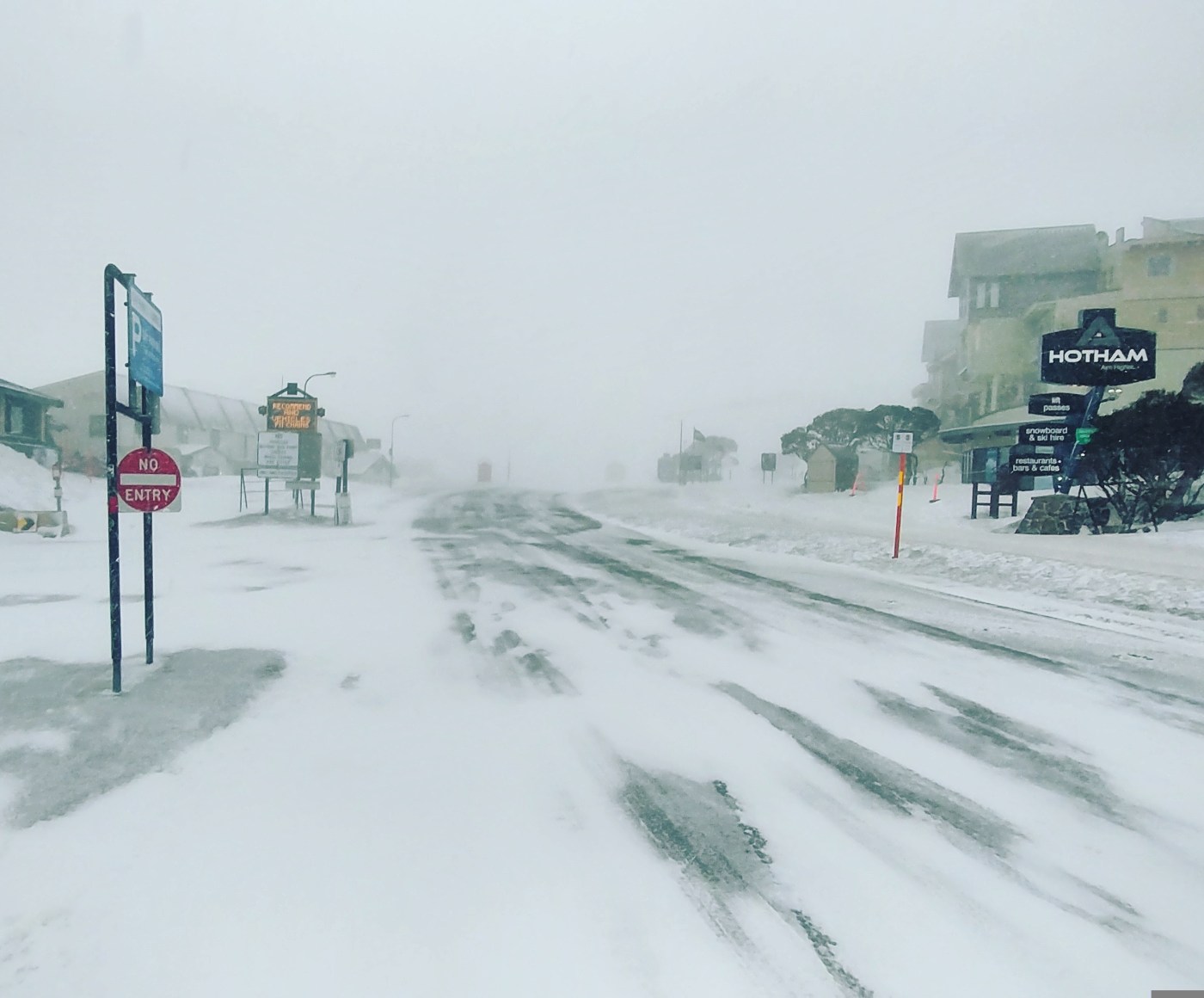
It’s being billed as the best single snow event of the winter. Regardless of the title or hype, its certainly a fantastic dump across all the mountains of the mainland and Tasmania.

But it has also led to serious avalanche potential. Here is a summary of the current (AUG 9) Mountain Sports Collective backcountry conditions bulletin.

Continue reading “Snow! Be careful out there.”

Lets Split trip to Dead Horse Gap

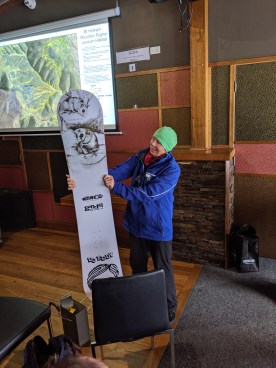
Lets Split is a volunteer based initiative, designed to expand and strengthen the Australian Splitboard community.  We are a group of experienced SplitBoarders, who invite others to join us touring in the backcountry – hoping that the important skills needed for safe backcountry travel can pass into the younger generation of riders who are perhaps less experienced than us.

Here is a report from Lets Split founder Amine Yasmine on their recent trip to Dead Horse Gap in the Snowy Mountains.

Continue reading “Lets Split trip to Dead Horse Gap”

Increased bushfire risk the New Normal

Australian summers are getting drier and hotter as the Earth’s temperature rises and this is leading to longer and more intense bushfire seasons. On the mainland, we are seeing more frequent fires in the mountains – for instance, in the Mt Hotham area we have seen three serious fires in less than 15 years, which has devastated huge areas of snow gum and alpine ash forests. Snow gum forests are changing under the onslaught of more frequent fire regimes.

In Tasmania, huge fires burnt across Tasmania for months last summer, threatening fire sensitive communities. More than 100,000 hectares were burnt in Victoria. As is becoming increasingly obvious, this is the ‘new normal’. This has implications for landscapes and water supplies, how we manage fires, and how we live in the landscape. This is happening in forests around the world, and people who have traditionally lived in forested areas are having to re-assess how they can do this safely in a time of heightened fire risk.

Continue reading “Increased bushfire risk the New Normal”

High Plains Festival

Falls Creek Cross Country are excited to announce the first High Plains Festival!

It will happen over the weekend of August 31/ September 1, operating from the Centre at Windy Corner in Falls Creek resort.

LEARN NEW SKILLS – TOUR – MAKE TURNS

Continue reading “High Plains Festival”

NSW fails to remove horses from Kosciuszko National Park (again)

Like climate change, conservatives are using land management policy as another proxy battlefield in the Culture War.

This is amply demonstrated by the decision by the NSW government to legislate to protect wild horses, a feral species that causes immense damage to the High Country, on the basis of their ‘cultural’ significance. As expected, horse numbers continue to grow in the Kosciuszko National Park and threaten the ecological values of the park. While there had been high hopes that common sense would prevail when Matt Kean, was appointed as the NSW Energy and Environment Minister, attempts to reduce numbers through relocation have failed to be enacted by the state government.

Peter Hannam, writing in the Sydney Morning Herald, provides an update on the situation.

Continue reading “NSW fails to remove horses from Kosciuszko National Park (again)”

The Australian Alps Walking Track in winter

Mark Oates has made some great backcountry films. The following is an update about his most recent winter traverse of the Australian Alps Walking Track, which he did with his brother last winter. He will be uploading a ‘snap shot’ video of each day of the trip, starting today. Check the link for a daily update of mountain goodness.

Continue reading “The Australian Alps Walking Track in winter”

Climate change threatens Melbourne’s water and mountain ash forests

The Central Highlands to the east of Melbourne are home to incredible stands of Mountain Ash (Eucalyptus regnans). They are valuable in their own right and also offer space, quiet, recreation, and are a home to a wealth of animal species. The catchments of the Central Highlands also provide much of Melbourne’s drinking water.

According to new research, Melbourne faces a rising threat to it’s water supplies from climate change as higher temperatures diminish inflows while pushing up demand.

A paper published by Environment Research Letters shows a “substantially” amplified risk for Melbourne’s water availability if global temperatures rise 2 degrees above pre-industrial levels rather than the 1.5-degree target set by the Paris climate agreement.

Continue reading “Climate change threatens Melbourne’s water and mountain ash forests”

Victorian public wants to see forests protected

Results of a public survey conducted by the Victorian government show overwhelming support for protecting native forests from logging, and provide the Andrews Labor government with a strong platform to protect forests and transition jobs out of the native forest logging sector, say environment groups.

The survey shows that:

  • The public think that the future of industry is in plantations
  • Victorians support protecting forests and improved forest recreation opportunities
  • Results show no need to continue with the failed Regional Forest Agreements

Continue reading “Victorian public wants to see forests protected”

How has Tasmania’s climate changed?

Climate change is already affecting the landscape of Tasmania through more intense fire seasons. This threatens species like the Pencil Pine. In the last few decades, there has been an increase in fires caused by dry lightning strikes, and this has been impacting on vegetation types that are not fire adapted.

A recent review of how much climate change has already impacted on Tasmania highlights how broad these effects are on the landscape.

Erin Cooper, writing for the ABC, identified the following impacts that are being felt in mountain areas.

Continue reading “How has Tasmania’s climate changed?”

Blog at WordPress.com.

Up ↑