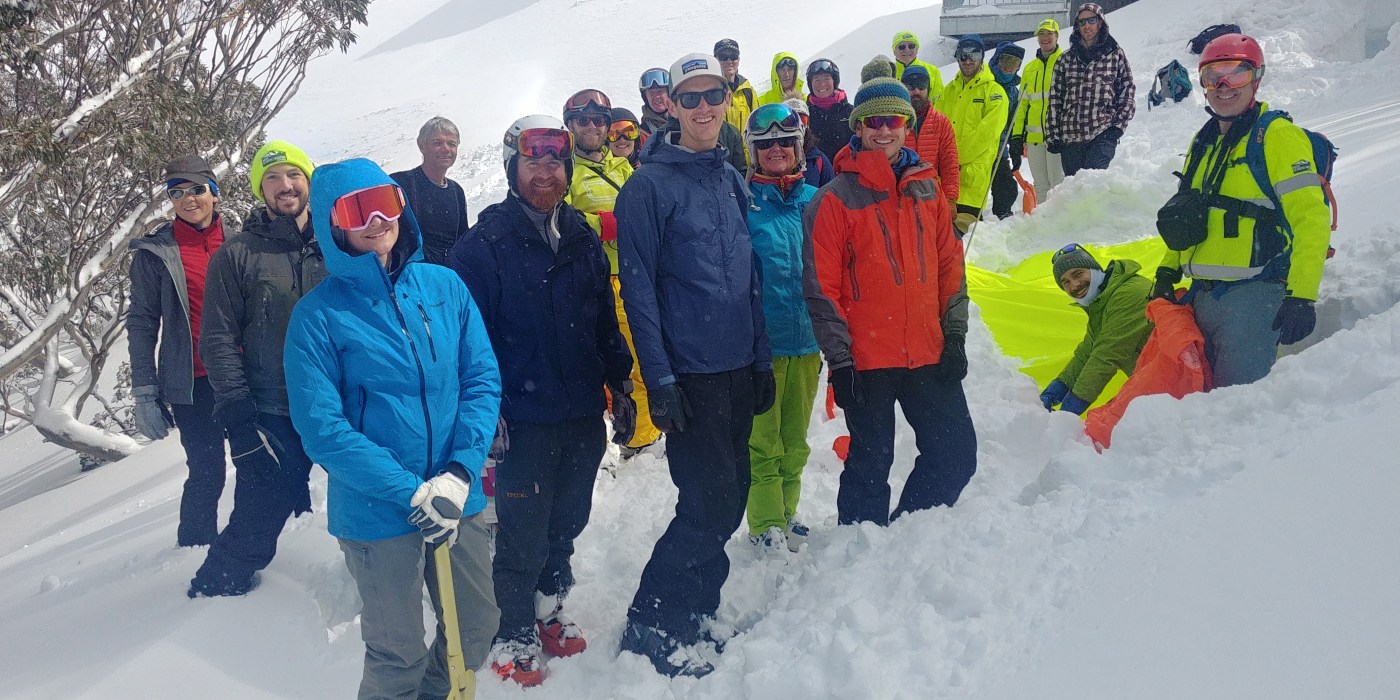
The 2019 Victorian backcountry festival is done and dusted. This year the BC Fest moved to Mt Hotham, and it was wonderful to see the Hotham – and broader BC community – embrace the new location. Hotham is the perfect spot because of the amazing terrain, ease of access and strong backcountry community, both on the mountain and down valley in Bright and Harrietville. Close to 400 people registered. We had 31 tours, skillshares and workshops, an extended speaker’s program, a Protect Our Winters info and film night and a ski-in outdoor bar at Village Lookout in the Christmas Hills.
Thanks
The first thing I need to do is thank everyone who backed or got involved in the festival. Of course, there are too many names, but here’s a start:

Resort management and lift company were fantastic in their support. Special thanks to Adam Galvin and Jason Nightingale from resort management and snow groomer Greg O’Donohue. The venues were so supportive – big thanks especially to Sooty, Darren and everyone at The General, Marty at The SnowBird, and Mark at Blizzard Brewery. And the people who pitched in to help, especially Buff Farnell, Kelly van den Berg, who brought in so many skilled tour leaders, and Merrin Jokic, who MC’d an epic afternoon of speakers. Rupert from Bright Brewery, Mel and Luka from Crepe Collective and Steve Belli did the food and drinks at our outdoor bar. The bar itself was a work of art, a product of much digging by my partner Natalie, Dave, Peter, and my brother Mitch, Kyle, Simon and his crew. The speaker’s program was huge and people made a real effort to be there. Thanks to Josh from POW and Stephen Curtain for his film making workshop. Dave, Pieta and Luka from Alpine Access ran avalanche courses as the training partner for the festival. Big thanks to Peter Campbell and all the Bush Search and Rescue crew, Jason Ball from Vic Police SAR, and Rolf Schonfeld for his endless commitment to snow and avalanche safety. A deep bow to head of ski patrol Bill Barker who provided impeccable advice on conditions and inspiring presentations at The Genny. Simon Murray dug snow pits and did most of our graphic design. Chris Hocking and Drew Jolowicz provided amazing sidecountry images. David Flanders was our rego desk guy and podcast interviewer extraordinaire.

Of course, the tour leaders, who brought incredible skills and knowledge and donated their time and insights and were all amazing. And you – the backcountry community, who showed up and pitched in. It really was a fantastic and inspiring weekend.
In my post festival delirium I know there are many more people to thank.
Next year

From resounding feedback, it’s clear that the festival has come home to Hotham. We need to check dates and lock in venues but we’re hoping it will happen over the weekend of September 5 and 6, 2020.
Highlights
As was the case last year, we worked hard to ensure a diversity of voices in the speaker’s program. Melissa Clarke provided a phenomenal level of knowledge about touring the Main Range of the Snowy Mountains and the joys and pitfalls of touring with pulks (sleds). Ash Peplow Ball spoke compellingly of the need for the snow sports community to get organised to protect winter. Bill Barker shared his knowledge of Hotham avalanche hotspots. Tim Macartney-Snape shared more than 40 years worth of incredible images of climbing and skiing big peaks around the world. Bev Lawrence and Georgina Boardman updated us on the plight of the Mountain Pygmy Possum and efforts to protect remnant communities. Hotham legend Buff Farnell shared some of his favourite images of skiing Hotham over many decades, many of them from acclaimed photographers Andrew Barnes and Karl Gray. Climate striker and skier Naimh Smith-O’Connor finished off the POW night with a powerful message. Ted Suurkivi, Mark Frost, Mia Walker, Kelly van den Berg, Lisse Dunser, Simon Murray and Josh Fletcher also spoke.

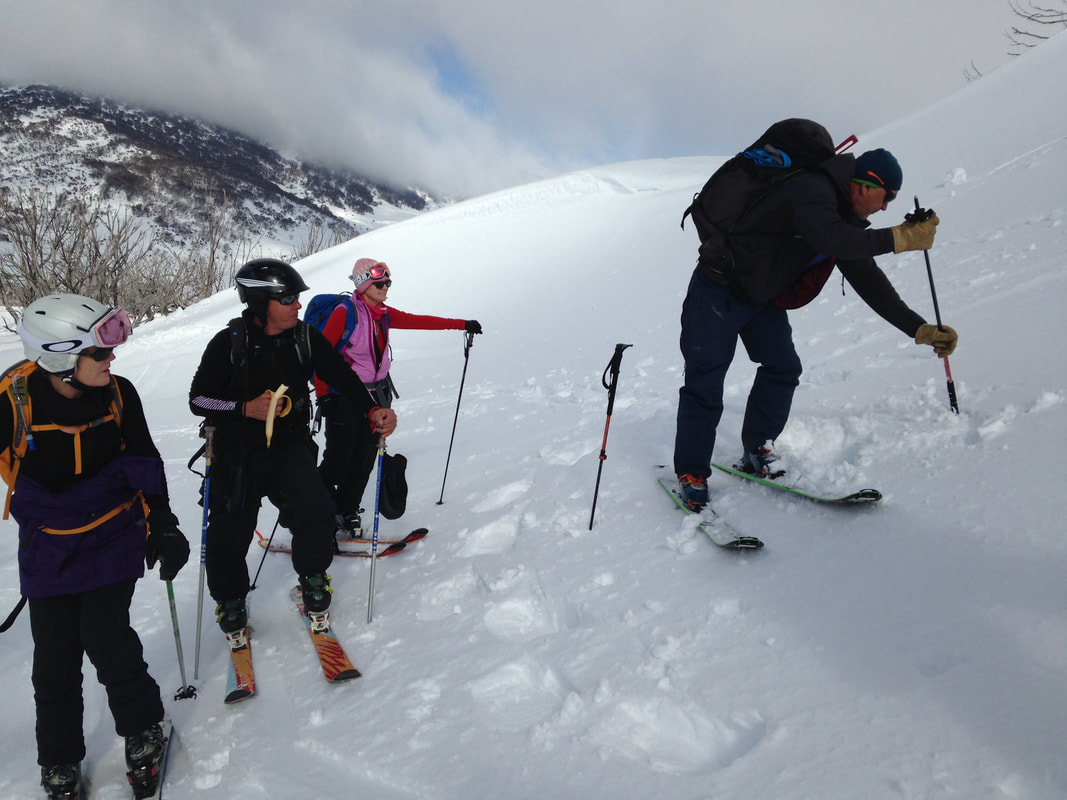
We tried to offer a range of beginner and intermediate courses, covering everything from snow shoeing to ski mountaineering. There was self rescue and first aid, navigation and snow camping. After a warm and sunny week, Saturday morning saw the return of winter and considerable avalanche risk, so many tours ended up going ‘south side’ into places like Women’s Downhill rather than onto the higher peaks. Amine from LetsSplit led another successful splitboard outing and with better conditions on the Sunday, there were trips out to the Workshop Chutes, Dargo Bowl, Eagle Ridge and Mt Loch. Daniel Sherwin and Kyle Boys are leading the three day trip out to Feathertop which starts this morning.We also had a strong presence from a number of outdoor brands. The North Face put up their expedition dome, Wilderness Sports made the journey from Jindabyne, and Everest Sports and Snow Sports and Travel and Mammut were also on board, offering a wide range of demo gear and products. Patagonia provided prizes for the POW event, and Blue Dinosaur offered heaps of energy bars. Thanks also to the businesses who offered inkind support through providing venues.

There were glitches and things that could have been done better. Thankyou to everyone for their good humour and generosity of spirit throughout the festival.
We all love snow
After a huge weekend, I’m starting the final packup and enjoying this fresh snow. There will be an online feedback poll circulated to people who registered this week and I would also welcome your direct feedback via email. It’s clear that we are onto something with these festivals and it now needs to grow beyond being a one man show. The remarkable growth in the festival in just two years and keen interest shows that there is a deep interest in the backcountry. I hope that we can set up an organising team for the 2020 festival soon.

By definition, skiing and riding in the backcountry is something we tend to do in small groups. It was wonderful to see and meet some many great people, share a beer around a fire on a gorgeous mountain top, and see the energy and enthusiasm as people came back in from their tours. We’re a diverse bunch and have the shared love of mountains, deep snow and winter and it was great to have had the chance to help bring a good chunk of the BC community together to enjoy some turns, have good conversations, and some wonderful time out in our wild and beautiful mountains.See you next year. Cam
IMAGES.
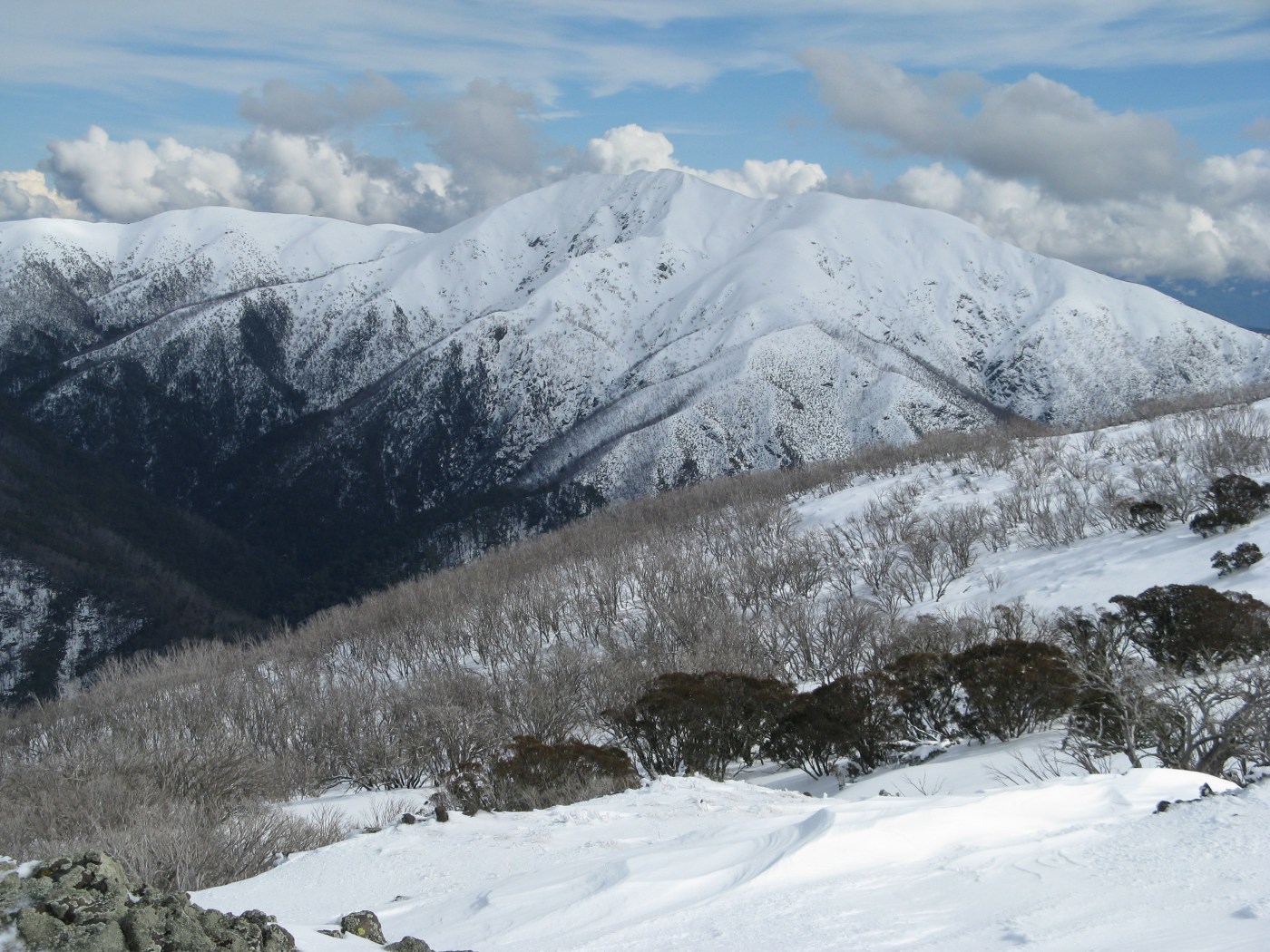
A couple of images from the festival. Please send me yours for use on the website and promos: cam.walker@foe.org.au or post on the event facebook page.


Continue reading “Report on the 2019 VIC backcountry festival”
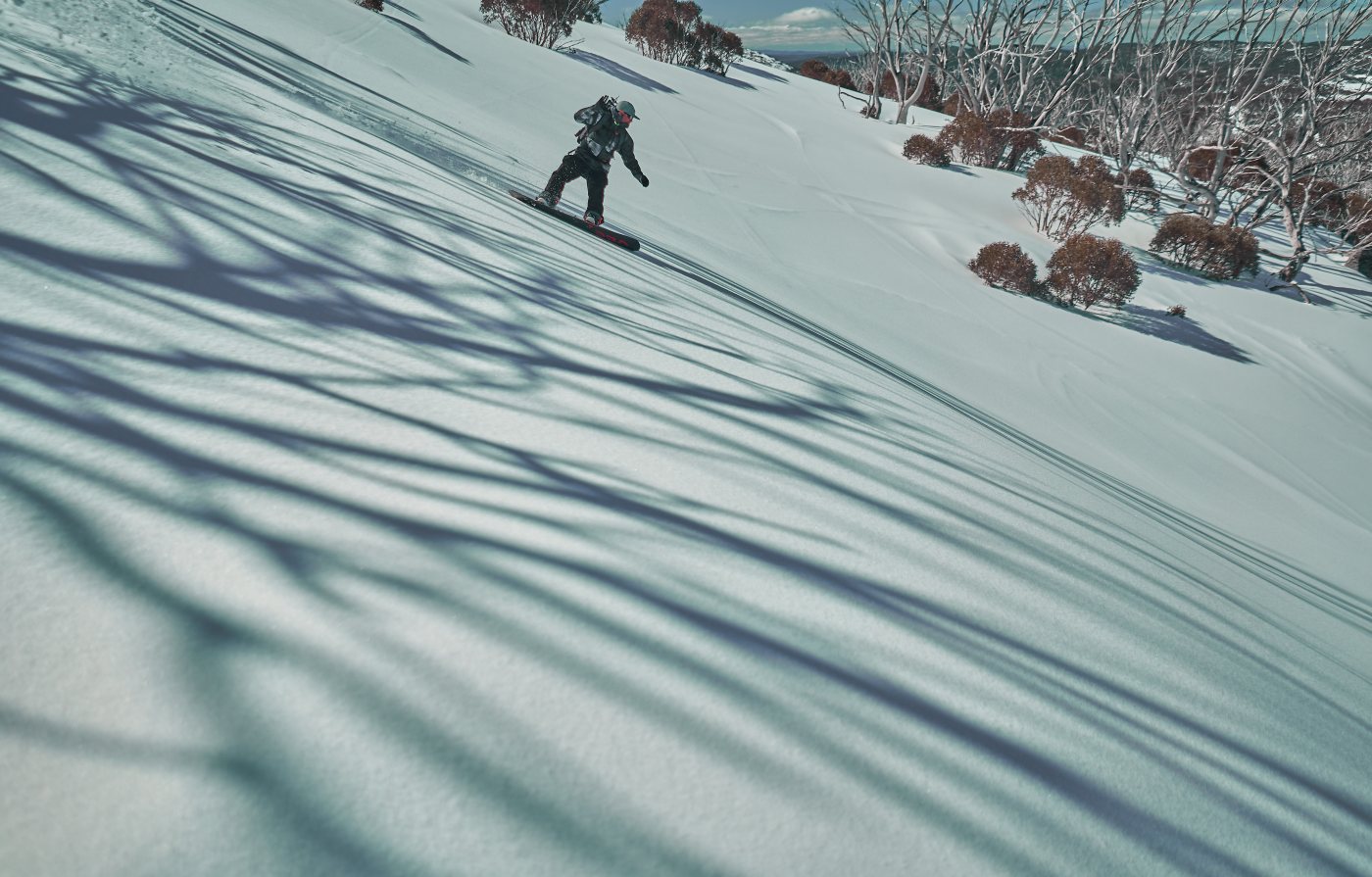
 ‘Treeline takes us to the enshrined cypress groves of Japan, the towering red cedars of British Columbia, and the ancient bristlecones of Nevada, following a handful of skiers, snowboarders, scientists and healers as they move through these giants and explore a connection older than humanity.’
 Follow POW on

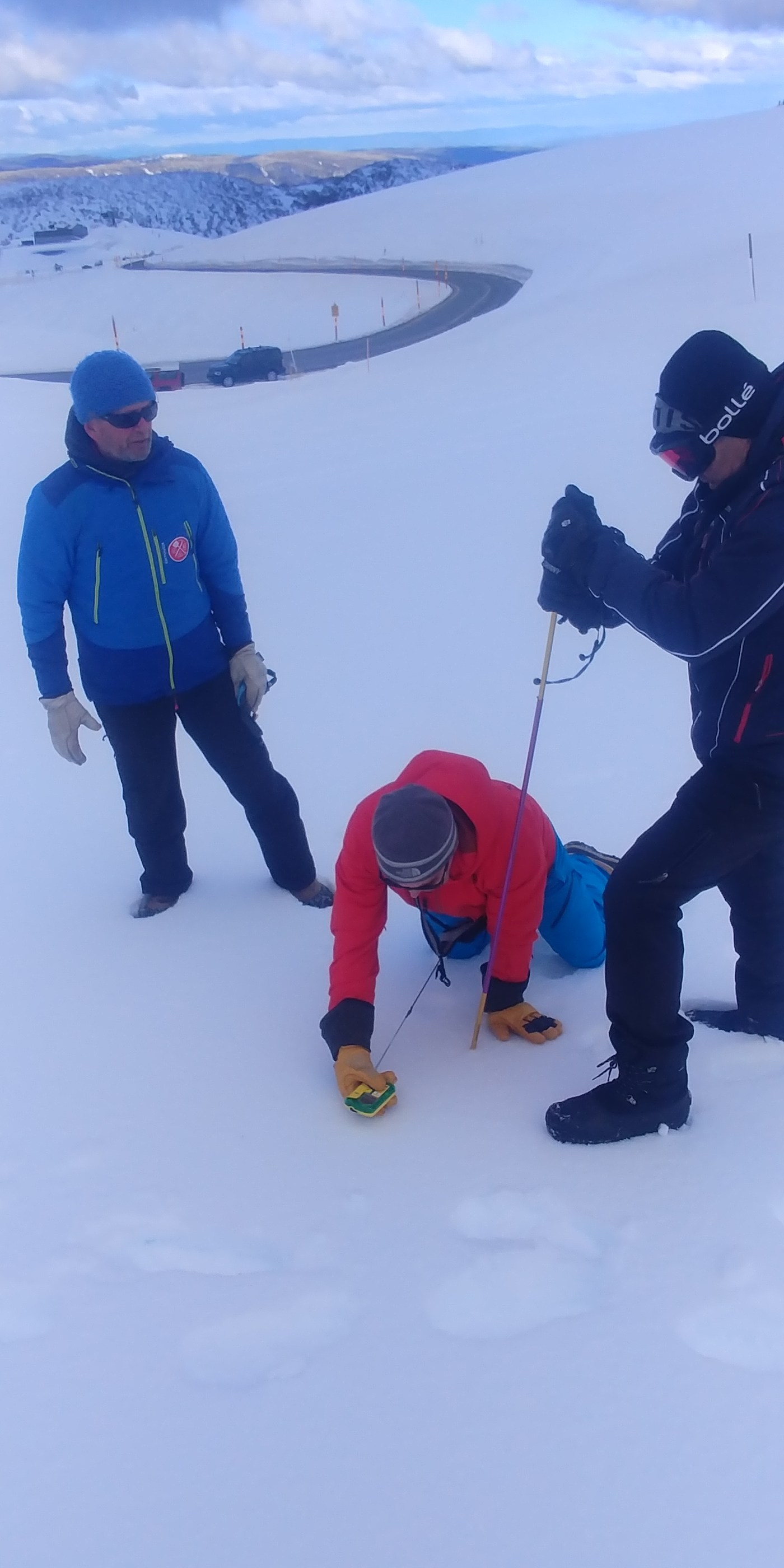
 He is also offering avalanche beacon training as part of the Victorian backcountry festival, which will happen at Mt Hotham over the weekend of September 7 and 8 (



Recent Comments