We have snow! Time to get out in the mountains.
A big part of having a successful trip (and not having to rely on the emergency Spam and VB in the hut) is to research the weather and conditions.

We have snow! Time to get out in the mountains.
A big part of having a successful trip (and not having to rely on the emergency Spam and VB in the hut) is to research the weather and conditions.
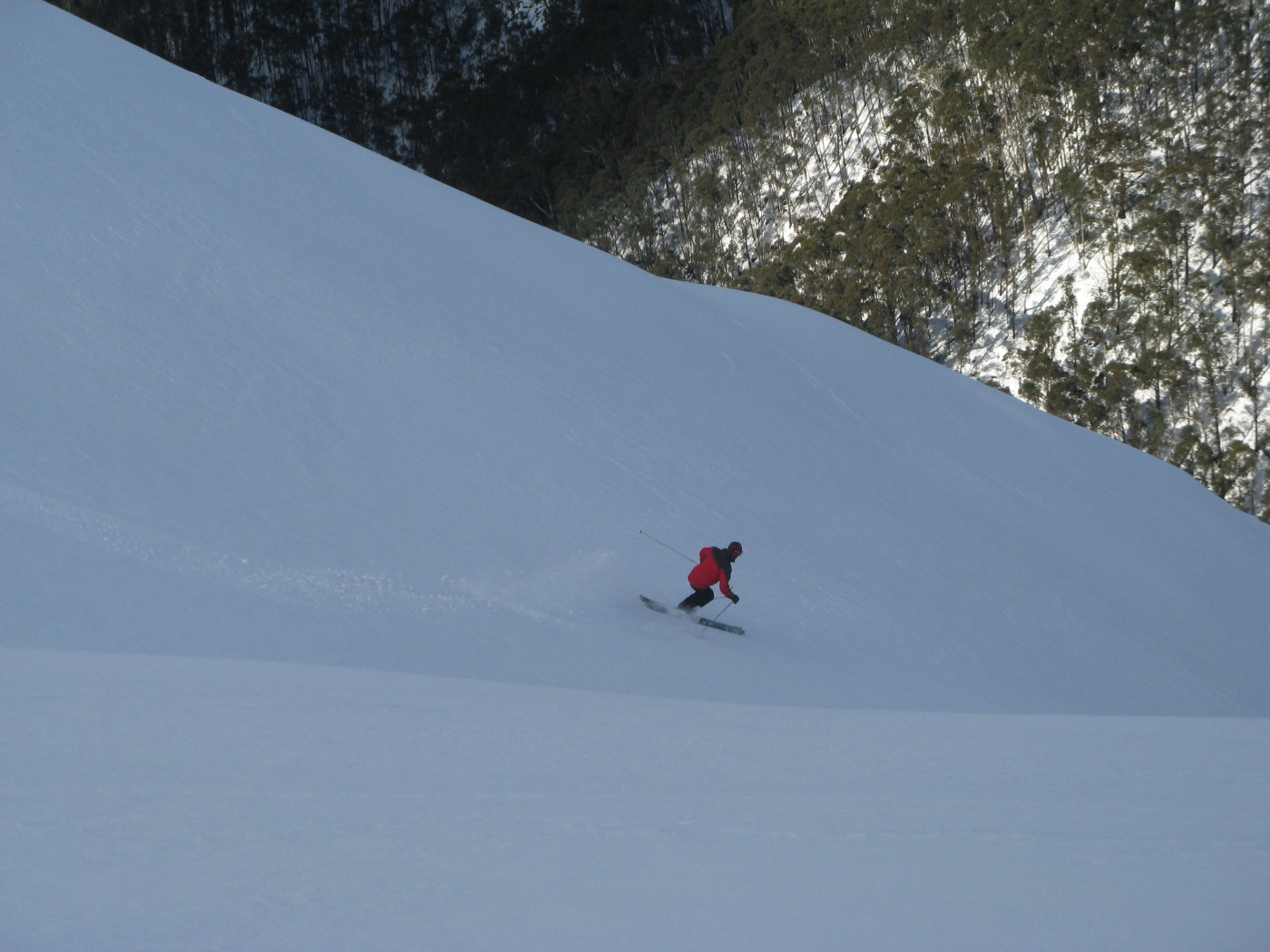
Winter! Best time of the year. A bit of resort is fun. Weekend backcountry trips are great. But winter is not winter without at least one big outing. Here’s my shortlist of the best winter backcountry touring trips in the country.
Continue reading “The Big 3: best winter backcountry trips in Australia”
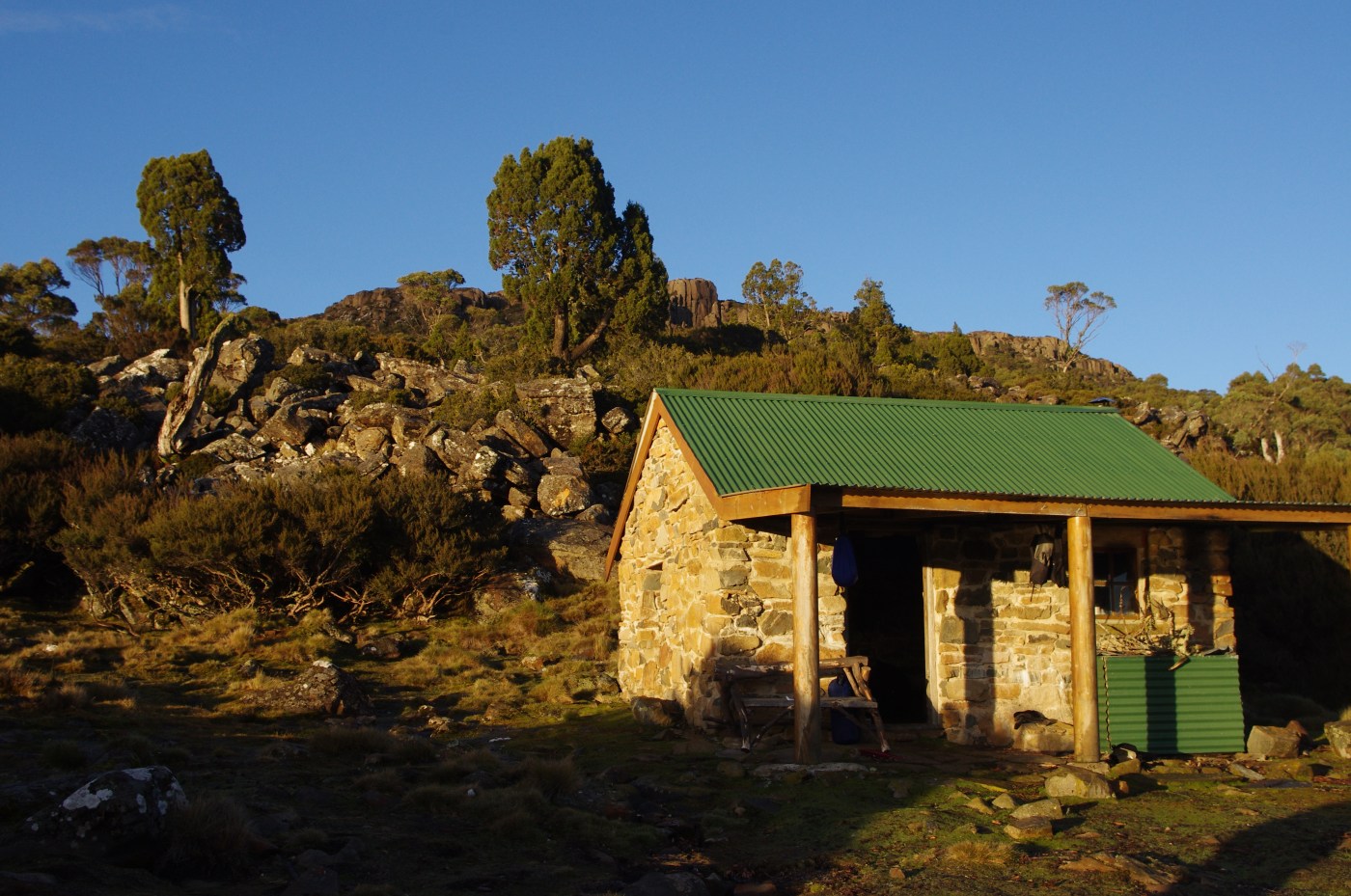
Many backcountry huts in the Australian Alps are either intended only for emergency use or are fairly uninviting places to stay (in contrast with many of the ones in high visitation areas of the Tasmanian high country). But the best ones can be fantastic spots for a winter camp when the conditions outside aren’t great.
The best resource I know for locating huts in the mountains is Backcountry Huts. You can search by area or state and find a huge number of buildings, from the ruinous to the fabulous.
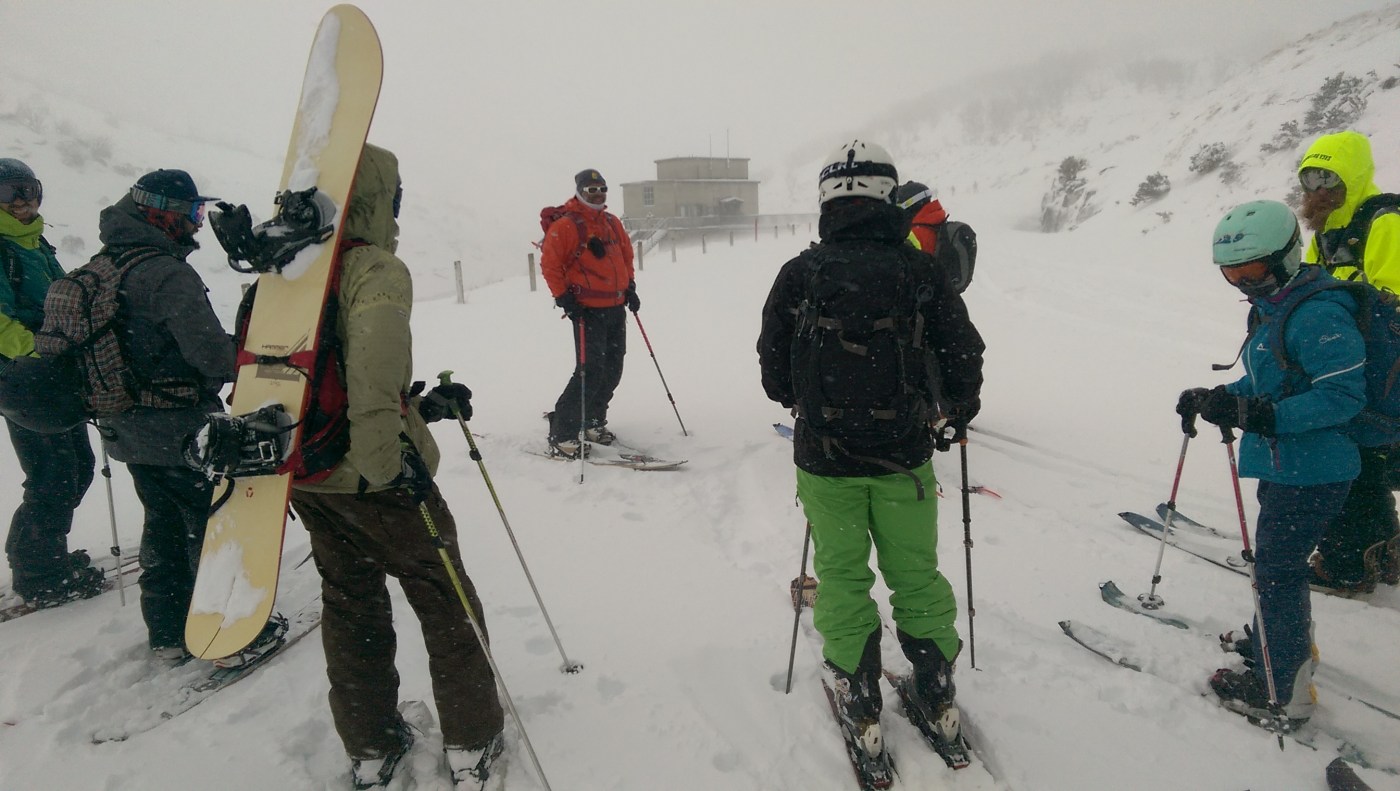
The absolute majority of skiers and boarders enjoy their sport in resorts. Yet the continued interest in ‘side country’ and backcountry skiing and riding continues. While here in Australia, the backcountry (BC) does seem busier, it’s hard to tell if more people who mostly ski or ride in resorts are spending some time in the side country, or whether it’s mostly people who are new to the sport who are venturing into the backcountry. It’s probably a mix of the two.
Either way, it does pose an issue. If people who are not familiar with ‘un managed’ winter environments are getting out of resorts under their own power, are they likely to get themselves into trouble in the backcountry? How can we help people to be ready for the conditions and terrain they might find?
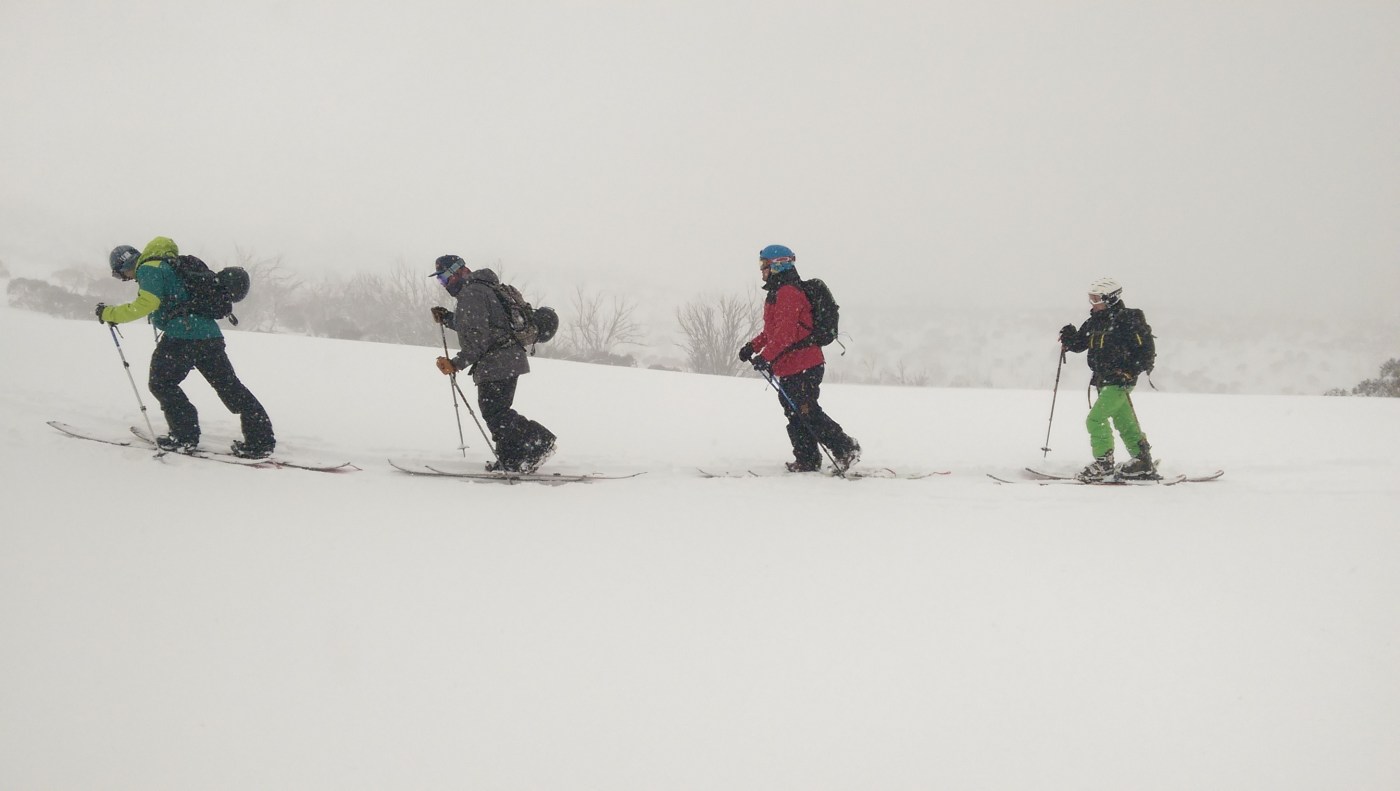
The NSW Splitfest DownUnder will be held on weekend of the 25-27th of August in the NSW main range.

The NSW Nordic Ski Club is screening the Winter Wildlands Backcountry Film Festival. 12 stunning short films from the backcountry: skiing, snowboarding and mountain cultures from around the world. You can book tickets here. Tickets $15. (free for NSC members).
26 July 2017. 7:30 pm

For the past six years, Mountain Journal has co-hosted the Australian showing of the Backcountry Film Festival (BCFF). The BCFF is a celebration of human powered outdoors adventure, with a strong focus on snow sports – skiing, splitboarding and snow shoeing. This season features 11 films over one evening (see here for dates and full details for the shows in Melbourne, Sydney and Canberra).
In Melbourne, we have – in addition to the BCFF – a short film made at the end of the 2016 season. It follows Charlotte and her dad Mike as they make a late season foray to Mt Loch, in the Victorian High Country. The festival will screen on tuesday May 30th at Melbourne University.
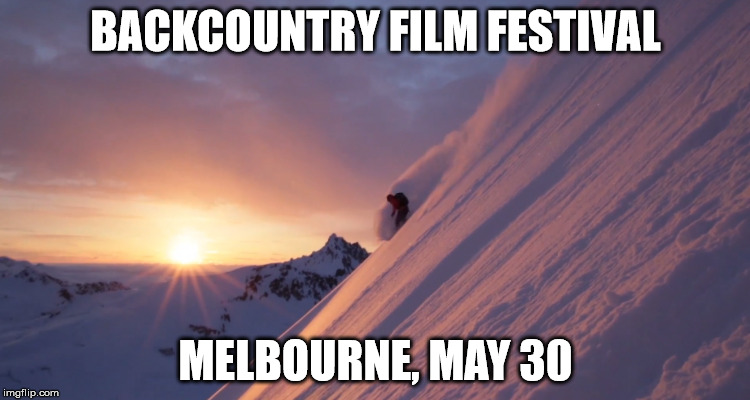
As the Alps gets another blast of pre winter snow, I’m happy to be able to tell you that we have a date for this year’s backcountry film festival program in Melbourne!
The BC festival is the annual mini film festival that covers human powered winter adventure.
The Melbourne show will be held on Tuesday May 30.
Continue reading “Backcountry film festival – Melbourne, May 30”
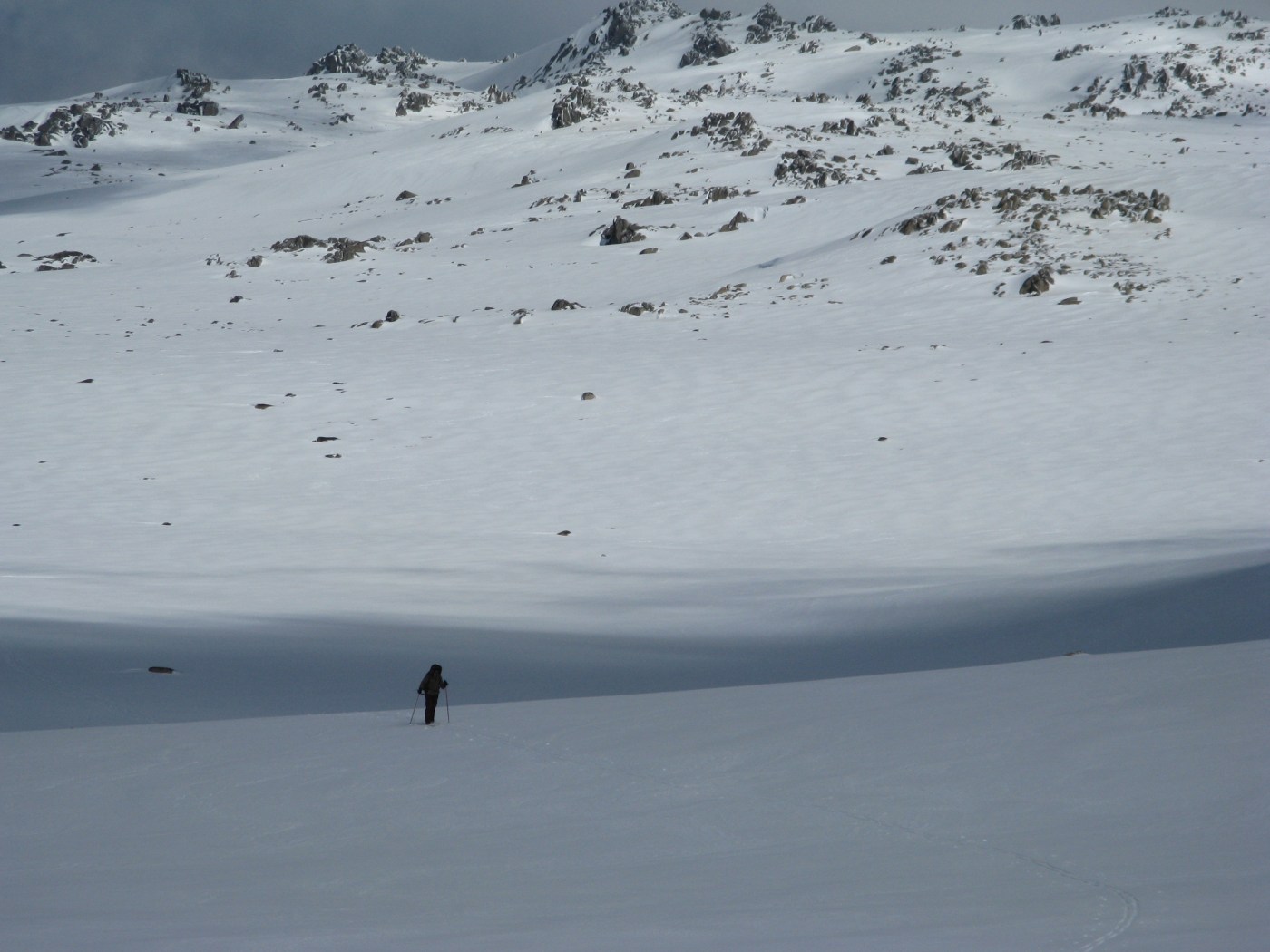
The waiting is over. Winter is finally here!
Now all that’s left to do is get out into the hills.
Here’s a short list of some of the backcountry-related organised snow events that I’m aware of.
One of the influences for Mountain Journal was a great magazine from Colorado called Mountain Gazette, which existed in a number of forms from the early 1970s. It was an insiders view of life, landscape, and culture in the mountain states of the USA (it now exists as an online journal).
As a lover of regionally focused art and media, I’ve long enjoyed a range of magazines from around the world, mostly North America, which cherish and appreciate the mountain environment. There are lots of great sport-focused journals that have a strong emphasis on the natural environment where our adventures take place (some of my faves include Backcountry, Wild and Rock and Ice). The rarer ones focus on culture, landscape and the interaction between people and their surroundings (Orion is a brilliant ‘all round’ journal in this regard, but I especially loved Highline, which stopped production last year).
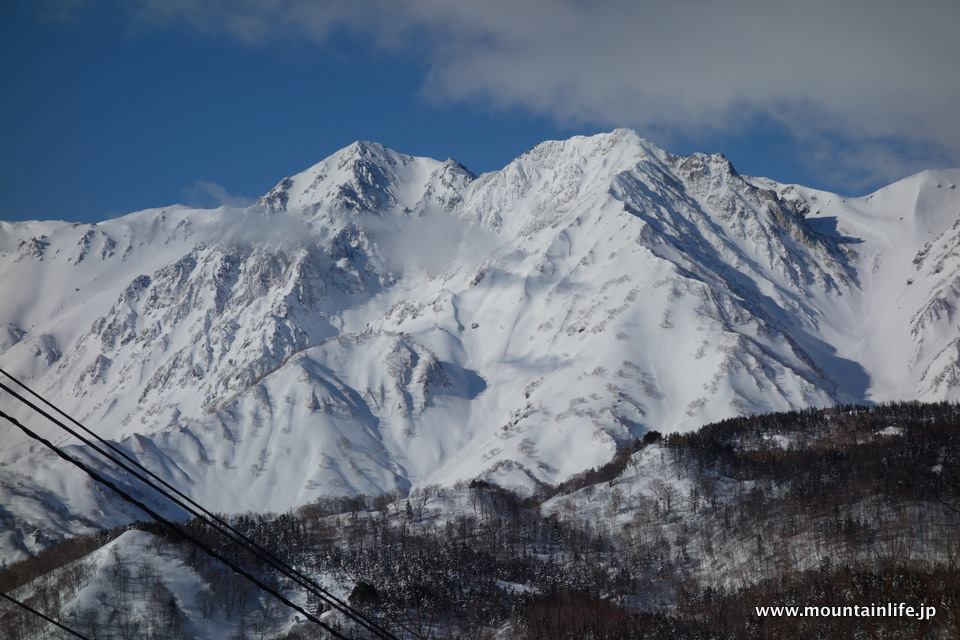
I was recently introduced to Hakuba Mountain Life magazine, a thoroughly beautiful homage to the backcountry in this part of the Japanese Alps (thanks Peter).
It is put together by Mio Tonouchi and Damian Banwell. Damian is an Australian backcountry guide. The magazine does have a focus on their business but extends way beyond, celebrating particular mountains, providing advice on backcountry adventures and avalanche safety, and touching on the human culture that inhabits the valleys around the Japanese Alps. It has great images. The magazine describes itself as ‘reflecting our love for backcountry life in our local mountains’. Damian and Mio are doing their best to Live the Dream, riding in winter and farming at other times.
Loving and appreciating place through any form of media is a great thing to do. But I do agree with the ‘contributers’ section of the magazine, which notes the contribution of The Mountains & Nature Itself: ‘do not confuse the moon with the finger that points at it’.
[IMAGE: Hakuba Mountain Life]
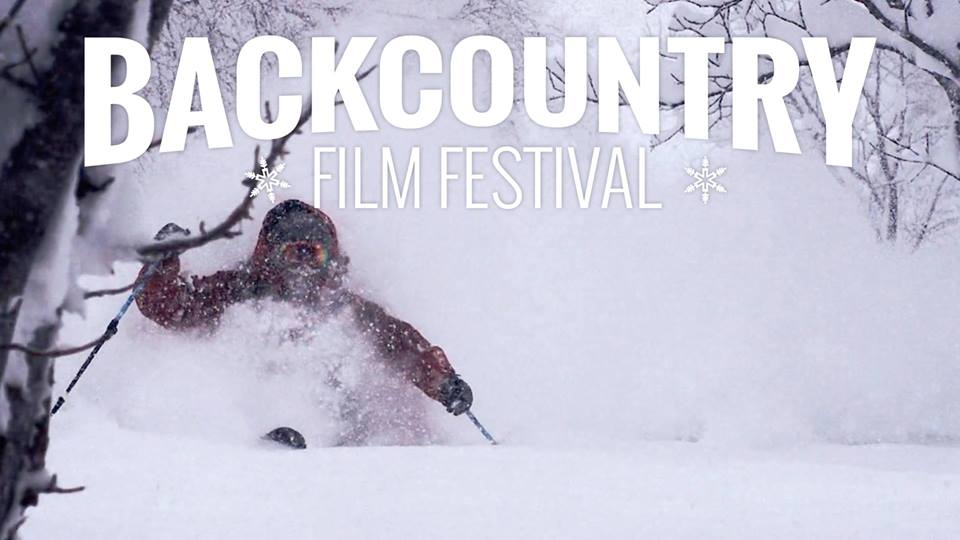
Mont Equipment, in partnership with Main Range Backcountry, is hosting a Canberra showing of the 2016 Backcountry film festival on Thursday August 11 at 6pm.
It will be held at the Mont store, 18 Pirie Street Fyshwick.
Tickets are available from the Mont Shop in Fyshwick and are only a gold coin (you can give more) that will go to the Mountain Critter Cause, a fundraiser to protect the Mountain Pygmy Possum.
Tickets are limited and will go quickly, so hurry in to avoid disappointment!
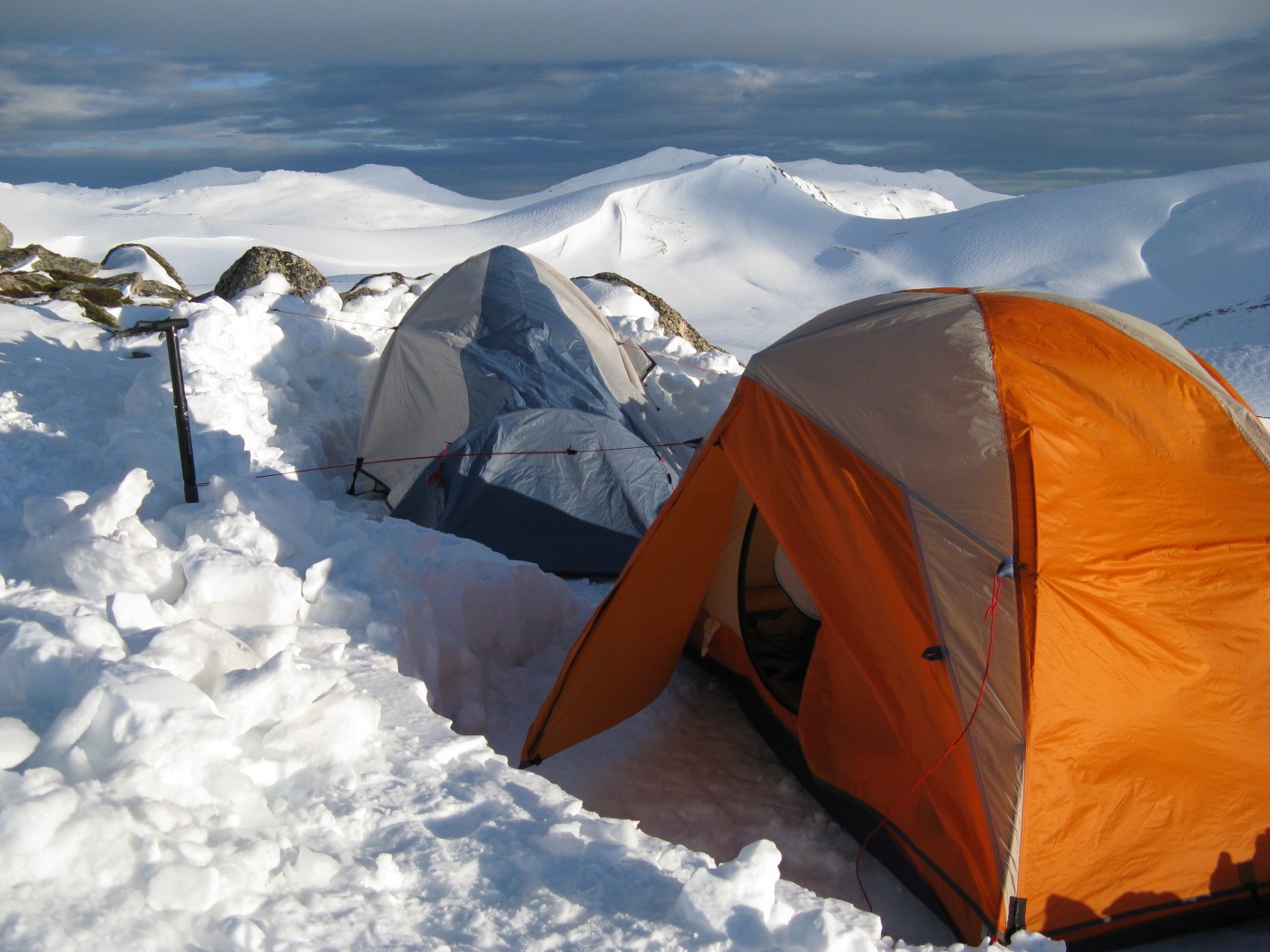
The Main Range area of the Snowy Mountains is a small and much loved area with some of Australia’s finest alpine terrain. It is popular with overnight walkers, skiers and riders and while the Parks service prohibits camping within the catchments of the glacial lakes on the range, there are still lots of great spots to stay.
But the problem of human waste is becoming one that backcountry users need to deal with. In places like the Main Range, the time has come to extend the concept of ‘if you carry it in, you can carry it out’. As Andrew Stanger says in this article, “just as dog owners must now collect their pooches poops, it is time for people to do the same when venturing into the great outdoors. People need to bag their poops, take them out and dispose of them appropriately”.
Here’s how you can do it:


Recent Comments