Search

Mountain Journal

Environment, news, culture from the Australian Alps

Tag

climate change

Climate change impacts on resorts – and how they’re taking action to reduce emissions

We all know that climate change poses an existential threat to the snow and alpine environments that we love. While Australia’s lower mountains and modest latitude make it something of a miracle that we even have snow, there is little doubt that already our seasons are getting shorter, with less snow (our snow pack has been in decline since 1957).

But it is disturbing to see the impacts that are happening elsewhere, in countries at higher latitudes and with higher peaks. This recent story sums up some of what’s happening in North America, and how some resorts are responding.

Continue reading “Climate change impacts on resorts – and how they’re taking action to reduce emissions”

The economic impacts of climate change on winter sports

Protect Our Winters has released an update of it’s report ‘the economic contributions of winter sports in a changing climate’. It is yet another reminder about the economic benefits of the snow industry, both in local economies and at the national level, and the threat posed by climate change to this economic activity.

Continue reading “The economic impacts of climate change on winter sports”

Older forests experience ‘smaller and less severe’ fires

A new study in the journal Austral Ecology provides the most comprehensive analysis ever performed of the fire history of forests in the Australian Alps. This is a significant piece of work because it says that unburnt forests are less fire prone than those that have been recently burnt.

This has implications for how we manage these forests and woodlands. The current widely held assumption is that by reducing fuel loads, fire reduces the flammability of most eucalypt-based forests.

Continue reading “Older forests experience ‘smaller and less severe’ fires”

The End of Winter

Lately I have been experiencing extreme Solastalgia – ‘psychic or existential distress caused by environmental change’. I see it in the burnt out snow gum trunks on The Razorback (burnt three times in a decade). I see it in longer fire seasons and more erratic winters. I see it in the summer baked woodlands around my home in Central Victoria. I see it in the receding glaciers and icesheets.

Some days I feel inconsolable. As a day to day activist, I work as hard and as strategically as I can to get real protections in place, but I know that all my efforts are just about slowing down the reality of what is coming … and no matter what you achieve, its never enough. This week I heard a Coalition politician, Matthew Canavan, talk about ‘beautiful’ coal and how we need to dig more coal and drill more gas, and I had one of those dark nights of the soul moments where I felt that we’ve already gone off the cliff – that we are well and truly fucked. There is such obstinate, wilful ignorance about climate change by people like Matthew and so many of those who are in charge of our governments, such powerful vested interests blocking action, and such ecological destruction locked into the momentum of our high consumption lifestyles. It seems quite beyond hope.

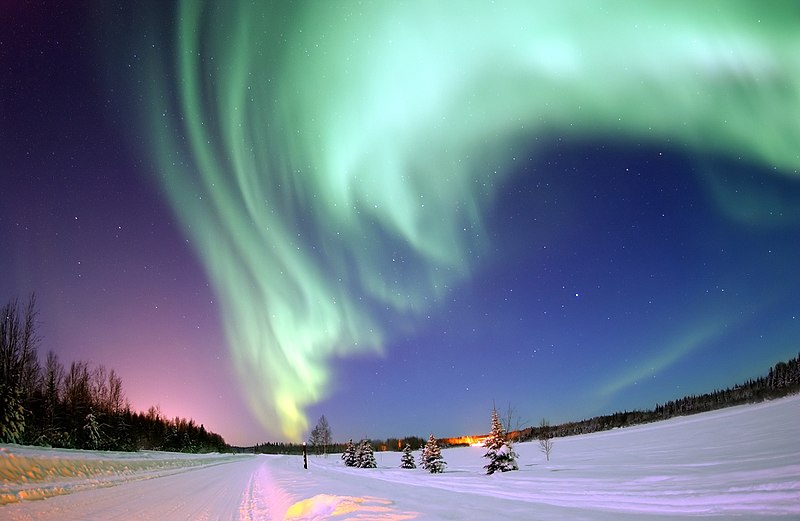
Sometimes it’s heartening just to be reminded that there are many other people who are also paying attention and taking action. This reflection on the changing face of Alaska really struck a deep note with me. I made my first journey to Alaska when I was 20 and fell into the deep, wild beauty of that place. It was like a lucid dream, and I felt drawn into the mountains and the silence. This piece by composer John Luther Adams is heartbreaking. He asks what will fill that space in our humanness when the cold and wild Alaska is gone? I don’t just want to reflect on what we are losing. I also want to fight for what we still have. He reminds us of our shared complicity in the world we are creating. I fully agree with John: “We must find new ways of living on this Earth. The changes we make must be profound. They must be worldwide. And they must happen now”.

Continue reading “The End of Winter”

Will we recognise the future?

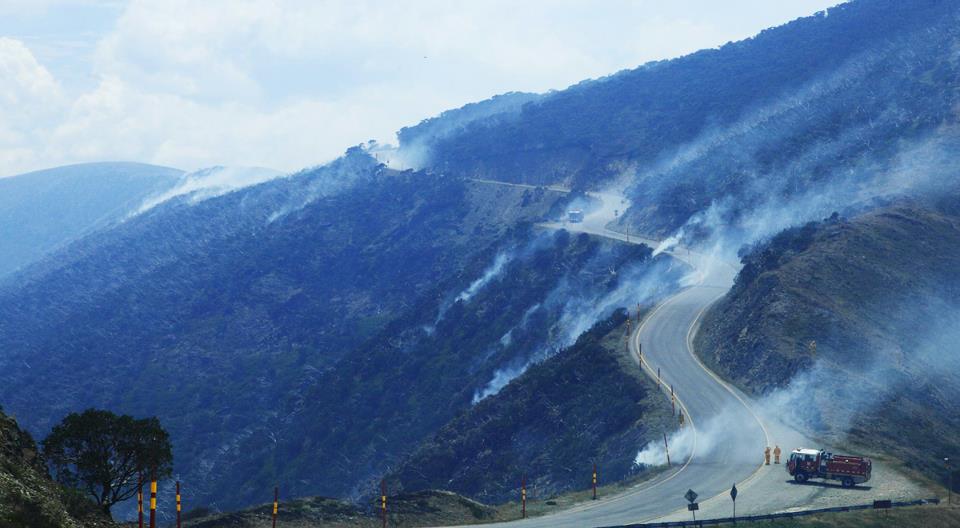
Every time I drive up the hill from Harrietville to Mt Hotham, I feel a strange mix of joy and sadness. Its always good to get back into the mountains. But those burnt out alpine ash forests break my heart.

People will often say ‘fire has always been part of the landscape’. True. But that misses the point that fire intensity and frequency is already increasing as we lurch into the climate change influenced future. In my lifetime it has already transformed many of the landscapes I know and love best. What will the coming decades bring?

Continue reading “Will we recognise the future?”

#ClimateWhiteout: climate change and the Winter Olympics

The Winter Olympics are underway in Pyeongchang, South Korea. Climate and winter sports advocacy groups have been using social media to highlight the expected impacts of global warming on future Winter Olympic sites.

This is not a new story, but research that shows that climate change is likely to make nine former Winter Olympics sites too warm to host the Games again has been circulating using the hashtag #ClimateWhiteout.

Continue reading “#ClimateWhiteout: climate change and the Winter Olympics”

Which resorts have been most impacted by climate change?

The Climate Council has released a report which outlines the likely impacts of climate change on tourism in Australia.

The section on the snow sports industry confirms what we already know: that climate change will have significant impacts on the economics of the sector, with resulting loss of jobs and local businesses. It highlights the fact that despite attempts to broaden activity at ski resorts into the ‘green season’, a large proportion of income is still derived during winter and hence there are limitations to how resorts can buffer against bad winters.

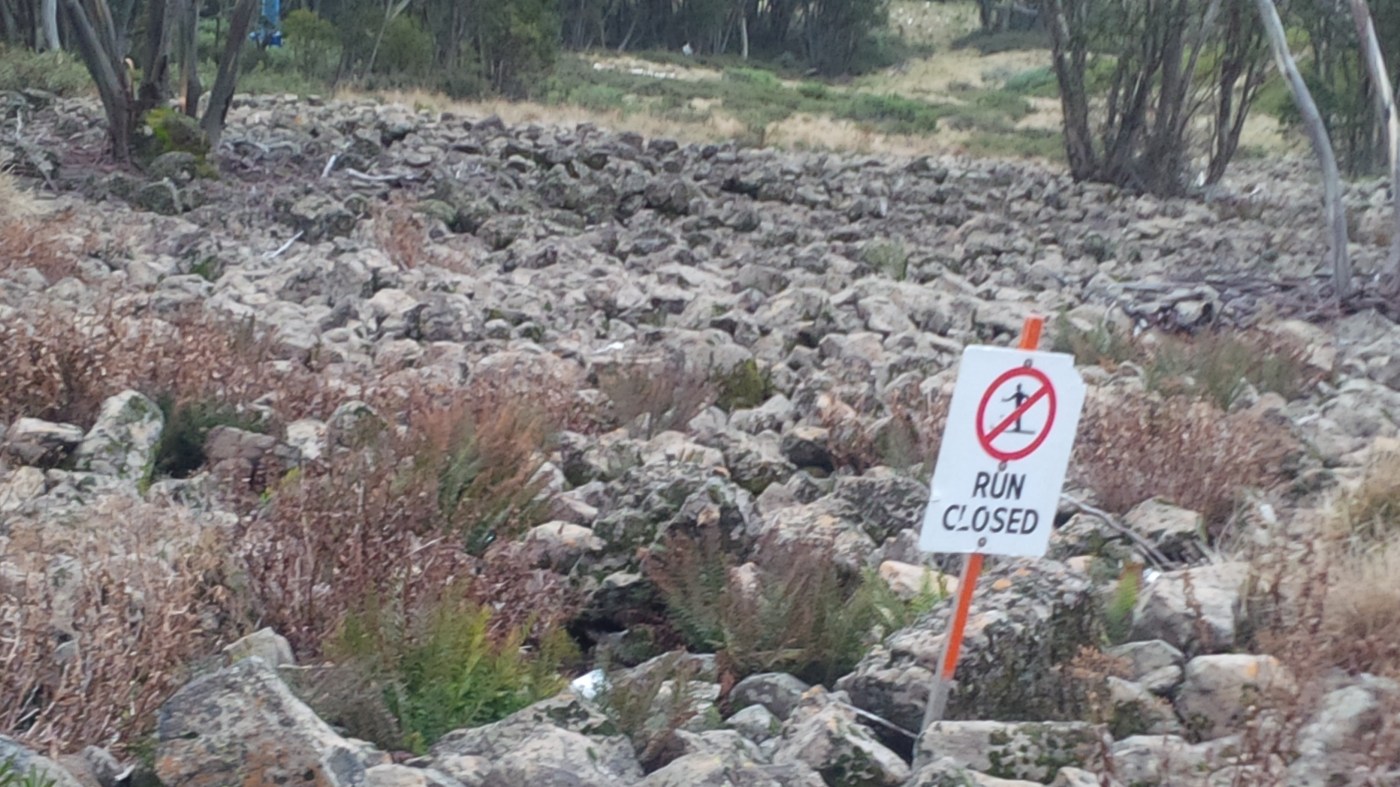
In Victoria, Mt Stirling and Mt Buller have been most affected by shorter ski seasons.

Continue reading “Which resorts have been most impacted by climate change?”

Lake Tahoe Resort to run on 100% Renewables

Next winter, Squaw Valley Ski Corporation, who have two resorts at Lake Tahoe in California, plans to source all its electricity from solar and other renewable sources. This will make it the first ski resort in the USA to power its operations without fossil fuels.

Continue reading “Lake Tahoe Resort to run on 100% Renewables”

Outdoor industries ‘taking on global warming when our country isn’t’

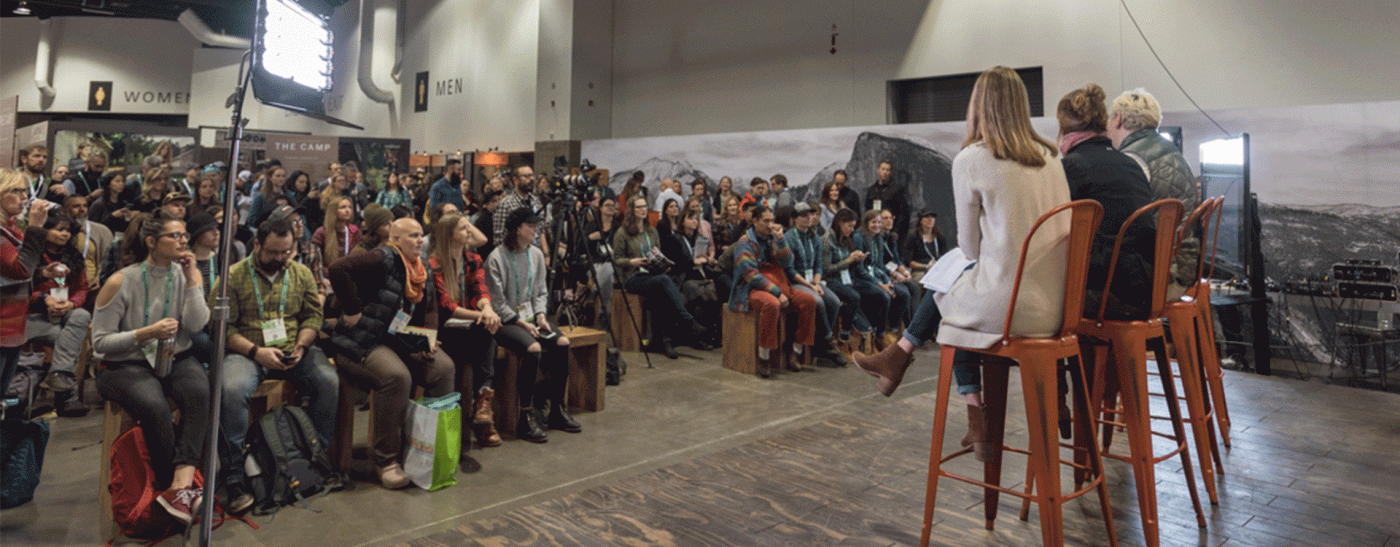
The biannual Outdoor Retailer trade show in the USA is an enormous event. This year it has relocated to Colorado in protest at the state government of Utah supporting moves by the Trump administration to gut protection for federal conservation reserves. This shift marks a growing willingness to act to protect wild lands.

Continue reading “Outdoor industries ‘taking on global warming when our country isn’t’”

‘Ski resorts cling on against climate change’

Mountain Journal often covers developments in the snow industry relating to climate change – both in terms of the expected impacts of global warming on snow and resorts, and positive responses by resorts to reduce their emissions.

As we know, action here in Australia by resorts is sketchy at best and most are still in denial about the reality of the change that is coming.

This recent piece by Bob Berwyn from Deutsche Welle (Germany’s international broadcaster) looks at the limitations of relying on artificial snow making as a buffer against climate change. Looking mostly at Europe, the key message is really just common sense – it will be the lower altitude resorts that will be hit first. That’s directly applicable to the reality that Australian resorts face given our low elevation mountains and moderate latitudes.

Continue reading “‘Ski resorts cling on against climate change’”

Park City has pledged to reduce it’s carbon footprint to zero by 2032

Climate change is bearing down on us. The threat posed to people, economies and natural ecosystems is of a level only surpassed by the risk of nuclear war. For those of us who love mountains and winter, the threat is obvious enough: shorter, more erratic snow seasons.

While here in Australia we face a dwindling snow pack, it’s the same story in ranges around the world. For instance, in the Northern Cascades National Park, which contains 1/3 of the glaciers in the Lower 48 states of the USA, the glaciers have lost a half of their mass over the past century. Since 1955, the mountains of the western ranges of the USA have lost 23% of snowpack.

This is having a direct impact on local economies. Low snow seasons in the western USA between 2000 and 2010 cost the ski industry more than US$1B in lost revenue.

Many resorts and individual players in the snow industry have been stepping up and joining the fight against climate change. Park City in Utah is one of the latest.

Continue reading “Park City has pledged to reduce it’s carbon footprint to zero by 2032”

Mount Stirling in 2030 – Draft for Consultation

Mt Buller and Mt Stirling Resort Management and the Mount Stirling Stakeholder Group are preparing a contemporary vision for the Mount Stirling Alpine Resort. Mount Stirling 2030 is a vision that reflects community and stakeholder aspirations, celebrating the social and environmental values of the mountain and addressing challenges of climate change.

Mt Buller Mt Stirling Resort Management seeks your feedback on Mount Stirling 2030, which is being prepared to guide future management decisions for the Mount Stirling Alpine Resort.

The consultation period is open between Monday 18 December 2017 and 5pm Sunday 21 January 2018.

Continue reading “Mount Stirling in 2030 – Draft for Consultation”

Blog at WordPress.com.

Up ↑