Search

Mountain Journal

Environment, news, culture from the Australian Alps

Tag

climate change

Welcome coverage of threats to snow gums in The Age

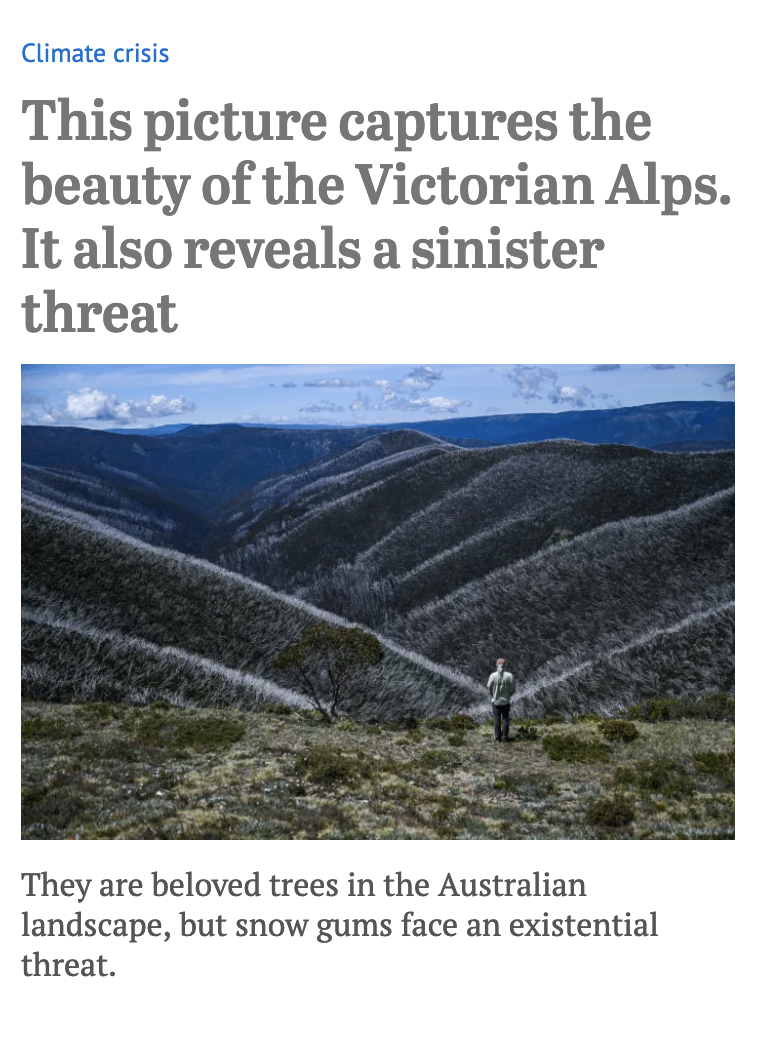
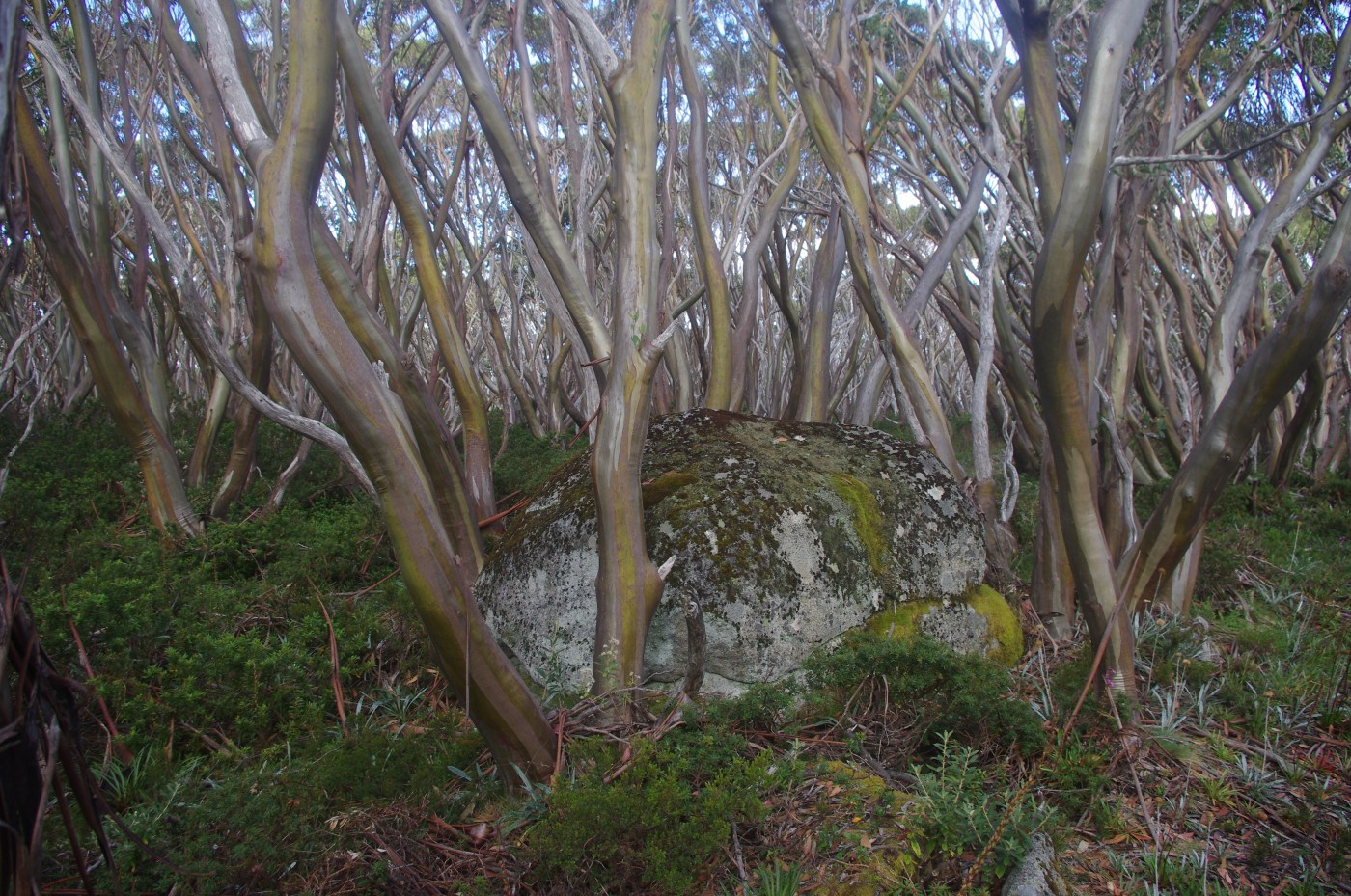
You may have seen today’s story by Miki Perkins in The Age here.  It considers the threats posed to snow gum woodlands (and other mountain forests) by more frequent and intense bushfires.

The story says ‘the global climate crisis, driven by humans burning fossil fuels, has brought a new threat to these mountain peaks: more frequent and more intense bushfires.

Because snow gums have not evolved to cope with these conditions, experts say the nature of Australia’s high mountain landscapes are changing, and the ecological collapse of snow gum woodlands – the abrupt decline or change of this ecosystem – is happening before our eyes’.

Continue reading “Welcome coverage of threats to snow gums in The Age”

California acquires 7 large firefighting planes – could Australia use this model?

We know that there is growing pressure to increase our fleet of large firebombers. There are Large Air Tankers (LATs) and ‘Type 1’ helicopters which can carry large loads of water/ retardant and which can have a big impact in terms of slowing fires so ground crews can then fight them.

Australia generally needs 6 or 7 LATs in an average summer, and only two of these are located here year round (and only one is actually owned locally, by the NSW Rural Fire Service). The others are leased in from the northern hemisphere for the fire season. As climate change causes fire seasons to become longer in both hemispheres, relying on leasing them becomes a riskier and more expensive proposition.

That has led to proposals to buy our own national fleet of LATs. This was recommended by the Bushfire Royal Commission into the 2019/20 Black Summer. The Commission recommended ‘The development of a modest Australian-based and registered national fleet of VLAT/LAT [Very large Airtanker/Large Air Tanker] aircraft and Type-1 helicopters, jointly funded by the Australian, state and territory governments, will enhance Australia’s bushfire resilience’.

It has also prompted conversations about whether we can repurpose aircraft that are already owned by the Australian Defence Force that are nearing the end of their military working life which could be re-purposed to become firebombers (there are some notes here about converting Lockheed Orion planes from the RAAF into firefighting aircraft, with a variety of views about the viability of this proposal).

Even in North America (where we lease our LATs from) there is increasing competition between agencies and states to access large firefighting aircraft. In an announcement (published by Hotshot Wake Up, a podcast that covers all things fire based in the USA) it has been noted that California has acquired 7 publicly owned C-130 planes, which are being transferred from the Coast Guard and which will be retrofitted to be able to be used to fight fires. The announcement states that they will also be used for ‘search and rescue, and emergency operations related to wildfires’.

Surely this is an indicator of options the Australian government could be pursuing here to build the number of publicly owned large air tankers.

Continue reading “California acquires 7 large firefighting planes – could Australia use this model?”

Save our snow climate data – we won!

The following information come from Protect Our Winters (POW) Australia.

After POW alerted the winter snowsports community to the fact that that the frequency of snow data collection at Spencers Creek in the Snowy Mountains has decreased in recent years, Jeremy Kinley, Acting Manager of water for Snowy Hydro, has confirmed that “we have agreed that we will commit to more regular measurements at Spencers Creek from next year onward.”

The data on snowpack collected by Snowy Hydro provides our best snapshot of snow pack over time. Earlier in the year, POW reported that:

‘Data collected in 2022 was sparse in comparison to previous years, with only four records collected from 1st of May to 31st of July. This is a reduction of over 60% compared to the average of the previous decade (2012-2021). 

‘Snowy Hydro explained their reduction in data collection in 2021 as a means to avoid sending staff to remote locations in poor weather conditions.

POW launched a campaign to get Snowy Hydro to continue recording their valuable data on a weekly basis from the first snowfall throughout the season. This campaign has been a success. Congratulations to everyone involved.

FORUM: The Future of Firefighting in Victoria

It is quite a few years ago now that I stood on the high point of Mt Blowhard, near Hotham, and watched the Dargo High Plains burning (yet again). That led me on my ‘firefighting journey’ – I went back home and joined the CFA. In the years since then I have seen the reality of more frequent fires in the mountains and the fact that sometimes we don’t have enough firefighters to stop small lightning strike fires from turning into mega blazes.

One example – a couple of lightning strikes near Mt Tabletop on December 31, 2019 (during the Black Summer) were not able to be stopped. They grew into a fire of more than 40,000 ha that threatened the township of Dinner Plain twice and homes in the Cobungra valley.

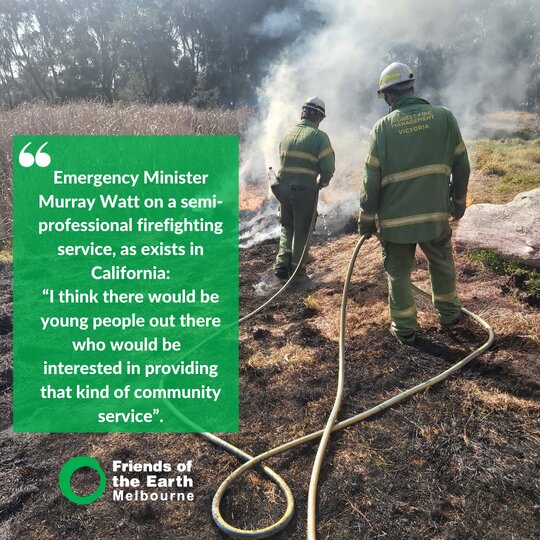
That’s where this idea came from – an additional force of remote area firefighters who can be tasked with assisting the wonderful state government firefighters employed by FFMV.

The proposal will be discussed during a free online forum being hosted on Thursday December 14 at 7pm.

Continue reading “FORUM: The Future of Firefighting in Victoria”

Victorian State of the Environment 2023 Report released

The Victorian State of the Environment (SoE) 2023 Report has been released. These are five-yearly report cards produced by the state government which measure the health of our natural environment – our land, water, air and ecosystems. The report covers three key areas:

  • the health of Victoria’s natural environment
  • the adequacy of our science
  • areas for future focus.

The Greens labelled it ‘a damning new report (which) has found Victoria’s ecosystems and threatened species are in a far more dire situation now than they were five years ago’.

They say ‘It found that biodiversity and climate change indicators were particularly bad, with more than 75% of biodiversity indicators (32 of the 42) deteriorating or unclear, and 73% of climate change health measures (11 out of 15) also deteriorating or unclear. Only 1 out of 57 were classed as good (which related to the number of Victorians taking action to protect nature)’.

While I don’t have time to do a deep analysis of the report (which is available here), a quick look at the categories related to mountain areas are all fairly depressing. In short, there are no positive trends that are obvious.

Continue reading “Victorian State of the Environment 2023 Report released”

Are we ready for the next Black Summer?

Firefighters say dry lightning has caused more than a dozen fires across Queensland this week, sparking concerns for authorities battling El Niño conditions.

As reported by the ABC, senior meteorologist Steve Hadley from the Bureau of Meteorology said dry lightning occurred when there was no significant rainfall, particularly during “overarching dry conditions”.

“Sometimes with not enough significant rainfall, of a few millimetres or more, that can mean lightning is essentially happening over drier areas and drier terrain with no rain to follow it up,” he said.

“Then you can get some fires starting from that depending on how the landscape is at that time.”

The threat from dry lightning caused fires continues to increase in mountain environments. To take one example, multiple lightning strikes across the Victorian high country on December 31, 2019 resulted in fires developing, including the 44,000 ha Cobungra fire which threatened Omeo, Anglers Rest, and Cobungra.

Continue reading “Are we ready for the next Black Summer?”

Are you suffering from Shifting Baseline Syndrome?

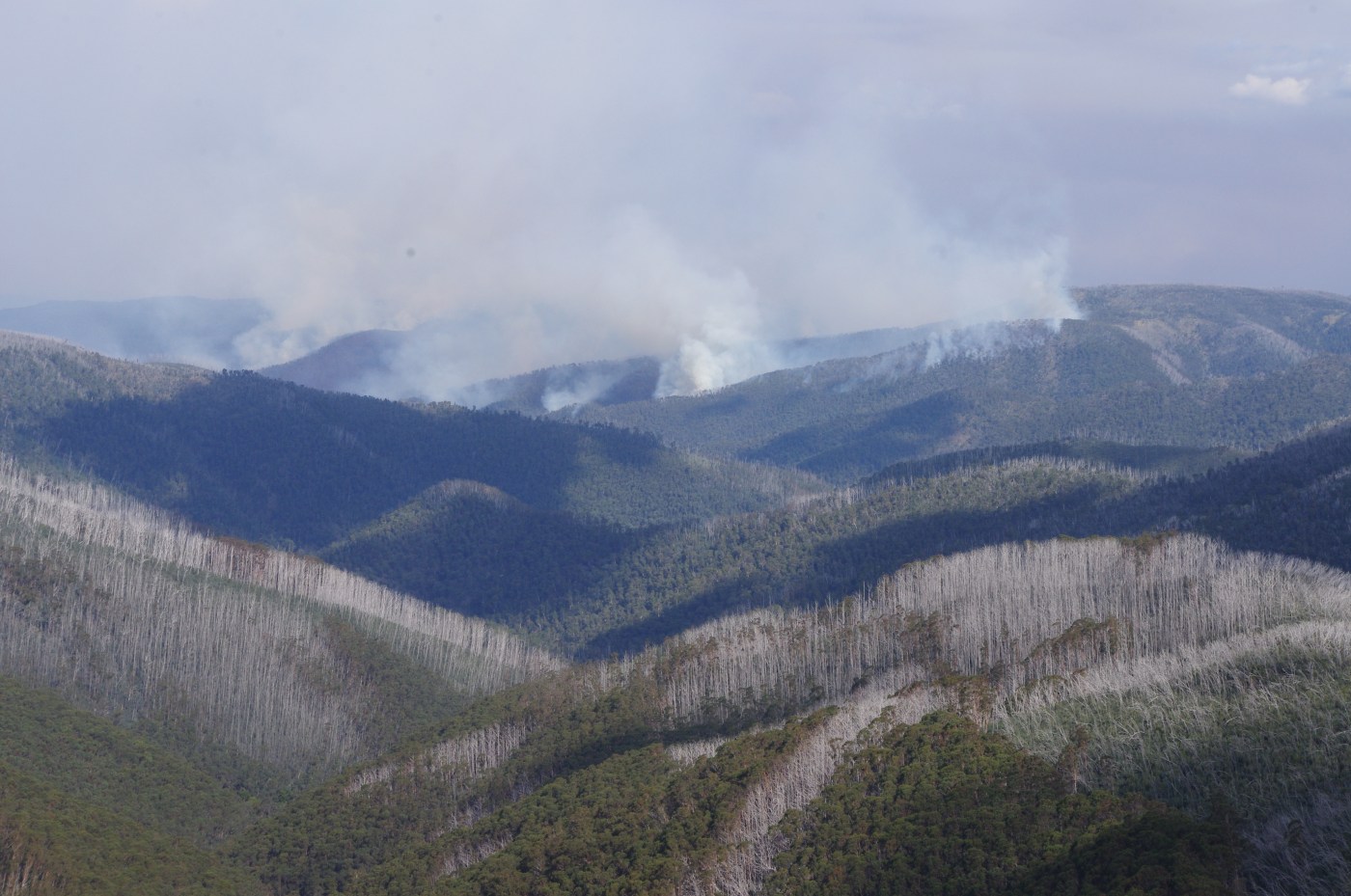
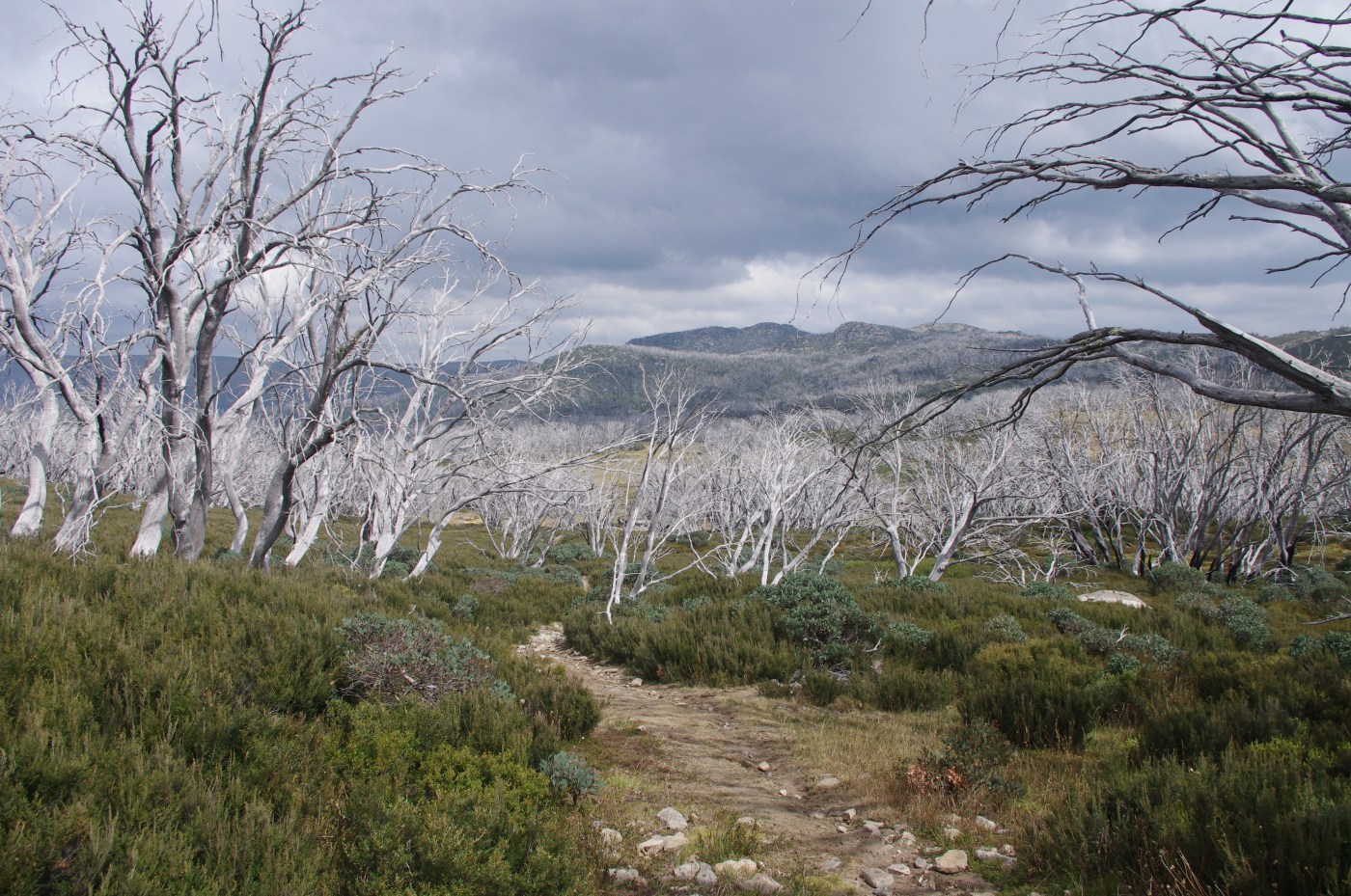
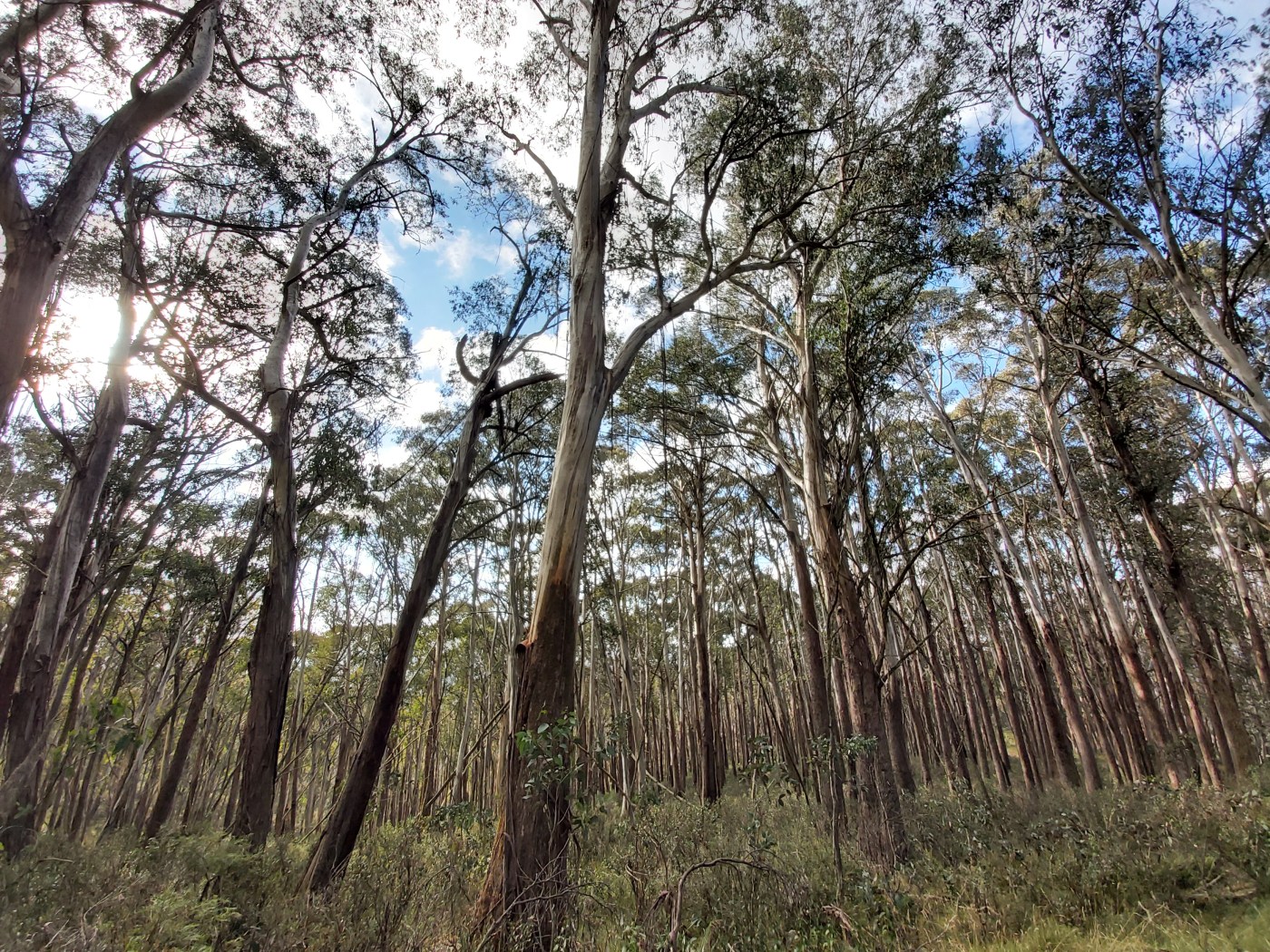
How often do you see an image or vista like this when you’re in the mountains? Whether you drive up from the valley towns through mile after mile of grey alpine ash trunks, or wander, ski or ride through the snow gum ghost forests of the high plains, you are witnessing a world that didn’t exist a generation ago.

Whereas we would have infrequent hot fire in the high country in the past, now we have fire on endless repeat. The forests get younger as we get older, yet this new reality of dead trees and thick regrowth becomes understood as being ‘normal’. Many people don’t recognise that what they see as they look out from a ski resort over burnt out hills is actually ecological collapse in real time.

Are we all just witnessing a deteriorating landscape and thinking it is ‘normal’ because we don’t have a memory of what was here before?

Continue reading “Are you suffering from Shifting Baseline Syndrome?”

When will the snow industry get its act together?

All snow lovers know how bad last winter was. As Mountain Watch noted in it’s end of season wrap, it was one ‘that went out with a whimper, ending two weeks early for most resorts thanks to a low snow year, above average temps and hot northwest winds and the fastest meltdown in memory’.

How to summarise the 2023 season? Given the slow start, early finish, three-week ice age during July, spring temps and hardly any snow in August and summer temps in September it’s fair to say, as far as the snow totals and snow quality goes, the 2023 season was pretty bad’.

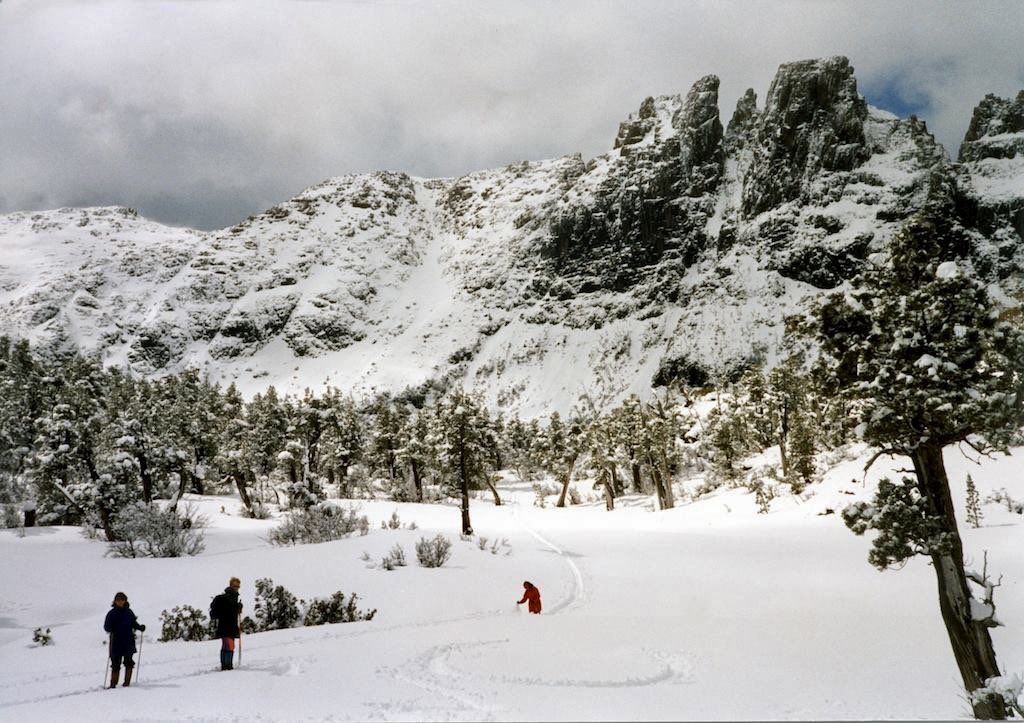
Of course we will continue to have good and bad winters (and fingers crossed for 2024!).  But we also know that climate change is reducing the overall amount of snow we receive in Australia. The snow pack has been in decline since at least 1957. How grim it gets will depend on how the world responds to the threat of climate change now.

Continue reading “When will the snow industry get its act together?”

Mountain Ash at risk of collapse. Same as Alpine Ash.

For the past decade, Mountain Journal has posted regular stories about the fact that Alpine Ash communities are facing the prospect of ecological collapse – that is, the loss of these forests and their conversion to something else – most likely a grassy and scrubby system perpetually stuck in a loop of fire followed by rapid development of flammable regrowth, followed by fire.

The Alpine Ash is closely related to the better known Mountain Ash which. New research says that the threats faced by Mountain Ash are significant enough for the species to be listed as threatened under national legislation. We would agree and argue that the Alpine Ash communities need the same level of recognition.

Continue reading “Mountain Ash at risk of collapse. Same as Alpine Ash.”

Alpine snowpatch plant communities being lost to climate change

Snowpatch plant community distribution and composition are strongly tied to the duration of long-lasting snow cover in alpine areas; they are vulnerable to global climatic changes that result in warmer temperatures and longer growing seasons.

Given the very small areas of alpine terrain in Australia, these communities are already very limited in their distribution. New research shows that Snowpatch plant community identity is being lost. In terms of their structure and composition, they are transitioning to woody communities rather than herbfields full of small plants. The loss of late-lying snow is likely to be the main reason for this change, as shorter periods of time where the communities are covered by snow allows woody plants to move into areas where late snow typically excluded them previously.

Continue reading “Alpine snowpatch plant communities being lost to climate change”

Loving the Vic Alps- FoEM X Patagonia event

Join the Friends of the Earth Melbourne forests campaign at Patagonia Melbourne for an evening to hear all about our Alpine campaign and where to next.

We’ve been raising awareness through community events about the special Alpine regions, highlighting the incredible outdoor and nature values that are at risk due to the impacts of logging.
With the state government’s recent announcement that it will end logging by Jan 1 2024, there is now a good chance that we can expand protections for these areas, safeguarding their future and adequately addressing the needs of vulnerable ecosystems in a rapidly changing climate.

There is still much to do: we will need to listen deeply to the aspirations of First Nations people, influence government decisions in coming months, and continue our advocacy and citizen science work in the high country.

Please join us on October 11 to be educated and inspired to take action to protect the mountains and forests that we all love.

The evening features some great short films and updates on what’s happening in the Alps.

  • Campaigning in the high country. Alana Mountain is a forests campaigner with Friends of the Earth. She has been working to see high country forests protected from logging.

    Image: Alana in the Vic high country
  • The nature of Australia’s high mountains are changing. Recent, repeated landscape-scale fires have burnt much of the subalpine forests dominated by Snow gum. Long-unburnt forests are now exceedingly rare. John will identify where long-unburnt Snow gum persists in the Victorian Alps and outline why management intervention is necessary to protect these unburnt refuges.

John Morgan is a plant ecologist from La Trobe University who has a passion for documenting high mountain floras, their dynamics over long timescales, and how they are faring in the face of invasive animals, less snow and increasing frequency of fires.

John_Morgan.jpg

Image: John Morgan

The Australian Alp – Taylor Bennie-Faull

Mt Feathertop’s striking beauty holds a special place in the hearts of the Australian backcountry snow community. As one of the only mountains here that resembles its northern hemisphere counterparts, The Australian Alp tells a story of the profound impact it’s had on a group of keen explorers.

Taylor is a documentary filmmaker based out of Melbourne who seeks to empower viewers through connecting them to the deeper emotions of storytelling. He’s been active in outdoor sports from a young age which has fostered his love for the  natural world and ways to reduce ecological footprints. His aspiration is to use his documentaries as a means to engage others with the environment.

This gorgeous 12 minute film is a homage to one of our favourite mountains.

Screen_Shot_2023-09-30_at_5.05.41_pm.png

Cam Walker from Friends of the Earth will open the evening. Cam has been working on a range of issues in the Alps for many years, and co-write the Icon at Risk report which outlines threats to the Alps. He recently wrote this piece for the Patagonia blog Roaring Journal.

Screen_Shot_2023-09-28_at_4.57.46_pm.png

Register your attendance, see you there!

This is a free event but we ask you to rsvp for catering purposes.

https://www.melbournefoe.org.au/foem_alpine_event_patagonia

Continue reading “Loving the Vic Alps- FoEM X Patagonia event”

Where did winter go?

The winter of 2023 will be remembered as one of the saddest in Australian snow history. It started early, tapered off, then came back in with a vengence, but then disappeared again. All ski resorts closed early. lutruwita/ Tasmania fared even worse than the mainland, with no really solid snowfalls through the entire winter.

Here, John McLaine reflects on winters past.

Continue reading “Where did winter go?”

Blog at WordPress.com.

Up ↑